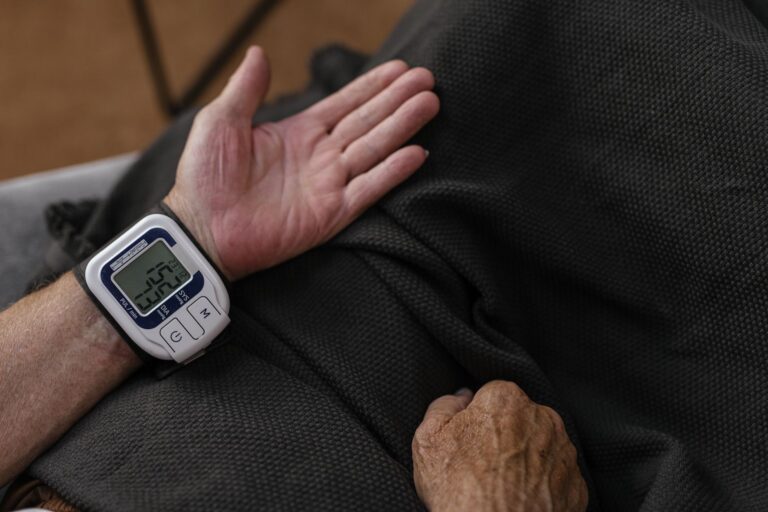
WHO's updated dementia prevention guideline treats high blood pressure as a factor worth managing, but it stops short of naming a specific number to hit for brain health. Its guidance, published in 2026, says managing hypertension "may be offered" to adults with high blood pressure to reduce the risk of cognitive decline — a conditional recommendation rather than a strict mandate, as summarized in the WHO guideline. That phrasing matters for anyone trying to build an actual plan. It means the evidence supports treating blood pressure as part of dementia risk reduction, without WHO pinning down the exact systolic or diastolic target that protects the brain specifically.
Medical information disclaimer: This article is for general educational purposes only and does not provide medical advice, diagnosis, or treatment. Always consult a physician or other qualified health professional about symptoms, medications, tests, or treatment decisions.
Official resources:
- Read the official guidance from NIH — Use this primary source to verify the official guidance.
- Read the official guidance from Who — Use this primary source to verify the official guidance.
Table of Contents
- What WHO Actually Changed in 2026
- Why WHO Didn't Set a Target Number
- What the Clinical Trial Evidence Shows
- The Bigger Problem — Most People Aren't Treated at All
- Building a Midlife Plan Around This Evidence
- Frequently Asked Questions
What WHO Actually Changed in 2026
On 15 July 2026, WHO released its updated "Risk Reduction of Cognitive Decline and Dementia" guideline, expanding the list of modifiable risk factors from 12 in the 2019 first edition to 19, according to the WHO announcement. Modifiable risk factors are conditions or habits a person can change, as opposed to fixed factors like age or genetics.
WHO states that up to 45% of dementia cases worldwide trace back to these modifiable factors, which include high blood pressure, diabetes, tobacco use, physical inactivity, social isolation, and air pollution, per WHO and the Pan American Health Organization. Blood pressure sits among the better-studied factors on that list, but it shares the stage with several others rather than standing alone as the single lever to pull.
Why WHO Didn't Set a Target Number
WHO's guideline does not establish one optimal blood pressure reading for cognitive protection. The agency says isolating blood pressure's specific effect on dementia risk is difficult because it overlaps so heavily with other cardiovascular and metabolic risk factors, according to the guideline detail published via NCBI Bookshelf.
This is why the hypertension recommendation reads as conditional rather than strong: the research base supports managing high blood pressure as good practice, but doesn't yet isolate a precise mmHg line that reliably prevents dementia on its own. For readers used to firm targets from other health guidance, this can feel like an unsatisfying answer — but it reflects where the evidence currently stands, not a gap in WHO's effort.
What the Clinical Trial Evidence Shows
The clearest trial data behind WHO's reasoning comes from SPRINT MIND, a study of 9,361 adults aged 50 and older with hypertension. Participants treated to an intensive systolic target below 120 mmHg, rather than the standard target below 140 mmHg, saw a 19% lower rate of mild cognitive impairment over about five years, as reported via coverage of the SPRINT MIND trial. Mild cognitive impairment is an early stage of memory or thinking decline that can precede dementia.
The same trial found a 15% lower rate of probable dementia in the intensively treated group, but that result did not reach statistical significance — researchers pointed to too few dementia cases accumulating during the study's follow-up period, according to reporting on the trial's dementia findings. That gap — a real signal for cognitive impairment, an inconclusive one for dementia itself — is a major reason WHO's recommendation stays conditional rather than definitive. The 2024 Lancet Commission on dementia prevention, which informs WHO's update, names hypertension one of 14 modifiable risk factors and identifies midlife — ages 18 to 65 — as the period when controlling it pays off most over the long run, per the Lancet Commission report.
The Bigger Problem — Most People Aren't Treated at All
WHO's guideline points to a treatment gap that matters more, in practical terms, than any debate over the ideal number. Globally, only about 44% of adults with hypertension are diagnosed and treated, and just 23% achieve blood pressure control, according to the guideline's underlying data. That means more than half of people with high blood pressure worldwide aren't on any effective plan at all.
Given that gap, a realistic midlife brain-health plan starts with getting hypertension diagnosed and treated, period — before worrying about optimizing a specific number. Separately, U.S. guidance from the American Heart Association and American College of Cardiology names under 120/80 mmHg as the general healthy blood pressure goal for all adults, a target that predates and sits outside WHO's dementia-specific recommendation, as noted via STAT News coverage of that guidance.
Building a Midlife Plan Around This Evidence
A plan grounded in what WHO and the supporting trial data actually show looks different from chasing a precise cognitive-protection number. It focuses on closing the treatment gap first, since that's where most of the preventable risk sits: None of this requires waiting for WHO to issue a precise number. The treatment gap itself — getting diagnosed, getting treated, and getting controlled — is the actionable target the evidence already supports.
- Get blood pressure checked and diagnosed if it's elevated — nearly half of affected adults worldwide have no formal diagnosis.
- If diagnosed, pursue treatment to control, not just monitor, blood pressure — only 23% of adults with hypertension reach control globally.
- Treat midlife (18-65) as the window with the largest long-term payoff for brain health, per the Lancet Commission's framing.
- Use the AHA/ACC under 120/80 mmHg benchmark as a general cardiovascular target, understanding it is not a WHO-validated dementia-specific threshold.
- Recognize that blood pressure management is one of 19 factors in WHO's updated guideline, not a standalone solution — tobacco use, physical inactivity, social isolation, and air pollution all contribute to the same 45% modifiable-risk figure.
Frequently Asked Questions
Does WHO recommend a specific blood pressure number to prevent dementia?
No. WHO's guideline does not set an optimal threshold, citing difficulty isolating blood pressure's specific effect from overlapping cardiovascular and metabolic risk factors.
Why is the hypertension recommendation "conditional" rather than strong?
Trial evidence like SPRINT MIND showed a significant reduction in mild cognitive impairment but a non-significant reduction in probable dementia, due to too few dementia cases accruing during follow-up.
What age range benefits most from managing blood pressure for brain health?
The 2024 Lancet Commission frames midlife, ages 18 to 65, as the period when controlling hypertension carries the largest long-term payoff for dementia risk reduction.
What's the biggest practical gap in blood pressure management worldwide?
Only about 44% of adults with hypertension are diagnosed and treated, and just 23% achieve control, according to WHO's guideline.
You Might Also Like
- Hearing Aids in the 2026 WHO Dementia Guideline: How Adults in Midlife Can Build a Realistic Brain Health Plan
- The WHO 45% Modifiable Dementia Risk Estimate in 2026: How Adults in Midlife Can Build a Realistic Brain Health Plan
- WHO’s Second Dementia Risk-Reduction Guideline in 2026: How Adults in Midlife Can Build a Realistic Brain Health Plan