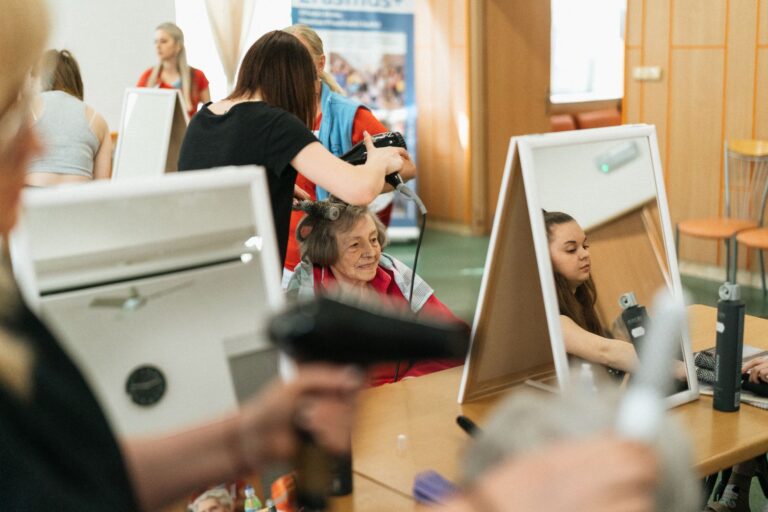
The 2026 NIA dementia-care priorities focus on cost and quality-of-life effects, scalable community programs, better data and coordination, fair access, and staying home. For working caregivers, the practical response is to check local adult day services, supervised daytime programs with social activities, meals, and personal care.
That check centers on safety, dementia-trained staff, daily routine, and a short trial. Work pressure is central because dementia will cost the United States $818 billion in 2026, with about 5.2 million people in prime working years providing 6.8 billion unpaid hours valued at $237 billion, according to the USC Schaeffer Center analysis. The Alzheimer's Association reports nearly 13 million Americans provide unpaid care for Alzheimer's or other dementias, and 59% report high to very high emotional stress.
Medical information disclaimer: This article is for general educational purposes only and does not provide medical advice, diagnosis, or treatment. Always consult a physician or other qualified health professional about symptoms, medications, tests, or treatment decisions.
Table of Contents
- What did the 2026 summit emphasize?
- What do adult day programs do during work hours?
- What should you check on a visit?
- How do you judge fit after a trial?
What did the 2026 summit emphasize?
The National Institute on Aging held a virtual Dementia Care and Caregiving Research Summit on March 17-19 with researchers, people with dementia, care partners, providers, community groups, and federal partners, according to the ARCH summit summary. Its priorities included economic and quality-of-life impacts, rigorous scalable interventions with community partners, and stronger data infrastructure and care coordination. The same summary lists equitable diagnosis and treatment access and remaining at home as priorities.
For employed family members, remaining at home depends on daytime coverage that protects earnings, sleep, and health. The National Adult Day Services Association says programs must document effectiveness and value. With Collabrios it launched a member outcomes and data-collection project using standardized measures.
What do adult day programs do during work hours?
Adult day centers let people with dementia socialize and join activities safely while working caregivers get help balancing a job, according to the Alzheimer's Association adult day page. The same source notes time to rest and run errands. That daytime break can change evenings.
On days relatives attended adult day, caregivers in a Penn State study reported less stress while relatives showed fewer evening behavior problems and better sleep, as described in the AdultDayCareCenters.org family guide. The limit is fit. A program helps only when the person attends regularly, accepts the routine, and receives needed personal care.
What should you check on a visit?
Look for secured exits that prevent unsafe wandering. Watch whether staff have dementia training and speak calmly, offer clear cues, and manage personal needs with dignity.
Ask about steady routine and toileting help. Notice meals, activity options, rest areas, medication practices, and how staff handle confusion or agitation. Use this short scan: The AdultDayCareCenters.org family guide lists secured exits, dementia-trained staff, steady routine, and toileting help as working-caregiver checks.
- Secured exits and safe indoor and outdoor areas
- Dementia-trained staff and stable daily routine
- Toileting help, meals, medications, and family communication
- Activity match for ability, language, and interests
How do you judge fit after a trial?
Do not judge from one day. Adjustment takes repetition, especially with memory loss, new faces, and new transport. Try attendance at least twice weekly for a month before judging fit, as the same family guide advises.
Track work interruptions, evening mood, sleep, appetite, hygiene, falls, and willingness to return. Ask the center what it measures. Standardized outcome tracking makes it easier to compare programs and discuss changes with health providers. Try attendance at least twice weekly for a month, then keep, adjust, or change the placement.
You Might Also Like
- Early Dementia Diagnosis Economics in the 2026 NIA Report: What Working Dementia Caregivers Can Check in Their Community
- Community-Academic Dementia Partnerships in the 2026 NIA Report: What Working Dementia Caregivers Can Check in Their Community
- Home-Based Dementia Care Research Priorities in 2026: What Long-Distance Caregivers Can Check in Their Community