The 2026 LiBBY findings do not change care yet for spouses and partners because safety questions remain unresolved. The results apply only to late-stage, hospice-eligible patients treated under close supervision, not to home use.
LiBBY stands for Life's End Benefits of cannaBidiol and tetrahYdrocannabinol. It was a 12-week Phase 2 trial in 120 people with dementia and serious agitation. The Alzheimer's Association/AAIC first reported results July 14, 2026 at AAIC in London in its AAIC announcement.
Medical information disclaimer: This article is for general educational purposes only and does not provide medical advice, diagnosis, or treatment. Always consult a physician or other qualified health professional about symptoms, medications, tests, or treatment decisions.
Table of Contents
- What LiBBY actually tested
- How much did agitation change?
- Why safety questions remain central
- What spouses and partners should do now
What LiBBY actually tested
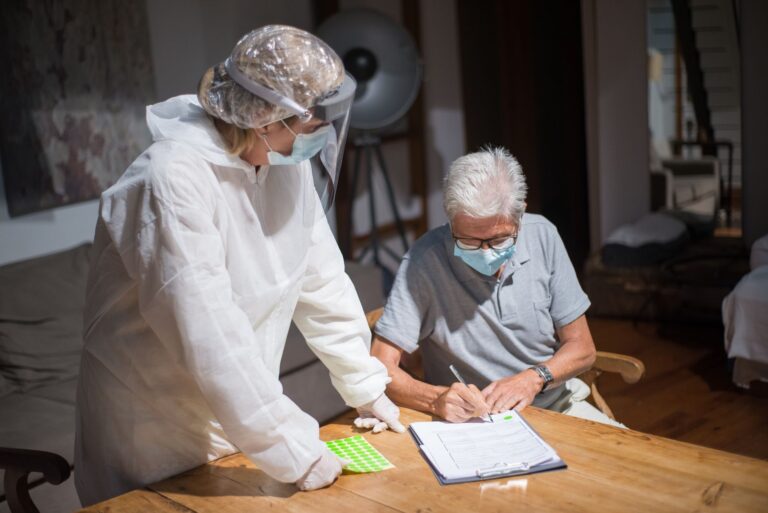
Participants took a supervised oral oil twice daily. It contained 2 mg THC plus 100 mg CBD dissolved in digestible oil, versus placebo, according to Pennington Biomedical Research Center in its trial summary. Testing occurred across 10 U.S.
medical centers with home visits. Enrollment was limited to hospice-eligible people with clinically significant agitation. The NIH National Institute on Aging funded the trial and its open-label extension.
How much did agitation change?
Active treatment produced larger reductions on the Cohen-Mansfield Agitation Inventory. That scale rates behaviors such as restlessness, shouting, and physical aggression. The added reduction versus placebo was 6.27 points by week 2 and 8.23 points by week 12, according to Neuroscience News in its trial report.
Clinician-rated global improvement was also higher with THC/CBD. Rates were 83.9% versus 30.5% at week 2. By week 12, rates were 87.2% versus 23.6%.
Why safety questions remain central
Overall adverse events were similar between groups, at 46.7% with treatment versus 42.4% with placebo. Serious adverse events were higher with treatment, at 23.3% versus 11.9%, and deaths were higher, at 13.1% versus 5.1%, according to The Educated Patient in its safety summary.
Investigators judged none of the deaths drug-related and found no pattern in causes. That distinction matters because hospice-eligible patients already face high medical risk. A supervised trial cannot separate drug effects from background illness without further study.
What spouses and partners should do now
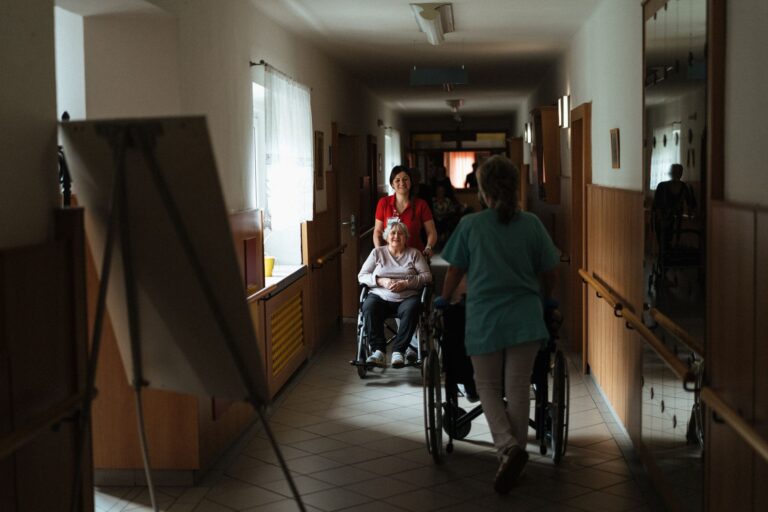
The AAIC announcement limits the findings to late-stage patients under trial supervision. The results do not establish safety or efficacy for home use, early dementia, or store-bought cannabis. Care should not change without the hospice or prescribing team.
- Do not start, change, or stop any cannabis product at home
- Track agitation triggers, timing, sleep, pain, and current medicines
- Ask the hospice team what options fit this stage of illness
- Bring a list of current medicines and recent agitation episodes to that visit
You Might Also Like
- LiBBY Trial Findings for Late-Stage Dementia Agitation in 2026: Why the Findings May Not Change Care Yet for Spouses and Partners
- p-tau217 Findings a Decade Before Alzheimer’s Symptoms in 2026: Why the Findings May Not Change Care Yet for Spouses and Partners
- UAS-CLEAR Dementia Care Research Data Priorities in 2026: Why the Findings May Not Change Care Yet for Adult Children