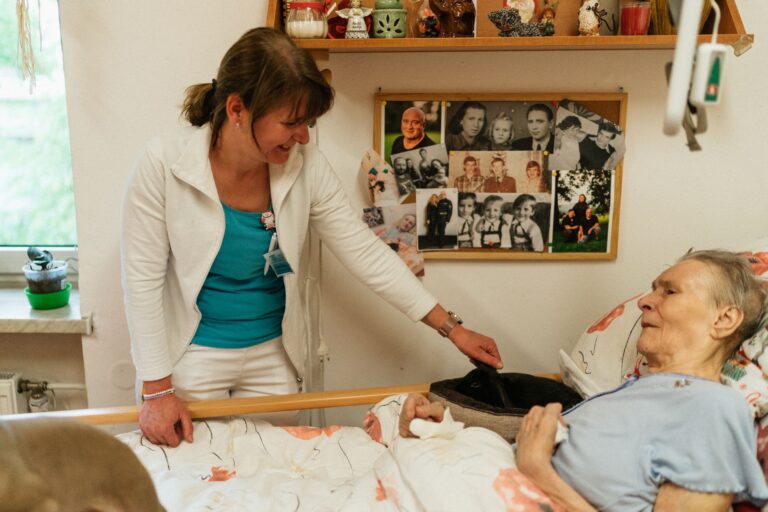
When a public figure announces an Alzheimer’s diagnosis, it typically raises important questions about what the disease actually is and what it means for patients facing their own diagnosis. Alzheimer’s disease is a progressive neurodegenerative disorder that destroys memory and cognitive abilities over time, and it accounts for 60 to 80 percent of dementia cases. When celebrities bring attention to this condition, many people hear about it for the first time or begin to question what they thought they knew—and for patients and families navigating a recent diagnosis, these announcements often serve as a starting point for understanding their own situation.
The key distinction most people miss is that a public announcement does not change the disease itself, but it can illuminate how variable the experience of living with Alzheimer’s truly is. Every person’s disease course differs based on genetics, age at diagnosis, overall health, and access to care. Understanding what an Alzheimer’s diagnosis actually means—separate from media narratives or celebrity stories—is essential for anyone facing this diagnosis themselves.
Table of Contents
- What Alzheimer’s Disease Really Is Beyond the Headlines
- The Progressive Nature of Alzheimer’s and What to Expect
- How Public Announcements Shape Patient and Family Perspectives
- The Difference Between Diagnosis and Daily Reality
- Neuropsychiatric Changes and the Invisible Struggles
- The Role of Family Caregivers and Formal Support
- Planning and Action Steps After Diagnosis
- Frequently Asked Questions
What Alzheimer’s Disease Really Is Beyond the Headlines
alzheimer‘s disease is defined by specific pathological changes in the brain: the accumulation of amyloid plaques and tau tangles that damage and kill brain cells. This biological process typically begins years or even decades before any cognitive symptoms appear, a phase researchers call preclinical Alzheimer’s. When someone announces their diagnosis publicly, they are describing a condition that has already caused significant neural damage, not something that developed overnight. The most common misunderstanding is that Alzheimer’s equals immediate severe memory loss. In reality, early-stage Alzheimer’s often presents subtly—a person might struggle to find words, have difficulty managing finances, or need reminders about recent conversations. A retired architect might struggle to organize household projects; a former teacher might repeat questions or lose track of complex instructions.
These early signs can easily be dismissed as normal aging, which is why many people aren’t diagnosed until cognitive changes become undeniable. This gap between symptom onset and diagnosis can stretch months or even years. Another crucial fact: Alzheimer’s is not the same as normal aging. While some memory changes are part of getting older, Alzheimer’s is a disease that accelerates cognitive decline beyond what aging alone would cause. The average person lives 4 to 8 years after diagnosis, though some live 20 years or longer. This variability means that a public figure’s experience with the disease—however visible or private their progression becomes—may look completely different from another patient’s journey.
The Progressive Nature of Alzheimer’s and What to Expect
Alzheimer’s progresses through three generally recognized stages: mild (early), moderate (middle), and severe (late). Each stage brings different challenges and timelines that can last anywhere from 2 to 10 years depending on the individual. Many people focus on late-stage Alzheimer’s because it is the most visibly disabling, but patients and families need to understand all three stages to plan appropriately. In the mild stage, a person typically retains independence for daily tasks but may struggle with complex activities, scheduling, or managing medications. They might become frustrated by cognitive changes or withdraw socially because they are aware of their difficulties. This stage often represents the best window for making medical decisions, establishing care plans, and discussing future preferences while the person still has full capacity to participate in those decisions.
A limitation of celebrity announcements is that they rarely capture this stage—the public typically only hears about diagnoses when they become more obvious, missing the years when early intervention is possible. The moderate stage brings more noticeable memory loss, confusion about time and place, behavioral changes, and increased need for assistance. A person might wander, experience paranoia, or struggle to recognize family members. This stage is typically the longest and can be the most demanding for caregivers. By the severe stage, the person requires 24-hour care, loses the ability to communicate, and experiences physical decline. Understanding this progression helps patients and families set realistic expectations and plan for changing needs rather than being shocked by each new symptom.
How Public Announcements Shape Patient and Family Perspectives
When someone in the public eye announces an Alzheimer’s diagnosis, it often becomes a mirror for how people view the disease. For some patients and families, seeing a respected figure openly discuss Alzheimer’s reduces stigma and encourages them to seek diagnosis or treatment rather than hiding symptoms. For others, media coverage can create unrealistic expectations about disease progression or available treatments based on one person’s experience. A patient might read about a celebrity’s announcement and think, “If they can still appear in public, my relative should be able to do the same,” without understanding that progression varies enormously.
Someone diagnosed at 60 with early-stage Alzheimer’s may progress more slowly than someone diagnosed at 75, and one person’s access to care, support systems, and medical options may be entirely different from another’s. Public figures often have resources for clinical trials, specialized care, and round-the-clock support that most patients do not have access to, which can create a misleading picture of what “living with Alzheimer’s” looks like. Media attention can also lead to a surge in interest in Alzheimer’s research and funding, which benefits all patients long-term. Conversations sparked by high-profile announcements have led to increased awareness about the importance of cognitive screening, earlier diagnosis, and the value of support services. However, the same attention can oversimplify the disease or focus on the emotional elements of a story rather than the medical facts patients and families need.
The Difference Between Diagnosis and Daily Reality
Receiving an Alzheimer’s diagnosis is psychologically significant, but it is also just the beginning of understanding what that diagnosis means for daily life. A diagnosis confirms that cognitive changes have a medical cause, which can provide both relief and grief—relief that the changes are explained, grief that the explanation is a progressive disease. However, the day after diagnosis, the person’s actual cognitive abilities have not changed from the day before. For patients who are still in early stages, life can continue relatively normally for months or years with appropriate adaptations and support. Some people continue working, traveling, socializing, and managing their own affairs for years after diagnosis. Others decline more quickly.
This is where the individual nature of the disease becomes critical: two people with the same diagnosis date can have completely different functional abilities even a year later. A key limitation of celebrity narratives is that they often compress or dramatize this timeline for storytelling purposes. Medical management after diagnosis involves treating symptoms and potentially slowing progression. Medications like donepezil, rivastigmine, and galantamine can temporarily help some people maintain cognitive function. Newer monoclonal antibodies targeting amyloid accumulation (like aducanumab or lecanemab) have shown promise in slowing decline in early stages, though they require regular infusions and monitoring. Behavioral interventions—cognitive stimulation, physical exercise, sleep optimization, social engagement—support brain health across all stages. None of these interventions stops the disease, but they can affect quality of life and rate of progression.
Neuropsychiatric Changes and the Invisible Struggles
One aspect of Alzheimer’s that receives far less public attention than memory loss is the neuropsychiatric component: changes in personality, mood, and behavior. A person might become apathetic, aggressive, suspicious, or emotionally volatile. These changes arise from the disease’s effects on brain regions that regulate emotion and impulse control, not from the person’s character or intentions. A spouse might experience a profound loss when their partner becomes someone they no longer recognize emotionally, even while that person is still physically present. These behavioral symptoms often cause more caregiver distress than memory loss itself. Aggression, paranoia, or accusations can be devastating for family members who are trying their best to provide care. Medication can sometimes help manage severe behavioral symptoms, but not all behaviors respond to treatment, and sedating medications carry risks in older adults.
This reality creates a significant gap between public perception of Alzheimer’s and what families actually experience day to day. A warning here is crucial: behavioral symptoms are part of the disease process, not a sign that the person is ungrateful or that the caregiver has failed. Mood disorders also frequently accompany Alzheimer’s, including depression, anxiety, and apathy. These conditions are treatable and should not be dismissed as an inevitable part of the disease. A person with early-stage Alzheimer’s who becomes withdrawn may benefit from antidepressant medication, increased social activity, or therapy. However, many patients do not receive treatment for these concurrent conditions because depression or anxiety gets attributed solely to the dementia diagnosis. Recognizing and treating these overlapping conditions is a practical way to maintain quality of life in early and moderate stages.
The Role of Family Caregivers and Formal Support
When someone is diagnosed with Alzheimer’s, the diagnosis does not apply only to the patient—it reshapes the lives of spouses, adult children, and others in the caregiving role. Family caregivers provide unpaid care that would cost tens of thousands of dollars annually if purchased as a service. This caregiving often requires learning medical skills, managing medications, handling financial and legal affairs, and providing physical assistance—all while managing their own grief and stress. Caregiver burnout is a measurable health risk.
Studies show that Alzheimer’s caregivers have higher rates of depression, hypertension, and weakened immune function compared to non-caregivers. This is not a weakness or a failure—it is a consequence of providing sustained, often intensive care without adequate respite or support. Respite care, support groups (online and in-person), counseling, and day programs for the person with Alzheimer’s can significantly reduce caregiver stress. However, accessing these services often requires navigating complex insurance coverage, availability, and cost. Many communities have serious gaps in support services, leaving families isolated and overwhelmed.
Planning and Action Steps After Diagnosis
An Alzheimer’s diagnosis requires concrete action steps that should begin soon after diagnosis while the person has the mental capacity to participate in decision-making. These include establishing healthcare directives, naming a healthcare power of attorney, discussing long-term care preferences, reviewing insurance coverage (Medicare, Medicaid, long-term care insurance), and organizing financial and legal documents. Many families delay these conversations because they feel overwhelming or emotionally difficult, but each month that passes is an opportunity lost if the person’s cognitive decline accelerates. Seeking out evidence-based interventions early makes a measurable difference.
Clinical trials, structured cognitive rehabilitation programs, cardiac risk factor management, and lifestyle interventions (particularly physical exercise and cognitive engagement) can support brain health. Joining a support group—whether a caregiver group or a patient group for those in early stages—connects people with others navigating the same journey and provides practical strategies. The Alzheimer’s Association, regional dementia societies, and many medical centers offer these resources at no or low cost. Early engagement with these resources while a person is still in early stages provides the foundation for better management as the disease progresses.
Frequently Asked Questions
How quickly does Alzheimer’s progress?
Alzheimer’s progresses differently for each person. Some people decline over 4 years; others live 20 years with the disease. Age at diagnosis, genetics, overall health, and engagement in cognitive and physical activity all influence progression speed.
Can Alzheimer’s be prevented or cured?
There is no cure currently, and prevention strategies are not guaranteed, though a healthy lifestyle (exercise, cognitive engagement, heart health, sleep, social connection) supports brain health. Some newer medications can slow cognitive decline in early stages but do not stop the disease.
Does everyone with Alzheimer’s lose memory first?
Memory loss is common but not always the first symptom. Some people first notice language difficulties, problems with planning or organization, or changes in mood or behavior. Early symptoms vary by individual and where the disease first takes hold in the brain.
Can a person with Alzheimer’s live alone?
In early stages, many people live independently with some support systems in place. As the disease progresses, most people require increasing supervision and assistance. The person’s specific level of impairment, available supports, and judgment about safety determine when living alone is no longer safe.
How much does Alzheimer’s care cost?
Costs vary widely but average $4,500 to $8,000 monthly for assisted living or facility care, and more for memory care units. Home care can cost $15,000 to $25,000 monthly for full-time help. Medicare covers some costs; Medicaid can cover others if assets are limited. Many families carry significant financial burden.
Where can I find support and resources?
The Alzheimer’s Association (1-800-272-3900), local Area Agencies on Aging, Alzheimer’s disease research centers affiliated with medical schools, and disease-specific nonprofit organizations all offer information, support groups, and practical resources at little or no cost.