Yes, a spouse with dementia may stop showing affection because the disease changes emotion, empathy, and behavior. You can find emotional support through counseling, peer groups, respite care, and adapted forms of closeness. Dementia means a progressive decline in memory, thinking, and daily function. As it advances, a partner may seem distant, flat, or uninterested even when love remains.
Medical information disclaimer: This article is for general educational purposes only and does not provide medical advice, diagnosis, or treatment. Always consult a physician or other qualified health professional about symptoms, medications, tests, or treatment decisions.
Table of Contents
- Why does affection fade?
- Why does this loss hurt so much?
- How can you stay connected in new ways?
- Where can you find emotional support?
Why does affection fade?
The Alzheimer's Association states that cognitive decline can end prior emotional and physical intimacy, with shifts in sexual drive on both sides tied to caregiving strain and role change, described in the Alzheimer's Association guide to relationship changes. A husband or wife may no longer initiate kisses, cuddling, or sex. The change reflects illness, not rejection.
The World Health Organization states that progressing dementia can bring apathy, depression, anxiety, withdrawal, suspicion, and poor judgment that reduce affectionate response, noted in the World Health Organization information for caregivers. In frontotemporal dementia, loss of empathy and interpersonal sensitivity is especially common. A spouse may stare blankly, turn away, or react coldly to touch.
Why does this loss hurt so much?
Research on Alzheimer's and frontotemporal dementia couples found lower relationship satisfaction and less emotional and physical intimacy, while agitation, apathy, and loss of insight raised caregiver burden. The healthy spouse often grieves a living partner. Daily reminders — an empty chair at the table, an unreturned hug — keep the grief fresh.
Spouse caregivers also report less enjoyment of life while watching decline. Support groups help by normalizing grief, loss of intimacy, and emotional strain. Hearing that others feel lonely, guilty, or angry can reduce shame.
How can you stay connected in new ways?
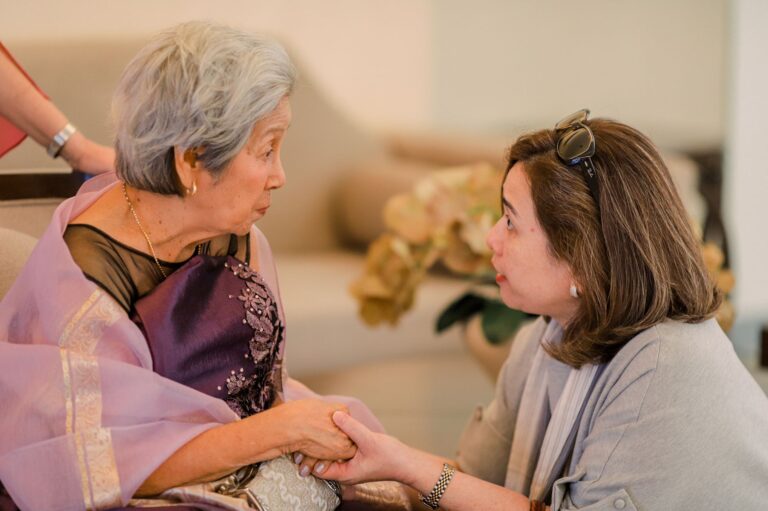
Dementia guidance recommends replacing prior sexual intimacy with other affection such as hand-holding, hugging, massage, and private time together. Short, calm contact often works better than long embraces. Sit side by side, hold hands during television, or offer a brief shoulder rub before bed.
Watch for cues about comfort. Some people accept touch in the morning but resist it when tired. Others prefer familiar music, photos, or a walk together over physical closeness. Adjust the routine, keep visits brief when agitation rises, and seek counseling when grief blocks connection.
Where can you find emotional support?
The National Institute on Aging advises caregivers to use respite care, join support groups, see their own clinicians about mental-health concerns, and contact its ADEAR Center for referrals and free publications, as outlined in the National Institute on Aging guide for caregivers. Respite provides short breaks for rest, errands, or counseling.
A support group offers practical ideas and steady contact. The Alzheimer's Association operates a free 24/7 Helpline at 800-272-3900 with specialists and master's-level clinicians for information, crisis help, referrals, and emotional support. Save the number where you can reach it quickly.
- Ask your clinician for a counselor experienced with dementia caregivers
- Join an in-person or online spouse caregiver group
- Schedule regular respite, even for a few hours weekly
- Keep one trusted friend or family member updated on your needs