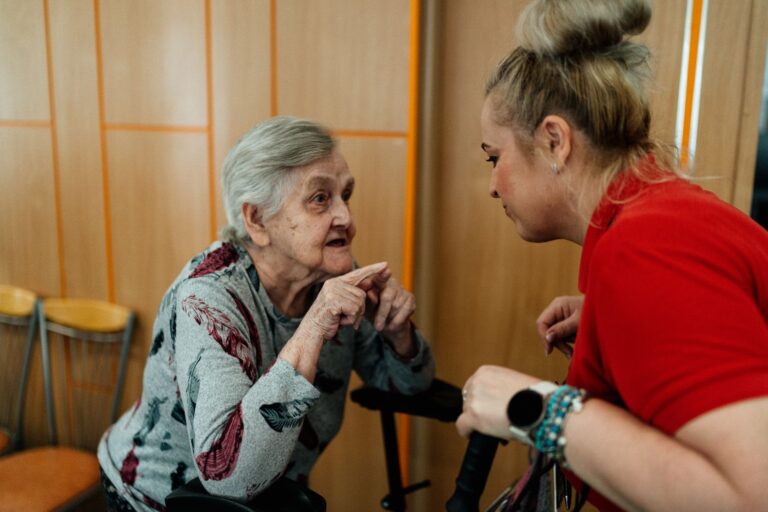
Grief before death is common in dementia and has a name: ambiguous loss. Ambiguous loss means your person is still physically present but feels psychologically absent. Alzheimer's Society UK describes anticipatory grief as grieving future losses ahead of death. It describes dementia grief as ongoing grief that starts at diagnosis and continues through changes in memory, function, and relationship.
Medical information disclaimer: This article is for general educational purposes only and does not provide medical advice, diagnosis, or treatment. Always consult a physician or other qualified health professional about symptoms, medications, tests, or treatment decisions.
Table of Contents
- Why does dementia grief feel unresolved?
- How common is grief before death?
- Why does early grief matter later?
- How can families live with ambiguous loss?
- Where can families get help now?
Why does dementia grief feel unresolved?
Family therapist Pauline Boss coined the term in the 1970s while studying military families with a member missing in action. Ohio State University Live Healthy Live Well traces this history in its explainer on ambiguous loss. She used it for loss without closure.
Dementia experts now use it when a loved one is present in body but changed in mind and connection. Your husband may sit beside you yet not know your name. Your mother may still smile yet need help eating and dressing. Love and loss exist at the same time, so grief has no clear endpoint.
How common is grief before death?
Reviews estimate anticipatory or pre-death grief in 47% to 71% of informal dementia caregivers. A 2024 four-year study found 35% reported high anticipatory grief at least once, according to the MDPI review in its 2025 validation review. Risk rises for spouses and for caregivers supporting moderate-to-severe dementia. Grief also runs higher when the person lives in a care home.
It rises with greater burden and depression, according to a review abstract indexed in Medscape and Medline and shown in its January 2022 abstract. These numbers need care. The National Elf Service summary of Chan and colleagues notes the studies were poor quality and used different grief, burden, and depression scales. Grief, burden, and clinical depression are not the same measure.
Why does early grief matter later?
High grief, burden, and depressive symptoms before death raise risk for complicated grief after death. The MDPI Behavioral Sciences review estimates complicated grief in about 20% of dementia caregivers. Post-death studies find about 6% to 26% meet criteria for complicated grief.
Complicated grief means intense, lasting grief that blocks daily life. Early strain does not guarantee later illness, but it signals need for support now. Help before death can protect health during caregiving and bereavement.
How can families live with ambiguous loss?
The Duke Dementia Family Support Program summarizes Boss's resilience approach in its June 2021 Caregiver Connections issue. The goal is not closure.
The goal is learning to carry both love and loss. Both-and thinking lowers blame. A daughter can love shared meals while grieving lost talks, then plan shorter visits with familiar food.
- Name it as ambiguous loss when sadness surges.
- Use both-and thinking: she is here and not here.
- Adjust expectations as abilities change.
- Keep simple rituals like music, walks, or prayer.
- Seek support instead of solving grief alone.
Where can families get help now?
Start with caregiver grief-and-loss resources from the Alzheimer's Association. For local referrals and education, contact the National Institute on Aging Information Center at 800-222-2225. NIH MedlinePlus Magazine lists this contact in its Caregiving 101 resource guide.
Call during the day with diagnosis, town, and needs ready. Ask for a caregiver support group, counseling, and respite options. Keep the numbers by the phone for the whole family.