Not everyone with Parkinson’s disease develops the characteristic tremor that most people associate with the condition. In fact, 25-30% of patients present with what clinicians call an akinetic-rigid form of Parkinson’s””a presentation dominated by stiffness, slowness, and critically, a vulnerability to falls and injuries rather than shaking hands. For these individuals, the path to diagnosis often winds through emergency rooms and orthopedic clinics before anyone thinks to consult a neurologist. One physician who spent 32 years treating Parkinson’s patients described his own journey to diagnosis this way: he fell while wading into the sea at ankle-to-knee depth and could not explain why. No tremor announced his condition””just an inexplicable collapse in shallow water.
This distinction matters enormously for families and caregivers who may be watching for the wrong signs. The historical term “shaking palsy” was rejected by Jean-Martin Charcot, the neurologist who coined the name “Parkinson’s disease,” precisely because he recognized that tremor is not universal to the condition. This article explores why some Parkinson’s journeys are marked primarily by injuries, how falls become a defining feature of the disease for many patients, and what families can do to recognize and respond to this less-discussed presentation. We will examine the statistics behind fall risk, the biomechanics of Parkinson’s-related instability, and practical strategies for injury prevention. Understanding this variation in presentation can mean the difference between early intervention and years of misdiagnosis. When we expand our mental image of what Parkinson’s looks like, we create space for earlier detection and better outcomes.
Table of Contents
- Why Do Some Parkinson’s Patients Experience Falls and Injuries Instead of Tremor?
- The Alarming Statistics Behind Parkinson’s-Related Falls
- A Neurologist’s Own Unexpected Diagnosis
- Practical Strategies for Recognizing Non-Tremor Parkinson’s
- The Limitations of Current Diagnostic Approaches
- The Parkinson’s Foundation Perspective on Individual Variation
- Looking Toward Earlier Detection and Better Outcomes
- Conclusion
Why Do Some Parkinson’s Patients Experience Falls and Injuries Instead of Tremor?
The four cardinal motor signs of Parkinson’s disease are tremor, bradykinesia (slowness of movement), rigidity, and postural instability. While tremor appears in 70-75% of patients, the remaining quarter to third of patients may present primarily with the other three symptoms. Postural instability, in particular, creates a cascade of problems that manifest as recurrent falls, unexplained injuries, and a gradual loss of confidence in one’s own body. The biomechanics of Parkinson’s-related falls differ from ordinary stumbles. Eric Simmons, whose story was documented by Atrium Health, described experiencing “stutter steps” where his body moved faster than his feet could keep up.
This phenomenon, sometimes called festination, occurs when the brain’s signals for movement become desynchronized. The torso lurches forward while the feet lag behind, creating a dangerous forward momentum that the person cannot correct. Simmons managed to avoid falls, but many others are not so fortunate. Compare this to the tremor-dominant presentation, where shaking hands might be the first noticeable symptom but balance often remains relatively preserved in the early years. The akinetic-rigid subtype tends to progress differently, with mobility challenges emerging earlier and more prominently. This is not simply a matter of disease severity””it represents a genuinely different clinical picture that requires different monitoring and intervention strategies.

The Alarming Statistics Behind Parkinson’s-Related Falls
The numbers paint a sobering picture. The incidence rate of falls among Parkinson’s patients ranges from 45% to 68%””approximately three times the rate seen in healthy individuals of the same age. More troubling still, half of these falls result in serious secondary injuries, including fractures, head trauma, and soft tissue damage that can permanently reduce mobility and independence. These statistics carry particular weight when we consider their compounding nature. A single fall often triggers a fear of falling, which leads to reduced physical activity, which accelerates muscle weakness and deconditioning, which in turn increases fall risk further.
This vicious cycle can transform a mobile, independent person into someone housebound within months. The injury itself may heal, but the psychological aftermath often lingers. However, if the falls are recognized as Parkinson’s-related rather than attributed to aging, clumsiness, or environmental factors, intervention becomes possible. Physical therapy specifically designed for Parkinson’s patients, medication adjustments, and home modifications can all reduce fall frequency. The critical variable is recognition””understanding that unexplained falls in an older adult warrant neurological evaluation, even in the absence of tremor.
A Neurologist’s Own Unexpected Diagnosis
The published account of a neurologist with 32 years of experience treating Parkinson’s patients offers a particularly instructive window into how this disease can announce itself through injuries rather than tremor. Despite his expertise, his own symptoms initially puzzled him. The fall in the sea””collapsing in water barely reaching his knees, with no obvious cause””became a pivotal moment in recognizing that something was neurologically wrong. This case illustrates a broader truth: medical knowledge does not immunize against delayed self-diagnosis. The neurologist had spent decades observing tremor as a presenting symptom in his patients.
When his own body betrayed him through postural instability rather than shaking, the pattern did not immediately register. His account, published in the medical literature, serves as both a clinical teaching tool and a reminder that Parkinson’s disease does not read textbooks before presenting itself. For families, this story carries an important lesson. If a neurologist with three decades of Parkinson’s expertise can initially miss the signs in himself, it is entirely understandable that laypeople might not connect unexplained falls to a neurological condition. The solution is not self-blame but education””learning that falls can be a primary symptom, not just a late-stage complication.
Practical Strategies for Recognizing Non-Tremor Parkinson’s
When monitoring an older adult for potential Parkinson’s disease, expanding the checklist beyond tremor can enable earlier detection. Look for changes in gait, including shuffling steps, reduced arm swing on one side, difficulty initiating movement, or freezing episodes where the person seems temporarily stuck in place. Note any pattern of unexplained falls, particularly those that occur during routine activities that previously posed no challenge. The comparison between tremor-dominant and non-tremor presentations also extends to other symptoms. Both subtypes may experience changes in handwriting (micrographia), facial masking where expressions become less animated, and voice changes including softer speech. However, in the akinetic-rigid subtype, these symptoms often appear alongside the mobility issues rather than following them.
A person might simultaneously develop difficulty rising from chairs, smaller handwriting, and a tendency to fall backward””all before any tremor appears, if it ever does. The tradeoff in vigilance is real. Excessive worry about every stumble or slow movement can create unnecessary anxiety, while insufficient attention can delay diagnosis by years. A reasonable middle ground involves noting patterns over time rather than reacting to isolated incidents. Three falls in three months merits medical evaluation. One stumble on an uneven sidewalk does not.
The Limitations of Current Diagnostic Approaches
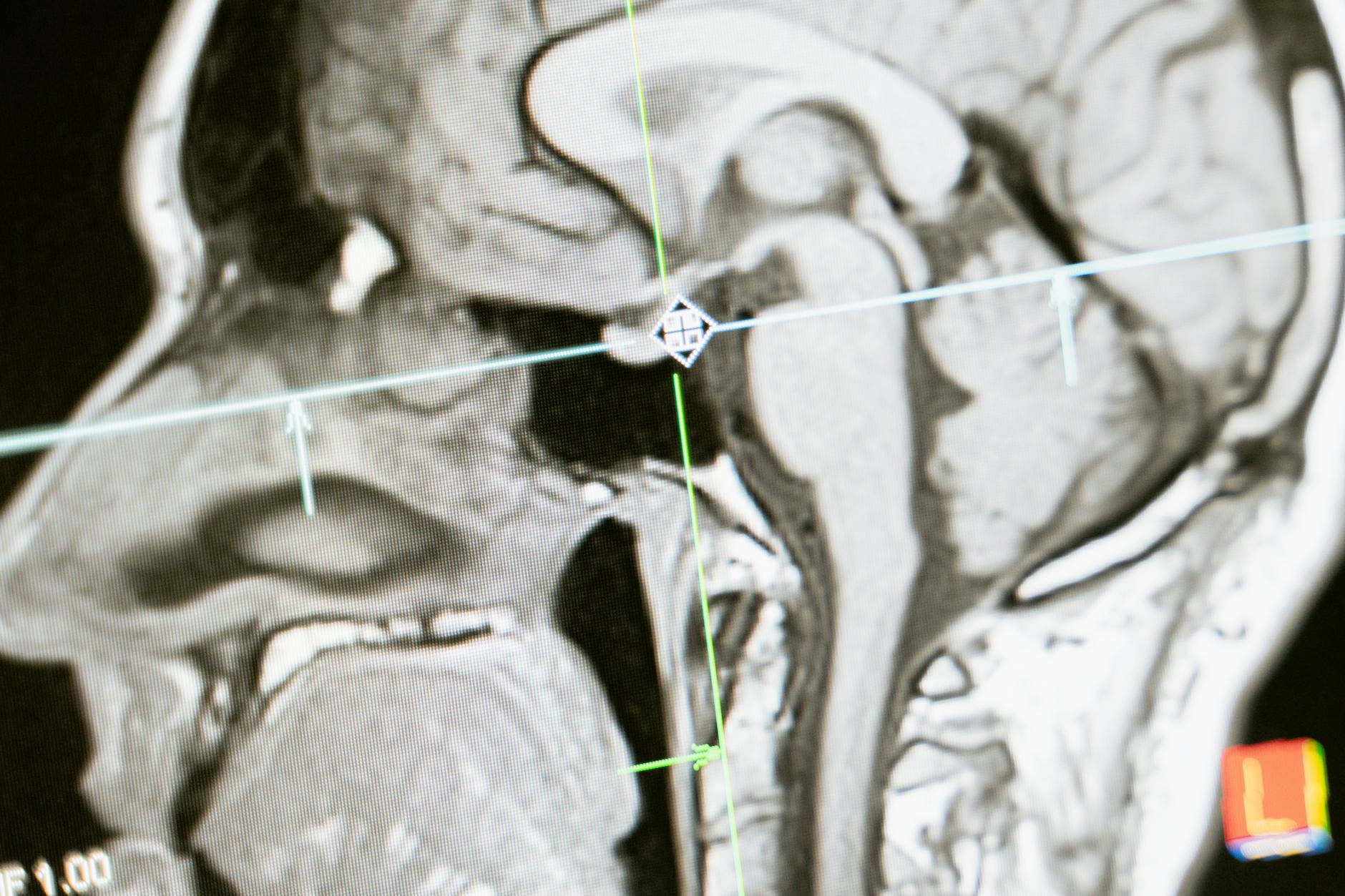
Parkinson’s disease remains a clinical diagnosis, meaning there is no blood test, brain scan, or biomarker that definitively confirms or rules out the condition. Neurologists rely on observing symptoms, tracking their progression, and noting response to medication. This approach works reasonably well when tremor is present””it is distinctive enough that experienced clinicians can identify Parkinsonian tremor with high confidence. But when tremor is absent, the diagnostic picture becomes murkier.
The akinetic-rigid presentation can mimic other conditions, including progressive supranuclear palsy, multiple system atrophy, vascular parkinsonism, and normal pressure hydrocephalus. Each of these conditions has different implications for prognosis and treatment. Misdiagnosis is not rare, and it can lead to inappropriate treatment, inaccurate prognostic counseling, and delayed access to condition-specific resources. A warning for families: if a loved one receives a Parkinson’s diagnosis but does not respond to standard Parkinson’s medications, or if the disease progresses unusually rapidly, seeking a second opinion from a movement disorder specialist is advisable. General neurologists are well-trained, but the nuances of atypical parkinsonian syndromes often require subspecialty expertise.
The Parkinson’s Foundation Perspective on Individual Variation
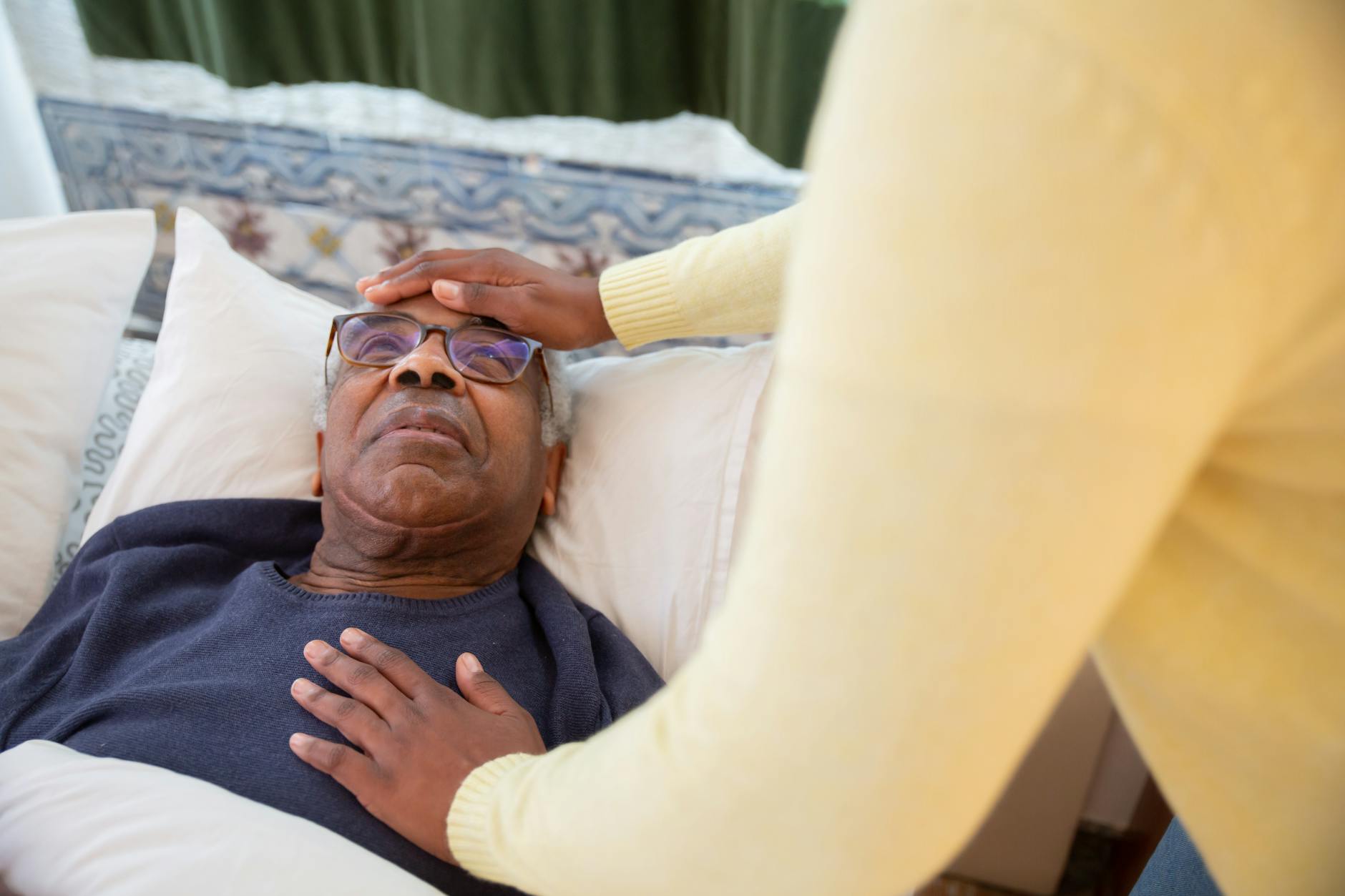
The Parkinson’s Foundation emphasizes that “whether diagnosed at 31 or 72, tremor or no tremor, fast or slow progression… every Parkinson’s disease story is different.” This statement is not merely inspirational messaging””it reflects a genuine clinical reality that has implications for how patients and families approach the disease.
For someone whose journey is marked by injuries rather than tremors, connecting with others who share a similar presentation can provide validation and practical advice. Support groups increasingly recognize the diversity within the Parkinson’s community, and some specifically address the challenges of the akinetic-rigid subtype. Online forums and foundation resources can help families find others navigating the same unusual path.
Looking Toward Earlier Detection and Better Outcomes
Research into Parkinson’s disease biomarkers continues to advance, with some scientists working on identifying the disease through skin biopsies, spinal fluid analysis, or advanced brain imaging. If successful, these approaches could eventually enable diagnosis before significant symptoms appear, potentially allowing for neuroprotective interventions that slow or halt disease progression.
For now, the most practical path to better outcomes remains heightened awareness. When primary care physicians, emergency room doctors, and families understand that Parkinson’s disease can present as recurrent, unexplained falls rather than tremor, the average time to diagnosis should decrease. Earlier diagnosis means earlier access to physical therapy, occupational therapy, medication, and support services””all of which improve quality of life even when they cannot cure the underlying condition.
Conclusion
Parkinson’s disease defies the simplistic image of a trembling hand. For a substantial minority of patients””25-30% by current estimates””the disease announces itself through falls, injuries, and postural instability while tremor remains minimal or absent entirely. Recognizing this variation is essential for families and healthcare providers who might otherwise watch for the wrong signs while the disease progresses undetected.
The path forward involves education, vigilance, and willingness to pursue neurological evaluation when unexplained falls become a pattern. Falls are not an inevitable consequence of aging, and when they occur repeatedly without clear environmental cause, they warrant investigation. For those whose Parkinson’s journey is marked by injuries rather than tremors, early recognition can mean years of better function and preserved independence.