Living with Parkinson’s disease means accepting that life will require continuous adjustment””not as a single dramatic shift, but as an ongoing process of recalibration that touches every aspect of daily existence. Research has identified a three-phase adaptation model showing that patients move through sequential, overlapping phases from health to greater dependence, each demanding new strategies and mindset changes. This journey, while challenging, is one that many people navigate for years or even decades thanks to advances in treatment and evolving understanding of how to live well with a progressive condition. Consider the person who once ran marathons and now finds that an e-bike offers the freedom to explore trails without the exhaustion that walking now brings.
Or the professional who shifts from managing complex projects to breaking tasks into smaller, more manageable steps supported by reminder lists. These aren’t signs of defeat””they represent the practical wisdom that defines successful adaptation. An analysis of 20 studies described Parkinson’s as a “transformative journey” wherein patients use strategies to stabilize their changeable relationship with their external environment while simultaneously redefining their concept of self. This article explores what caution and adaptation actually look like in practice, from the careful diagnostic process to the daily decisions that help maintain quality of life. We’ll examine why clinical caution sometimes creates uncertainty, how patients and families develop effective coping strategies, and what the research reveals about thriving rather than merely surviving with Parkinson’s disease.
Table of Contents
- What Does a Parkinson’s Journey of Adaptation Actually Look Like?
- Why Clinical Caution Creates Both Protection and Frustration
- The Three Phases of Parkinson’s Adaptation
- Practical Strategies That Actually Help
- When Adaptation Strategies Don’t Work
- The Role of Technology and Assistive Devices
- Looking Forward: Living Well Despite Progression
- Conclusion
What Does a Parkinson’s Journey of Adaptation Actually Look Like?
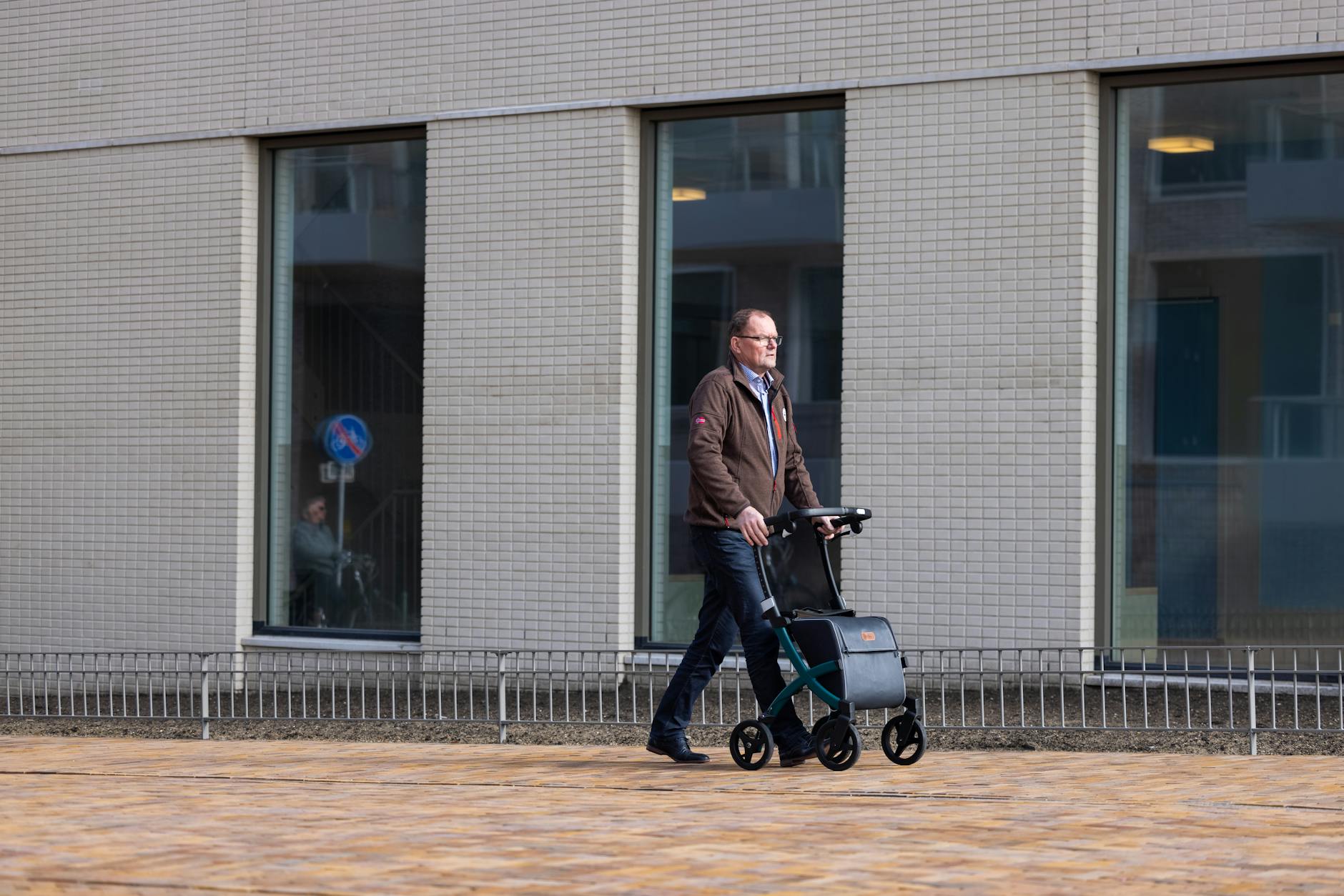
The reality of Parkinson’s adaptation isn’t a single pivot point but rather a constant series of small adjustments. with a progressive condition like Parkinson’s, there is a need for constant adaptation and adjustment to changes in physical and cognitive function and ability. What works this month may need modification next month. The tremor that was barely noticeable last year may now make handwriting difficult, prompting a shift to voice-to-text technology. Physical adjustments represent one visible layer of this adaptation. Some people find that assistive devices like specialized utensils, grab bars, or mobility aids become essential tools rather than symbols of decline.
Emotional adjustments prove equally important””learning to pace activities throughout the day, recognizing when cognitive changes are affecting decision-making, and accepting help without feeling diminished. Many patients describe fatigue as a invisible symptom that requires particular attention, learning to focus on shorter, more manageable activities rather than pushing through exhaustion. The comparison between early and later stages reveals how dramatically these adaptations can shift. Someone newly diagnosed might simply need to allow extra time for morning routines. Years later, the same person might restructure their entire day around medication timing, energy levels, and symptom fluctuations. Neither approach is wrong””each represents appropriate adaptation to current circumstances.

Why Clinical Caution Creates Both Protection and Frustration
Clinicians need to exercise caution in initial diagnosis to avoid incorrect diagnoses, though this creates unsettling uncertainty for patients seeking firm answers. Parkinson’s disease shares symptoms with other neurological conditions, and there’s no single definitive test. A physician who rushes to diagnosis risks setting a patient on an inappropriate treatment path, while one who takes time to observe symptom progression may leave that same patient in anxious limbo for months. This diagnostic caution extends to treatment decisions. Medical editorialists urge caution regarding monoamine oxidase B inhibitors””while beneficial in younger, otherwise healthy patients, their safety in combination and efficacy compared with other first-line drugs has not been definitively proved.
This means that even after diagnosis, the careful calibration continues. Medication regimens require fine-tuning, and what helps one patient may cause intolerable side effects in another. However, if a patient experiences symptoms that progress unusually rapidly or don’t respond to typical Parkinson’s treatments, this clinical caution becomes even more critical. These red flags might indicate a different underlying condition entirely””perhaps multiple system atrophy or progressive supranuclear palsy””where treatment approaches differ significantly. The frustration of waiting for certainty, while real, serves a protective purpose that becomes clearer in retrospect.
The Three Phases of Parkinson’s Adaptation
Research has mapped a three-phase adaptation model that helps explain the trajectory many patients experience. The first phase involves the initial response to diagnosis and early symptoms, where patients begin learning what Parkinson’s means for their particular situation. During this time, many people continue most activities with minor modifications, perhaps avoiding situations that might expose their tremor or adjusting work schedules to accommodate morning stiffness. The second phase typically involves more significant lifestyle changes as symptoms progress. This might mean transitioning from driving to alternative transportation, modifying the home environment for safety, or shifting from full-time work to reduced hours or retirement.
For some patients, this phase brings the most psychological challenge as losses accumulate. Yet it’s also when many people develop the most creative adaptations””finding new activities that work with rather than against their symptoms. The third phase involves greater dependence on others and more substantial accommodations. This doesn’t necessarily mean complete disability; many people in this phase continue to find meaningful engagement and satisfaction. However, it does require accepting help and restructuring expectations. The key insight from research is that these phases overlap and aren’t strictly linear””someone might move between phases depending on medication effectiveness, stress levels, or the particular demands of any given day.

Practical Strategies That Actually Help
Breaking tasks into smaller steps and using reminder lists helps reduce frustration””this finding appears consistently across patient experiences. The cognitive load of remembering sequences, managing timing, and coordinating movements can overwhelm even simple activities. External supports like written checklists, smartphone reminders, and established routines reduce the mental energy required for daily functioning. Recognizing fatigue and focusing on shorter, more manageable activities aids in daily management. This often means choosing between activities rather than trying to maintain everything.
Someone might decide that attending a grandchild’s school play matters more than keeping a spotless house, and structure their limited energy accordingly. These tradeoffs are deeply personal””what one person sacrifices might be another’s priority. The comparison between pushing through symptoms versus pacing activities reveals a consistent pattern: those who learn to work with their body’s signals rather than fighting them often maintain function longer. This doesn’t mean surrendering to limitations, but rather developing what researchers describe as strategies to stabilize the changeable relationship with the external environment. The athlete’s mindset of ignoring pain and pushing harder typically backfires with Parkinson’s, while the wisdom of strategic conservation pays dividends.
When Adaptation Strategies Don’t Work
Not every recommended strategy suits every patient, and recognizing this limitation prevents unnecessary frustration. The person with significant tremor might find that voice-to-text technology creates more errors than it solves. Someone with postural instability might discover that the e-bike others praise actually increases their fall risk. Individual variation in Parkinson’s symptoms means that adaptation must be personalized. A significant warning applies to caregivers and family members who may impose adaptations the person with Parkinson’s doesn’t want or need.
Well-meaning interventions can strip dignity and agency if implemented without the patient’s genuine participation. The research emphasis on patients redefining their concept of self suggests this is deeply personal work that can’t be done to someone but only by them, with support. Some adaptations also carry hidden costs. Reducing social activities to conserve energy may protect physical resources while increasing isolation and depression risk. Relying heavily on a spouse for assistance may strain the relationship in ways that create new problems. Effective adaptation requires ongoing assessment of whether strategies are truly helping or simply shifting burdens from one domain to another.
The Role of Technology and Assistive Devices
Physical adjustments, including using assistive devices like e-bikes, represent one category of adaptation that has expanded significantly in recent years. Modern technology offers tools that earlier generations of Parkinson’s patients couldn’t access””from medication reminder apps to specialized keyboards to wearable devices that can detect falls. These aren’t replacements for human support but valuable supplements.
For example, some people find that switching from traditional cycling to e-bikes extends their ability to enjoy outdoor activity for years beyond what would otherwise be possible. The electric assist compensates for reduced power and endurance while still providing exercise and the psychological benefits of movement in nature. Similar principles apply across activities: the right adaptive equipment can make the difference between participating and watching from the sidelines.
Looking Forward: Living Well Despite Progression
People can live for years or even decades with Parkinson’s disease thanks to advances in treatment and care. This isn’t false optimism but documented reality. While Parkinson’s remains progressive and incurable, the trajectory varies enormously between individuals, and the quality of life achievable within that progression has improved substantially.
The forward-looking perspective that helps many patients involves holding two truths simultaneously: the condition will progress, and meaningful life remains possible. Research on the transformative journey of Parkinson’s emphasizes that patients don’t merely endure their circumstances””many actively reshape their identity, relationships, and priorities in ways they describe as genuinely valuable. The caution that defines clinical care and the adaptation that defines daily life combine to create space for this ongoing work of living.
Conclusion
A Parkinson’s journey defined by caution and adaptation isn’t a metaphor but a literal description of what this condition demands. From the careful diagnostic process that protects against misdiagnosis to the daily decisions about energy management and activity selection, both patients and clinicians navigate terrain that requires constant attention and adjustment. The three-phase model of adaptation helps explain how these demands shift over time, while practical strategies like task breakdown and pacing offer concrete tools for daily management.
What remains consistent throughout is the fundamentally active nature of living well with Parkinson’s. This isn’t a passive experience of decline but an ongoing engagement with changing circumstances. Breaking tasks into smaller steps, recognizing cognitive changes, using appropriate assistive technology, and restructuring expectations aren’t admissions of defeat. They represent the practical wisdom that allows people to maintain quality of life, meaningful relationships, and personal identity across years or decades of living with a progressive condition.