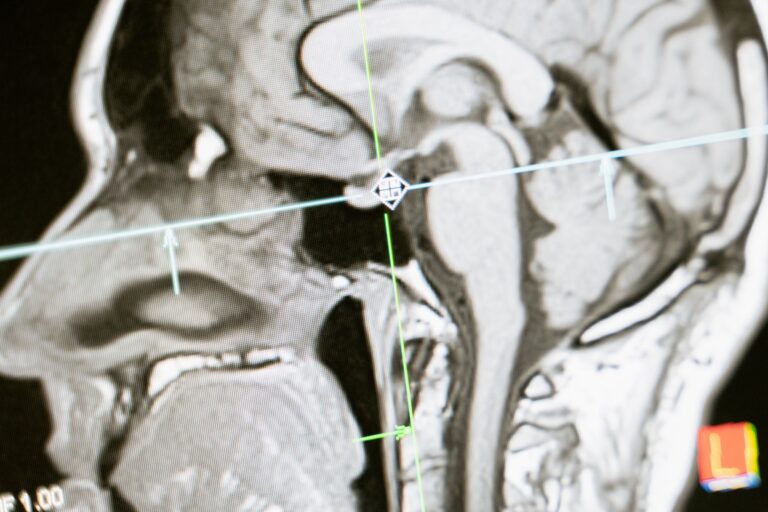
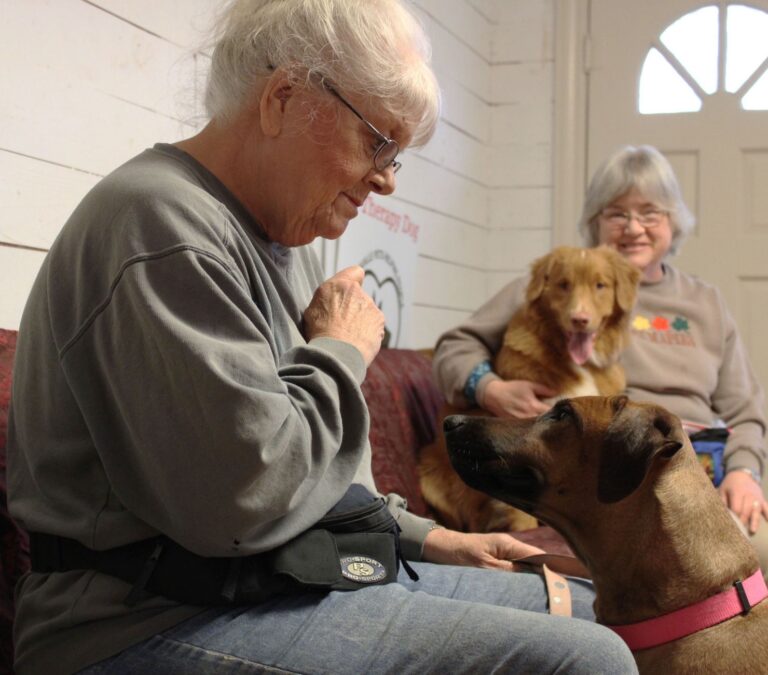
Million federal sits at the center of this dementia and brain health question.
A $2.8 million federal grant from the National Institutes of Health is funding continued research into a promising approach: computerized brain training exercises that have shown the potential to reduce dementia risk by 25 percent. The PACT study (Preventing Alzheimer’s with Cognitive Training), based at the University of South Florida, is testing whether people aged 65 and older can lower their chances of developing dementia by completing about 45 hours of cognitive speed training exercises on a computer at home. This isn’t about vague “brain games” you might find on consumer apps—this is a rigorous clinical trial enrolling 7,600 participants across 10 research sites in the southeastern United States, with results expected to reshape how doctors think about dementia prevention.
The research represents one of the largest federally funded efforts to determine whether cognitive training can meaningfully prevent dementia. Over more than $50 million in cumulative federal funding, researchers are investigating whether these exercises protect brain health over decades. The study is expected to reach completion in January 2028, with final results published by fall 2028. This article explains what the PACT study is, how cognitive speed training works, what participants experience, and what the early findings mean for anyone concerned about brain health as they age.
Table of Contents
- What Is the $2.8 Million Federal Grant Funding?
- How Does Cognitive Speed Training Work, and Who Is Studying It?
- What Do Early Results Show About Dementia Risk Reduction?
- What Does Participation in the PACT Study Involve?
- Are There Limitations or Groups for Whom Training May Not Apply?
- What Does Federal Support Mean for Future Dementia Prevention Options?
- What’s Next for Dementia Prevention Research?
- Conclusion
What Is the $2.8 Million Federal Grant Funding?
The latest $2.8 million grant from the NIH represents continued federal commitment to testing whether cognitive training can be scaled as a practical dementia prevention tool. Rather than funding a single new study, the grant sustains the PACT trial—the largest clinical trial of its kind using brain training to measure dementia risk reduction. Federal support has been substantial: the National Institute on Aging and other NIH divisions have invested more than $50 million across the program’s lifetime, reflecting the government’s recognition that dementia prevention research is a national health priority. The grant was awarded against the backdrop of federal policy support.
In October 2024, Congress signed the NAPA Authorization Act into law, which extends federal coordination of Alzheimer’s and dementia-related programs through 2035. This legislative framework provides the policy foundation for long-term research initiatives like PACT. The timing matters: as dementia diagnoses continue to rise, evidence that a relatively simple, home-based intervention could reduce risk has attracted serious research investment. However, it’s important to note that the grant funds research, not access—the study is recruiting specific participants through research sites, not making the training universally available yet.

How Does Cognitive Speed Training Work, and Who Is Studying It?
The PACT study tests a specific type of cognitive training called speed of processing exercises. These are computerized tasks that ask participants to identify objects or symbols on a screen quickly and accurately. The exercises train the brain’s ability to process visual information and react to it promptly—a cognitive function that naturally declines with age. Participants in the study commit to approximately 45 hours of these exercises completed at home over the three-year study period, which breaks down to roughly 30 minutes per week. The exercises are designed to be challenging but doable for older adults, even those with limited computer experience.
The PACT trial enrolls people aged 65 and older who have no existing signs of cognitive impairment or dementia. Participants come from Duke university, Clemson University, University of Florida, and seven other research sites across the Southeast. The enrollment criteria matter: researchers are not studying whether training can reverse existing memory loss, but rather whether it can prevent dementia from developing in people who still have normal cognition. This distinction is crucial—the study population represents people in the window where prevention might be most effective. A limitation of this approach is that findings won’t directly tell us whether training helps people who already have mild cognitive impairment, a higher-risk group that would need separate investigation.
What Do Early Results Show About Dementia Risk Reduction?
Initial findings from cognitive speed training research have been compelling. Participants who received speed training showed a 25 percent lower dementia risk compared to those who received no training. Even more striking, the protective effects appear to persist for years—research suggests that the benefits of cognitive training may protect against dementia for up to 20 years after the training period ends. This durability is notable because it suggests that investing time in these exercises now could pay brain health dividends decades later.
The mechanism behind this long-term protection isn’t fully understood yet, which represents an honest limitation of current knowledge. researchers theorize that speed of processing training may strengthen neural connections, improve attention networks, or enhance the brain’s ability to compensate for age-related changes. The PACT study, with its large sample size of 7,600 participants and rigorous design, is intended to provide clearer evidence about whether these benefits hold up across diverse populations and how they compare to other approaches. When the study concludes in January 2028, the published results in fall 2028 will offer the most definitive answer to date about whether this type of training is a practical prevention tool worth incorporating into health recommendations.

What Does Participation in the PACT Study Involve?
If someone is eligible for the PACT study, they engage in structured cognitive training delivered through a computer interface. The 45-hour commitment is spread across three years, which is deliberate—the study isn’t testing intensive boot-camp training but rather a sustainable, low-burden intervention that could be incorporated into people’s regular routines. Participants work at their own pace, completing exercises from home, which removes barriers like transportation to a clinic. The computerized format also allows researchers to track exactly how much training each person completes and to adjust difficulty based on performance.
A practical consideration: participants in the control group receive no cognitive training, so the study includes a group that forgoes this potential benefit for three years in the name of research rigor. However, this design is why we can trust the results—without a control group, researchers couldn’t determine whether any benefit comes from the training itself or from other factors like increased social engagement or feeling healthier. The comparison between the training group and the no-training group is what makes the 25 percent relative risk reduction credible. For people interested in cognitive training now rather than waiting for final study results, the existence of this research should increase confidence that the approach has scientific backing, even if evidence is still accumulating.
Are There Limitations or Groups for Whom Training May Not Apply?
Cognitive speed training, like any intervention, has boundaries to its effectiveness. The PACT study enrolls only people aged 65 and older with normal cognition, so we don’t yet know whether the benefits extend to younger adults or to people who already have mild cognitive impairment or early dementia. It’s possible that training works differently—or not at all—in those populations. Additionally, the study focuses on speed of processing training specifically; other types of cognitive training (memory training, reasoning training, or combination approaches) may have different effects. Generalizing from this one type of exercise to all “brain training” would be premature.
Another limitation to consider: the study measures whether training delays dementia diagnosis, not whether it improves quality of life, cognitive reserve, or other outcomes that matter to older adults beyond disease prevention. Someone might complete the training, avoid a dementia diagnosis, and still experience normal aging-related changes in memory or processing speed. Furthermore, the 25 percent relative risk reduction sounds meaningful in statistical terms, but the absolute risk reduction depends on the baseline dementia risk for a given person. Someone at very low risk of dementia might not see much practical benefit, while someone at high genetic risk might benefit significantly. Personalized risk assessment, which the current study doesn’t address, would help people make informed decisions.
What Does Federal Support Mean for Future Dementia Prevention Options?
The $2.8 million grant and broader federal commitment signal that cognitive training is moving from the fringes of health innovation toward mainstream medical consideration. When the PACT results are published in fall 2028, they’re likely to influence clinical guidelines and recommendations from organizations like the Alzheimer’s Association. If the results are positive, we may see cognitive speed training offered more widely—through clinical settings, insurance-covered programs, or digital health platforms. The federal authorization of dementia research through 2035 suggests the government expects ongoing clinical trials and implementation studies.
However, federal funding for research doesn’t automatically translate to access or affordability for the public. Even if cognitive speed training proves effective, questions about who will deliver it, how much it will cost, and whether insurance will cover it remain unanswered. The PACT study itself provides the training free to participants as part of a research study; real-world implementation would require different funding mechanisms. The gap between “research proves this works” and “this is available and affordable for everyone who could benefit” is often vast.
What’s Next for Dementia Prevention Research?
The field of dementia prevention is evolving rapidly beyond cognitive training alone. While the PACT study focuses on one intervention, other research is testing combinations of approaches—cognitive training plus physical exercise, plus Mediterranean diet, plus cognitive stimulation. The future of prevention likely involves integrated strategies tailored to individual risk profiles, genetic backgrounds, and lifestyle factors.
The federal authorization through 2035 suggests major funding will continue for these investigations. As research continues, the message for people concerned about dementia is becoming clearer: there are modifiable factors that appear to influence dementia risk, and cognitive speed training is one of them. The $2.8 million grant and the PACT study represent a substantial scientific effort to test whether this prevention approach is real and practical. By 2028, we should have much better data to guide decisions.
Conclusion
A $2.8 million federal grant is funding the PACT study, the largest clinical trial testing whether computerized cognitive speed training can prevent dementia in older adults. Early research suggests participants who receive training show a 25 percent lower dementia risk, with protective effects potentially lasting up to 20 years. The study enrolls 7,600 people aged 65 and older across 10 research sites in the Southeast and is expected to publish results by fall 2028.
The research represents a significant investment in whether dementia can be prevented through a practical, home-based intervention. While final evidence is still pending, the magnitude of federal support and the scale of the trial reflect serious scientific confidence in the approach. Anyone concerned about brain health as they age, particularly those in their 60s or older, should stay informed about the PACT study results when they’re published. In the interim, other evidence-based approaches to cognitive health—physical exercise, cognitive engagement, Mediterranean diet—continue to show benefits and don’t require waiting for a clinical trial to access.
You Might Also Like
- Scientists Identify Protective Brain Cell Types That Resist Alzheimer’s
- Brief Daily Exercise Routine May Improve Brain Health
- Brain Volume Data Supports Efficacy of Oral Alzheimer’s Drug
For more, see NIH MedlinePlus — cognitive testing.