Yes, brief daily exercise can meaningfully improve brain health, according to recent scientific research. A 10-minute exercise session before learning activities can enhance executive function—your ability to solve problems, focus, and absorb new information.
For someone managing cognitive decline or seeking to protect against dementia, this simple finding offers real hope: you don’t need to spend hours at the gym to see measurable brain benefits. Regular physical activity, even in short bursts, triggers structural and functional changes in the brain that can actually reverse years of age-related decline. This article explores how exercise reshapes your brain, what types of movement work best, and how to build a sustainable routine that fits your life.
Table of Contents
- How Does Brief Exercise Boost Executive Function and Cognitive Performance?
- What Physical Changes Happen in the Brain From Regular Exercise?
- Which Types of Exercise Produce the Greatest Brain Benefits?
- How Much Exercise Does Your Brain Actually Need?
- Does Age Matter? Are There Populations Where Exercise Doesn’t Help?
- How Does Brain Age Compare Between Active and Sedentary People?
- What Does Recent Evidence Say About Exercise as Dementia Prevention?
- Conclusion
How Does Brief Exercise Boost Executive Function and Cognitive Performance?
The immediate cognitive boost from exercise is one of the most compelling findings from recent research. A December 2025 study from Northeastern University demonstrated that just 10 minutes of exercise performed before learning tasks significantly improves executive function—the mental processes that govern problem-solving, decision-making, and the ability to learn new information. For someone dealing with memory concerns or early cognitive changes, this means a short walk or light activity session before attempting a challenging mental task could enhance your performance in that moment.
This isn’t a vague or subtle effect. The brain’s executive function is fundamental to daily independence: it’s what allows you to plan a meal, manage finances, navigate complex conversations, or learn new medication schedules. By engaging in brief movement before these activities, you’re essentially priming your brain’s prefrontal cortex—the region responsible for these higher-order functions. A comparable example: just as athletes warm up before competition to access their peak physical capabilities, your brain performs better cognitively when it’s been activated through movement.

What Physical Changes Happen in the Brain From Regular Exercise?
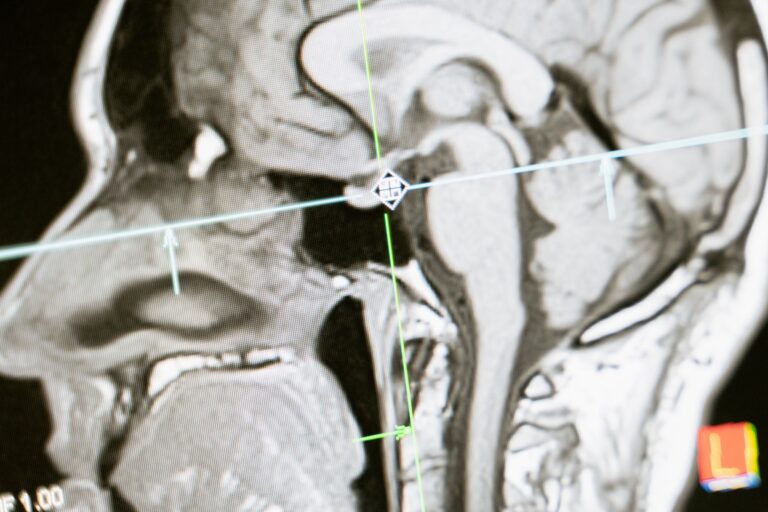
The most striking evidence comes from brain imaging studies that have measured actual structural changes. Adults who performed aerobic exercise for one full year showed brain scans that appeared almost one year younger compared to sedentary peers of the same age. This isn’t metaphorical—exercise increases gray matter volume in specific regions like the cerebellum and temporal lobe, areas critical for memory, balance, and learning. For people concerned about brain aging or dementia risk, this finding is profound: consistent exercise appears to slow or even reverse the brain’s natural aging process at the cellular level. The mechanism involves the hippocampus, a seahorse-shaped brain structure crucial for memory formation.
Research published by the National Institutes of Health demonstrates that 150 minutes of physical activity per week can increase hippocampal volume by approximately 2 percent. That modest-sounding percentage translates to meaningful recovery: it’s equivalent to reversing one to two years of age-related brain decline. For someone in their 60s or 70s experiencing subtle memory changes, this represents the possibility of literally rebuilding brain tissue through movement. However, the benefit isn’t automatic; consistency matters far more than intensity. Sporadic intense exercise won’t produce the same structural changes as regular moderate activity spread throughout the week.
Which Types of Exercise Produce the Greatest Brain Benefits?
The encouraging news is that virtually all forms of physical activity benefit the brain. research from the University of South Australia confirms that walking, cycling, swimming, running, and rowing all improve cognition, memory, and executive function. This matters practically because it means you can choose movement you actually enjoy rather than forcing yourself into an exercise form you hate. A person who loves walking has no reason to force themselves into a gym; a swimmer needn’t take up running.
That said, not all exercise produces identical results. The research identifies an optimal intensity: approximately 3.7 metabolic equivalents (METs) at moderate intensity—roughly equivalent to brisk walking or light cycling where you can talk but not sing. More importantly, combined aerobic and anaerobic exercise (cardio plus strength training) produces more significant cognitive improvements than either form alone. The takeaway: if you’re designing a routine specifically to protect brain health, including both cardiovascular work and some form of resistance training—whether formal weightlifting, bodyweight exercises, or even gardening—will yield better cognitive outcomes than focusing on just one type.

How Much Exercise Does Your Brain Actually Need?
The National Institutes of Health research provides two practical pathways for brain health. The first is 150 minutes of physical activity per week, which can be distributed throughout the week—roughly 30 minutes on five days. The second, equally effective option is one hour of exercise performed two to three times per week. This flexibility matters significantly for adherence.
Someone with joint pain or limited mobility might find three one-hour sessions more manageable than attempting to exercise five days weekly. Conversely, someone with a unpredictable schedule might succeed better with shorter daily bouts. This is not an “all or nothing” equation. The 10-minute cognitive boost mentioned in the Northeastern research means even someone managing illness or physical limitations can still activate executive function benefits through brief activity. The key difference is that brief exercise provides immediate, acute cognitive benefits, while consistent weekly activity over months and years drives the structural brain changes—the gray matter growth and hippocampal expansion that represent genuine age reversal at the tissue level.
Does Age Matter? Are There Populations Where Exercise Doesn’t Help?
The Centers for Disease Control (CDC) confirms that documented cognitive and brain health benefits from exercise apply across all age groups: children, working-age adults, and older adults all show improvements. However, there are important nuances within this universal finding. An older adult with severe arthritis, advanced Parkinson’s disease, or recent cardiac events requires medical supervision and adapted movement—not because exercise won’t help, but because certain forms could create new health risks. The brain benefits are genuine, but they must be accessed safely within medical constraints.
For people with dementia or advanced cognitive decline, the benefits persist, but motivation and safety become practical challenges. Someone with moderate dementia may struggle to initiate or remember to exercise consistently, necessitating caregiver support or structured programs. Additionally, the cognitive improvements from exercise are most preventive—they’re most powerful when applied before significant cognitive loss occurs. This doesn’t render exercise useless for those already experiencing decline, but it reinforces the urgency of beginning a movement routine before memory or thinking problems become pronounced.

How Does Brain Age Compare Between Active and Sedentary People?
The MRI evidence is particularly compelling here. The January 2026 ScienceDaily report documented that brains of people who performed regular aerobic exercise appeared almost one full year younger than the brains of sedentary individuals the same chronological age. To put this in perspective: a 70-year-old who exercises consistently might have brain imaging that resembles a 69-year-old, while a 70-year-old sedentary person’s brain might appear 71 or 72 years old.
Over five years of consistent exercise, this could compound to a three to five-year visible difference in brain aging. The increased gray matter volume in the cerebellum and temporal lobe translates to better motor control, learning capacity, and memory function—precisely the skills that typically decline in normal aging and especially in dementia. While genes play a role in brain aging, the research makes clear that behavior—specifically movement—is a modifiable factor that substantially influences this trajectory.
What Does Recent Evidence Say About Exercise as Dementia Prevention?
As of March 2026, the scientific consensus from sources including the US News Health division confirms that exercise is among the most effective brain protection strategies available. This isn’t preliminary research or promising preliminary findings—this is established evidence. For someone concerned about dementia risk, whether due to family history, early cognitive changes, or simply advancing age, exercise emerges as one of the few interventions with robust, reproducible evidence of protective benefit.
The mechanism extends beyond just the structural changes. Exercise improves cardiovascular health, reduces inflammation, regulates blood sugar, and promotes the growth of new brain cells—processes that collectively reduce dementia risk. Unlike some brain health strategies that require expensive testing, supplements, or specialized facilities, exercise is accessible and free. The main barrier isn’t availability but consistency and motivation—challenges that are substantial but surmountable with proper planning and support.
Conclusion
Brief daily exercise can meaningfully improve brain health through two complementary mechanisms: immediate cognitive enhancement (improving performance on tasks requiring focus and problem-solving) and long-term structural brain changes (increasing gray matter volume and reversing age-related decline). The evidence is robust and applies across age groups and fitness levels.
The most effective approach combines consistency with flexibility—aiming for either 150 minutes spread throughout the week or concentrated in two to three longer sessions, while incorporating both aerobic activity and some form of resistance training. Starting today with just a 10-minute walk before tackling a challenging mental task demonstrates the immediate benefit, while building a sustainable routine over weeks and months creates the lasting structural brain changes documented by neuroimaging research. For anyone concerned about cognitive health or dementia prevention, exercise represents one of the most evidence-backed, accessible, and immediately actionable steps available.