Detection gets sits at the center of this dementia and brain health question.
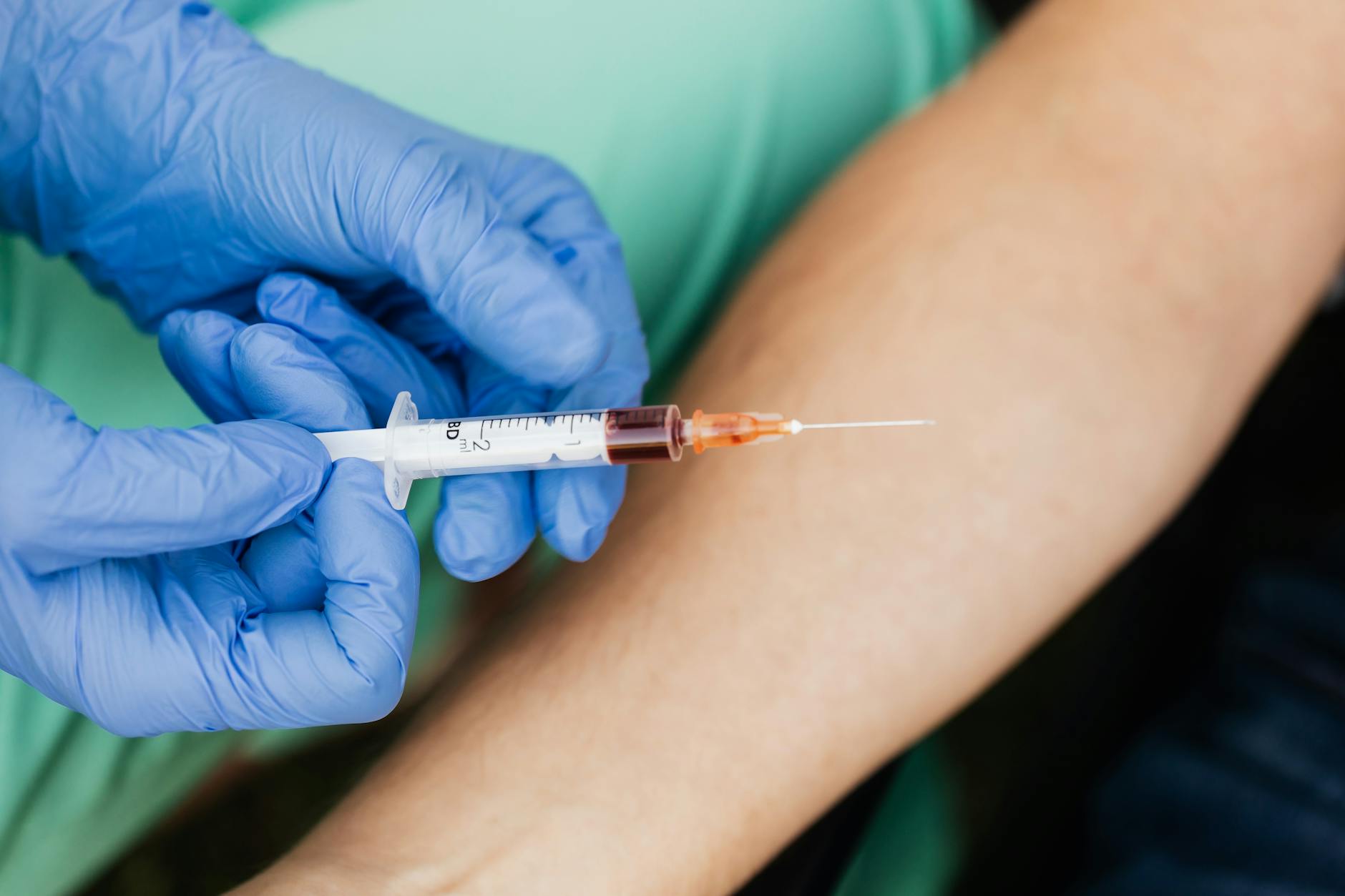
New blood biomarkers are fundamentally transforming how early Alzheimer’s disease is detected—and multiple FDA approvals in the past year have made these tests available to primary care doctors for the first time. In October 2025, the FDA cleared the Elecsys pTau181 plasma test from Roche, specifically designed to help primary care physicians rule out amyloid pathology in patients with memory concerns. This marks a watershed moment: for decades, the only way to definitively diagnose Alzheimer’s pathology was through expensive PET imaging or invasive cerebrospinal fluid sampling. Now a simple blood draw can provide answers that were previously out of reach for most patients.
This article explores the science behind these biomarkers, what FDA approval means for patients and physicians, how far back these tests can predict dementia, the accuracy rates researchers are achieving, and the emerging technologies making testing more accessible globally. The stakes are significant. Alzheimer’s disease pathology develops silently in the brain years or even decades before memory loss appears—and early intervention with new anti-amyloid medications appears most effective when the disease is caught in its preclinical stages. Blood biomarkers now make it possible to identify those brain changes while the window for treatment is widest.
Table of Contents
- How Blood Biomarkers Are Changing Alzheimer’s Diagnosis
- FDA Approvals and Clinical Guidelines: What Changed in 2025
- How Far Back Can Blood Tests Predict Alzheimer’s Symptoms?
- The Most Accurate Biomarkers: What the Research Data Shows
- Limitations and Critical Gaps in Blood Biomarker Testing
- New Technologies Making Testing More Accessible
- What Comes Next for Early Alzheimer’s Detection
- Conclusion
- Frequently Asked Questions
How Blood Biomarkers Are Changing Alzheimer’s Diagnosis
Blood biomarkers for Alzheimer’s work by measuring specific proteins—particularly phosphorylated tau variants and amyloid-beta—that accumulate in the brain as Alzheimer’s pathology develops. When these proteins misfold and aggregate, some of them leak into the bloodstream where they can be detected with sophisticated laboratory tests. The most researched biomarkers include phosphorylated tau-217 (p-tau217), phosphorylated tau-181 (p-tau181), phosphorylated tau-217/amyloid-beta 42 ratio (p-tau217/Aβ42), and glial fibrillary acidic protein (GFAP)—each revealing slightly different aspects of Alzheimer’s pathology.
The diagnostic improvement is dramatic. Research shows blood biomarkers achieve 90% accuracy in identifying Alzheimer’s disease in patients with cognitive symptoms, compared to 63% accuracy when primary care physicians use traditional clinical assessment alone and 73% accuracy for specialists. For context, this means that blood tests catch Alzheimer’s-related cognitive impairment that would have been missed by standard office visits in roughly one out of every four to five patients. A patient might walk into their doctor’s office complaining of occasional memory lapses, receive reassurance that “this is just normal aging,” and walk out undiagnosed—when a blood test could have identified underlying amyloid pathology years before dementia develops.
FDA Approvals and Clinical Guidelines: What Changed in 2025
The regulatory momentum around blood biomarkers accelerated dramatically through 2025. In May 2025, the FDA approved Siemens’ Lumipulse G pTau217/Aβ42 ratio plasma test for early detection in clinical settings, followed in July 2025 by the Alzheimer’s Association releasing the first clinical practice guideline for blood-based biomarkers. That guideline set a clear bar: biomarker tests recommended for clinical triage should show at least 90% sensitivity (catching true cases) and 75% specificity (avoiding false alarms). Then came October’s clearance of Roche’s Elecsys pTau181 test specifically for primary care—the first blood test authorized for use by general practitioners to rule out amyloid pathology in symptomatic patients.
These approvals matter because they shift where testing happens. Prior to October 2025, patients with memory concerns were typically referred to neurology specialists or memory care clinics—a process that could take months and cost thousands in co-pays and lost time. Now a primary care doctor can order a blood test during a routine appointment, often while discussing other health concerns. However, approval for clinical use doesn’t automatically mean insurance will cover the test for all patients, nor does it guarantee your primary care doctor will be aware the test exists. Early adoption has been strongest in academic medical centers and specialized neurology practices; community practices and rural areas are still building familiarity.
How Far Back Can Blood Tests Predict Alzheimer’s Symptoms?
One of the most striking findings from biomarker research is how many years ahead of symptoms these tests can detect Alzheimer’s pathology. A landmark study found that phosphorylated tau-217 can predict dementia up to 25 years before symptoms appear, particularly in women. Other research shows biomarkers can identify pathological changes 15 to 20 years before symptom onset, with plasma p-tau217 levels rising approximately 8.5% annually during preclinical stages—long before a person experiences any memory lapses or cognitive changes. This predictive power cuts both ways.
On one hand, it means someone in their 40s or 50s could have a blood test that identifies risk decades in advance, potentially allowing preventive strategies like intensive lifestyle changes or enrollment in early clinical trials. On the other hand, it raises the question of whether someone wants to know they carry Alzheimer’s pathology when they feel completely normal. Recent anti-amyloid monoclonal antibodies (aducanumab and lecanemab) have shown modest slowing of cognitive decline in preclinical and early symptomatic disease, but they carry risks of amyloid-related imaging abnormalities (ARIA) including brain microhemorrhages. For someone with no symptoms, the risk-benefit calculation becomes more complex than for someone already experiencing memory loss.
The Most Accurate Biomarkers: What the Research Data Shows
Among all blood biomarkers being studied, phosphorylated tau-217 (p-tau217) has emerged as the single most accurate for identifying Alzheimer’s pathology. Research demonstrates p-tau217 achieves an AUC (Area Under the Curve) of up to 0.96—where 0.5 equals random guessing and 1.0 equals perfect accuracy—showing strong correlation with cerebrospinal fluid markers and PET imaging of amyloid and tau pathology. P-tau181 performs similarly well, with the distinction that the FDA cleared it first for primary care use, suggesting it may be easier to implement in routine clinical labs.
When researchers combine multiple biomarkers into panels, accuracy improves further. Multimarker panels incorporating p-tau217, GFAP, neurofilament light chain (NfL), and the Aβ42/40 ratio achieve AUC around 0.97 for identifying amyloid pathology. Johns Hopkins researchers developed a “Penta-Plex Alzheimer’s Disease Capture Sandwich Immunoassay” (5ADCSI) that detects five biomarkers simultaneously using equipment already available in most hospital and reference laboratories—meaning facilities don’t need expensive new machinery to run the tests. The tradeoff is that multimarker panels take longer to produce results and may cost more than single-biomarker tests, though they’re more informative for research and specialized diagnostic settings.
Limitations and Critical Gaps in Blood Biomarker Testing
Blood biomarkers detect pathology, not symptoms. A positive biomarker test means a person has Alzheimer’s-pattern brain changes, but it does not tell you when—or even if—that person will develop dementia. Some people with pathological amyloid and tau accumulation live into their 80s and 90s without significant memory loss, especially if they have cognitive reserve from education and intellectual engagement, or if other protective factors are in play. This creates the “labeling problem”: a positive biomarker test might trigger anxiety and unnecessary workup for someone who would never develop symptoms.
Physicians and patients must grapple with the difference between pathology and disease. There’s also a diversity and equity gap in biomarker research. Most studies recruiting blood biomarker participants have enrolled predominantly white, college-educated populations. Early findings from more diverse cohorts suggest that biomarker cutoff values (the thresholds determining “normal” versus “pathological”) may differ across racial and ethnic groups—partly due to genetic differences in amyloid metabolism and partly due to the biological effects of chronic stress and health disparities. Using research cutoffs developed primarily in white populations could lead to both overdiagnosis in some groups and underdiagnosis in others.

New Technologies Making Testing More Accessible
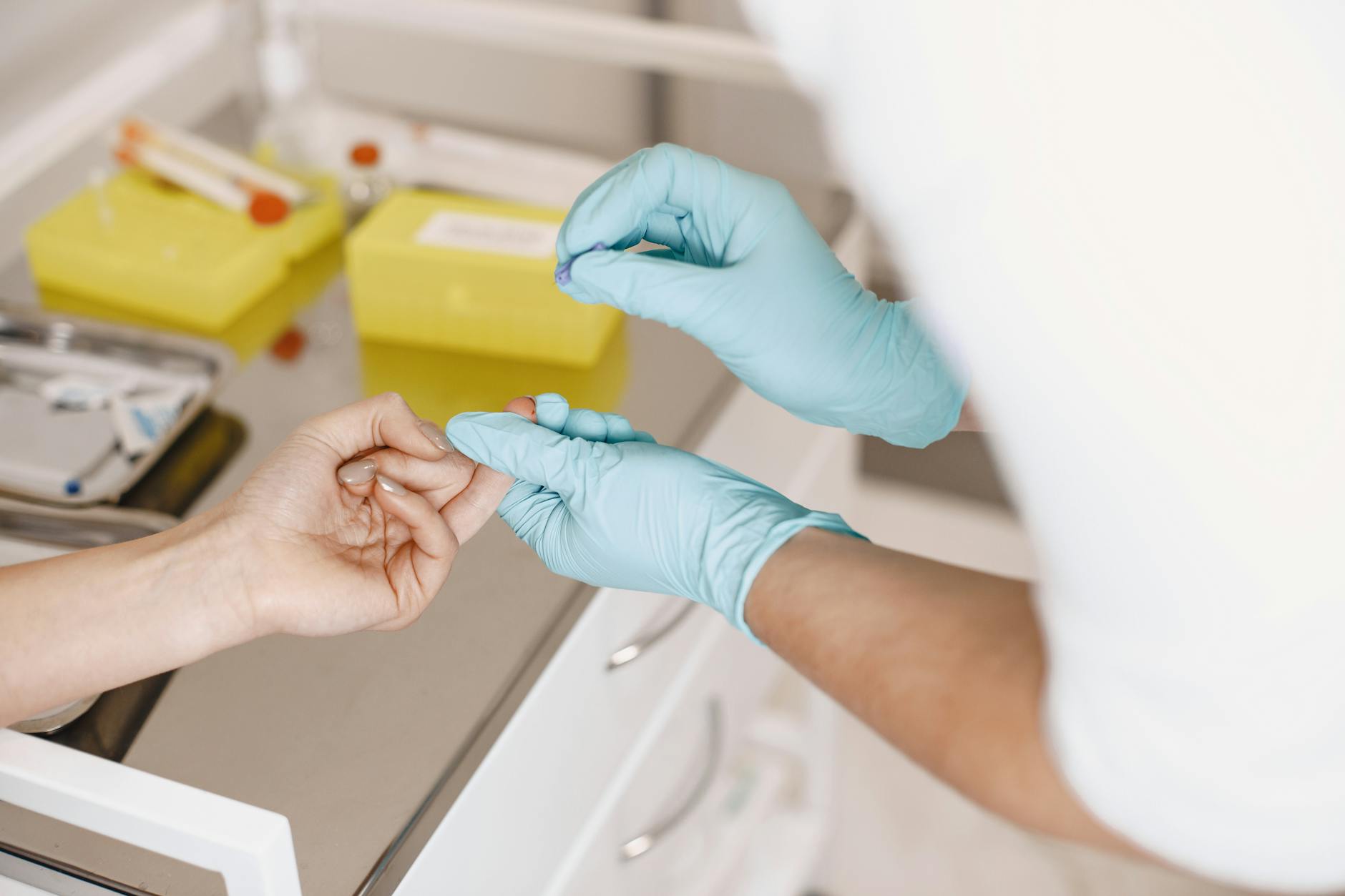
In 2026, researchers developed minimally invasive dried blood spot tests that could make Alzheimer’s biomarker screening scalable even in resource-limited settings. These tests require only a few drops of blood collected on filter paper and mailed to a laboratory, rather than venipuncture in a clinical setting.
This approach is particularly important for global health equity: most people with cognitive impairment or dementia risk live in low- and middle-income countries where access to specialist neurology and advanced diagnostics is extremely limited. USC researchers separately developed a low-cost blood test for early Alzheimer’s detection specifically designed to expand access beyond academic medical centers and wealthy healthcare systems. The practical implication is that within the next few years, a primary care doctor in a rural town or a screening clinic in a resource-limited country could potentially order an Alzheimer’s blood test without specialized equipment or training—moving closer to a scenario where biomarker screening becomes routine rather than exceptional.
What Comes Next for Early Alzheimer’s Detection
The trajectory is clear: blood biomarkers will become the standard of care for Alzheimer’s diagnostic workup within the next few years, displacing more expensive and invasive alternatives. The remaining questions are about implementation—how to ensure equitable access, how to communicate results responsibly to people with no symptoms, and how to integrate biomarker findings into treatment decisions. The Alzheimer’s Association clinical guidelines published in 2025 are just the starting point; professional societies will continue refining recommendations as more data accumulates about long-term outcomes for people identified through biomarker screening.
Looking forward, the goal is prevention. If biomarkers can identify pathology 15 to 25 years before dementia develops, and if early interventions can slow or halt progression, the potential impact on public health is enormous. The current generation of anti-amyloid drugs offers modest benefit, but ongoing research into tau-targeting therapies, neuroinflammation reduction, and combination approaches may yield more effective interventions for preclinical disease. Blood biomarkers have opened the door to catching Alzheimer’s early; what happens on the other side of that door—in terms of treatment—remains the frontier.
Conclusion
Early Alzheimer’s detection is experiencing a genuine inflection point thanks to blood biomarkers. FDA clearances in 2025 have moved these tests from research tools to clinical reality, with primary care physicians now able to order pTau181 testing for patients with memory concerns. The tests are remarkably accurate—90% accuracy in identifying Alzheimer’s pathology compared to 63-73% for traditional clinical assessment—and they can identify pathological changes 15 to 25 years before symptoms appear.
The biomarker p-tau217 leads the field with 0.96 AUC, and multimarker panels push accuracy even higher. The next step for patients is a conversation with their primary care doctor about whether biomarker testing makes sense for their situation. For someone with memory lapses, cognitive complaints, or a family history of Alzheimer’s, a blood test is now a reasonable first step that might have been impossible five years ago. As dried blood spot tests and low-cost screening approaches expand access globally, and as more effective preventive treatments emerge, early detection through blood biomarkers will likely become standard care—fundamentally changing how and when Alzheimer’s disease is identified.
Frequently Asked Questions
Are blood tests replacing PET imaging and MRI for Alzheimer’s diagnosis?
Not entirely, but blood tests are now often the first screening step. A positive biomarker blood test typically leads to additional imaging or evaluation if symptoms are present, while a negative result may reassure both patient and doctor that amyloid-related pathology is unlikely. For research studies and patients with advanced symptoms, imaging remains important for detailed assessment.
Can my primary care doctor order an Alzheimer’s blood test?
Yes, as of October 2025 with FDA clearance of the Elecsys pTau181 test, primary care physicians can order blood biomarker testing. However, not all practices have implemented these tests yet, and insurance coverage varies. It’s worth asking your doctor if they offer biomarker screening.
Does a positive biomarker test mean I will develop dementia?
No. A positive test indicates Alzheimer’s pathology in the brain, but does not predict if or when dementia will develop. Some people with pathological amyloid and tau accumulation never develop memory loss, especially if they maintain cognitive engagement and overall health.
How much does an Alzheimer’s blood biomarker test cost?
Costs range from $200 to $800 depending on the specific test and whether insurance covers it. Testing ordered by a primary care physician for symptomatic patients is more likely to be covered than screening tests in asymptomatic individuals, though this is rapidly changing.
What should I do if my biomarker test is positive?
A positive test warrants discussion with your doctor about your personal risk factors, symptoms, family history, and lifestyle. Depending on the findings, this might include cognitive testing, brain imaging, consultation with a neurologist, or lifestyle interventions focused on cardiovascular health and cognitive engagement.
Are these blood tests available globally?
FDA-cleared tests are available in the United States and increasingly in Europe through CE marking. Emerging dried blood spot and low-cost approaches developed in 2026 are expanding access to low- and middle-income countries, but geographic availability continues to vary.
You Might Also Like
- New Spinal Fluid Biomarker Distinguishes Parkinson’s From Alzheimer’s
- PET/CT Scans Show New Promise for Alzheimer’s Detection
- Capito Backs AADAPT Act to Boost Alzheimer’s Detection Training
For more, see NIH MedlinePlus — cognitive testing.