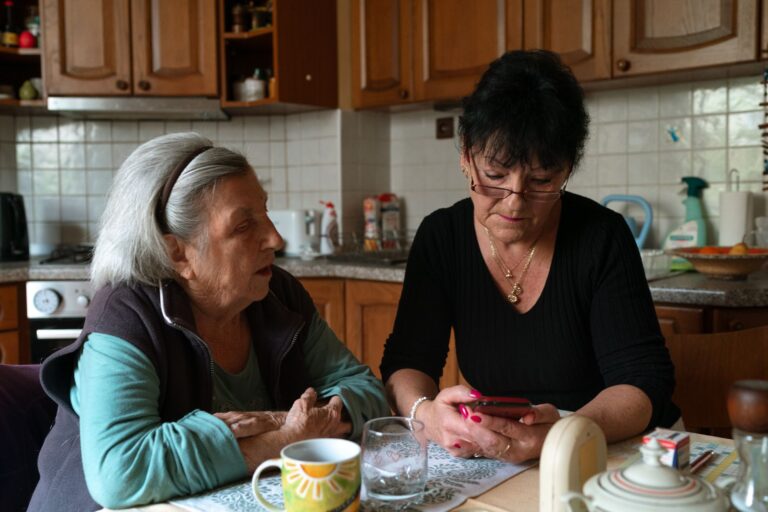
New research sits at the center of this dementia and brain health question.
Recent research has confirmed that infections can indeed accelerate cognitive decline in aging adults—a finding that upends the traditional view of dementia as purely age-related. In a landmark study tracking participants over 7.8 years, 30% developed cognitive impairment, with 17% receiving a dementia diagnosis, and those with histories of severe infections showed cognitive deterioration 5-6 years earlier than would be expected. This doesn’t mean every infection leads to dementia, but the accumulated evidence suggests that treating infections promptly in older adults may be one overlooked strategy for protecting brain health. This article explores what the research actually shows, which infections pose the greatest risk, and what older adults and their caregivers should know about the infection-cognition connection.
Table of Contents
- What Do Recent Studies Reveal About Infections and Cognitive Decline?
- How Do Infections Damage the Brain and Accelerate Decline?
- Which Specific Infections Pose the Greatest Risk?
- What Prevention and Management Strategies Matter Most?
- What Limitations and Uncertainties Remain in This Research?
- COVID-19 and Long-Term Cognitive Risk in Aging Adults
- Looking Forward: Research Directions and Implications for Brain Health
- Conclusion
- Frequently Asked Questions
What Do Recent Studies Reveal About Infections and Cognitive Decline?
Multiple studies from prestigious institutions have documented a clear relationship between infection exposure and cognitive performance in older adults. Researchers at Johns Hopkins Bloomberg School of public Health discovered an additive effect: the more different infections a person had been exposed to—based on antibody testing for five common infections—the worse their cognitive performance tended to be. This wasn’t about a single infection being catastrophic; it was about cumulative exposure wearing on the brain over time. The 2025 study published in Alzheimer’s Research & Therapy went further, finding that 30% of participants developed cognitive impairment over the follow-up period, with dementia occurring in 17% of the cohort, suggesting that infections may be one of several modifiable risk factors worth addressing.
One critical finding that distinguishes this research is the timeline: severe infections occurred approximately 5-6 years before dementia diagnosis in many cases. This lag period is important because it suggests infections don’t suddenly cause dementia but rather accelerate the underlying cognitive decline that may already be underway. For someone in their 70s or 80s, that 5-6 year acceleration could be the difference between maintaining independence and losing it. The research doesn’t explain the mechanism completely—infection itself isn’t the only factor—but the temporal relationship is strong enough that clinicians and patients should take it seriously.

How Do Infections Damage the Brain and Accelerate Decline?
When infections enter the body, they trigger systemic inflammation that can cross the blood-brain barrier and affect neural tissue directly. Neuroimaging studies show that participants with histories of upper respiratory infections, bacterial infections, and urinary tract infections demonstrated accelerated parieto-temporal brain atrophy—that is, shrinkage in specific regions of the brain associated with memory and language. This isn’t subtle wear; it’s measurable structural loss that correlates with cognitive test performance decline. The brain atrophy patterns are particularly pronounced in the regions that often deteriorate first in Alzheimer’s disease, suggesting that infections may be pushing people further along a dementia pathway they’re already on.
However, not every infection leads to brain changes. The research suggests that severe infections—those requiring hospitalization or causing significant systemic illness—carry greater risk than mild colds or routine infections. This distinction matters because it means older adults aren’t at risk from every minor infection but should be especially vigilant about preventing and treating serious infections. Additionally, the timing and frequency of infections appear to matter: someone with one severe infection in their 60s faces different risk than someone experiencing multiple infections across the aging process. Understanding these gradations helps older adults and their doctors calibrate realistic concern and preventive action.
Which Specific Infections Pose the Greatest Risk?
Not all infections affect cognitive function equally. Research has identified several specific pathogens as particularly concerning for brain health. Cytomegalovirus (CMV) and herpes simplex virus type 2 (HSV-2) were specifically associated with poorer executive function—the cognitive abilities involving planning, attention, and decision-making—in older adults. These viruses establish persistent infections that remain dormant in nerve tissue, meaning older adults may carry them silently for decades before cognitive effects become apparent. Respiratory tract infections, bacterial urinary tract infections, and cystitis have also been linked to higher dementia risk.
The diversity of infections implicated suggests that it’s not the infection itself but rather the systemic inflammatory response that damages the brain. This has practical implications: treating an infection early and thoroughly may limit both the initial illness and the long-term cognitive effects. For example, an older adult with a urinary tract infection who receives prompt antibiotic treatment stops not only the infection but also the inflammatory cascade that could damage brain tissue. COVID-19 deserves special mention here: older adults aged 60 and above who experienced severe COVID-19 infection, particularly those with severe loss of smell, showed double the risk of moderate to severe dementia-like impairment compared to younger adults. This suggests that newer viral threats may carry unexpected cognitive costs for aging populations.

What Prevention and Management Strategies Matter Most?
The evidence for infections’ role in cognitive decline creates a compelling case for aggressive infection prevention in older adults. Vaccination against preventable infections—influenza, pneumococcal disease, and now COVID-19—becomes more than a measure against acute illness; it’s a potential defense for cognitive aging. For infections that aren’t preventable by vaccine, prompt recognition and treatment are critical. A urinary tract infection caught early and treated thoroughly prevents not just the discomfort and immediate complications but potentially years of accelerated cognitive decline.
Beyond medical interventions, basic hygiene and infection avoidance gain new importance. Hand hygiene, avoiding crowds during respiratory illness seasons, and maintaining good oral health (since gum disease is associated with systemic inflammation) are practical steps that address multiple health concerns simultaneously. For older adults with cognitive symptoms already underway, controlling ongoing infection risk through vaccination and prompt treatment may slow further decline. The tradeoff is that some preventive measures (like annual flu vaccines) carry minor risks for some individuals, but the cognitive protection benefit substantially outweighs these risks for most aging adults. Discussing individualized prevention strategies with a healthcare provider who understands both the patient’s infection history and cognitive status makes sense.
What Limitations and Uncertainties Remain in This Research?
While the findings are concerning and consistent across multiple studies, important limitations remain. The research identifies association—people with infection histories have more cognitive decline—but causation isn’t completely proven. It’s possible that some underlying factor causes both increased infection susceptibility and cognitive decline, rather than infections directly causing the decline. Additionally, individual variation is substantial: some older adults with significant infection histories maintain excellent cognitive function, while others with minimal infection exposure develop dementia. This means infection history is a risk factor, not a destiny.
The lag between infection and cognitive symptoms also creates practical challenges. If severe infections cause dementia 5-6 years later, an 80-year-old recovering from pneumonia might not live long enough to develop dementia from it, or other causes of death might intervene. This doesn’t mean infection prevention is pointless—it still makes sense—but it does suggest that for the very elderly, the cognitive benefits might be modest. Furthermore, most of the research examines antibody evidence of past infections rather than following infections in real time, which means some of the timeline and mechanism details remain unclear. Future research needs to clarify which infections matter most and at what severity level the cognitive risk becomes significant.

COVID-19 and Long-Term Cognitive Risk in Aging Adults
The COVID-19 pandemic has provided a natural experiment in how severe infections affect older brains, and the findings are concerning. Beyond acute illness, research from UT Health San Antonio documented that older adults aged 60 and above who suffered severe COVID-19, particularly those experiencing severe loss of smell, had double the risk of moderate to severe dementia-like impairment compared to younger adults. This suggests that the cognitive aftereffects of severe infection may be more pronounced as people age, possibly because aging brains have less resilience or reserve capacity to recover from inflammatory insult.
This doesn’t mean that every older adult who has had COVID-19 will develop dementia, but it reinforces the importance of preventing severe COVID in the aging population through vaccination and protective measures. For those who have had severe COVID, particularly with olfactory symptoms, enhanced cognitive monitoring and preventive strategies (infection prevention, cognitive engagement, cardiovascular health) become especially important. The COVID finding also illustrates how newer infectious threats can have unexpected consequences for brain aging that wouldn’t be apparent in studies of older infections like CMV or HSV-2.
Looking Forward: Research Directions and Implications for Brain Health
The intersection of infection and cognitive decline is moving from obscure research finding to recognized clinical concern, which means prevention strategies and treatment approaches are likely to evolve. Future research should clarify which infections carry the greatest brain risk, at what severity infections become cognitively significant, and whether aggressive early treatment of infections prevents the cognitive consequences. This knowledge could shift how geriatricians and primary care doctors approach infection management—treating infection in an 75-year-old differently than in a 35-year-old because of the cognitive stakes involved.
Practically speaking, this research suggests that brain health should be considered alongside traditional infection prevention goals. An older adult recovering from pneumonia needs not just to restore lung function but to monitor and support cognitive function. Emerging treatments that reduce systemic inflammation after infection or that enhance brain recovery might eventually become part of standard care. In the meantime, the takeaway is straightforward: in aging adults, infections matter to the brain as much as they do to the lungs or bloodstream.
Conclusion
The evidence that infections can accelerate cognitive decline in aging adults is now substantial and comes from multiple rigorous studies. Whether through accumulated antibody burden, specific pathogens like CMV and HSV-2, measurable brain atrophy in key memory regions, or the stark cognitive risks associated with severe COVID-19, the connection is clear. Infections don’t universally cause dementia, but they appear to push people further along that pathway, sometimes by years, meaning prevention and prompt treatment have genuine cognitive stakes.
For older adults and their families, this research argues for taking infection prevention seriously as part of a comprehensive brain health strategy. Vaccinations, prompt treatment of infections, and basic hygiene practices aren’t just about avoiding acute illness—they’re investments in preserving cognitive function. If you or a loved one has experienced severe infections or are concerned about cognitive changes following illness, discussing infection history and preventive strategies with a healthcare provider should be part of regular care conversations about brain health.
Frequently Asked Questions
If I had a serious infection years ago, is it too late to protect my brain?
While you can’t undo past infections, preventing future infections becomes even more important if you have a history of serious illness. Additionally, maintaining cognitive engagement, managing cardiovascular health, and reducing other dementia risk factors can support brain resilience regardless of infection history.
Does this mean I should avoid all infections by isolating myself?
No. Reasonable infection prevention (vaccination, hygiene, avoiding crowds during outbreaks) is appropriate, but complete isolation isn’t practical or healthy. The goal is to prevent serious infections while maintaining normal social engagement and physical activity, which also protect cognitive function.
Are antibiotics the answer to preventing dementia?
Antibiotics treat active infections but can’t reverse past infection effects. They’re important for treating bacterial infections promptly, which may limit cognitive damage, but they’re not preventive. Vaccination and infection avoidance are the primary prevention tools.
Should I be tested for past infections like CMV?
Testing for past infections (via antibodies) is generally not recommended for healthy older adults without specific risk factors. If you have cognitive symptoms, discussing your infection history with your doctor as part of cognitive evaluation makes sense, but routine testing isn’t standard.
Does this research apply to younger people?
The research focuses on older adults, where infection effects on cognition appear most pronounced. Younger people certainly benefit from infection prevention, but the cognitive consequences appear to be a concern primarily as people age.
If I’ve had COVID-19, am I definitely at higher dementia risk?
No. The research shows that severe COVID-19 with olfactory loss increases dementia risk in older adults—particularly those 60+—but many people recover fully without cognitive effects. Risk factors are relative, not absolute.
You Might Also Like
- What are the Top Dementia Research Companies on the Public Market?
- $94,000 Average Lifetime Out-of-Pocket Cost for a Dementia Caregiver’s Own Health Decline
- What Is the Long-Term Health Risk for Iranians Living Near Bombed Nuclear Sites
For more, see National Institute on Aging.