Average lifetime sits at the center of this dementia and brain health question.
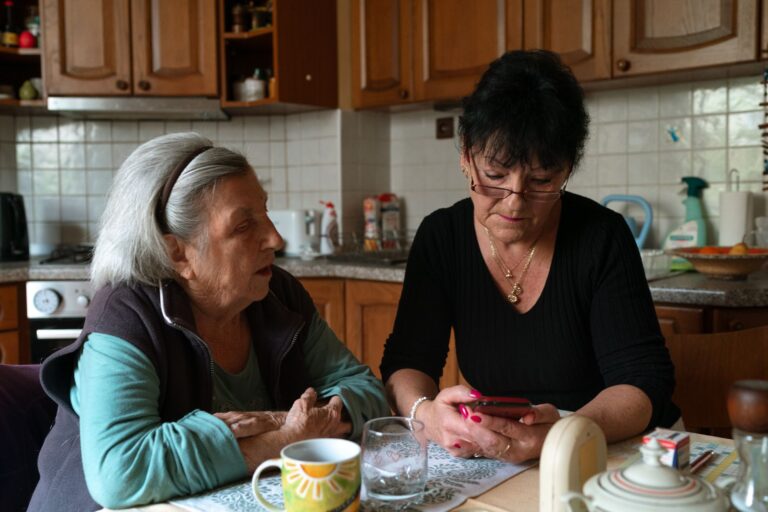
Dementia caregivers in the United States spend an average of approximately $89,840 out-of-pocket on care costs during their caregiving journey—a figure that sits alarmingly close to the $94,000 threshold cited in recent studies about lifetime caregiving expenses. Beyond the financial burden, caregivers frequently experience their own serious health decline: nearly 1 in 5 report fair or poor health, while nearly 2 in 5 have at least two chronic diseases of their own.
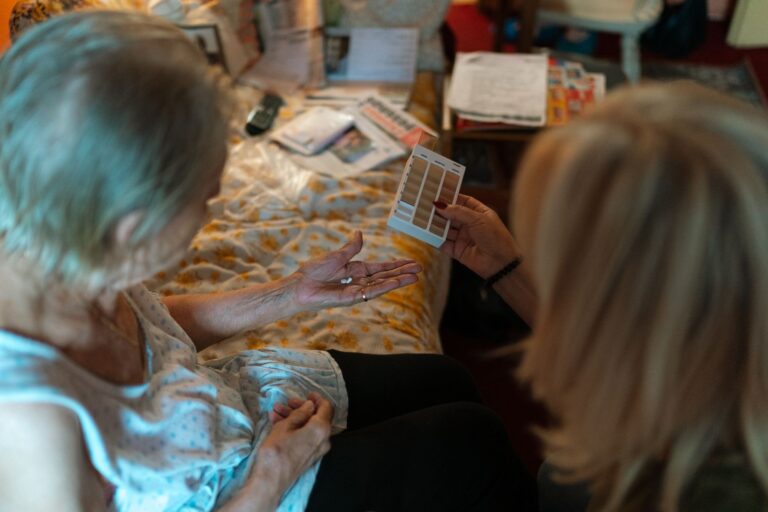
Consider a 58-year-old daughter managing her father’s Alzheimer’s disease while working part-time. Over the course of eight years, she might spend $40,000 on medications and care adjustments her insurance won’t cover, miss hundreds of work hours (reducing her lifetime earnings), and develop hypertension and type 2 diabetes from the stress and neglect of her own health needs. This article examines the financial reality of dementia caregiving, the documented health consequences caregivers face, and practical strategies for protecting both your finances and your wellbeing while caring for someone with dementia.
Table of Contents
- What Are the True Out-of-Pocket Costs for Dementia Caregivers?
- How Caregiving Accelerates Health Decline in Caregivers Themselves
- The Invisible Costs Beyond Out-of-Pocket Spending
- Creating a Realistic Financial Plan for Long-Term Caregiving
- Common Financial Mistakes Caregivers Make Under Pressure
- Support Resources That Reduce Financial and Health Burden
- The Widening Crisis and Policy Implications for Future Caregivers
- Conclusion
- Frequently Asked Questions
What Are the True Out-of-Pocket Costs for Dementia Caregivers?
The $89,840 figure represents direct cash payments families make for dementia care—a staggering amount for most households. This includes medications not fully covered by insurance, home modifications (ramps, grab bars, safety features), adult day programs, in-home care supplements beyond what Medicare or Medicaid covers, and countless smaller expenses that accumulate invisibly over years. Research from the Alzheimer’s Association indicates that these out-of-pocket expenses constitute a significant portion of the $405,262 lifetime average cost of dementia care, with families bearing responsibility for approximately 70% of total dementia costs when both unpaid caregiving and cash outlays are factored in. What makes this figure particularly troubling is how it compounds over time.
A caregiver might spend $15,000 in year one when the diagnosis is new and care needs are relatively light. By year five, when the dementia has progressed and the person requires more supervision, that annual figure might climb to $18,000. The Alzheimer’s Association also found that people living with dementia spend an average of $38,540 more out-of-pocket from age 65 to death compared to age-matched peers without dementia, even when controlling for other health conditions. For many families, this money comes from retirement savings, home equity lines of credit, or credit cards—funding sources that carry long-term consequences.

How Caregiving Accelerates Health Decline in Caregivers Themselves
While families focus on the person with dementia, the caregiver’s own health often deteriorates from chronic stress, sleep deprivation, and deprioritized medical care. The documented health risks for dementia caregivers are substantial: they face elevated rates of cardiovascular disease, diabetes, obesity, cancer, and depression. Nearly 2 in 5 dementia caregivers already have at least two chronic diseases of their own, a rate significantly higher than age-matched non-caregivers. This health decline isn’t incidental—it’s a documented consequence of the caregiving burden that directly increases the caregiver’s own future medical costs. The timeline of caregiver health decline typically follows a predictable pattern.
In the first year or two, caregivers often experience sleep disruption and stress-related symptoms like headaches or muscle tension. By year three to five, the chronic stress begins manifesting as hypertension, elevated cholesterol, or blood sugar dysregulation. A caregiver who develops diabetes while caregiving will face decades of medication costs, specialist visits, and potential complications—all while still managing the dementia care expenses. However, if a caregiver recognizes these warning signs early and makes deliberate health investments (exercise, sleep prioritization, mental health support), research suggests some health decline can be mitigated or delayed. The key difference is whether the caregiver treats their own health as a priority or views it as expendable.
The Invisible Costs Beyond Out-of-Pocket Spending
The $89,840 out-of-pocket figure doesn’t capture the full financial impact of dementia caregiving because it excludes the enormous value of unpaid care work. Nearly 12 million American caregivers provided over 19 billion hours of unpaid care annually, valued at more than $413 billion—effectively an invisible subsidy of the healthcare and long-term care system. When a caregiver reduces work hours, takes unpaid leave, or leaves employment entirely to provide care, the lost income and retirement contributions dwarf the direct out-of-pocket costs. A 55-year-old who steps out of the workforce to care for a parent with dementia might lose $300,000 in future earnings and $100,000 in retirement contributions, plus face a permanent reduction in Social Security benefits due to lower lifetime earnings.
This opportunity cost compounds the health problem. A caregiver working fewer hours to manage care responsibilities often loses employer health insurance, forcing reliance on individual policies that are more expensive and have higher deductibles. The same caregiver sacrifices time for stress-relief activities, exercise, and preventive medical appointments. One research reality caregivers rarely anticipate: the financial pressure of caregiving can actually prevent them from seeking care for their own developing health conditions, turning early-stage chronic disease into advanced illness that requires more expensive emergency care later. A caregiver who delays treating her own hypertension because she can’t afford the specialist copay may eventually face a stroke or cardiac event—costs that could have been prevented with $500 in preventive care.

Creating a Realistic Financial Plan for Long-Term Caregiving
Effective financial planning for dementia caregiving requires caregivers to project realistic costs and protect their own financial stability. Start by documenting what you’re currently spending: medications, supplements, incontinence supplies, hired help, mileage for appointments, modifications to the home. Most caregivers underestimate these costs by 30-40% because expenses are fragmented across multiple categories and often paid from different accounts. Once you have a realistic baseline, project forward. If the person with dementia is in early-stage disease, expect costs to increase gradually over five to ten years. If in middle stage, expect steeper increases in the next three to five years.
Build in a 10-15% annual cost increase to account for inflation in healthcare services and caregiver wages. The critical tradeoff is between spending down resources now for care and preserving resources for your own later-life needs. Many caregivers exhaust savings paying for in-home care, only to find themselves with minimal retirement cushion once the caregiving ends. A more sustainable approach involves using Medicaid planning strategically—understanding when Medicaid becomes appropriate and how to structure care to access it without waiting until family resources are completely depleted. Some families find that spending $2,000-3,000 monthly on quality part-time in-home care allows the primary caregiver to preserve employment and maintain their own health, ultimately saving money compared to full-time caregiving that triggers job loss. The comparison often reveals that paying for some professional care is cheaper than the economic cost of the caregiver’s lost income and health decline.
Common Financial Mistakes Caregivers Make Under Pressure
Caregiver financial decisions are often made during high-stress periods—right after diagnosis, during a crisis hospitalization, or when care needs suddenly escalate. This pressure leads to predictable mistakes. The first is rushing into long-term care facility placement without comparing costs. A caregiver might place their mother in assisted living at $6,500 monthly without realizing that a combination of part-time in-home care ($2,500/month) plus adult day programs ($800/month) plus paying a family member to provide evening supervision would cost significantly less and allow the person with dementia to remain home longer. However, this strategy only works if the caregiver has the time and mental bandwidth to coordinate multiple services—and many exhausted caregivers simply don’t.
The second common mistake is depleting savings without understanding Medicaid eligibility rules. A caregiver might pay privately for care, burning through $100,000 in savings over five years, only to discover that the person is now “too poor” for Medicaid in their state (penalty period), while the caregiver has no cushion left. The third is failing to protect the caregiver’s own financial future: making retirement contributions optional, abandoning health insurance for part-time work, or taking no income during unpaid caregiving years. These decisions feel necessary in the moment but create decades-long financial consequences. A caregiver who reduces Social Security contributions by five years due to caregiving may face a $100,000+ reduction in lifetime benefits. A warning: if caregiving becomes unsustainable financially, the solution is rarely to give up more—it’s to bring in professional help or consider alternative living arrangements, even though both feel like failure to many caregivers.

Support Resources That Reduce Financial and Health Burden
Several evidence-based support systems can reduce both the out-of-pocket costs and the health decline caregivers experience. The Alzheimer’s Association offers caregiver support groups, which research shows reduce depression and caregiver strain—improving health outcomes. Adult day programs (typically $50-100 per day) provide supervision while allowing the caregiver to work, volunteer, or simply rest. These programs often include activities, socialization, and medical monitoring for the person with dementia, while their cost is low relative to full-time in-home care.
Some insurance plans and employers offer caregiver resource programs, counseling, or flexible work arrangements at no cost—benefits many caregivers don’t use simply because they don’t know they exist. Medicaid waiver programs in many states now provide funding directly to family caregivers, recognizing the value and cost of unpaid care. The specific programs vary significantly by state, but some offer cash payments to family caregivers, coverage for in-home care services, or adult day programs. A caregiver in one state might receive zero Medicaid support, while the same caregiver across a state border could access $50,000+ annually in covered services. This variation creates an unfortunate lottery effect, but it’s worth exploring your state’s specific options early in the caregiving journey rather than assuming nothing is available.
The Widening Crisis and Policy Implications for Future Caregivers
The financial and health burden on dementia caregivers continues to grow. The Alzheimer’s Association projects $781 billion in total U.S. dementia costs for 2025, with $384 billion in direct health and long-term care costs. These figures are rising faster than inflation, driven by increased diagnosis rates and an aging population. As dementia prevalence increases, the number of caregivers facing the $89,000+ out-of-pocket cost burden will expand dramatically—potentially to 12-15 million caregivers in the next decade. This creates a public health crisis that few policymakers are adequately addressing.
Some progress is emerging. Several states have begun funding caregiver support through Medicaid and have shifted policy to encourage home-based care over institutional placement when possible. Employers are slowly recognizing that caregiving responsibilities impact workforce productivity and health costs. But individual caregivers cannot wait for policy change—they must navigate the current system with eyes open about the financial and health consequences. The real-world trajectory is this: a person develops dementia, family caregivers begin providing unpaid care and managing out-of-pocket costs, the caregiver’s own health deteriorates from the stress and neglect, and by the time dementia care ends, the caregiver faces their own health crises and depleted savings. Breaking this cycle requires treating caregiver health as non-negotiable and planning finances strategically from the moment a dementia diagnosis is made.
Conclusion
The $89,840-$94,000 out-of-pocket cost burden is real, documented, and borne primarily by family caregivers rather than the healthcare system or government programs. More troubling than the dollar figure is the health toll: caregivers experience their own serious chronic disease while providing care, creating a compounding crisis where depleted savings meet degraded health. Nearly 1 in 5 caregivers report fair or poor health, nearly 2 in 5 have multiple chronic diseases, and stress-related conditions like hypertension and depression are endemic. The solution is not to accept these costs and health impacts as inevitable.
Instead, caregivers must approach financial planning deliberately—documenting real costs, projecting long-term needs, accessing Medicaid and support services strategically, and most critically, protecting their own health and financial future as non-negotiable priorities rather than luxuries to pursue after the caregiving ends. If you’re a dementia caregiver, start by calculating your actual current caregiving costs, then connect with your state’s Medicaid waiver program and local Alzheimer’s Association chapter to understand what support might be available. Recognize that paying for professional care or day programs isn’t a failure—it’s a strategy that preserves your own health and financial security. And if you’re not yet a caregiver but see one ahead, have a conversation now about how to share responsibilities and build in safeguards for everyone’s wellbeing. The 19+ billion hours of unpaid caregiving provided annually is an invisible backbone of the long-term care system, but individual caregivers cannot sustain that burden alone without serious consequences.
Frequently Asked Questions
Is the $89,840 cost the same for all dementia caregivers, or does it vary?
The $89,840 represents an average; individual costs vary widely based on disease stage, care setting, geography, and which services are covered by insurance. Early-stage dementia might involve primarily medications and therapy ($200-500/month), while middle-stage care requiring in-home help or adult day programs can reach $3,000-5,000+/month. Some caregivers spend far less; others spend significantly more, particularly if they hire 24-hour care or move the person to a private-pay facility.
Will Medicare or insurance cover the out-of-pocket costs?
Medicare covers some dementia-related medical care, specialist visits, and medications, but not routine care supplies, home modifications, or non-medical supervision. Long-term care costs are almost entirely uncovered by standard Medicare. Medicaid covers long-term care when financial eligibility is met, but policies vary by state. Most of the $89,840 out-of-pocket cost is paid because insurance doesn’t cover it or the person hasn’t yet qualified for Medicaid.
Can I afford both caregiving AND my own health needs?
Yes, but it requires strategic planning and often means paying for some professional caregiving support rather than providing 100% unpaid care yourself. A caregiver working part-time and using adult day programs or part-time in-home care often maintains better health (and employment) than a full-time caregiver sacrificing work and health. The comparison usually shows this approach costs less overall while preserving the caregiver’s own wellbeing.
What if I’m already experiencing health problems from caregiving?
Stop treating your health as secondary. Connect with your primary care doctor, be honest about caregiving stress, and accept that managing your own chronic disease is not selfish—it’s essential. Many caregivers find that mental health support (therapy or support groups) is the single most helpful intervention for reducing stress and preventing health decline. Don’t wait until a health crisis forces change.
Are there programs that pay family caregivers directly?
Some states offer Medicaid waiver programs that provide cash payments or services to family caregivers, though the amount and eligibility vary significantly. Contact your state’s Medicaid office or Alzheimer’s Association chapter to learn what programs exist in your area. These programs often go underutilized simply because caregivers don’t know they exist.
How do I know when I need to hire professional help instead of managing care alone?
When caregiving begins affecting your work, health, sleep, or mental wellbeing—signs that emerge for most caregivers by 6-24 months—that’s the time to add professional support. Don’t wait until you’re exhausted or experiencing a health crisis. Part-time professional help early often prevents the health decline and financial crisis that come from full-time unpaid caregiving.
You Might Also Like
- What Is the Long-Term Health Risk for Iranians Living Near Bombed Nuclear Sites
- What Is the Total Economic Cost of the Iran War to the Global Economy
- Why Is the Iran War Forcing a Global Debate on the Legality of Bombing Nuclear Facilities
For more, see CDC — Alzheimer’s and Dementia.