
On Monday, March 23, 2026, the stock market experienced a significant rally that caught many investors’ attention—the Dow Jones jumped 631 points, closing at 46,208.47 and marking a 1.38% gain for the day. The primary driver behind this substantial one-day surge was a dramatic shift in geopolitical tensions: President Trump announced that the United States and Iran had engaged in “very good and productive” talks, leading the U.S. to halt planned military strikes on Iranian power plants and energy infrastructure for a five-day period. This de-escalation of Middle East conflict concerns removed a major source of market uncertainty that had been weighing on investor sentiment. Beyond the Dow’s impressive performance, the broader market participated in the rally, with the S&P 500 gaining 1.15% and the Nasdaq Composite climbing 1.38%, demonstrating that the positive sentiment extended across different market segments.
This article explores what triggered the 631-point jump, why geopolitical announcements move markets so decisively, which sectors benefited most from the de-escalation, and what this kind of volatility means for people thinking about their financial futures. The connection between international politics and your portfolio might not be immediately obvious, but financial markets are fundamentally forward-looking mechanisms. When investors perceive a reduction in global risk, they become more willing to deploy capital into stocks, corporate investments, and growth opportunities. Conversely, when conflict threatens to disrupt energy supplies or economic stability, markets contract as investors retreat to safer positions. Understanding these dynamics isn’t just valuable for active traders—it matters for anyone with retirement savings, 401(k)s, or long-term investment goals who wants to make sense of daily market movements.
Table of Contents
- What Triggered the 631-Point Dow Jones Jump on March 23, 2026?
- How Do Geopolitical Events Actually Move Stock Markets?
- Which Market Sectors Benefited Most from the Oil Price Collapse?
- Understanding the Broader Market Performance on March 23, 2026
- What Does This Volatility Mean for People Planning Their Financial Future?
- Historical Context: Are 631-Point Days Common?
- Looking Ahead—What Does De-escalation Mean for Market Stability?
- Conclusion
What Triggered the 631-Point Dow Jones Jump on March 23, 2026?
The immediate catalyst for the March 23rd market surge was Trump’s announcement regarding U.S.-Iran diplomatic progress and the decision to pause military operations. The President’s statement that talks had been “very good and productive” signaled a potential pathway away from military escalation in the Middle East, a region that has historically been a source of economic uncertainty. Prior to this announcement, markets had been reflecting anxiety about potential Iranian strikes and U.S. military responses, which threatened to disrupt global energy supplies and create broader economic instability.
With the announcement of a five-day pause on strikes and genuine diplomatic engagement, investors immediately reassessed the risk landscape and concluded that the worst-case scenario—a sustained military conflict affecting oil supplies and global trade—had become less likely. This kind of sharp, single-event market movement is neither unusual nor irrational. Markets are designed to incorporate new information as quickly as possible, and geopolitical developments represent precisely the type of high-impact, difficult-to-predict events that can shift investor expectations overnight. The 631-point jump reflected the collective judgment of millions of traders and investors who processed Trump’s announcement and made simultaneous decisions to increase their stock positions. For comparison, consider that during the peak of Middle East conflict concerns in prior weeks, the market had fallen on fears of sustained tensions; the 631-point jump essentially reversed much of that earlier decline, bringing valuations back to where investors thought they should be in a lower-risk environment.

How Do Geopolitical Events Actually Move Stock Markets?
The mechanism connecting geopolitical developments to stock market performance operates through several interconnected channels. The most direct route is through commodity prices, particularly crude oil. military conflict or tensions in the Middle East—home to approximately 30% of global oil production—threaten to disrupt supply, which pushes oil prices higher. Higher energy prices, in turn, increase costs for airlines, shipping companies, manufacturers, and countless other businesses, which reduces corporate profit margins and makes stocks less attractive to investors.
When those tensions ease, the reverse occurs: oil prices fall, cost pressures diminish, and companies become more profitable, making stocks more appealing. However, this mechanism has important limitations depending on the broader economic context. If an economy is already in recession or facing significant headwinds, a one-day geopolitical relief rally may not be sustained if underlying economic fundamentals remain weak. Similarly, if oil prices have already fallen sharply (as they did following the March 23rd announcement), the benefit to companies begins to plateau—there’s only so much additional relief available once prices have normalized. The market rally on March 23rd was particularly strong because it combined geopolitical relief with the potential for a significant moderation in energy costs, creating a multiplier effect across sectors most sensitive to oil and transportation costs.
Which Market Sectors Benefited Most from the Oil Price Collapse?
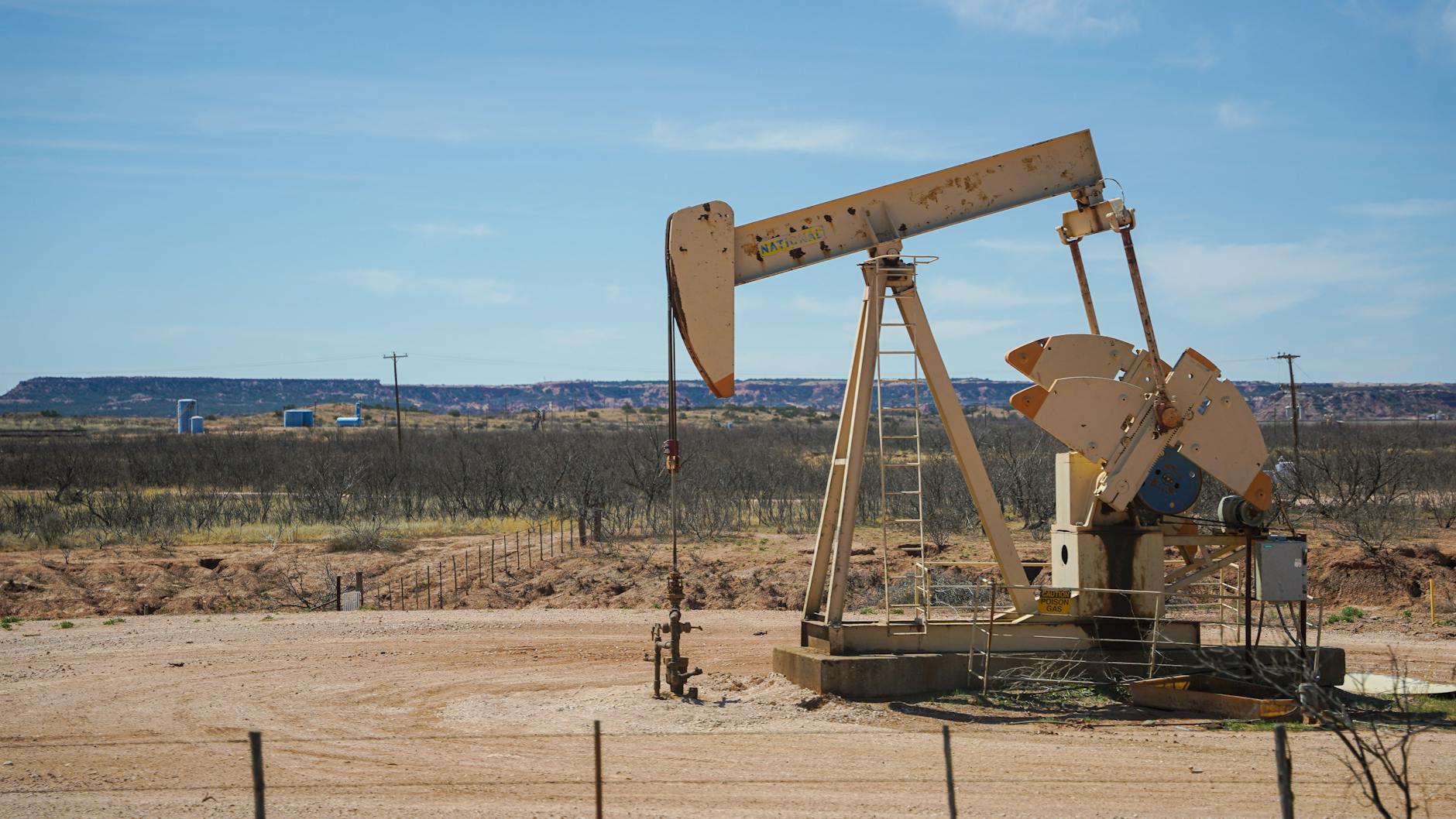
The de-escalation of Iranian tensions sent crude oil prices tumbling, which had immediate benefits for sectors most exposed to energy input costs. Airlines, which spend enormous percentages of their operating budgets on fuel, benefited substantially from the prospect of lower jet fuel costs. Industrial companies, manufacturers, and logistics firms—all dependent on energy-intensive transportation—also saw their profit outlooks improve. Some of the strongest performers on March 23rd included 3M (up 3.80%), Sherwin-Williams (up 3.51%), and Home Depot (up 3.11%), all businesses that rely on stable energy costs and are sensitive to economic sentiment about future growth.
The Russell 2000, an index of small-cap stocks heavily weighted toward domestic-focused companies, surged 2.3% on March 23rd, a particularly strong performance that reflected how deeply U.S.-focused, commodity-sensitive small businesses benefit from reduced geopolitical uncertainty. Large multinational corporations also benefited, but the percentage gains were often smaller because these companies typically have more sophisticated hedging strategies in place to manage energy price volatility. The lesson here is that major geopolitical events don’t benefit all stocks equally—the gains accrue most powerfully to companies whose profit margins are most threatened by the underlying risk. As tensions ease, those companies rebound most dramatically.
Understanding the Broader Market Performance on March 23, 2026
While the Dow Jones’s 631-point, 1.38% gain captured headlines, the full market picture provides important context. The S&P 500, the broader measure of large-cap stock performance, gained 1.15%, reaching 6,581.00. The Nasdaq Composite, which includes many technology and growth stocks, climbed 1.38%, reaching 21,946.76. The Russell 2000’s 2.3% gain actually outpaced the larger indices, suggesting that smaller, domestically-focused companies were most enthusiastic about the geopolitical relief.
This pattern of gains across different market segments—with smaller-cap stocks outperforming—tells us something important about investor sentiment. It indicates that the rally wasn’t driven by a rush into “safe haven” assets or defensive positions; instead, it reflected genuine optimism about business conditions improving when geopolitical risks decline. If investors were simply fleeing to large multinational tech stocks as a refuge from uncertainty, the Nasdaq would have outperformed the Russell 2000. Instead, the fact that small-cap and domestically-focused stocks led the gains demonstrates confidence in the stability of the domestic economy and expectations for improved business activity across many sectors.
What Does This Volatility Mean for People Planning Their Financial Future?
Market swings like the 631-point jump on March 23rd can generate anxiety for people with retirement accounts or long-term investments, particularly if they’re entering or already in retirement when portfolio stability becomes more important. However, understanding that these moves typically reflect rational reactions to new information can help contextualize normal market behavior. A single day’s gain, no matter how impressive, doesn’t indicate a new permanent trend—it’s simply the market’s instantaneous repricing of expectations based on the geopolitical announcement. For long-term investors, the critical insight is that geopolitical volatility should be expected and planned for, not feared.
If you’re invested in a diversified portfolio of stocks and bonds, you’ll experience days like March 23rd when markets jump sharply, and you’ll also experience days when they decline for similar geopolitical or economic reasons. The overall long-term returns, however, tend to reward investors who maintain their allocations through these normal fluctuations rather than trying to trade around them. A significant warning applies here: if you’re tempted to make major portfolio changes based on a single day’s market movement, you’re likely to damage your long-term returns by selling low during pessimistic periods and buying high during optimistic ones. Discipline during volatile periods—maintaining your planned asset allocation and investment timeline—typically outperforms attempts to time market movements.

Historical Context: Are 631-Point Days Common?
One-day swings of 600+ points on the Dow Jones have become increasingly common in recent years, a phenomenon driven by both higher absolute stock prices (which makes percentage moves translate into larger point moves) and the speed at which information travels in modern markets. During the 2008 financial crisis, the Dow experienced multiple 500+ point days, both up and down. The COVID-19 pandemic of 2020 produced some of the most volatile single-day moves in market history. The March 23, 2026 rally represented a significant move but falls within the range of normal modern market behavior, particularly when major geopolitical developments occur.
What distinguishes healthy market movements from dangerous volatility is the underlying cause and whether the moves reflect real changes in economic fundamentals. The March 23rd jump reflected a genuine, material reduction in geopolitical risk that affects oil prices, corporate profit margins, and economic growth expectations. This is the kind of movement markets should experience—rapid repricing based on new information. More concerning would be if major price moves occurred based on rumors, speculation, or technical trading patterns disconnected from economic reality. The March 23rd movement passed the fundamental test: the geopolitical development was real, the market impact was logical, and the repricing was reasonable.
Looking Ahead—What Does De-escalation Mean for Market Stability?
The pause in U.S. military actions against Iran represents a potential inflection point for market sentiment if it leads toward sustained de-escalation and diplomatic solutions. Even if the current five-day pause eventually leads to renewed tensions, investors have now been reminded that diplomatic pathways exist and that military escalation isn’t inevitable. This psychological shift often proves durable, as it changes the baseline expectations investors use for planning.
Oil markets have already normalized to lower prices based on reduced geopolitical premium, and businesses have begun factoring in lower energy costs into their planning and earnings projections. However, geopolitical stability shouldn’t be assumed to be permanent. Markets will continue to experience volatility from new developments in the Middle East, central bank policy decisions, economic data releases, and countless other factors. The March 23rd rally provides an excellent case study in how markets function—they respond to new information with speed and efficiency, repricing assets almost instantaneously to reflect the new reality. For investors, the lesson is clear: focus on your long-term plan, understand that volatility is part of the market experience, and use days like March 23rd as reminders that your portfolio should be positioned for the future you expect, not for protecting against every possible short-term fluctuation.
Conclusion
The 631-point Dow Jones jump on March 23, 2026, wasn’t the result of a bubble or irrational exuberance—it reflected a concrete change in geopolitical risk following diplomatic progress between the United States and Iran. The reduction in military conflict concerns removed a significant source of uncertainty that had been pressuring the market and particularly oil prices. The broad-based nature of the rally, with gains across all major indices and particularly strong performance from smaller-cap and domestically-focused stocks, confirmed that investors were genuinely optimistic about improved business conditions, not simply fleeing to safety.
Understanding these connections between world events and market movements helps demystify the daily fluctuations that can otherwise generate unnecessary anxiety. If you’re managing retirement savings or long-term investments, the March 23rd event offers practical lessons: maintain your planned asset allocation through volatility, understand that market swings of this magnitude are normal, and resist the temptation to make major portfolio changes based on single-day movements. The most reliable path to long-term wealth accumulation remains disciplined, diversified investing with an appropriate mix of stocks and bonds tailored to your timeline and goals. Geopolitical events will continue to move markets—that’s how the system functions—but they typically represent opportunities for stable, long-term investors rather than threats to their financial plans.




