Multiple aircraft incidents are currently under investigation following sudden damage events, including a US F-35 stealth fighter damaged over Iran on March 19, 2026, a Ryanair mechanical incident at Manchester’s Terminal 3, and a Delta Airlines flight that encountered severe turbulence from Los Angeles to Sydney with five passengers injured. These investigations represent routine but critical safety procedures that aviation authorities use to prevent future incidents and understand root causes. This article examines what happens after an aircraft is damaged, how investigations work, the types of incidents aviation authorities are currently examining, and what these procedures mean for passenger safety.
Aircraft damage investigations vary significantly depending on the type of incident, severity level, and the aircraft involved. A military fighter jet investigation operates under different protocols than a commercial airliner review, yet both follow systematic approaches to document what happened and why. Understanding these investigative processes helps explain why certain incidents receive immediate media attention while others proceed through standard channels with less public visibility.
Table of Contents
- What Types of Aircraft Damage Trigger Investigations?
- How Do Aviation Authorities Investigate Damage?
- Recent Commercial Aircraft Incidents Under Review
- Military Aircraft Investigations and Damage Assessment
- Investigation Challenges and Long Investigation Timelines
- Passenger Safety Protocols During Investigations
- Future Aircraft Safety and Investigation Improvements
- Conclusion
What Types of Aircraft Damage Trigger Investigations?
Aircraft damage that triggers formal investigations ranges from combat-related impacts to mechanical failures, severe weather encounters, and accidents during landing or takeoff. The March 2026 F-35 incident over Iran involved suspected combat damage from Iranian fire, forcing an emergency landing—a scenario that requires immediate military investigation protocols. In contrast, the Ryanair Flight RK558 from Dublin to Manchester experienced what the airline described as a “minor technical issue” with visible smoke, prompting firefighters to respond as a precaution and triggering mechanical investigation procedures.
Weather-related damage represents another category entirely. The Delta Airlines flight from Los Angeles to Sydney encountered sudden turbulence that resulted in five passenger injuries, including three hospitalized at Royal Prince Alfred Hospital. This type of incident prompts investigations into weather patterns, pilot procedures, and passenger safety protocols. The distinction matters because investigators must determine whether damage resulted from pilot error, mechanical failure, environmental factors, or a combination of causes.
How Do Aviation Authorities Investigate Damage?
The Federal Aviation Administration (FAA) and National Transportation Safety Board (NTSB) maintain detailed databases and systematic investigation procedures for commercial aircraft incidents in the United States. When an aircraft sustains damage, investigators examine physical evidence, review flight data recorders (black boxes), interview crew members, and analyze maintenance records.
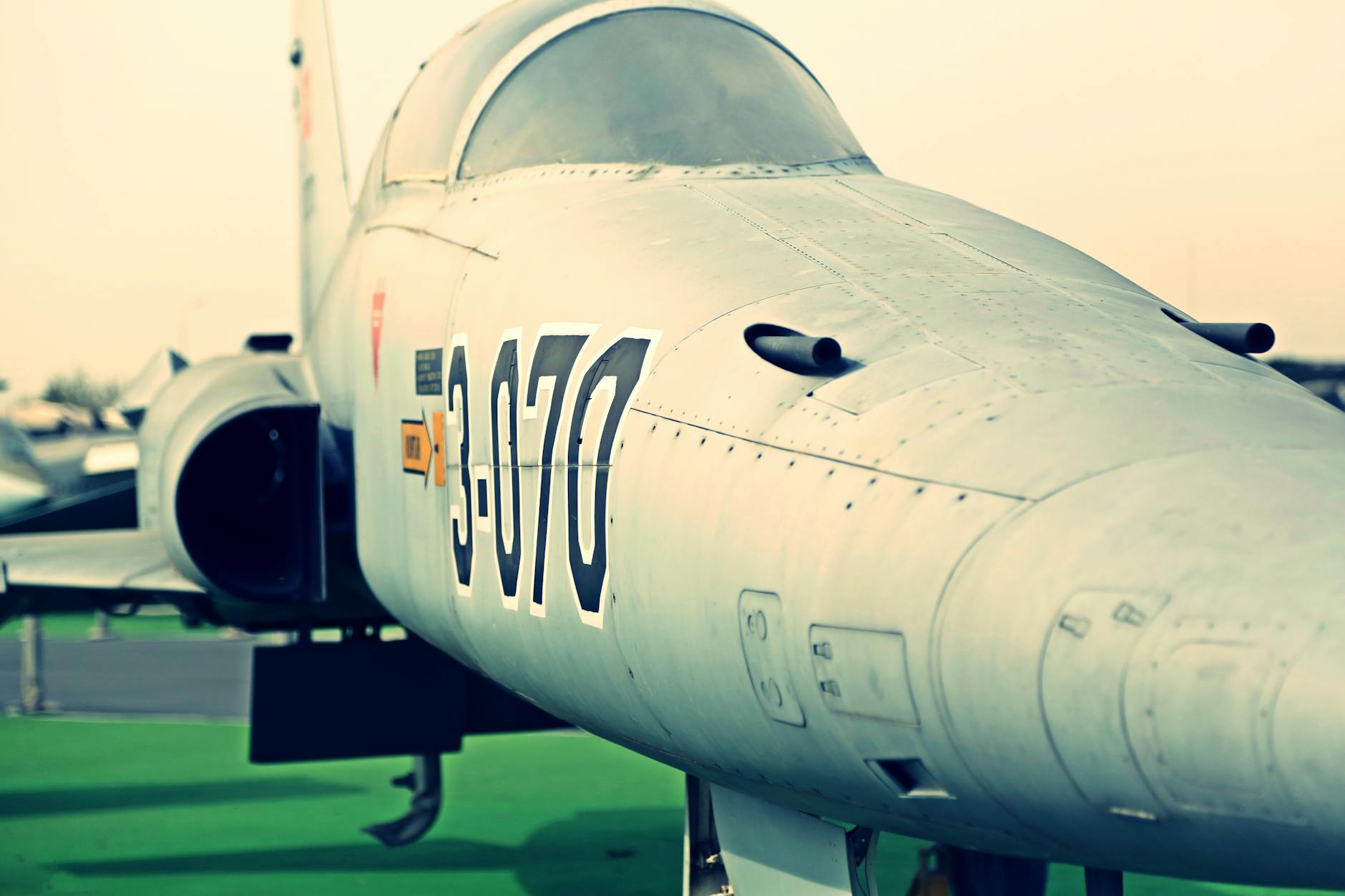
However, investigations of military aircraft like the F-35 follow different chains of command and protocols, typically involving Defense Department personnel and military aviation experts. Each investigation must answer specific questions: What physical damage occurred? What was the sequence of events leading to the damage? What were the environmental and mechanical factors? Could the incident have been prevented? The thoroughness of these investigations is essential, but it also means timely public disclosure may not occur immediately. Military investigations, in particular, may remain classified or under review for extended periods while civilian aviation investigations typically follow public reporting standards through the NTSB Aviation Investigation Search database.
Recent Commercial Aircraft Incidents Under Review
The Ryanair incident and Delta turbulence case represent two common commercial aviation scenarios that regularly trigger investigation protocols. Ryanair’s mechanical issue resulted in what the FAA and relevant authorities classify as a “minor tech issue,” yet the presence of smoke and emergency response procedures means the incident must be documented and reviewed. Investigations of this type typically examine the aircraft’s maintenance history, specific component failures, and whether proper maintenance schedules were followed.
The Delta Airlines turbulence incident resulting in passenger injuries reflects unpredictable weather challenges that aviation authorities track carefully. While turbulence-related injuries represent a known risk factor in aviation, investigations examine whether the crew responded appropriately, whether seatbelt usage affected injury severity, and whether the flight path could have avoided the worst conditions. The hospitalization of three passengers at Royal Prince Alfred Hospital in Sydney underscores why these investigations matter—they inform future safety procedures and crew training requirements.

Military Aircraft Investigations and Damage Assessment
Military aircraft investigations operate under different frameworks than civilian procedures, particularly when incidents occur in combat zones or international airspace. The F-35 stealth fighter damaged over Iran on March 19, 2026, underwent immediate military investigation procedures with the pilot safely making an emergency landing in stable condition. These investigations are conducted by military aviation experts and relevant defense authorities, and findings may be classified or restricted from public release depending on national security considerations.
The distinction between military and civilian investigations means that publicly available information about military incidents may be limited compared to commercial aviation cases. However, both types of investigations serve similar purposes: documenting what occurred, identifying root causes, and implementing corrective measures to prevent recurrence. For the F-35 incident, investigators would examine battle damage assessment, aircraft systems performance under damage conditions, pilot decision-making, and weapon system impacts.
Investigation Challenges and Long Investigation Timelines
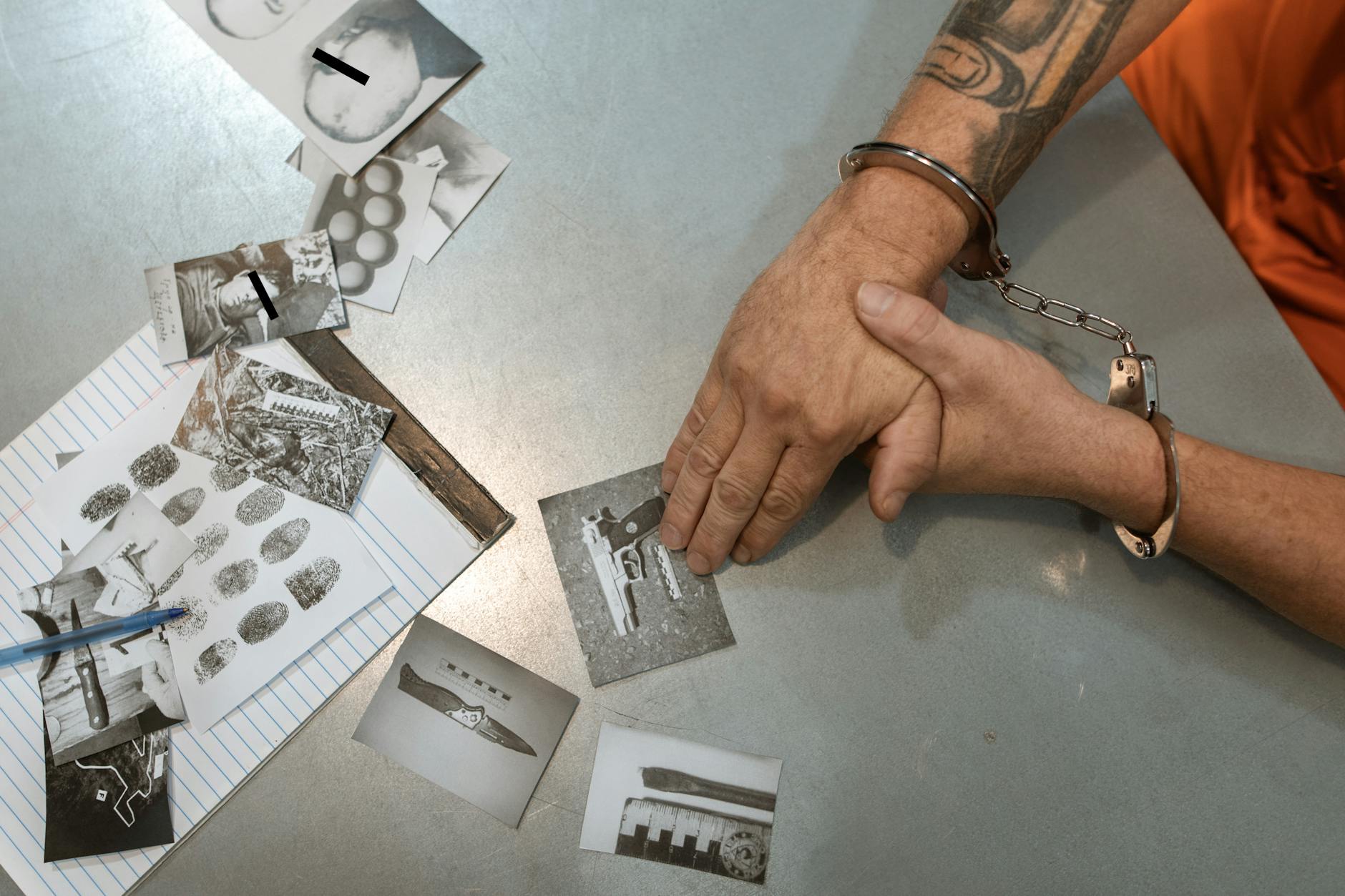
Aircraft investigations often take months or years to complete, despite immediate response procedures and initial incident reports. Complex mechanical failures require extensive laboratory analysis, environmental data cross-referencing, and expert testimony from multiple specialists. Investigators must rule out competing hypotheses and establish causation with high confidence before releasing formal findings.
One significant limitation of investigation timelines is that preliminary reports may be released quickly, but final accident investigation board determinations come much later. This delay frustrates stakeholders wanting immediate answers, but it reflects the technical complexity involved. The Rutan VariEze crash near Burns Bog, Delta, British Columbia on February 28, 2026, with pilot minor injuries and substantial aircraft damage, will likely undergo months of investigation despite seemingly straightforward circumstances. Initial assumptions about cause often change when evidence is examined more thoroughly.
Passenger Safety Protocols During Investigations
When commercial aircraft experience damage requiring investigation, passenger safety remains the primary concern during and after the incident. The Delta Airlines turbulence case demonstrates how unexpected conditions affect passenger safety despite crew training and modern aircraft design. Investigations examine whether flight attendants were properly positioned, whether passenger seatbelt usage was enforced, and whether crew communication adequately warned passengers of severe conditions.
Investigation findings often result in revised crew training procedures, modified flight protocols, and updated passenger safety briefing content. Airlines use investigation results to implement improvements that reduce injury risk in similar future scenarios. The fact that three passengers required hospitalization from the Delta turbulence incident likely prompted specific investigation focus on safety procedures and whether additional protective measures could have reduced injury severity.
Future Aircraft Safety and Investigation Improvements
Aviation safety continues evolving as investigations reveal new risk factors and suggest preventive measures. Modern aircraft increasingly include advanced telemetry systems, improved structural damage resistance, and enhanced communication tools that provide investigators with more detailed incident data. These technological improvements support more thorough investigations and faster identification of root causes.
The incidents under investigation in March 2026 contribute to this ongoing safety evolution. Each investigation adds to the collective knowledge base that informs aircraft design, maintenance procedures, and operational protocols. Whether investigating military aircraft combat damage, commercial mechanical failures, or weather-related incidents, aviation authorities worldwide use systematic investigation processes to extract lessons that enhance safety for future flights and passengers.
Conclusion
Aircraft damage investigations serve as critical safety mechanisms in commercial and military aviation, examining incidents ranging from combat-related fighter jet impacts to turbulence-related passenger injuries. The March 2026 incidents—including the F-35 fighter damage over Iran, Ryanair’s mechanical issue, the Delta Airlines turbulence case, and the Rutan VariEze crash—represent the types of events that trigger systematic investigation procedures through organizations like the FAA, NTSB, and military aviation authorities.
Understanding these investigation processes reveals why aircraft safety remains one of aviation’s strongest accomplishments. Each investigation, from initial incident response to final findings, contributes specific knowledge that prevents future occurrences and protects passengers and crews. As aviation systems continue advancing, investigation procedures become more sophisticated, allowing authorities to identify causes with greater precision and implement evidence-based safety improvements across the industry.