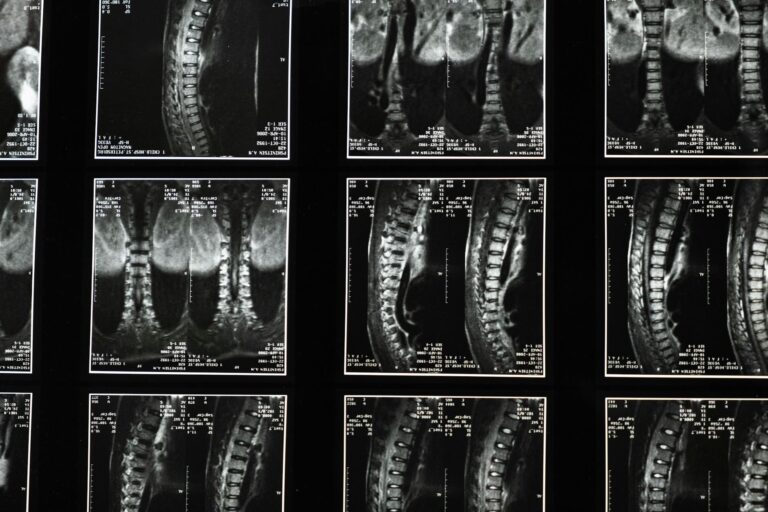
When doctors examine patients experiencing chronic back or neck pain, they often find a common culprit: degenerative disc disease. The eight primary causes of this condition—age-related disc dehydration, mechanical stress from poor posture, obesity, smoking, sedentary behavior, genetic predisposition, prior injuries, and cellular inflammation—tell a clear story about how our spines age. If you’re over 50, there’s an 80 percent chance your spine already shows some degree of disc degeneration on imaging, even if you feel fine. For someone in their sixties or older, the prevalence jumps to over 96 percent.
The good news is that understanding these causes helps you recognize which ones you can influence and which are beyond your control. This article breaks down all eight causes that doctors consistently observe as people age, explaining the mechanisms behind each one and how they interact to accelerate or delay spinal degeneration. Whether your concern is prevention, understanding a recent diagnosis, or managing existing disc problems, knowing these causes helps you make informed decisions about your health. Some causes like smoking and weight are within your control; others like genetics and the passage of time are not. But together, they paint a complete picture of why disc degeneration is one of the most common age-related changes in the human body.
Table of Contents
- Why Water Loss in Spinal Discs Is Your Spine’s Biggest Enemy as You Age
- How Mechanical Stress and Poor Posture Accelerate Degeneration
- Why Weight, Smoking, and Inactivity Create a Perfect Storm for Disc Damage
- The Role of Genetics—Why Some Families Have Tougher Spines Than Others
- How Past Injuries and Current Inflammation Compound Spinal Damage
- Why Disc Degeneration Progresses Faster in Women Than Men
- What These Eight Causes Tell Us About Prevention and Your Spinal Future
- Conclusion
Why Water Loss in Spinal Discs Is Your Spine’s Biggest Enemy as You Age
Your intervertebral discs—the cushions between vertebrae—are packed with water when you’re young. At birth, discs contain approximately 80 percent water, which gives them their shock-absorbing capacity and flexibility. As decades pass, discs progressively lose hydration. This isn’t a process you can see or feel happening, but imaging reveals its progression: by age 20, 37 percent of people already show signs of disc degeneration on MRI or CT scans. The dehydration accelerates over time, and by age 50, that number jumps to 80 percent of the population. The loss of water fundamentally changes how discs function.
A well-hydrated disc can distribute load evenly across the vertebra below it and absorb the impact of movement. As water content drops, the disc becomes less elastic and more brittle—imagine the difference between a fresh sponge and a dried-out one. This loss of hydration is not caused by drinking less water; it’s a cellular process driven by aging itself. The nucleus pulposus, the gel-like center of the disc, gradually loses its ability to retain water molecules. This is why even people who maintain good posture and don’t smoke still develop some disc degeneration by their sixties and seventies. By age 80 and beyond, nearly everyone shows degeneration, making this the most universal cause of disc aging.
How Mechanical Stress and Poor Posture Accelerate Degeneration
While aging alone causes some degeneration, the way you use your spine every day dramatically speeds up or slows down that process. Chronic neck flexion—the forward head posture many people develop from smartphone use and prolonged sitting—places constant uneven stress on discs. Similarly, jobs requiring repetitive heavy lifting, frequent bending, or twisting create mechanical strain that damages disc structure faster than normal aging would. A warehouse worker lifting 50 pounds daily experiences more disc stress than someone in an office job, even if both are the same age.
The reason mechanical stress matters so much is that discs are designed to handle normal movement but struggle when stress is concentrated or repetitive. When you hold your head forward while looking at a phone, you’re not just inconveniencing your neck—you’re shifting load from multiple disc levels to fewer discs, concentrating pressure. Over months and years, this accelerated stress causes the outer fibrous ring of the disc to develop small tears, allowing the inner gel to bulge outward. For people in occupations with high physical demands, degenerative changes often appear 10 to 15 years earlier than they would otherwise. However, this also means that correcting posture and reducing repetitive strain can slow progression, making it one of the few causes where lifestyle intervention has measurable protective value.
Why Weight, Smoking, and Inactivity Create a Perfect Storm for Disc Damage
Three lifestyle factors working together create especially rapid disc degeneration: obesity, smoking, and sedentary behavior. Research shows that age and obesity together are strongly associated with disc degeneration across all spinal regions. Excess weight increases the load on discs throughout the day, but the damage isn’t purely mechanical—obesity creates a chronic inflammatory state that affects disc cell metabolism and accelerates cellular aging within the disc itself. Notably, obesity in young adults raises the risk of early disc degeneration, meaning that someone who is overweight at 35 may develop the same degree of spinal wear as a normal-weight person at 55. Smoking accelerates degeneration through multiple pathways.
It reduces blood flow to discs, starving them of nutrients and oxygen. It increases oxidative stress—cellular damage from free radicals—which damages the proteins that make up disc structure. It also impairs the immune system’s ability to repair damage, meaning injuries that might heal slowly in a non-smoker simply accumulate. A sedentary lifestyle compounds these problems: without regular movement and exercise, discs don’t receive the nutrient exchange they need, and the muscles supporting the spine weaken. The combination of excess weight, smoking, and sitting for eight or more hours daily creates a cascade of harm. The limitation here is important to understand: even people who maintain ideal weight and exercise regularly will develop some age-related disc degeneration, so while these factors matter tremendously for slowing progression, they cannot prevent degeneration entirely.

The Role of Genetics—Why Some Families Have Tougher Spines Than Others
Genetic predisposition plays a significant role in how quickly your discs degenerate. Some people inherit spines that are inherently more resistant to wear; others inherit spines that break down faster regardless of lifestyle choices. Family history is a genuine risk factor—if your parents or siblings developed disc problems early, your risk is elevated. This isn’t fatalism; it means that someone with a strong family history of spinal problems might benefit from earlier intervention and more aggressive prevention than someone without that genetic loading.
The genetic component affects disc composition, water-retention capacity, and how effectively cells repair themselves. Certain genetic variations influence how well the nucleus pulposus maintains hydration and how robust the disc’s outer ring is. These differences mean that two 50-year-olds with identical posture, weight, and exercise habits may show very different degrees of degeneration on imaging—one because of inherited vulnerability, the other because of inherited resilience. If you know your family has a history of back pain, disc herniation, or spinal fusion surgery, this information should inform your preventive strategy. It doesn’t mean you’ll inevitably have the same problems, but it does mean you have a higher threshold for intervention and should be more vigilant about modifiable risk factors like posture and weight.
How Past Injuries and Current Inflammation Compound Spinal Damage
A single significant spinal injury—a car accident, a fall, a severe strain—can alter the trajectory of disc degeneration for decades afterward. Prior trauma compromises the disc’s structural integrity, even if the injury was treated and seemed to heal. Imaging studies show that people with a history of spinal injury develop degenerative changes at levels above and below the injury site, suggesting that trauma sets off a cascade of accelerated aging in the surrounding tissue. This is particularly important for younger people: a disc injury at 30 can lead to visible degeneration by 45, whereas the same person without that injury history might not show degeneration until 60 or later. Beyond mechanical injury, chronic inflammation within disc tissue is a key driver of cellular aging and degeneration.
Inflammatory cytokines—signaling molecules released during injury or infection—trigger a cascade of cell death (apoptosis) and premature aging (senescence) in nucleus pulposus cells. Oxidative stress accumulates in the disc, damaging proteins and lipids that maintain disc structure. What’s important to understand is that inflammation in the disc can be triggered not just by injury but also by obesity, smoking, and poor metabolic health. This means that a person with a prior disc injury who also smokes and is overweight faces especially rapid degeneration because they have both acute inflammatory triggers and chronic inflammatory conditions worsening disc health simultaneously. Prevention of future injury becomes critical: protecting your spine from repetitive microtrauma and avoiding behaviors that trigger inflammation are among the few ways to meaningfully slow progression beyond what genetics and age alone would cause.

Why Disc Degeneration Progresses Faster in Women Than Men
Clinical data reveals an important gender difference in disc degeneration: progression occurs 40 to 70 percent more frequently in women than in men. Among people under 50, disc degeneration is present in 71 percent of men and 77 percent of women. By age 50 and beyond, both sexes show degeneration at rates exceeding 90 percent, but the trajectory differs. Women experience faster progression during and after perimenopause, suggesting that hormonal factors influence disc health.
Estrogen plays a protective role in maintaining disc structure and reducing inflammation, so the decline in estrogen during menopause may accelerate degenerative changes. This doesn’t mean women’s discs are inherently weaker, but rather that hormonal shifts create additional vulnerability during a specific life stage. Women who are overweight, sedentary, or smokers during perimenopause face especially rapid progression. Understanding this pattern helps women understand why back pain or disc symptoms might suddenly worsen in their forties or fifties even without any apparent injury or lifestyle change. It also suggests that women in this age range should be particularly attentive to weight, exercise, and other modifiable risk factors, as the hormonal milieu provides less natural protection against degeneration.
What These Eight Causes Tell Us About Prevention and Your Spinal Future
Looking at all eight causes together reveals an important pattern: some are inevitable (aging, genetics) while others are heavily modifiable (weight, smoking, posture, activity level). No one can stop the passage of time or rewrite their DNA, but the evidence is clear that how you live between now and your sixties, seventies, and beyond shapes your actual spinal health outcomes. Someone with an unfavorable genetic predisposition who maintains ideal weight, doesn’t smoke, exercises regularly, and maintains good posture may experience less degeneration than a genetically fortunate person who is overweight, sedentary, and smokes.
The other forward-looking insight is that disc degeneration itself is increasingly recognized as a treatable condition rather than an inevitable decline. Physical therapy, targeted exercise, weight management, and smoking cessation have measurable effects on slowing progression and reducing symptoms. Research continues to explore ways to reduce inflammation in degenerating discs and potentially regenerate lost hydration. While we cannot reverse disc degeneration that has already occurred, understanding these eight causes allows earlier intervention before severe symptoms develop, improving quality of life in older age.
Conclusion
Chronic disc degeneration reflects the convergence of aging, mechanical stress, lifestyle choices, genetic inheritance, prior injuries, inflammatory processes, and gender-specific vulnerabilities. While some of these causes are outside your control—you cannot stop aging or change your genetics—the evidence shows that modifiable factors like weight, smoking, posture, and physical activity have substantial protective effects. Someone diagnosed with disc degeneration at 55 or 65 has not necessarily failed at spine health; rather, they are experiencing a condition that affects the majority of people in that age group.
The question becomes not whether degeneration will occur, but how quickly it progresses and whether it causes symptoms or functional limitations. If you’re concerned about disc health, the most practical approach is to focus on what you can control: maintain a healthy weight, avoid smoking, practice good posture, stay physically active with regular movement and strengthening exercises, and address past injuries with professional guidance. For people with family histories of spinal problems or those already experiencing symptoms, these interventions become even more important. Regular conversations with your physician about spinal health, preventive screening when appropriate, and early treatment of symptoms can make a meaningful difference in maintaining function and quality of life as you age.