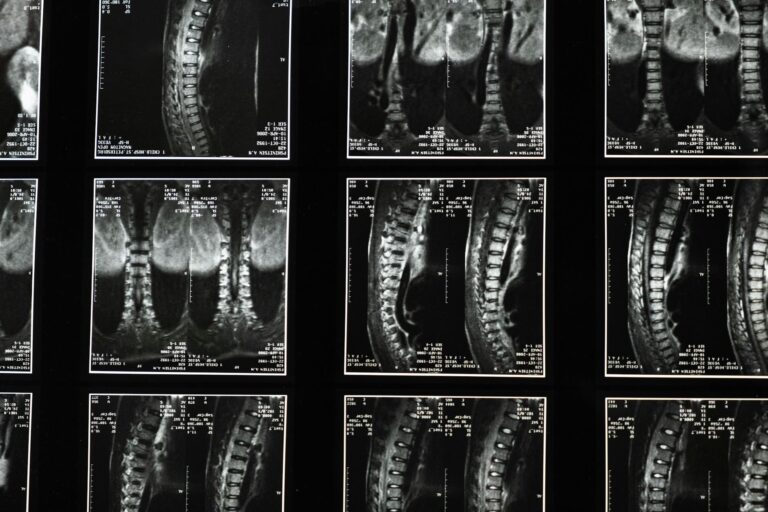
Lumbar spine degeneration occurs through ten primary mechanisms that specialists have identified through decades of clinical research: aging and natural disc deterioration, genetic predisposition, smoking, obesity, disc desiccation, occupational strain, traumatic injury, sedentary lifestyle, night shift work, and metabolic comorbidities. A 60-year-old who develops lower back pain and visits their physician for imaging will likely see evidence of disc degeneration—studies show that by age 60, imaging signs of lumbar spondylosis appear in nearly everyone, though many experience no symptoms at all. Understanding these causes matters because knowing what contributes to spinal degeneration helps people make informed choices about their health and recognize which factors they can modify versus which they inherit or cannot change. This article examines each of the ten causes in depth, explains how they accelerate degeneration, and identifies which factors pose the greatest risk.
The good news is that most intervertebral disc degenerations remain asymptomatic. A person might have imaging evidence of disc degeneration yet feel no pain or limitation. However, progression does occur in a meaningful percentage of the population—52% of men and 60.4% of women in one longitudinal study experienced disc degeneration progression in the entire lumbar spine over time. By understanding these ten causes, you can better protect yourself or support a loved one in maintaining spinal health.
Table of Contents
- How Aging and Genetics Shape Your Lumbar Spine Degeneration Risk
- The Impact of Smoking, Weight, and Hydration Loss on Disc Health
- Why Your Job and Work Habits Matter for Spinal Health
- Understanding Traumatic Injury and Repetitive Stress Patterns
- Systemic Health Conditions That Accelerate Spinal Degeneration
- The Sedentary Lifestyle Factor and Postural Stress
- What This Means for Prevention and Future Management
- Conclusion
How Aging and Genetics Shape Your Lumbar Spine Degeneration Risk
The two most powerful predictors of lumbar spine degeneration are completely outside your control: how old you are and what genes you inherited. Aging causes discs to lose water content in a predictable pattern—newborn discs are approximately 80% water, but this percentage drops substantially over decades. This loss of hydration means discs become less flexible, lose height, and can no longer absorb shock as effectively. Most people show some degree of disc degeneration after age 40, and by 60, it’s nearly universal on imaging, though the severity varies enormously.
Genetics matters more than many people realize. Research indicates that heredity accounts for 29% to 54% of the risk for disc degeneration, depending on which spinal level you examine and which imaging changes you measure. If your parents or grandparents experienced lumbar spine problems, your risk is substantially higher than someone with no family history. This doesn’t mean degeneration is inevitable—it means your discs are more vulnerable to damage from other causes like smoking, weight gain, or overuse. Someone with a strong genetic predisposition might develop noticeable degeneration by age 45, while someone without that genetic load might remain asymptomatic into their 70s even if imaging shows changes.

The Impact of Smoking, Weight, and Hydration Loss on Disc Health
Smoking accelerates spinal degeneration through a direct biological mechanism: it reduces blood flow to spinal tissues. Research specifically shows that smoking increases lumbar disc degeneration even when researchers control for other risk factors like systemic disease, obesity, and trauma. A person who smokes 20 cigarettes daily may experience disc changes 5-10 years earlier than an identical non-smoker. The effect is dose-dependent—the more you smoke and the longer you smoke, the greater the impact on your discs. Obesity and excess weight place constant mechanical stress on lumbar vertebrae and discs. A body mass index above 25 kg/m² increases degeneration risk, but the effect is particularly pronounced in people who became overweight at a young age.
A 30-year-old who carries an extra 50 pounds of weight is subjecting their lumbar discs to years of accumulated stress that accelerates the normal aging process. However, it’s worth noting that activity level matters independent of weight—an athletic person at a higher weight may have better disc health than a sedentary person at normal weight, though this is less thoroughly studied than weight alone. The loss of disc hydration, or desiccation, is both a cause and a consequence of degeneration. As discs age and break down, they lose elasticity and water content, which then accelerates further deterioration. A desiccated disc is brittle and fragile, more prone to rupture or develop other problems. This is why disc height on imaging often decreases in degenerated spines—the disc is literally thinner because it has lost water and structural integrity.
Why Your Job and Work Habits Matter for Spinal Health
Occupational factors contribute to lumbar degeneration, though the effect is more nuanced than “heavy lifting always damages your spine.” Jobs requiring heavy lifting, forceful bending, and repetitive motions—construction, nursing, farming, warehouse work—are associated with higher rates of disc degeneration. A warehouse worker who lifts 50-pound boxes 200 times per shift is exposing their lumbar discs to cumulative trauma. However, recent research suggests that socioeconomic factors and overall life stress may confound these associations, making occupational exposure a minor contributor compared to genetics, smoking, and obesity.
Night shift work emerged in research as an independent risk factor for both the development and progression of lumbar disc degeneration. The mechanism isn’t entirely clear, but chronic circadian rhythm disruption may impair the body’s ability to repair spinal tissues and maintain disc hydration. A nurse working nights for 20 years faces higher degeneration risk than an identical nurse on a day schedule. The effect is measurable enough that occupational health specialists now recognize it as a legitimate concern, though it’s one of the lesser-known causes compared to smoking or genetics.

Understanding Traumatic Injury and Repetitive Stress Patterns
Traumatic injury—a fall, a car accident, a heavy lifting incident—can accelerate disc degeneration at the injured level. However, research reveals an important limitation: fewer than 8% of sciatica cases, which often involve disc degeneration, were reported to have occurred after acute heavy lifting or physical trauma. This suggests that while injury matters, it’s less common as a cause than people assume. Many people recall a specific moment they “threw out their back,” but imaging typically shows that disc changes were already present; the injury simply exposed existing vulnerability.
Repetitive stress differs from acute injury. A person who performs the same bending and twisting motion thousands of times over years—a golfer, a dancer, a factory worker on a repetitive line—may gradually damage discs through accumulated microtrauma. This happens slowly enough that people don’t notice it until imaging reveals degeneration that was already quite advanced. The risk here is that repetitive stress often goes unrecognized as a cause because there’s no dramatic injury event to point to.
Systemic Health Conditions That Accelerate Spinal Degeneration
Your overall metabolic health directly affects your spine. Research identifies multiple systemic conditions as independent risk factors for surgical treatment of lumbar degenerative disc disease: diabetes mellitus, dyslipidemia (abnormal cholesterol), cardiovascular disease, hypertriglyceridemia, and elevated low-density lipoprotein cholesterol. These conditions likely damage discs through inflammatory mechanisms and by impairing the body’s ability to maintain tissue health. A person with poorly controlled diabetes may experience spine changes decades earlier than a metabolically healthy peer.
The mechanism connecting these metabolic conditions to disc degeneration isn’t fully understood, but inflammation appears central. High blood sugar, abnormal cholesterol, and cardiovascular dysfunction all trigger chronic inflammatory states that damage intervertebral disc cells. Additionally, people with diabetes have impaired ability to repair tissue damage, meaning a minor disc injury in a diabetic patient progresses more rapidly than in someone without diabetes. This is why managing diabetes, cholesterol, and cardiovascular health becomes a spine health issue, not just a metabolic health issue.

The Sedentary Lifestyle Factor and Postural Stress
Lack of physical activity and insufficient exercise are significant risk factors for both the development and progression of lumbar disc degeneration. This might seem counterintuitive given that occupational strain also causes degeneration—the real answer is that moderate, regular movement is protective, while both excessive stress and no movement are harmful. A sedentary office worker who sits 8 hours daily without exercise experiences disc stress from positioning and lack of muscular support. The muscles supporting the spine weaken without regular activity, forcing discs to bear more load than they should.
Poor posture compounds this problem. A person who hunches forward at a desk for years places excessive stress on the anterior (front) portion of their lumbar discs, accelerating degeneration at those pressure points. The solution isn’t bed rest—it’s movement. Regular walking, swimming, or strength training actually protects discs by maintaining the muscular corset that supports your spine. The sedentary factor is one of the few causes where behavioral change can produce measurable improvement.
What This Means for Prevention and Future Management
Understanding these ten causes reveals that some factors are modifiable and some are not. You cannot change your age or genetics, but you can stop smoking, maintain a healthy weight, exercise regularly, avoid night shift work if possible, and manage metabolic conditions like diabetes. Research shows that lifestyle modification, particularly smoking cessation and regular exercise, can slow degeneration progression even in people with strong genetic predisposition. The future outlook for lumbar spine degeneration management continues to evolve.
Newer treatments focus on regenerative medicine and disc repair rather than just managing pain, but these remain experimental. For now, the most evidence-based approach is preventing progression through lifestyle choices. Someone diagnosed with lumbar disc degeneration at age 50 can still meaningfully slow progression through the next two decades by addressing modifiable risk factors. The fact that most disc degenerations remain asymptomatic suggests that having imaging evidence of degeneration need not trigger alarm—instead, it can motivate protective behaviors.
Conclusion
Lumbar spine degeneration results from ten identifiable causes that specialists recognize through research: aging, genetics, smoking, obesity, disc desiccation, occupational strain, trauma, sedentary lifestyle, night shift work, and metabolic comorbidities. Five of these—aging, genetics, disc desiccation (which accompanies aging), occupational strain, and trauma—are less modifiable or occur over time without clear intervention points. The other five—smoking, obesity, physical inactivity, night shift work, and metabolic disease—are directly addressable through lifestyle and medical management.
If you’ve received imaging showing lumbar disc degeneration, the appropriate response is neither panic nor dismissal. Review which of these ten causes apply to your situation, identify which factors you can influence, and discuss prevention strategies with your healthcare provider. The progression rates—52% to 60% over time in population studies—mean that degeneration advances in many people, but the asymptomatic nature of most cases means you may experience no functional limitation. By addressing modifiable risk factors, you give yourself the best chance of maintaining spinal health and avoiding symptomatic degeneration that requires intervention.