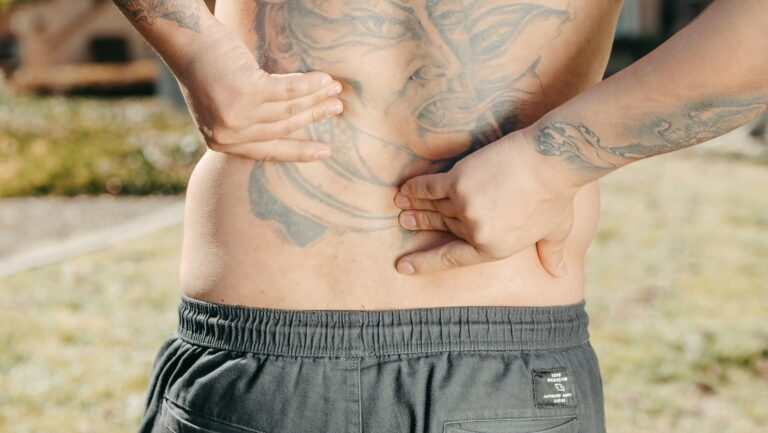
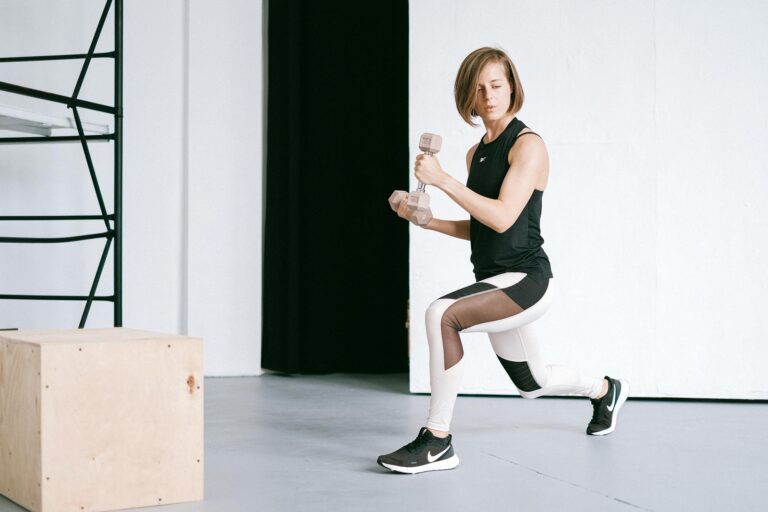
Physical therapists consistently recommend ten core exercises for spine stability: dead bugs, bird dogs, planks, wall sits, glute bridges, cat-cow stretches, quadruped shoulder taps, prone cobras, single-leg stance exercises, and resistance band pallof presses. These exercises strengthen the muscles that support your vertebrae and help prevent the muscle imbalances that often lead to back pain, poor posture, and increased fall risk—particularly important as we age. This article walks through each exercise, explains when and how to perform them correctly, and covers the specific benefits each one provides for your spine and overall balance. Spine stability refers to your body’s ability to maintain proper alignment and control during movement and rest.
When your core stabilizer muscles are weak, your spine works harder to stay in place, which can lead to pain, stiffness, and compensation injuries in your neck, shoulders, and hips. Physical therapists focus on exercises that activate deep core muscles rather than the surface abs you see in a mirror—muscles like the transverse abdominis, multifidus, and pelvic floor that work like an internal corset around your spine. The difference between spine stability exercises and traditional crunches or planks-for-the-gram is precision: these movements are specifically designed to strengthen the stabilizer muscles while keeping your spine in a neutral, safe position. Many people injure themselves by trying to do “fitness” exercises without proper form or progression, so learning the right technique matters as much as consistency.
Table of Contents
- What Makes Spine Stability So Critical as We Age?
- How Physical Therapists Teach and Progress Spine Stability
- The Foundation Exercises—Dead Bugs and Bird Dogs
- Planks and Wall Sits—The Classic Core Builders
- Glute Bridges and Prone Work—Building Posterior Chain Strength
- Standing and Balance Exercises—Translating Stability to Real Life
- Pallof Press and Rotational Stability—The Missing Piece
- Conclusion
What Makes Spine Stability So Critical as We Age?
Your spine is not a solid rod—it’s a stack of 33 vertebrae separated by discs that act like shock absorbers, all held together by ligaments and muscles. The muscles that stabilize your spine are the first to weaken with age and inactivity. When these deep core muscles deteriorate, your body compensates by overusing surface muscles (your rectus abdominis or obliques), which actually makes stability worse because these muscles pull your spine out of alignment rather than holding it steady. This compensation pattern is why someone might do 100 crunches and still have poor posture and back pain. Physical therapists notice that patients who lack spine stability often develop a pattern: they shift weight unevenly when standing, they lean forward when walking, their shoulders round forward, and they have reduced balance.
This is particularly concerning because poor balance and spinal mobility directly increase fall risk in older adults—a fall that might be minor for a younger person can cause serious fractures or mobility loss in someone with weaker stability. The good news is that spine stability improves quickly with consistent exercise, sometimes within 2-3 weeks of proper training. One limitation of spine stability exercises is that they require conscious effort and awareness at first. Unlike strength training where you can feel yourself getting stronger, stability work feels subtle—you’re activating muscles that don’t create visible movement. This is why many people abandon these exercises after a week; they don’t feel as “productive” as traditional exercise. However, this initial subtlety is actually the marker of correct form: if you’re shaking, straining, or using momentum, you’re not doing the stabilization work.

How Physical Therapists Teach and Progress Spine Stability
When a physical therapist assesses your spine stability, they’re looking at how you move through a range of positions and whether your spine stays aligned throughout. A simple test might involve having you lie on your back and raise one leg at a time while they watch whether your low back flattens against the floor or whether it arches up—if it arches, your deep core isn’t engaging. Another test involves having you stand on one leg and watching whether your hip drops, your torso sways, or your pelvis tilts. The key principle in physical therapy is progression: you don’t jump into a plank hold for 60 seconds if you can’t maintain proper form for 10. Most therapists start with supine (lying on your back) exercises where gravity assists you, then progress to quadruped (hands and knees), then to standing, then to single-leg variations.
This progression matters because jumping ahead can reinforce poor movement patterns. For example, doing planks before you’ve mastered dead bugs often leads to sinking through the shoulders and low back arching—which actually destabilizes your spine rather than stabilizing it. However, if you’ve already been exercising or have good baseline fitness, you may progress faster than someone returning from injury or illness. A 60-year-old who does yoga regularly might progress from dead bugs to planks in a week, while someone with chronic back pain might need two weeks at the dead bug stage. This is why working with a physical therapist initially is valuable—they assess your individual starting point rather than following a generic program. After you learn the form, you can maintain stability with 15-20 minutes of exercise two to three times per week.
The Foundation Exercises—Dead Bugs and Bird Dogs
The dead bug exercise is the starting point for most spine stability programs because it isolates your core while eliminating the balance challenge and gravity that make other exercises harder. You lie on your back with knees bent and feet flat, then slowly extend one leg and the opposite arm while keeping your lower back flat against the floor. The challenge isn’t to go far or fast; it’s to feel your abdominal muscles activate and to prevent any arch in your low back. Most physical therapists have patients do 10-15 repetitions per side, three times per week, before progressing. Bird dogs build on this foundation by moving to hands and knees (quadruped position) and extending one leg and the opposite arm while maintaining a flat back.
The difference between dead bugs and bird dogs is subtle but important: bird dogs require more balance because you’re reducing your base of support (from four points touching the ground to three), and they engage your gluteal muscles more directly. Many people find bird dogs harder than they expect because they arch their back or let one hip drop—watch your form carefully in a mirror or video, or ask someone to watch you. If your back arches, you’re not ready for bird dogs yet; stay with dead bugs until your form improves. A common mistake is doing these exercises too quickly. If you snap your leg out and pull it back in two seconds, you’re using momentum rather than muscle control, and you won’t build the stability you’re seeking. Physical therapists recommend a 2-second extension, a 1-second pause, and a 2-second return—slow, controlled movement that lets you feel your muscles working throughout.

Planks and Wall Sits—The Classic Core Builders
Planks are a staple of spine stability training because they force your entire core (front, back, and sides) to engage simultaneously to keep your spine neutral under the load of gravity. A proper plank starts from your knees if you’re new to exercise, with your shoulders directly over your wrists, your core braced (imagine pulling your belly button toward your spine), and your spine neutral (not drooping or hiking your hips up). Most people can hold a plank correctly for 15-30 seconds when they start; this is plenty. As you get stronger, you might work up to 45-60 seconds, though longer plank holds aren’t necessarily better—proper form matters far more than duration. Wall sits are a different kind of isometric hold: you stand with your back against a wall, slide down so your knees form a 90-degree angle (as though you’re sitting in an invisible chair), and hold.
Wall sits are excellent for building leg strength and stability, which supports your lower back. However, they’re more challenging than planks for some people because they require strong quads and can aggravate the knees if done with poor form (knees should track over your toes, not cave inward). If you have knee pain, consult your physical therapist before adding wall sits to your routine. The tradeoff between planks and wall sits is that planks challenge your core directly while wall sits challenge your lower body. Both contribute to spine stability because strong legs and glutes reduce the load on your low back during daily activities. Most physical therapists recommend doing both, rotating them: planks three days per week, wall sits two days per week, with rest days in between.
Glute Bridges and Prone Work—Building Posterior Chain Strength
Glute bridges are deceptively simple: you lie on your back with knees bent and feet flat, then press through your heels to lift your hips toward the ceiling. The cue physical therapists often use is “squeeze your glutes at the top”—not just to feel muscles working, but to ensure you’re actually activating your glutes rather than using your low back muscles. Many people perform glute bridges by arching their low back excessively, which destabilizes the spine rather than stabilizing it. The correct version involves a neutral spine and strong glute contraction, which you can verify by placing a hand on your low back and ensuring it stays relatively flat throughout. Prone cobra (or modified cobra pose) involves lying face-down with your hands under your shoulders and pressing upward slightly while keeping your pubic bone on the floor—this engages your low back extensor muscles and your glutes. Unlike a full yoga cobra or upward-facing dog, the prone cobra is a gentle, controlled extension that builds strength without overstressing.
A warning here: if you have active low back pain or a disc herniation, prone cobra can exacerbate symptoms. Always start gentle, and if you feel sharp pain (rather than a gentle muscle engagement), stop immediately. Prone cobra and glute bridges work your posterior chain—the muscles along the back of your body—which is critical because many people (office workers especially) are overactive in their front muscles and underactive in their back. This imbalance pulls your spine forward and increases low back strain. Building posterior chain strength rebalances your posture and reduces this strain. Most physical therapists recommend doing some form of posterior chain work (bridges, prone work, or back-extension machines) at least twice per week.

Standing and Balance Exercises—Translating Stability to Real Life
Single-leg stance exercises are among the most functional spine stability exercises because they challenge your balance in real-world conditions. Stand on one leg, keep your standing leg straight (or very slightly bent), and hold for 15-30 seconds per side. This exercise seems simple but engages your entire core, your standing leg muscles, and your balance system simultaneously. Physical therapists often progress this by having patients close their eyes, stand on a soft surface (foam mat), or rotate their torso gently—each variation increases the difficulty. Quadruped shoulder taps involve starting in a plank or hands-and-knees position, then tapping your opposite shoulder with one hand.
This exercise requires your core to stabilize while you shift weight between your hands, forcing your deep stabilizer muscles to work harder. The progression is: knees down (easier), knees up (harder), then faster taps (harder still). Many people find quadruped shoulder taps harder than planks because the dynamic movement creates more instability, so don’t jump into this exercise if you’re new to core work. A limitation of standing and balance exercises is that they require careful environmental setup—you want enough space to catch yourself if you lose balance, and you don’t want to stand next to hard furniture. This is particularly important for older adults or anyone with significant balance deficits. Always have a sturdy support nearby (chair, wall, counter) when starting these exercises.
Pallof Press and Rotational Stability—The Missing Piece
Pallof press exercises involve using a resistance band anchored at chest height while you stand sideways to the anchor point. You hold the band with both hands at your chest and press forward, resisting the band’s attempt to pull you into rotation. This exercise specifically builds anti-rotational stability—your ability to resist twisting forces—which is critical for spine stability during real-life movement. Many traditional core programs ignore rotational stability, which is why people strengthen their front and back but still hurt themselves when they reach across their body or twist to pick something up.
Pallof presses can be modified by changing your stance (feet together, staggered, or split stance) or band resistance. A beginner version uses a light band and a stable stance; advanced versions use heavier resistance and a split stance (one foot forward) that destabilizes you further. Physical therapists often use pallof presses as a test of true core stability—if your torso rotates toward the band, your core isn’t truly engaged. This final exercise category represents the “integrated” stage of spine stability training: rather than isolating individual muscles or movements, you’re teaching your core to stabilize during dynamic, rotational, and multi-planar (multiple-direction) movements that mimic real life.
Conclusion
The ten exercises physical therapists recommend for spine stability—dead bugs, bird dogs, planks, wall sits, glute bridges, cat-cow stretches, quadruped shoulder taps, prone cobras, single-leg stance, and pallof presses—work because they target your deep stabilizer muscles rather than superficial strength. Consistency and proper form matter far more than intensity: 15-20 minutes of correctly performed exercises three times per week builds remarkable stability and reduces back pain, improves balance, and increases fall prevention within 4-6 weeks.
Starting with a physical therapist to learn proper form is worth the investment; once you understand the exercises, you can maintain your stability independently at home. The key is to progress gradually, avoid compensation patterns (arching, momentum, poor posture), and think of stability as a foundation for all other movement. Your spine is designed to be stable, mobile, and strong—these exercises rebuild that capacity.