Pustules are small, pus-filled lesions—typically less than 5-10mm in diameter—that develop when your body mounts an inflammatory response to either an infection or irritation. They signal that your immune system is actively working, flooding the affected area with white blood cells to fight off bacteria or respond to inflammation, creating the mixture of fluid and dead cells that appears as pus. Understanding pustules matters because they’re one of the most visible signs that inflammation is occurring in your body, and learning what they mean helps you know whether you’re dealing with something that needs medical attention or a condition that will resolve on its own.
For instance, if you notice pustules appearing on your chest along with redness and sensitivity, that might indicate rosacea—a chronic inflammatory condition quite different from an infection requiring antibiotics. This article explains what pustules are, why they form, how they reflect your body’s inflammatory processes, who is most likely to develop them, and what treatment options are available. We’ll also explore why pustules matter particularly for older adults and how to distinguish between pustules that need professional care and those that are part of normal skin conditions.
Table of Contents
- What Are Pustules and How Do They Develop?
- Infectious vs. Sterile Pustules: Not All Pustules Mean Infection
- How Common Are Pustules and Who Is Most Likely to Develop Them?
- The Four Pillars of Pustule Formation and the Body’s Inflammatory Response
- Current Treatment Approaches and Emerging Therapies
- Pustule Locations and Clinical Presentation
- When Pustules Warrant Medical Evaluation and Looking Forward
- Conclusion
What Are Pustules and How Do They Develop?
Pustules are the body’s visible response to inflammation, containing a concentrated collection of inflammatory cells—primarily neutrophils (a type of white blood cell) and the remnants of dead white blood cells. When your body detects a threat (whether bacterial, fungal, or simply an irritant), it sends waves of immune cells to the site to contain and eliminate the problem. As these cells do their work and die, they accumulate along with tissue fluid, creating the characteristic yellow or whitish appearance of pus. This is why pustules are often described as pus-filled; the pus itself is evidence that your immune system is actively engaged in an inflammatory response.
The distinction between pustules and other skin lesions matters clinically. A papule is a small, raised, solid bump without pus, while a pustule has that central collection of pus. A nodule is larger and deeper. Understanding this difference helps you communicate with healthcare providers and recognize when a skin condition is likely involving infection versus other causes. For example, someone with severe acne might have a mix of papules, pustules, and deeper nodules across their face—each representing a different stage or type of inflammatory response.
Infectious vs. Sterile Pustules: Not All Pustules Mean Infection
While pustules often signal bacterial infection, this is not always the case. Many pustules are sterile—meaning they contain no bacteria—and instead develop from non-infectious inflammatory conditions such as rosacea and psoriasis. This is an important distinction because a sterile pustule still means inflammation is happening, but treating it with antibiotics won’t help; instead, the focus must be on managing the underlying inflammatory condition. Someone with rosacea might develop pustules on their face, neck, and chest accompanied by flushing and sensitivity, but antibiotics alone won’t resolve the condition—they need anti-inflammatory treatments and triggers identification.
This distinction is particularly important for older adults and those with cognitive decline. If an older person develops pustules, assuming they have an infection and pursuing aggressive antibiotic treatment without proper diagnosis can lead to unnecessary medication exposure, potential drug interactions, and disruption of healthy skin bacteria. Conversely, misidentifying an actual skin infection as rosacea or psoriasis and avoiding necessary treatment could allow a treatable infection to worsen. Proper diagnosis through physical examination and, when needed, culture or biopsy is essential.
How Common Are Pustules and Who Is Most Likely to Develop Them?
Pustules are remarkably common globally. Approximately 9.4% of the world’s population has acne—the condition most commonly associated with pustule formation. When looking at the broader age spectrum, 20.5% of people over age 16 globally experience acne, with the highest prevalence occurring in adolescents and young adults aged 16-24, where the rate reaches 28.3%. However, pustules and pustular conditions are not limited to teenagers; they occur across all age groups and across all ethnicities, though rates vary.
The prevalence of inflammatory acne (which includes pustules) differs by ethnicity and gender. Research shows that 20% of Asian women experience inflammatory acne compared to 10% of White women, while among White women, comedonal acne occurs in 14% versus inflammatory pustular acne in 10%. This variability likely reflects differences in skin physiology, genetic predisposition, and environmental factors. For older adults in care settings, pustules may also arise from medication side effects, poor hygiene during periods of limited mobility, or secondary skin infections in areas of skin breakdown or pressure wounds.
The Four Pillars of Pustule Formation and the Body’s Inflammatory Response
Modern dermatology recognizes that pustule formation—particularly in acne—involves four key pathogenic mechanisms: increased sebum (oil) production, follicular hyperkeratinization (abnormal skin cell buildup inside pores), the presence of bacteria, and inflammation. Understanding this framework explains why pustules persist and why treatment approaches have evolved. Simply washing the face or using a single treatment addresses only one or two of these pillars; effective management requires addressing multiple mechanisms simultaneously.
The inflammatory component is central to pustule formation. Even after bacteria are eliminated or skin cells normalize, if inflammation remains high, pustules can continue developing. This is why simplified, targeted treatment regimens are now considered standard—they aim to address all four pillars with the minimum number of steps necessary. For instance, a combination approach might simultaneously reduce sebum, normalize skin cell shedding, eliminate bacteria with a gentle antimicrobial, and reduce inflammation with a topical retinoid or anti-inflammatory agent.
Current Treatment Approaches and Emerging Therapies
Treatment for pustular conditions has advanced significantly. For rosacea-related pustules, low-dose 40mg minocycline HCI in extended-release formulation has shown effectiveness in reducing redness, papules, and pustules. This represents a shift away from high-dose antibiotics toward using these medications for their anti-inflammatory properties at lower doses, reducing potential side effects while maintaining therapeutic benefit. However, it’s important to recognize that not all pustular conditions respond identically; what works for rosacea-related pustules may differ from treatment for acne-related pustules.
Emerging therapies are targeting the underlying immune mechanisms driving pustule formation. Researchers are focusing on the OX40 pathway—a connection between immune cells that triggers inflammatory flares. By blocking this pathway, scientists hope to prevent inflammation before it fully develops into visible pustules. These newer approaches represent a paradigm shift from simply treating pustules after they appear to preventing them by interrupting the inflammatory cascade at its source. Such developments are particularly relevant for people with chronic pustular conditions who face repeated cycles of flare-ups.

Pustule Locations and Clinical Presentation
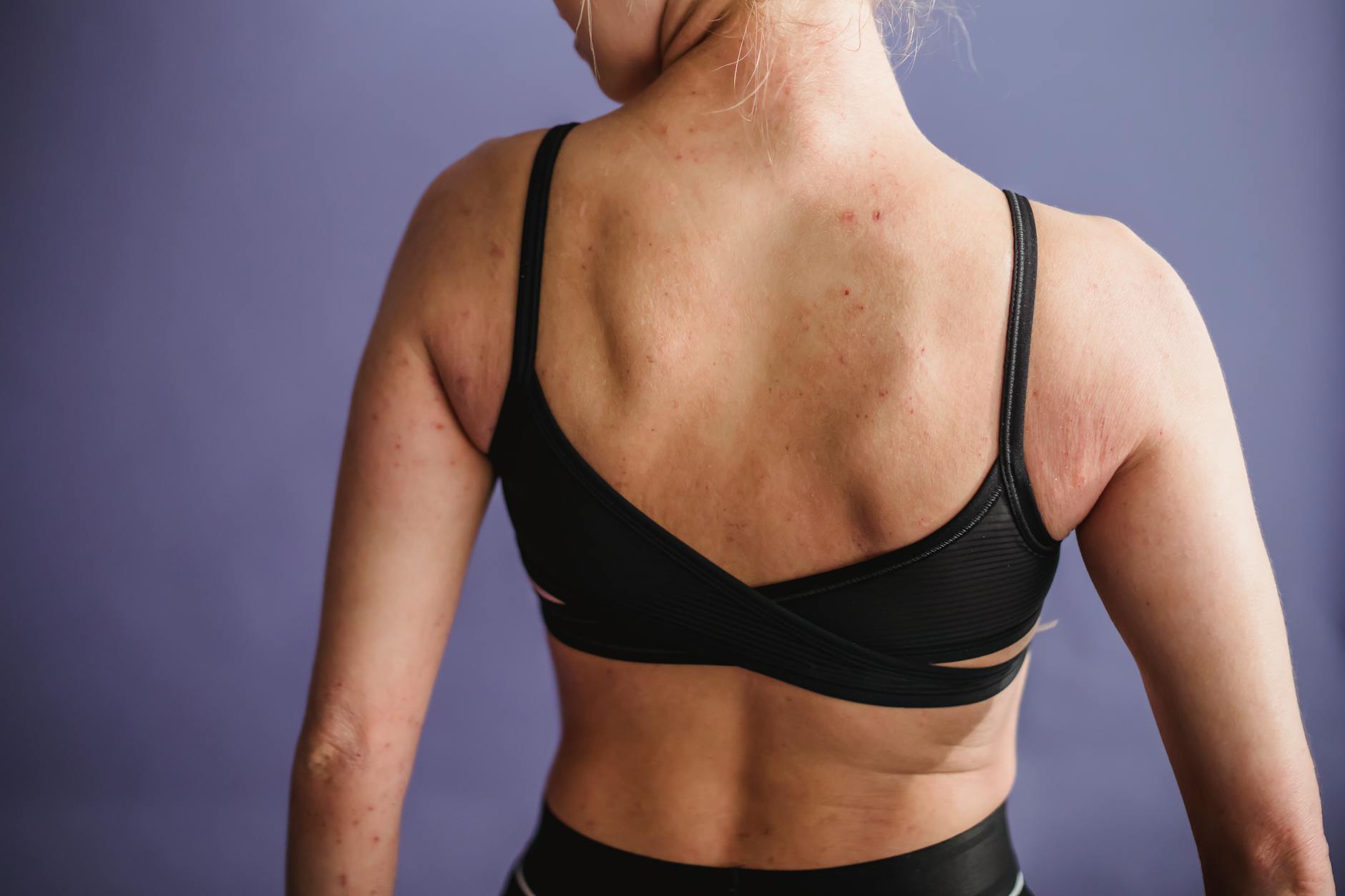
Pustules most commonly appear on the face, chest, and back, though they can also affect the upper arms and trunk. The reason for this distribution relates to the concentration of sebaceous glands in these areas; regions with more oil glands are more prone to acne-related pustules. For example, someone with rosacea typically develops pustules on the central face, cheeks, and nose—areas of particular vascular reactivity.
In contrast, someone with folliculitis (bacterial infection of hair follicles) might develop pustules anywhere the body has hair, including the legs, underarms, or even the scalp. Location matters clinically because it can help narrow the differential diagnosis. Pustules confined strictly to the face and upper chest might suggest acne or rosacea, while widespread pustules might indicate a systemic condition or drug reaction. In older adults with limited mobility, pustules appearing in skin folds or pressure areas should raise concern for secondary infection or inadequate hygiene management.
When Pustules Warrant Medical Evaluation and Looking Forward
Not every pustule requires a doctor’s visit, but certain signs should prompt professional evaluation. If pustules are spreading rapidly, accompanied by fever or systemic symptoms, affecting an unusual location, or failing to improve with standard care within 2-3 weeks, seek medical attention. For older adults or those with compromised immune systems, even seemingly minor pustular conditions can warrant earlier evaluation to prevent progression or secondary complications.
Looking forward, our understanding of pustular inflammation continues to evolve. Advances in identifying specific immune pathways, developing targeted anti-inflammatory therapies, and personalizing treatment based on individual inflammatory profiles promise more effective and side-effect-reduced options. For healthcare providers and patients alike, the shift toward understanding pustules as markers of specific inflammatory processes—rather than simply treating them topically—represents meaningful progress in managing these common skin manifestations.
Conclusion
Pustules are tangible evidence of your body’s inflammatory response, whether to infection or to other irritants and conditions. They represent an accumulation of white blood cells and immune mediators working to address a perceived threat. While commonly associated with acne, pustules arise from diverse causes—some infectious, many sterile—and their treatment depends fundamentally on identifying the underlying condition driving their formation rather than simply treating the pustules themselves.
Understanding pustules matters especially for older adults, those with chronic inflammatory conditions, and anyone managing their health proactively. If you notice new pustules, track their progression, location, and any accompanying symptoms. This information will help healthcare providers determine whether you’re dealing with a condition requiring antibiotics, anti-inflammatory management, or simple supportive care. With current treatment approaches targeting the multiple causes of pustule formation and emerging therapies addressing immune pathways directly, there are more effective options than ever before for addressing these inflammatory skin manifestations.