Dehydrated skin looks dull and tired, with a complexion that appears uneven and lackluster. The most telling signs are fine lines that form a network of connected triangular patterns across the face, combined with a rough, scaly texture—especially noticeable along the eyebrows and cheeks. Your skin may also appear sunken around the eyes, feel tight, and become increasingly sensitive to environmental triggers like wind, smoke, and pollution. These symptoms occur because your skin’s moisture barrier has been depleted of water, not because you lack natural oils.
Dehydration is different from dry skin, though the terms are often confused. Dehydrated skin is a temporary condition that affects anyone—even people with oily skin—when water content drops too low. It’s also largely reversible with proper hydration and skincare. This article explains what healthy skin hydration looks like according to measurable science, walks you through the visual and physical signs of dehydration, shows you how dermatologists measure hydration levels, and covers practical ways to restore moisture to your skin.
Table of Contents
- What Exactly Is Skin Hydration and How Much Water Should Your Skin Contain?
- The Visual and Physical Signs of Dehydrated Skin
- How Dermatologists Actually Measure Skin Hydration
- Dehydrated Skin Versus Dry Skin—Why This Distinction Matters
- Regional Variations Across Your Skin and What They Tell You
- How to Test Your Own Skin Hydration at Home
- Skin Hydration and Aging—Special Considerations for Older Adults
- Conclusion
What Exactly Is Skin Hydration and How Much Water Should Your Skin Contain?
skin hydration refers to the amount of water present in your skin at any given time. Healthy skin typically maintains hydration levels between 30 and 50 percent, according to dermatological assessment standards. Below 30 percent, your skin is clinically considered dehydrated; above 50 percent is actually overhydration, which can lead to its own problems like maceration (softening and breakdown of skin). The outer layer of skin, called the stratum corneum, normally contains about 30 percent water by weight. Deeper down in the dermis—the thicker layer beneath the outer epidermis—healthy young skin contains approximately 70 percent water overall.
The difference in hydration levels becomes apparent when you compare different areas of your body. The skin around your eyes (the periorbial area) has the highest water content at around 64 percent, which is why this delicate zone often shows dehydration first through fine lines and crepiness. In contrast, the skin on your back has the lowest hydration levels, averaging around 12.5 percent. This variation explains why some people notice dehydration symptoms on their face but their body skin feels fine. The face, being more exposed to environmental stressors and having thinner skin barrier, loses moisture more readily than protected areas.
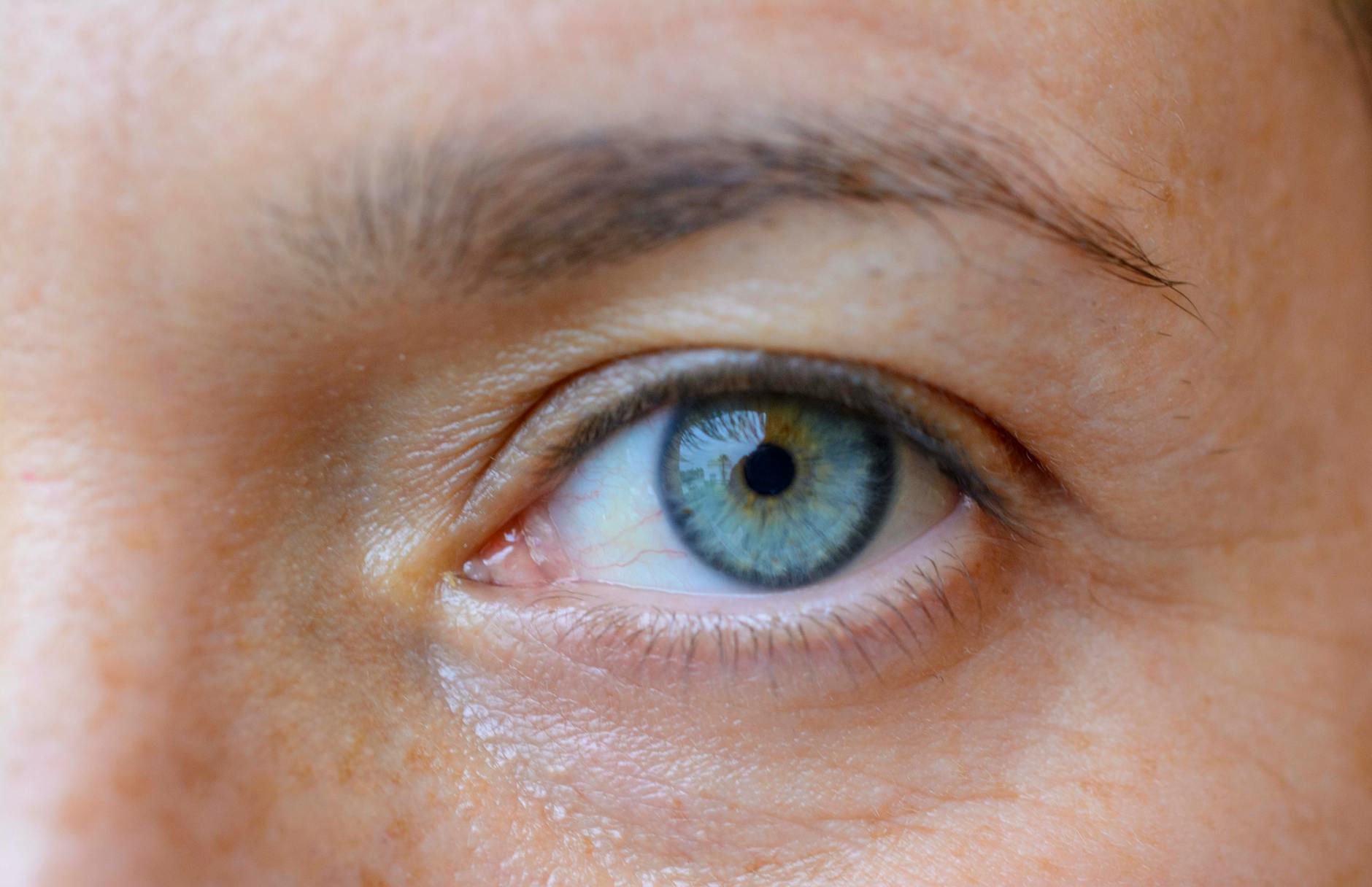
The Visual and Physical Signs of Dehydrated Skin
When your skin drops below that 30 percent hydration threshold, it sends clear visual signals. The most immediate change is a dull complexion with uneven tone—your skin loses its natural radiance and appears gray or tired. Fine lines become more pronounced, forming those characteristic triangular network patterns rather than appearing as isolated creases. Many people also notice their skin looks slightly sunken, particularly around the eye area where the skin is thinnest and most vulnerable to moisture loss. The texture changes are equally noticeable. Dehydrated skin becomes rough and scaly, often with visible flaking that’s especially obvious in the eyebrows and along the nose. This happens because as water leaves the outer skin cells, they shrink and lose elasticity, creating that rough, uncomfortable feeling.
If you have combination or oily skin, you might be surprised to experience these symptoms—dehydration can occur alongside oiliness because water and oil are separate concerns. Your skin could be producing excess oil to compensate for lost water while simultaneously feeling tight and uncomfortable. Sensitivity is another hallmark of dehydrated skin. When your moisture barrier is compromised by low water content, it becomes less effective at protecting against external irritants. This means your skin reacts more intensely to wind, smoke, pollutants, and even products it previously tolerated. You might experience stinging or burning sensations when applying products, or notice increased redness and irritation from environmental exposure. This heightened reactivity can persist for days even after the irritant is removed, making dehydrated skin feel unpredictable and difficult to manage.
How Dermatologists Actually Measure Skin Hydration
Understanding hydration levels requires more than just looking in the mirror—dermatologists use specific scientific tools to measure water content objectively. The most common clinical device is a corneometer, which works by sending a low-level electrical current through the skin and measuring how quickly the moisture returns. The device essentially maps the skin’s electrical properties, which correlate directly to water content. This non-invasive test takes seconds and provides a numerical reading that indicates whether your hydration falls within the healthy 30 to 50 percent range. Another measurement method is TEWL, or transepidermal water loss, which measures how much water your skin loses to evaporation over time.
A higher TEWL rate indicates a compromised moisture barrier and ongoing water loss. Some clinics use both methods together to get a complete picture of your skin’s hydration status and barrier function. At home, the simple pinch test offers a quick, free assessment: gently pinch the skin on the back of your hand and release. If it bounces back immediately and returns to normal flatness, your skin is well-hydrated. If it takes several seconds to bounce back or seems to stay slightly wrinkled, it suggests dehydration.
Dehydrated Skin Versus Dry Skin—Why This Distinction Matters
The confusion between “dry” and “dehydrated” skin leads many people to use the wrong products and strategies. Dry skin is actually a permanent skin type caused by your skin’s natural inability to produce sufficient sebum (oil). If you have dry skin, you were likely born with it or developed it through aging, and you’ll manage it long-term with oil-rich moisturizers and nourishing treatments. Dehydrated skin, by contrast, is a temporary condition caused by insufficient water content. Anyone can experience dehydration—oily skin, combination skin, even sebum-rich skin types can become dehydrated.
The treatment approaches differ significantly because they address different underlying problems. Dehydrated skin responds well to water-based hydrating serums, lightweight moisturizers with hyaluronic acid, and increased water intake. Dry skin requires richer creams with ceramides, oils, and occlusives that replace missing lipids. If you treat dehydrated skin with heavy oils alone, you might improve the feel temporarily but miss the actual problem: insufficient water. Conversely, if you have dry skin and use only hydrating serums without oil, your skin will continue feeling tight because it lacks natural lipids. The good news is that dehydrated skin usually responds quickly to proper care—often showing improvement within days or weeks—whereas dry skin management is more of a lifelong commitment.
Regional Variations Across Your Skin and What They Tell You
Your skin isn’t uniformly hydrated across your entire body. As mentioned earlier, the periorbital area around your eyes maintains about 64 percent hydration on average, while the back of your body dips to around 12.5 percent. This variation isn’t random—it reflects differences in skin thickness, sebaceous gland density, and environmental exposure. Your face and neck have more oil glands and thinner skin, so they retain more water naturally but also lose it more readily to environmental stressors. Your back, with fewer glands and thicker skin, maintains lower baseline hydration but is more protected from external moisture loss.
Understanding these regional differences helps you interpret what you see in the mirror. If you notice fine lines appearing first around your eyes, this is a normal consequence of that area’s higher water content making dehydration symptoms more visible. Your forehead might show dehydration before your chin, or vice versa, depending on sun exposure, how much you touch different areas, and your natural variation in gland distribution. This is why people sometimes describe dehydration as “patchy”—it doesn’t necessarily affect your entire face uniformly. Some people experience dehydration concentrated on their cheeks while their T-zone remains relatively normal.

How to Test Your Own Skin Hydration at Home
Beyond the pinch test, there are several affordable ways to monitor your hydration status without visiting a dermatologist. Handheld corneometer devices are available for consumer use, though they’re less sophisticated than clinical versions. They typically cost between fifty and two hundred dollars and provide reasonably accurate readings if you measure the same areas consistently each time. For true baseline tracking, measure in the same location each week at the same time of day, since hydration naturally fluctuates with humidity, time of day, and recent water intake.
Another practical approach is to keep a simple skin journal noting how your skin looks and feels daily. Record whether it feels tight, whether fine lines seem more or less prominent, how sensitive it is to products, and whether your complexion appears dull. After a few weeks of this tracking combined with hydration interventions—drinking more water, using hydrating products—you’ll develop a clear sense of your skin’s baseline hydration state and how quickly it responds to changes. This observational method costs nothing and often proves as useful as clinical measurements for managing your personal skincare routine.
Skin Hydration and Aging—Special Considerations for Older Adults
As skin ages, it naturally becomes more prone to dehydration. The mechanisms that retain water become less efficient, and the moisture barrier weakens over time, making older adults particularly vulnerable to persistent dehydration symptoms. For people with dementia or cognitive decline, maintaining adequate skin hydration becomes even more challenging because self-care routines—remembering to drink water, apply moisturizers, and manage environmental factors—may become inconsistent or difficult. Caregivers of individuals with dementia should be aware that dehydrated skin is a common health indicator worth monitoring.
Dry, scaly skin and visible signs of dehydration can signal that the person isn’t drinking enough fluids overall, which has serious implications for brain health and cognitive function. Ensuring regular hydration supports not only skin health but overall neurological function. Additionally, dehydrated skin is more prone to breaking down and developing pressure injuries, particularly in people with limited mobility. Integrating moisturizing and hydration routines into daily care—offering water regularly, applying hydrating products after bathing, and maintaining humidity in living spaces—supports both skin health and systemic wellbeing.
Conclusion
Dehydrated skin presents with distinctly recognizable signs: a dull, uneven complexion; fine lines forming triangular patterns; rough, scaly texture; and increased sensitivity to environmental irritants. These symptoms indicate that your skin’s water content has dropped below the optimal 30 to 50 percent range. The key insight is that dehydration is temporary and reversible—different from dry skin, which is a permanent skin type.
By learning to recognize these visual markers and understanding how different areas of your body maintain different hydration levels, you can respond quickly before dehydration becomes severe. Taking action is straightforward: increase water intake, use hydrating products with ingredients like hyaluronic acid, and protect your moisture barrier from environmental stressors. For those caring for older adults or people with dementia, monitoring skin hydration becomes part of a broader wellness picture that supports brain health and prevents complications like pressure injuries. Regular observation—whether through home assessment methods or occasional clinical corneometer readings—helps you stay informed about your skin’s needs and respond promptly when dehydration appears.