
Skin texture sits at the center of this dementia and brain health question.
Uneven skin texture is more than a cosmetic concern—it serves as a visual indicator of your overall health and nutritional status. When your skin feels bumpy, rough, or lacks uniformity, it often signals that something in your body needs attention, whether that’s dehydration, nutrient deficiencies, sun damage, or underlying health conditions. Healthy skin should feel firm and smooth with a luminous appearance that reflects light uniformly, while uneven texture typically means your skin is struggling to maintain proper hydration, cell renewal, or structural integrity. Skin texture refers to how your skin both feels and looks—the combination of pores, oil production, fine hairs, color variation, and any scarring on the surface.
It’s important to distinguish this from skin type (oily, dry, or combination), which is determined by how much oil your skin produces. Someone can have oily skin type but still have uneven texture, or dry skin type with smooth texture—these are separate characteristics. Understanding what your skin texture is telling you becomes increasingly important as you age, because the changes you notice often reflect what’s happening beneath the surface in terms of collagen loss, cellular renewal, and overall metabolic health. This article explores what uneven skin texture means for your health, the underlying causes you should know about, and how lifestyle and nutritional factors play a significant role in skin quality—especially relevant for anyone concerned about maintaining overall vitality and brain health as they age.
Table of Contents
- What Does Healthy Skin Texture Actually Look Like?
- What Uneven Skin Texture Reveals About Your Health Status
- The Most Common Causes of Uneven Skin Texture
- How Nutrition and Lifestyle Shape Your Skin’s Texture
- Age and the Biological Timeline of Skin Texture Changes
- Treating and Improving Uneven Skin Texture
- Skin Health as a Window to Overall Wellness and Brain Health
- Conclusion
What Does Healthy Skin Texture Actually Look Like?
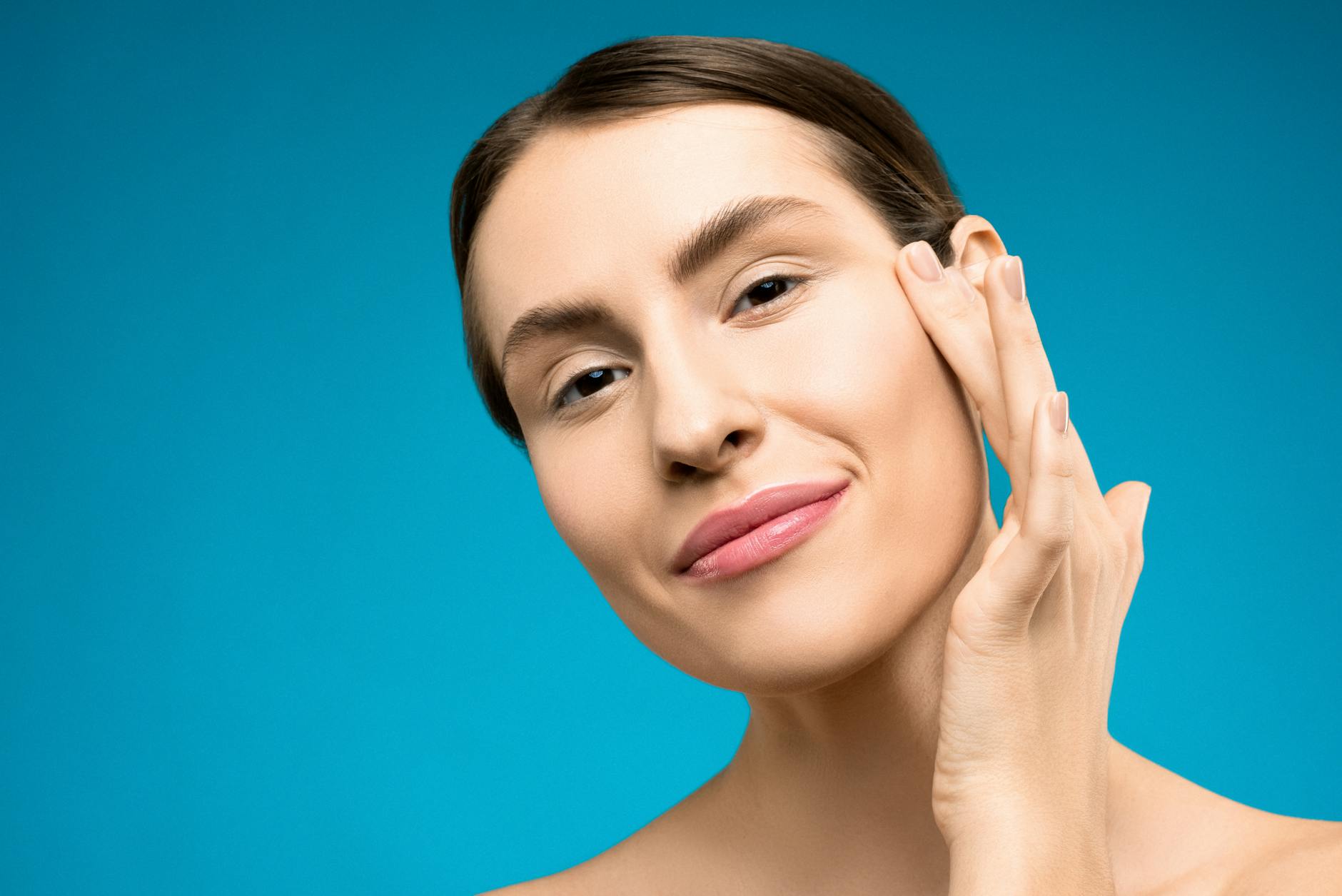
Healthy skin has a smooth, even appearance with pores that are either invisible or barely visible to the naked eye. The surface should feel soft to the touch, not rough or bumpy, and your skin should appear to have a natural glow—that luminous quality that reflects light evenly rather than creating shadows or dull patches. This uniformity isn’t just vanity; it’s a sign that your skin cells are renewing at an appropriate rate, your skin barrier is intact, and you’re adequately hydrated at the cellular level. When skin texture becomes uneven, you might notice small bumps, enlarged pores, rough patches, or a dull, shadowed appearance.
An example would be keratosis pilaris—one of the most common causes of bumpy skin—which appears as tiny red or flesh-colored bumps, usually on the upper arms or legs. This happens when excess keratin (a protein your body produces) blocks hair follicles, creating that characteristic texture. Unlike acne, which involves inflammation and bacteria, keratosis pilaris is simply a buildup issue, though it can be confused with other textural problems. The key distinction is that uneven texture often involves either dead skin cells accumulating on the surface or structural changes happening deeper in the skin layer. Both require different approaches to resolve, which is why identifying the root cause matters.
What Uneven Skin Texture Reveals About Your Health Status
Clear, smooth skin actually functions as what researchers call a “visual certificate of health”—it reflects your nutritional state, hydration level, stress management, and even how well your body is aging. Dermatologists and healthcare providers increasingly recognize skin quality as a window into systemic health, meaning what’s happening on your face and body can indicate what’s happening inside. However, it’s important to note that a single instance of texture changes doesn’t necessarily mean something is wrong.
Temporary rough patches from dehydration, seasonal changes, or a new skincare product usually resolve within days or weeks. What matters more is persistent uneven texture that doesn’t improve with basic hydration and care, or texture that develops suddenly alongside other symptoms like itching, redness, or pain—these could indicate conditions like eczema, psoriasis, or seborrheic dermatitis that warrant medical evaluation. When texture problems persist or worsen, they often point to deeper issues: nutritional deficiencies (particularly vitamins C, D, E, K, zinc, copper, or selenium), chronic dehydration, sun damage accumulation over years, insufficient collagen production due to aging, or lifestyle factors like smoking, excessive alcohol consumption, or a diet high in processed foods. The texture changes essentially reflect your skin’s struggle to maintain its barrier function and cellular renewal cycle.
The Most Common Causes of Uneven Skin Texture
Dead skin cell buildup is one of the most straightforward causes. Your body naturally sheds millions of skin cells daily, but when this process slows—due to aging, dehydration, or certain conditions—dead cells accumulate on the surface, creating a rough, dull appearance and making pores appear larger. This is why exfoliation helps: physically or chemically removing these dead cells reveals the smoother, fresher skin beneath. Clogged pores represent another major culprit. When excess oil, dead skin cells, or makeup blocks hair follicles, it creates a bumpy texture.
This differs from acne in that clogged pores don’t necessarily involve inflammation or bacterial infection; they’re purely mechanical blockages. However, clogged pores can easily progress to acne if bacteria becomes involved, which is why keeping pores clear matters. Several skin conditions produce textural changes: psoriasis creates thick, scaly patches; eczema causes roughness and sometimes cracked skin; rosacea produces bumpy texture along with redness and flushing; seborrheic dermatitis creates scaly areas; and actinic keratosis (sun-damaged patches) develops rough texture from years of UV exposure. Additionally, acne scarring creates permanent textural changes—depressed scars create shadowing that makes skin look uneven even after acne clears. Unlike temporary texture from dead cells or clogged pores, scarring typically requires professional treatment like microneedling or chemical peels for significant improvement.
How Nutrition and Lifestyle Shape Your Skin’s Texture
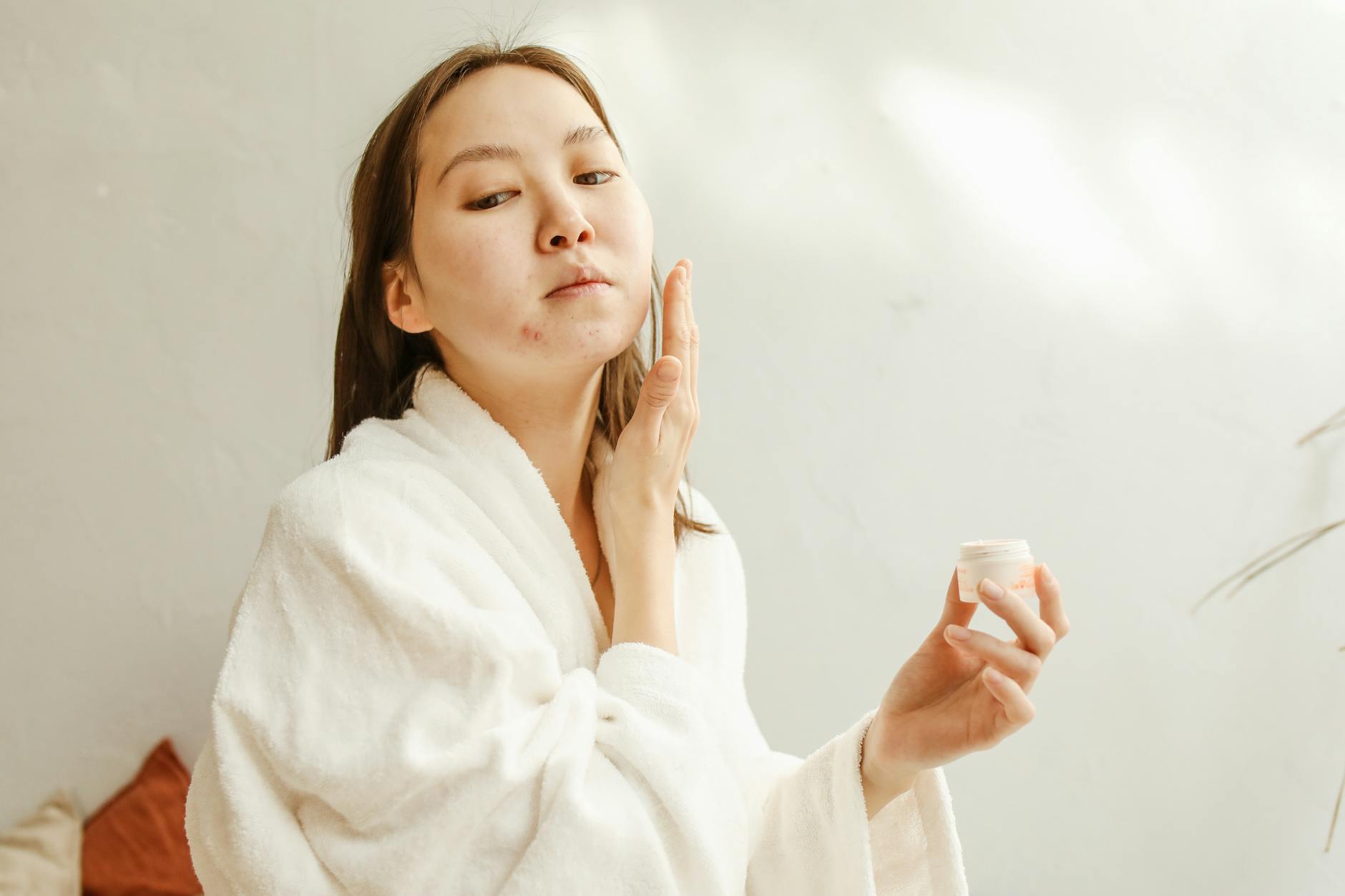
Your diet profoundly influences skin texture because your skin needs specific nutrients to maintain its structure and renewal cycle. Vitamin C supports collagen synthesis, vitamin E acts as an antioxidant protecting against sun damage, vitamin D regulates cell turnover, vitamin K supports skin repair, and minerals like zinc, copper, and selenium all play roles in maintaining skin integrity. When you lack these nutrients—whether from poor diet, malabsorption issues, or specific dietary restrictions—your skin often reflects this through texture changes before you notice other symptoms. Processed foods, excessive alcohol, and smoking accelerate skin aging and impair your body’s ability to maintain healthy skin texture.
These factors increase oxidative stress, reduce collagen production, and impair cellular renewal—so someone who smokes heavily might show uneven texture and collagen loss at 40 that someone else won’t see until 60. Water intake matters too: dehydration reduces skin hydration from within, which decreases elasticity and makes texture irregularities more noticeable. The comparison between two people with identical genetics is instructive: one who maintains good nutrition, hydration, avoids smoking, and uses sun protection will typically have noticeably smoother texture and slower aging than someone with poor lifestyle habits, despite their identical starting genetics. This demonstrates that texture isn’t destiny—it’s significantly within your control through modifiable factors.
Age and the Biological Timeline of Skin Texture Changes
Collagen synthesis naturally slows with age, and this slowdown accelerates after your 30s. Your skin’s cell renewal process also becomes less efficient as you age—young skin might completely renew every 28 days, while older skin takes 40+ days. This decreased renewal speed means dead skin cells linger longer on the surface, creating roughness and dullness. Simultaneously, your skin loses the firmness that collagen provides, making pores appear more prominent and texture irregularities more visible.
A critical limitation to understand: while these age-related changes are inevitable, their severity is modifiable. Someone at 60 who has consistently protected their skin from sun damage and maintained good nutrition can have smoother, more even texture than someone at 40 who hasn’t. Sun damage (UV photoaging) is particularly cumulative—the damage accumulates year after year, so someone who spent decades sunbathing will show more dramatic texture changes than someone equally aged who protected their skin. Increased transepidermal water loss (water escaping from deeper skin layers through the epidermis) is another age-related change that creates heightened sensitivity to environmental damage and makes existing texture irregularities more pronounced. However, you can address this through consistent hydration, barrier-supporting moisturizers, and topical treatments.

Treating and Improving Uneven Skin Texture
With consistent care and appropriate treatment, visible improvements in uneven skin texture typically appear within 6–8 weeks. This timeline assumes you’re addressing the underlying cause—so if poor hydration was the problem, improving water intake and using hydrating products would show results in this timeframe. If the issue is sun damage or collagen loss, professional treatments like microdermabrasion, chemical peels, or laser therapy might be needed, and results would follow a similar 6–8 week trajectory.
Home care approaches include regular exfoliation (removing dead skin cell buildup), consistent hydration, and ensuring adequate vitamin intake. Professional treatments offer more dramatic results for deeper issues like scarring or significant collagen loss. The tradeoff is that professional treatments cost more and may require downtime (redness, peeling, sensitivity), while home care is gradual and requires patience but costs less and causes no disruption.
Skin Health as a Window to Overall Wellness and Brain Health
Your skin’s health doesn’t exist in isolation—it reflects your body’s overall nutritional status, metabolic health, and even brain health. The nutritional deficiencies that affect skin texture (vitamins D, E, C, K, and minerals like zinc and selenium) are also critical for brain function and cognitive health. Someone showing signs of nutritional deficiency through poor skin texture might simultaneously be experiencing cognitive effects they haven’t recognized yet.
Additionally, chronic sun damage and oxidative stress that accelerate skin aging through texture changes also accelerate aging throughout your body, including your brain. The same antioxidants and protective measures that preserve skin texture—sun protection, antioxidant-rich diet, reduced oxidative stress—also support brain health and may reduce dementia risk. In this sense, attending to your skin texture isn’t vanity; it’s a practical way to monitor and support your overall health trajectory.
Conclusion
Uneven skin texture is your body’s way of communicating that something needs attention, whether that’s improved hydration, better nutrition, sun protection, or medical evaluation for underlying skin conditions. The causes are diverse—ranging from simple dead skin buildup to nutritional deficiencies to age-related collagen loss—but the encouraging news is that many causes are addressable through lifestyle changes and consistent care. Even age-related texture changes can be minimized with appropriate preventive measures and treatments.
Start by identifying which cause is most likely for your situation: Is your texture recently rough and improving with moisturizing? That’s likely dehydration. Is it bumpy with a texture that doesn’t change with moisturizers? That might be keratosis pilaris or another condition requiring targeted treatment. Have you noticed changes alongside redness or itching? That could indicate eczema, psoriasis, or another condition requiring medical guidance. Once you understand the cause, you can take targeted action—whether that’s dietary changes, hydration improvements, skincare adjustments, or professional treatment—with realistic expectations that visible improvement typically emerges within 6–8 weeks.
You Might Also Like
- Skin Barrier Damage Explained What It Means And How To Fix It
- Pore Size Explained What It Really Means For Your Skin
- Skin Type Analysis Explained What Your Results Mean For Your Routine
For more, see Alzheimer’s Association — clinical trials.





