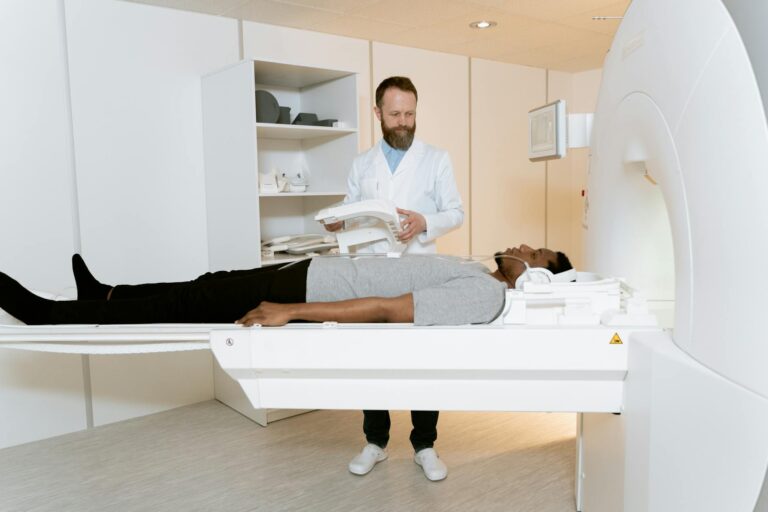
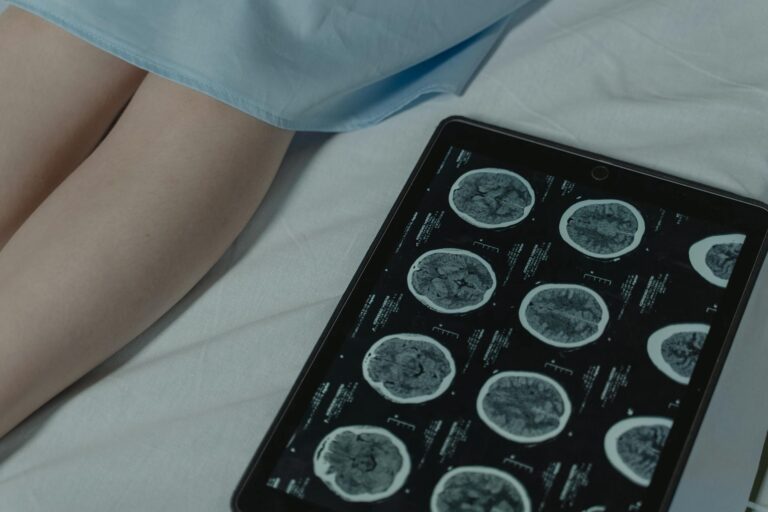
If you have been told you have sciatica, there is a strong chance a herniated disc in your lower spine is the actual culprit. Herniated discs cause nearly 90% of all sciatica cases, according to data compiled by the National Center for Biotechnology Information and other clinical sources. That means the shooting leg pain, the numbness creeping into your foot, or the weakness that makes your ankle give out on stairs may not be a mysterious nerve problem at all — it may be a physical disc pressing directly on a nerve root in your lumbar spine. Consider someone like a 45-year-old office worker who spends months assuming her leg pain is a pulled muscle, only to learn through an MRI that a disc at the L5-S1 level has herniated and is compressing the nerve that runs all the way down to her toes. The global prevalence of lumbar disc herniation falls between 14% and 20%, with roughly 5% of the population developing sciatica in any given year.
That amounts to millions of new cases annually, and the condition disproportionately affects adults between ages 30 and 50 at a male-to-female ratio of roughly 2:1. While 80–90% of these cases resolve without surgery, about 25% of people who develop sciatica deal with persistent symptoms over the long term — ongoing pain, numbness, or leg weakness that can quietly erode quality of life. This article walks through eight specific symptoms that are commonly labeled as sciatica but are actually being driven by a herniated disc in the lower spine. We will cover why each symptom occurs mechanically, when a symptom crosses the line from uncomfortable to medically urgent, and what the latest research says about treatment outcomes. For caregivers and family members supporting someone with dementia or cognitive decline, understanding these symptoms matters doubly — a person with cognitive impairment may not be able to clearly describe what they are feeling, which makes it essential for those around them to recognize the physical signs.
Table of Contents
- Why Does a Herniated Disc in the Lower Spine Cause So Many Sciatica Symptoms?
- Radiating Leg Pain and Numbness — The Two Symptoms Most Directly Tied to Disc Compression
- Tingling, Weakness, and Foot Drop — When Nerve Irritation Becomes Nerve Damage
- How Movement Patterns and Reflex Changes Help Identify Disc-Related Sciatica
- Cauda Equina Syndrome — The Rare but Critical Emergency
- Muscle Atrophy — The Slow Consequence of Untreated Compression
- What the Latest Research Suggests About Treatment and Outlook
- Conclusion
- Frequently Asked Questions
Why Does a Herniated Disc in the Lower Spine Cause So Many Sciatica Symptoms?
The lumbar spine bears more mechanical load than any other segment of the vertebral column, and the two most common herniation levels — L4-L5 and L5-S1 — happen to sit right where the sciatic nerve’s root branches emerge from the spinal cord. When the soft, gel-like center of an intervertebral disc pushes through a tear in its tougher outer ring, it can press directly against these nerve roots. The sciatic nerve is the longest and thickest nerve in the body, running from the lower back through the buttock and down the entire length of each leg. So when a disc compresses its root, symptoms can appear anywhere along that path — from the hip to the bottom of the foot. What makes this confusing for many people is that the pain often does not feel like a back problem. A herniated disc at L5-S1 might produce searing pain behind the knee or a persistent tingling in the toes, with little or no back pain at all.
This is why sciatica gets misidentified so often as a hip injury, a knee problem, or even peripheral neuropathy. The distinction matters because treatment for a herniated disc differs significantly from treatment for joint or muscle injuries. Physical therapy, epidural steroid injections, and in some cases surgical discectomy address the root cause at the spine, whereas treating the leg alone leaves the compression unresolved. For older adults, particularly those with dementia, this diagnostic confusion becomes a real safety issue. A person who cannot articulate that they feel tingling in their left foot may simply start walking differently, become more prone to falls, or grow agitated without being able to explain why. Caregivers who understand the connection between a lumbar disc and distant leg symptoms are better positioned to advocate for appropriate imaging and evaluation.

Radiating Leg Pain and Numbness — The Two Symptoms Most Directly Tied to Disc Compression
The hallmark symptom of sciatica caused by a herniated disc is radiating leg pain — sharp, shooting, or “electrical” pain that starts in the lower back or buttock and travels down the back of one leg, sometimes reaching the calf or foot. This pain is almost always unilateral, affecting only one side. The reason is mechanical: a disc typically herniates to one side of the spinal canal, compressing the nerve root on that side while leaving the opposite root untouched. According to the Mayo Clinic and Cleveland Clinic, this pattern of one-sided, traveling pain is what distinguishes true sciatica from generalized low back pain or bilateral leg discomfort. Numbness or reduced sensation along the same pathway is the second most commonly reported symptom. When herniated disc material compresses nerve fibers that carry sensory signals, the affected areas — which can include the buttock, back of the thigh, calf, foot, or individual toes — lose their ability to register touch, temperature, or pressure normally.
This is not the same as a leg “falling asleep” from sitting in one position. Disc-related numbness tends to be persistent or recurrent and follows a specific dermatomal pattern that corresponds to the compressed nerve root. However, not every case of leg pain or numbness points to a herniated disc. Piriformis syndrome, spinal stenosis, and sacroiliac joint dysfunction can all produce similar symptoms. If the pain is bilateral, does not follow a clear nerve path, or is accompanied by significant lower extremity swelling, a herniated disc is less likely to be the sole explanation. Imaging is essential for confirmation, and clinicians should be cautious about attributing symptoms to a disc herniation seen on MRI alone — studies have shown that many people have disc herniations on imaging with no symptoms at all.
Tingling, Weakness, and Foot Drop — When Nerve Irritation Becomes Nerve Damage
Tingling or “pins and needles” in the leg or foot is a third symptom commonly linked to herniated disc sciatica. Unlike numbness, which represents a loss of sensation, tingling indicates that the nerve root is being irritated rather than fully compressed. Patients describe it as burning, prickling, or alternating hot and cold sensations. The Cleveland Clinic and AAOS note that this symptom can fluctuate in intensity depending on position and activity, often worsening when sitting for extended periods or during certain movements that increase pressure on the disc. Muscle weakness in the leg, foot, or ankle represents a more serious progression. When herniated disc compression interferes with the motor nerve signals traveling from the spine to the muscles, the affected muscles lose their ability to contract with normal force.
A person might notice difficulty lifting their foot while walking, a tendency to trip, or a general sense of instability in the leg. According to the American Association of Neurological Surgeons, weakness indicates that the compression has moved beyond sensory irritation into actual impairment of nerve function — a development that warrants more urgent evaluation. Foot drop is the most alarming manifestation of motor nerve compromise. It refers to the inability to raise the front part of the foot, typically caused by an L4-L5 or L5-S1 herniation compressing the peroneal nerve. A person with foot drop will drag the front of their foot or develop an exaggerated stepping gait to compensate. Sudden foot drop is considered a medical emergency because it signals severe nerve compression that may lead to permanent damage if not treated promptly. For someone caring for an elderly parent with cognitive difficulties, a sudden change in gait — dragging one foot, stumbling more frequently, or refusing to walk — should trigger immediate medical evaluation rather than being chalked up to general decline.

How Movement Patterns and Reflex Changes Help Identify Disc-Related Sciatica
One of the most practical distinguishing features of disc-related sciatica is that the pain characteristically worsens with specific movements. Bending forward, twisting at the waist, coughing, sneezing, or straining during a bowel movement — any action that increases intra-abdominal or intradiscal pressure — can intensify the pain. Clinicians refer to pain provoked by coughing or straining as a positive Valsalva response, and it is one of the most reliable clinical indicators that a herniated disc is involved. By contrast, sciatica caused by piriformis syndrome tends to worsen with prolonged sitting or external rotation of the hip, while stenosis-related sciatica typically flares with standing and walking and improves with bending forward. Altered reflexes offer another diagnostic clue that many people outside the medical field are unaware of. A herniated disc compressing the S1 nerve root can diminish or abolish the ankle jerk reflex, while compression at L4 may affect the knee jerk reflex.
Clinicians at the Hospital for Special Surgery and other centers use reflex testing as part of a standard neurological exam to help pinpoint which disc level is involved. This information guides imaging and, if surgery becomes necessary, tells the surgeon precisely where to intervene. The tradeoff with relying on clinical signs alone is that they can be subtle, especially in older adults. Age-related changes in reflexes, pre-existing neuropathy from diabetes, and general muscle deconditioning can all muddy the picture. This is why most spine specialists recommend correlating clinical findings with MRI imaging before making treatment decisions. Neither the physical exam nor the imaging tells the whole story on its own — it is the combination that provides diagnostic confidence.
Cauda Equina Syndrome — The Rare but Critical Emergency
Of all the symptoms associated with sciatica and herniated discs, bladder or bowel dysfunction is the one that demands the most urgent response. In rare cases, a large lumbar herniation can compress the cauda equina — the bundle of nerve roots at the base of the spinal cord that controls bladder function, bowel function, and sensation in the groin area. Cauda equina syndrome presents with urinary retention (the most common initial symptom), fecal incontinence, and “saddle anesthesia,” which is numbness in the inner thighs, groin, and perineal area. The American Association of Neurological Surgeons, the Cleveland Clinic, and AAOS all classify this as a surgical emergency. Delayed treatment for cauda equina syndrome risks irreversible nerve damage, potentially resulting in permanent loss of bladder and bowel control. The window for surgical decompression is measured in hours, not days.
This is a critical point for caregivers of people with dementia: if someone who normally has reliable continence suddenly begins having accidents, or if they seem unable to urinate and appear distressed, it is worth considering cauda equina syndrome in addition to the more common explanations like urinary tract infection. A quick neurological check — asking about leg weakness, checking for numbness in the inner thigh — can help flag the need for emergency imaging. The limitation here is awareness. Cauda equina syndrome is genuinely rare, occurring in an estimated 1–3% of lumbar disc herniations. But its consequences when missed are devastating, and it disproportionately presents in the same age group already at elevated risk for herniated discs. The takeaway is not to panic at every instance of incontinence, but to know the red flags well enough to act when the presentation fits.

Muscle Atrophy — The Slow Consequence of Untreated Compression
When herniated disc compression goes unaddressed for an extended period, the affected nerve’s impaired ability to control muscles can lead to muscle atrophy — a gradual wasting and shrinkage of muscle tissue in the leg or foot. This is not a sudden event but a slow deterioration that can go unnoticed for weeks or months, particularly in someone who is already sedentary or has limited mobility. The muscle does not receive adequate nerve stimulation, and without that stimulation it essentially starves, losing both mass and function.
For older adults, atrophy in a leg muscle compounds existing fall risk significantly. A thigh muscle that has lost 20% of its mass does not just produce 20% less force — it compromises the entire biomechanical chain of walking, balance, and the ability to recover from a stumble. This is why persistent sciatica symptoms in elderly patients should not be managed with pain medication alone. The nerve compression driving the symptoms may also be silently destroying the muscle tissue that keeps them mobile and independent.
What the Latest Research Suggests About Treatment and Outlook
A 2025 systematic review published in the European Spine Journal, encompassing 87 studies, found that the annual incidence of lumbar disc herniation with radiculopathy ranged from 0.3 to 2.7 per 1,000 persons when using surgical case definitions — a figure that underscores how commonly this condition results in operative intervention even though the majority of cases resolve conservatively. Separately, a 2025 review in Frontiers in Neurology highlighted recent advances in treatment, including minimally invasive surgical techniques and emerging biologic therapies for lumbar disc herniation. These biologic approaches, which aim to repair or regenerate damaged disc tissue rather than simply removing the herniated portion, are still largely in clinical trial stages but represent a meaningful shift in how spine medicine may address the root cause of disc-related sciatica in coming years.
For now, the practical reality remains that conservative treatment — physical therapy, anti-inflammatory medications, epidural steroid injections, and activity modification — resolves symptoms for the large majority of patients. Surgery, typically microdiscectomy, is reserved for cases with progressive neurological deficits, intractable pain, or emergencies like cauda equina syndrome. What matters most for patients and caregivers is recognizing the symptoms early, obtaining an accurate diagnosis, and understanding that “sciatica” is not a diagnosis in itself but a description of symptoms that, in nearly nine out of ten cases, traces back to a disc in the lower spine pressing on a nerve.
Conclusion
The eight symptoms outlined here — radiating leg pain, numbness, tingling, muscle weakness, foot drop, movement-provoked pain, altered reflexes, and bladder or bowel dysfunction — are all commonly attributed to sciatica. But labeling them as sciatica without investigating the underlying cause misses the point. In the vast majority of cases, these symptoms are produced by a herniated disc in the lumbar spine mechanically compressing a nerve root. Understanding this connection is what transforms vague symptom management into targeted treatment that addresses the actual problem.
For caregivers supporting someone with cognitive decline, the stakes are higher. A person with dementia may not say “my leg is tingling” or “I cannot feel my foot.” They may simply fall more, resist walking, become irritable, or lose continence. Recognizing that these changes could stem from a treatable spinal condition — not just disease progression — can preserve mobility, independence, and quality of life. If you notice new gait changes, unexplained leg weakness, or sudden incontinence in someone you care for, bring up the possibility of lumbar disc herniation with their physician. Early intervention makes the difference between recovery and permanent nerve damage.
Frequently Asked Questions
Can a herniated disc cause sciatica symptoms in both legs at the same time?
It is uncommon but possible, particularly with large central disc herniations that compress nerve roots on both sides of the spinal canal. Bilateral symptoms should raise concern for cauda equina syndrome and warrant urgent medical evaluation.
How long does sciatica from a herniated disc typically last?
Most cases improve within several weeks to a few months with conservative treatment. However, roughly 25% of people experience persistent symptoms over the long term, including ongoing pain, numbness, or weakness that may require more aggressive intervention.
Is sciatica from a herniated disc the same as general back pain?
No. General back pain is localized to the lumbar region, while sciatica specifically involves pain, numbness, or weakness radiating down the leg along the path of the sciatic nerve. Many people with herniated disc sciatica have minimal back pain and primarily experience leg symptoms.
At what point should someone with sciatica symptoms see a doctor urgently?
Sudden foot drop, loss of bladder or bowel control, rapidly progressing leg weakness, or numbness in the groin or inner thigh area are all signs of a potential surgical emergency. These symptoms suggest severe nerve compression that can cause permanent damage if not treated within hours.
Can sciatica from a herniated disc be prevented?
While not all herniations are preventable, maintaining core muscle strength, using proper lifting mechanics, staying at a healthy weight, and avoiding prolonged sitting can reduce the risk. However, genetic factors affecting disc composition play a role that lifestyle modifications cannot fully address.
You Might Also Like
- 8 Symptoms of Sciatica That May Actually Be Caused by a Herniated Disc in the Lower Spine
- 10 Warning Signs Doctors Say Your Lower Back Pain Could Actually Be a Herniated Disc and Not Just a Simple Muscle Strain
- 10 Warning Signs Doctors Say Your Lower Back Pain Could Actually Be a Herniated Disc and Not Just a Simple Muscle Strain