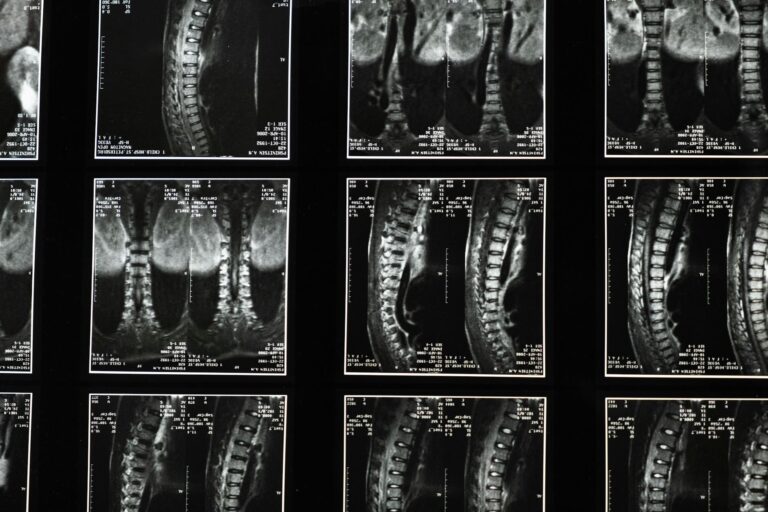
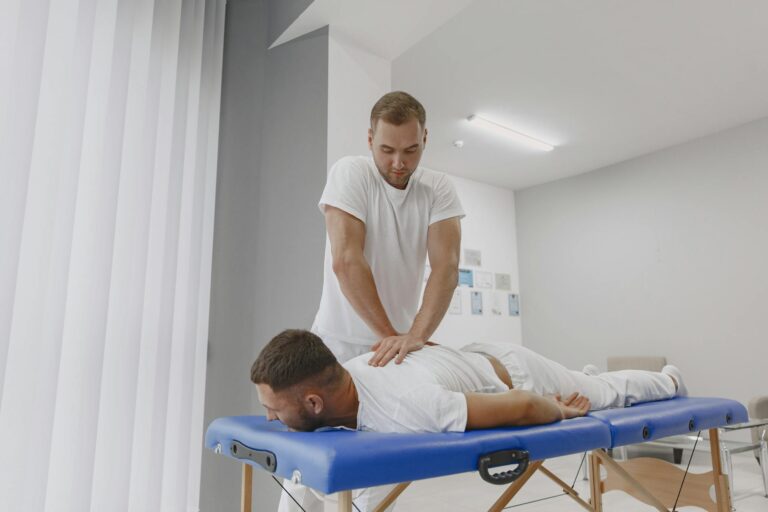
Herniated discs develop when the soft, gel-like center of a spinal disc pushes through a tear in the tougher outer layer, and the causes range from age-related degeneration and repetitive strain to acute trauma, excess body weight, genetic predisposition, smoking, poor posture, sedentary living, and occupational hazards. A 55-year-old warehouse worker, for instance, might develop a herniated disc not from one dramatic injury but from decades of bending, lifting, and twisting that gradually weakened the disc’s outer wall until it finally gave way. Understanding these nine causes matters because many of them are modifiable, and recognizing them early can prevent the debilitating pain, numbness, and mobility loss that herniated discs often produce.
This article breaks down each of the nine major causes in detail, explains how they interact with one another, and addresses the connection between spinal health and broader neurological well-being. For older adults and caregivers navigating dementia or cognitive decline, spinal problems deserve particular attention. Chronic pain from a herniated disc can worsen confusion, limit physical activity that supports brain health, and complicate care routines. Pain that goes unrecognized in someone with cognitive impairment may manifest as agitation, withdrawal, or behavioral changes that get misattributed to the dementia itself.
Table of Contents
- What Are the Most Common Causes of Herniated Discs in Older Adults?
- How Excess Weight and Sedentary Habits Contribute to Disc Herniation
- The Role of Genetics and Family History in Spinal Disc Problems
- How Smoking and Poor Nutrition Accelerate Disc Damage
- Why Acute Trauma and Improper Lifting Remain Dangerous at Any Age
- How Poor Posture Gradually Weakens Spinal Discs
- Occupational Hazards and the Future of Spinal Health Prevention
- Conclusion
- Frequently Asked Questions
What Are the Most Common Causes of Herniated Discs in Older Adults?
The single most prevalent cause of herniated discs is disc degeneration, the gradual drying out and weakening of spinal discs that comes with aging. Spinal discs are roughly 80 percent water in youth, but they lose hydration over the decades, becoming less flexible and more prone to tearing. By the time most people reach their 50s and 60s, discs have lost enough structural integrity that even a minor twist or a modest lift can trigger a herniation. This is why many people cannot recall a specific injury that caused their disc problem. There was no single moment. The damage accumulated invisibly over years. Repetitive strain ranks as the second major cause, and it often works hand in hand with degeneration.
People whose jobs or daily routines involve frequent bending, lifting, or twisting place sustained mechanical stress on the lumbar spine. Unlike a sudden injury, repetitive strain creates micro-tears in the annulus fibrosus, the disc’s outer ring, that compound over time. A comparison helps illustrate the difference: a young athlete who herniates a disc during a heavy deadlift has experienced acute overload, while a retired postal carrier who develops the same problem has experienced decades of repetitive loading. The disc fails in both cases, but the pathway and timeline are entirely different. For caregivers of individuals with dementia, repetitive strain is an occupational reality that rarely gets discussed. Transferring a person from bed to wheelchair, assisting with bathing, and catching someone during a fall all place enormous loads on the lower back. One study published in the Journal of Occupational Rehabilitation found that informal caregivers had significantly higher rates of musculoskeletal complaints than the general population, with lumbar disc problems among the most frequently reported.

How Excess Weight and Sedentary Habits Contribute to Disc Herniation
Carrying excess body weight places continuous compressive force on the lumbar spine, accelerating disc wear and increasing the risk of herniation. The lumbar discs bear the majority of the upper body’s load, and for every additional pound of body weight, the pressure on those discs increases disproportionately. Research from the Spine Journal has shown that individuals with a body mass index over 30 have a significantly elevated risk of lumbar disc herniation compared to those at a healthy weight. The effect is mechanical and straightforward: more load, faster breakdown. Sedentary behavior compounds the problem in a less obvious way. Prolonged sitting, particularly with poor ergonomic support, creates sustained pressure on the posterior portion of lumbar discs, which is exactly where most herniations occur.
The muscles that stabilize the spine, including the deep core and paraspinal muscles, weaken from disuse, leaving the discs and ligaments to absorb forces they were never meant to handle alone. However, if someone transitions too abruptly from a sedentary lifestyle to vigorous exercise, the risk of herniation can actually spike. Deconditioned discs and muscles are not prepared for sudden demands, which is why gradual, progressive reconditioning under professional guidance matters more than enthusiasm. For people managing cognitive decline, sedentary behavior often increases not by choice but by circumstance. Confusion, apathy, fear of falling, and loss of routine all conspire to keep individuals seated for long stretches. This creates a vicious cycle: inactivity weakens spinal support structures, which increases pain risk, which further discourages movement, which accelerates both physical and cognitive decline.
The Role of Genetics and Family History in Spinal Disc Problems
Genetic predisposition is one of the less discussed but well-documented causes of herniated discs. Studies of twins, including a landmark investigation published in the Journal of Bone and Joint Surgery, have shown that genetics account for a substantial portion of disc degeneration, independent of occupational or lifestyle factors. Specific genes influence collagen structure, inflammatory responses, and the rate at which disc tissue breaks down. A person with a strong family history of disc problems may develop herniations even with a relatively spine-friendly lifestyle, while someone with favorable genetics may tolerate years of physical labor without incident. This does not mean genetics are destiny. Rather, they set the baseline vulnerability.
Consider two siblings: one becomes an office worker who exercises regularly, and the other becomes a construction laborer who smokes. Both carry the same genetic predisposition, but their divergent lifestyles will produce very different outcomes. The construction worker who smokes has layered two additional risk factors, occupational strain and nicotine’s effects on disc nutrition, on top of genetic vulnerability. Genetic risk should be understood as a reason for greater vigilance, not as an excuse for fatalism. For families dealing with dementia, understanding genetic contributions to disc disease is practically relevant. Dementia itself has genetic components, and families with heritable forms of both conditions may see clustering of spinal and cognitive problems across generations. Recognizing this pattern allows for earlier intervention, including targeted exercise programs and ergonomic modifications, before disc problems become severe enough to complicate dementia care.

How Smoking and Poor Nutrition Accelerate Disc Damage
Smoking damages spinal discs through a mechanism that many people find surprising. Nicotine constricts blood vessels, including the tiny capillaries that supply nutrients to spinal discs. Unlike most tissues, discs have no direct blood supply. They rely on diffusion from adjacent vertebral endplates, and anything that impairs blood flow to those endplates starves the disc of oxygen and nutrients. Over time, this accelerates degeneration and makes the disc more susceptible to herniation. The tradeoff is stark: a person who smokes a pack a day for 20 years has measurably thinner, more dehydrated discs than a comparable nonsmoker, even when other risk factors are held constant. Poor nutrition plays a related role.
Discs require adequate hydration, along with vitamins C and D, calcium, and anti-inflammatory nutrients to maintain their structure. Diets high in processed foods and low in fruits, vegetables, and lean proteins promote systemic inflammation, which accelerates disc breakdown. Compared to smoking, the effect of poor diet alone is more modest, but combined with other risk factors, it can tip the balance. For older adults, nutritional deficiencies are common and often go unaddressed, particularly in those with cognitive impairment who may forget meals, lose interest in food, or make poor dietary choices. Caregivers should be aware that both smoking cessation and nutritional improvements can slow disc degeneration even late in life. The discs will not regenerate, but the rate of further damage can be meaningfully reduced. For someone already managing dementia-related challenges, preventing a painful disc herniation through these modifiable factors is far preferable to treating one after it occurs.
Why Acute Trauma and Improper Lifting Remain Dangerous at Any Age
Acute trauma, such as a fall, car accident, or sudden impact, can cause immediate disc herniation even in a relatively healthy spine. The force overwhelms the disc’s structural capacity in a single event, pushing the nucleus pulposus through the annulus. However, in older adults, the threshold for traumatic herniation is considerably lower than in younger people. A fall from standing height that a 30-year-old might walk away from can produce a herniated disc in a 70-year-old whose discs are already degenerated. This is a critical consideration for individuals with dementia, who fall at roughly twice the rate of cognitively intact older adults. Improper lifting technique is a closely related cause that deserves separate attention.
Lifting with a rounded back, especially while twisting, concentrates enormous force on the posterior portion of lumbar discs. The classic warning to “lift with your legs” exists for good reason: bending at the hips and knees while keeping the spine neutral distributes the load across larger muscle groups and spares the discs. But knowing the correct technique and consistently applying it are different things, particularly under the rushed, physically awkward conditions that caregivers often face. Transferring a resistant or confused person out of a bathtub does not lend itself to textbook lifting form. The limitation worth noting is that even perfect lifting technique cannot fully protect a disc that is already severely degenerated. When the annulus is weakened enough, relatively normal forces can cause herniation. This is why strengthening the surrounding musculature through core stability exercises is considered a more reliable long-term strategy than relying on technique alone.

How Poor Posture Gradually Weakens Spinal Discs
Chronic poor posture redistributes mechanical loads across the spine in ways that accelerate disc wear in specific segments. Forward head posture, rounded shoulders, and excessive lumbar flexion shift stress from the muscles and bones, which are designed to bear it, onto the discs and ligaments, which are not. A person who spends years hunched over a desk, for example, places sustained asymmetric pressure on the anterior portion of cervical and thoracic discs while overstretching the posterior structures, creating conditions ripe for herniation.
In older adults with cognitive decline, postural deterioration often accelerates as the neurological systems governing trunk control and spatial awareness become impaired. This is not simply a cosmetic concern. The kyphotic posture common in advanced dementia concentrates force on thoracic and lumbar disc segments that may already be compromised by degeneration. Simple interventions such as supportive seating, postural reminders from caregivers, and seated exercises that promote spinal extension can make a meaningful difference, though these measures are frequently overlooked in dementia care plans that focus primarily on cognitive and behavioral symptoms.
Occupational Hazards and the Future of Spinal Health Prevention
Certain occupations carry dramatically higher rates of disc herniation. Healthcare workers, construction laborers, truck drivers, and warehouse employees consistently appear at the top of occupational injury statistics for spinal disc problems. The common thread is some combination of heavy lifting, whole-body vibration, prolonged sitting, and repetitive bending. Truck drivers, for instance, face a dual hazard: hours of seated vibration exposure followed by loading and unloading cargo, a pattern that first weakens and then overloads the discs.
Looking ahead, the growing emphasis on preventive spine health holds promise. Workplace ergonomic programs, wearable sensors that alert users to poor posture or risky lifting mechanics, and targeted exercise protocols for at-risk populations are all gaining evidence and traction. For the aging population, particularly those facing cognitive decline, integrating spinal health into standard geriatric and dementia care protocols could prevent a significant burden of pain and disability. The research increasingly suggests that physical health and cognitive health are not separate domains but deeply interconnected systems, and protecting the spine is one practical way to support both.
Conclusion
The nine causes of herniated discs, age-related degeneration, repetitive strain, excess weight, sedentary habits, genetic predisposition, smoking, acute trauma, improper lifting, and poor posture, rarely operate in isolation. Most herniations result from several of these factors converging over time, which is both the bad news and the good news. It means that addressing even a few modifiable risk factors, maintaining a healthy weight, staying physically active, quitting smoking, and using proper body mechanics, can meaningfully reduce the overall risk, even when non-modifiable factors like genetics and aging are working against you.
For older adults with cognitive impairment and their caregivers, spinal health deserves far more attention than it typically receives. A herniated disc in someone with dementia can trigger a cascade of problems: unrecognized pain leading to behavioral changes, reduced mobility accelerating cognitive decline, and complicated care needs straining already-stretched caregivers. Proactive measures, including regular movement, proper nutrition, caregiver body mechanics training, and prompt evaluation of any new pain or mobility changes, are among the most practical steps families and care teams can take to preserve quality of life on both sides of the caregiving relationship.
Frequently Asked Questions
Can a herniated disc cause or worsen dementia symptoms?
A herniated disc does not cause dementia, but the chronic pain, sleep disruption, and reduced mobility it produces can worsen cognitive symptoms and behavioral disturbances in someone who already has dementia. Untreated pain is a well-documented trigger for agitation and confusion in cognitively impaired individuals.
At what age are herniated discs most common?
Herniated discs most frequently occur between ages 30 and 50, when discs have begun to degenerate but people remain physically active enough to generate the forces that trigger herniation. After age 60, herniations still occur but disc material tends to be more fibrotic and less likely to produce the large, soft protrusions seen in younger patients.
Can herniated discs heal without surgery?
The majority of herniated discs improve significantly with conservative treatment, including physical therapy, anti-inflammatory medications, and activity modification, within six to twelve weeks. Surgery is typically reserved for cases involving progressive neurological deficits, intolerable pain unresponsive to conservative measures, or cauda equina syndrome, which is a medical emergency.
How can caregivers protect their own spines while assisting someone with dementia?
Using assistive devices such as transfer belts, slide boards, and mechanical lifts is the single most effective strategy. Beyond equipment, caregivers benefit from core strengthening exercises, training in proper body mechanics, and planning transfers rather than reacting to emergencies. Respite care that allows physical recovery is also important but frequently underutilized.
Is walking good for a herniated disc?
Gentle walking is generally beneficial for most herniated discs because it promotes blood flow to the spinal structures, engages stabilizing muscles without high compressive loads, and combats the deconditioning that worsens long-term outcomes. However, if walking significantly increases leg pain or numbness, the specific herniation may require evaluation before continuing.