The five most common causes of lumbar spine pain are muscle strains and ligament sprains, herniated discs, degenerative disc disease, spinal stenosis, and referred pain from non-musculoskeletal disorders. If you or someone you care for is dealing with persistent lower back pain, understanding which of these categories the pain falls into is the critical first step toward finding relief. For example, a 72-year-old woman who assumed her back pain was just “getting old” may actually have spinal stenosis — a narrowing of the spinal canal that is the most common reason for spinal surgery in patients over 65. Low back pain is the leading cause of disability worldwide, affecting an estimated 619 million people globally according to the World Health Organization.
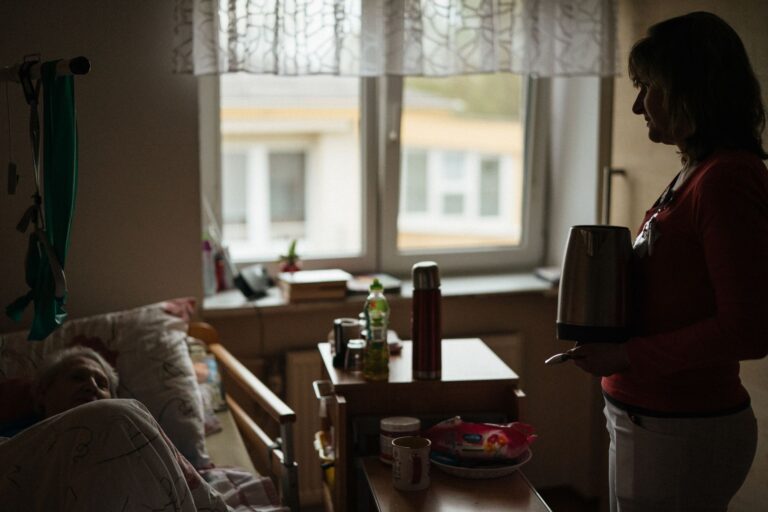
For those caring for someone with dementia, back pain adds another layer of complexity — the person may struggle to describe what they feel or where it hurts, making accurate diagnosis even more difficult. This article walks through each of the five major causes in detail, explains how they differ, discusses when referred pain from organs might be mimicking a spinal problem, and outlines what caregivers should watch for when the person experiencing the pain cannot fully advocate for themselves. Lifetime prevalence of low back pain ranges between 30% and 80% of the population, and about 6.3% to 15.4% of people experience it for the first time each year. The major risk factors — age, obesity, smoking, and physically demanding jobs — overlap heavily with the demographics of both dementia patients and their caregivers, making this a topic that touches nearly every family dealing with cognitive decline.
Table of Contents
- What Are the Most Common Causes of Lumbar Spine Pain?
- How Do Herniated Discs Cause Sciatica and Radiating Leg Pain?
- Why Does Degenerative Disc Disease Worsen With Age?
- When Does Spinal Stenosis Require Surgery?
- Could Lumbar Pain Actually Be Referred Pain From Organ Disease?
- How Back Pain Complicates Dementia Caregiving
- The Future of Lumbar Pain Diagnosis and Treatment in Aging Populations
- Conclusion
- Frequently Asked Questions
What Are the Most Common Causes of Lumbar Spine Pain?
The vast majority of low back pain is mechanical and non-specific. About 90% of cases fall into this category, meaning the pain comes from the structures of the spine, muscles, or ligaments rather than from a serious underlying disease. Muscle strains and ligament sprains alone account for up to 97% of back pain complications, while more severe causes — tumors, infections, fractures — comprise less than 5% of all back problems in the general adult population. This is important context because it means most lumbar pain, while genuinely debilitating, is not a sign of something life-threatening. The remaining causes break down along a rough age gradient.
Younger adults are more likely to experience herniated discs, while degenerative disc disease and spinal stenosis become increasingly common after age 50. Referred pain from organs like the kidneys, gallbladder, or pancreas affects roughly 5% to 15% of patients presenting with low back pain. The practical takeaway is that a 35-year-old landscaper who throws out his back lifting mulch bags is dealing with a fundamentally different problem than a 70-year-old whose back aches worsen every time she walks more than a block. Accurate diagnosis matters because the treatments diverge significantly. One comparison worth noting: muscle strains typically improve within days to weeks with rest and gentle movement, while spinal stenosis and degenerative disc disease are progressive conditions that require long-term management. A caregiver who dismisses persistent back pain in an elderly parent as “just a pulled muscle” may be missing a treatable structural problem that is steadily reducing the person’s mobility and independence.

How Do Herniated Discs Cause Sciatica and Radiating Leg Pain?
A herniated disc occurs when the soft inner material of a spinal disc pushes through a tear in the tougher outer layer, pressing against nearby nerves. This is the most common cause of sciatica — that distinctive shooting pain that travels down one or both legs, sometimes all the way to the feet and toes. Patients often describe it as electric, burning, or like a hot wire running down the leg. A positive straight leg raising test, where pain flares when a doctor lifts the patient’s extended leg while they lie flat, is a classic clinical sign. The most frequent locations for lumbar disc herniation are the L4-L5 and L5-S1 levels, which sit at the base of the spine where mechanical stress is greatest. Younger individuals more frequently exhibit disc herniation compared to older adults, which surprises many people who assume back problems are strictly an aging issue.
A 40-year-old office worker who suddenly develops shooting leg pain after bending to pick up a box is a textbook presentation. However, if someone over 70 develops similar symptoms, the underlying cause is more likely spinal stenosis than a herniated disc, and the treatment approach differs. This distinction matters in dementia care because the patient may not be able to articulate whether the pain is in their back, their leg, or both — caregivers should watch for limping, reluctance to walk, or flinching when changing positions. There is a limitation worth understanding: many people have herniated discs on imaging that cause no symptoms at all. Studies have repeatedly shown that MRI findings of disc bulges in pain-free adults are common. This means that finding a herniated disc on a scan does not automatically explain someone’s pain, and treatment decisions should be based on the full clinical picture, not imaging alone.
Why Does Degenerative Disc Disease Worsen With Age?
Degenerative disc disease is the most common cause of low back pain arising from intervertebral degeneration. Despite its name, it is not technically a disease but rather a natural process where the discs between vertebrae lose hydration, elasticity, and height over time. Think of it as the spinal equivalent of worn-out brake pads — the cushioning that once absorbed shock gradually becomes less effective. Prevalence increases with age up to 80 years, with the highest concentration of cases in the 50-to-55 age range. The condition is also more prevalent in women than men, which researchers attribute to differences in hormonal changes, bone density, and muscle mass. For caregivers managing someone with both dementia and back pain, degenerative disc disease presents a particular challenge.
The pain tends to be chronic and variable — worse on some days than others, flaring with certain movements and easing with rest. A person with Alzheimer’s disease may not remember that bending a certain way triggers pain, leading to repeated injury cycles. They may become agitated or resistant to movement without being able to explain why. Tracking patterns in behavior — noting when the person refuses to sit, stand, or walk — can provide clinicians with valuable diagnostic information. A practical comparison: unlike a herniated disc, which can sometimes be addressed with a single procedure, degenerative disc disease requires ongoing management through physical therapy, weight management, and pain control. There is no way to reverse the degeneration, only to slow it and manage its effects. For older adults with cognitive impairment, this means building gentle movement routines into daily care rather than relying on the person to self-manage their condition.

When Does Spinal Stenosis Require Surgery?
Spinal stenosis — a narrowing of the spinal canal that compresses the nerves — affects more than 200,000 adults in the United States. The most common underlying cause is osteoarthritis, the gradual wear and tear of joints over time. Additional contributing factors include disc herniation, thickening of the ligamentum flavum, facet joint enlargement, spondylolisthesis (where one vertebra slips over another), and bone spurs called osteophytes. Lumbar spinal stenosis is the most common reason for spinal surgery in patients over 65, but surgery is not always the first or best option. The tradeoff between surgical and conservative treatment deserves careful consideration, especially in elderly patients with cognitive decline.
Surgery — typically a laminectomy to remove bone and tissue pressing on nerves — can provide significant relief, but it carries real risks in older adults: longer recovery times, anesthesia complications, and post-operative confusion that can dramatically worsen dementia symptoms. Conservative approaches including physical therapy, epidural steroid injections, and activity modification work well for many patients. The general guideline is that surgery becomes appropriate when conservative treatment fails after several months, when neurological symptoms like leg weakness are progressing, or when the person’s quality of life has deteriorated to the point where they can no longer perform basic daily activities. For families weighing these options, the key question is not whether surgery can fix the stenosis — it often can — but whether the patient can tolerate and recover from the procedure given their overall health status. A physically robust 68-year-old with mild cognitive impairment is a very different surgical candidate than a frail 82-year-old with advanced dementia. These conversations require honest input from both the spine surgeon and the patient’s primary care or geriatric team.
Could Lumbar Pain Actually Be Referred Pain From Organ Disease?
Low back pain develops due to non-musculoskeletal disorders in about 5% to 15% of patients, a range that is large enough to warrant attention even though it represents the minority of cases. Pain from diseases of intra-abdominal organs — the liver, gallbladder, kidneys, and pancreas — can radiate to the lower back and convincingly mimic spinal pain. A kidney infection, for instance, can produce flank and lower back pain that feels identical to a muscle strain, but it requires antibiotics rather than physical therapy. Gallstones can cause pain that wraps from the abdomen to the back. Pancreatic problems may produce deep, boring back pain that worsens after eating.
The warning here is significant: these conditions require completely different diagnostic approaches and treatment from mechanical back pain. A caregiver who assumes an elderly person’s back pain is arthritis-related and treats it with heat packs and ibuprofen could be missing a kidney infection that, if untreated, can lead to sepsis. Red flags that suggest non-musculoskeletal causes include pain that does not change with position or movement, pain accompanied by fever, unexplained weight loss, changes in urination or bowel habits, and pain that wakes the person from sleep. In dementia patients who cannot report these accompanying symptoms, caregivers should be especially alert to fever, decreased appetite, confusion beyond baseline, and changes in urinary patterns. This is an area where erring on the side of caution is wise. If back pain in an older adult does not respond to typical measures within a few days, or if it is accompanied by any systemic symptoms, a medical evaluation that goes beyond the musculoskeletal system is warranted.

How Back Pain Complicates Dementia Caregiving
Managing lumbar spine pain in someone with dementia creates a feedback loop that caregivers should anticipate. Pain reduces mobility, reduced mobility accelerates physical deconditioning, deconditioning increases fall risk, and falls cause injuries that create more pain. A specific example: an 80-year-old man with moderate Alzheimer’s and spinal stenosis begins refusing his daily walk around the block. Within weeks, his leg strength declines. He then falls transferring from bed to wheelchair, fractures a vertebra, and his pain and immobility worsen dramatically.
Breaking this cycle requires proactive pain management and maintaining whatever level of safe physical activity the person can tolerate. Behavioral changes are often the only pain indicator available in moderate to advanced dementia. Increased agitation, guarding movements, grimacing, resistance to being moved, and changes in sleep patterns can all signal unmanaged back pain. Validated tools like the Pain Assessment in Advanced Dementia (PAINAD) scale exist specifically to help caregivers and clinicians identify pain in people who cannot self-report. If you are a caregiver noticing these behavioral shifts, bring them to the medical team’s attention with as much specificity as possible — when the behavior occurs, what positions trigger it, and how long it lasts.
The Future of Lumbar Pain Diagnosis and Treatment in Aging Populations
As the global population ages, the burden of lumbar spine pain will continue to grow. The WHO’s estimate of 619 million people currently living with low back pain is expected to rise significantly by 2050, driven by demographics alone. For the dementia care community, this means the intersection of cognitive decline and chronic pain management will become an increasingly pressing clinical challenge. Emerging approaches offer some reason for cautious optimism.
Advances in minimally invasive spinal procedures are reducing recovery times and anesthesia exposure, making surgical options more feasible for older adults. Better pain assessment tools for non-verbal patients are in development. And there is growing recognition in the medical community that pain management in dementia has been historically undertreated — a gap that research and clinical practice are slowly beginning to close. For caregivers navigating these issues today, the best course of action remains straightforward: take pain seriously, seek accurate diagnosis, advocate for the person in your care, and do not accept “it’s just old age” as a sufficient explanation for suffering that can often be meaningfully reduced.
Conclusion
The five causes of lumbar spine pain — muscle strains, herniated discs, degenerative disc disease, spinal stenosis, and referred organ pain — each require different diagnostic and treatment approaches. With 90% of low back pain being mechanical and non-specific, most cases are manageable without surgery, but accurate identification of the underlying cause is essential. For caregivers supporting someone with dementia, the challenge is compounded by communication barriers, but behavioral observation, validated pain assessment tools, and close collaboration with medical providers can bridge that gap.
If you are dealing with lumbar pain yourself or managing it in someone you care for, start with a thorough medical evaluation that considers all five categories rather than defaulting to assumptions. Watch for red flags that suggest organ-related referred pain. Prioritize maintaining mobility within safe limits. And remember that chronic back pain in older adults is common but not inevitable — effective treatment exists across all five causes, and no one should simply endure preventable suffering because of their age or cognitive status.
Frequently Asked Questions
Can dementia medication cause or worsen back pain?
Most dementia medications do not directly cause back pain. However, some can cause dizziness or unsteadiness that increases fall risk, and falls are a significant source of spinal injuries. If back pain begins shortly after a medication change, report this to the prescribing physician.
How can I tell if an elderly person’s back pain is a muscle strain or something more serious?
Muscle strains typically improve within one to two weeks and are clearly linked to a specific activity or movement. Pain that persists beyond two weeks, worsens progressively, is accompanied by leg weakness or numbness, or includes fever and weight loss warrants further evaluation for herniated discs, stenosis, or non-musculoskeletal causes.
Is bed rest recommended for lumbar spine pain?
Prolonged bed rest is no longer recommended for most types of low back pain. Short rest periods of one to two days may help with acute muscle strains, but extended immobility weakens muscles and can worsen the condition. Gentle movement and gradual return to activity produce better outcomes, though the specific approach should be guided by the diagnosis.
At what point should back pain in an older adult prompt an emergency room visit?
Seek emergency care if back pain is accompanied by loss of bladder or bowel control, sudden severe leg weakness, high fever, or if it follows a fall or trauma. These may indicate cauda equina syndrome, spinal fracture, or serious infection — all of which require urgent treatment.
Is walking good for lumbar spinal stenosis?
Walking can be beneficial in mild to moderate spinal stenosis, though many patients find that leaning slightly forward — such as walking with a shopping cart or walker — relieves symptoms by opening the spinal canal. If walking consistently causes leg pain, numbness, or weakness that resolves with sitting, this pattern itself is diagnostically useful and should be reported to a physician.