The gene silencing drug making headlines for its potential to treat a lifelong neurological condition with a single dose is called an RNA interference therapy, and the most prominent example in the dementia and brain health space targets hereditary transthyretin amyloidosis, a rare but devastating genetic disorder that progressively damages nerves and organs, including the brain. Alnylam Pharmaceuticals developed patisiran, marketed as Onpattro, which became the first FDA-approved RNA interference therapy, and the company has since pursued longer-acting formulations that could dramatically reduce treatment burden from regular infusions to a single administration. For families watching a loved one deteriorate from a genetic condition they inherited through no fault of their own, the idea that one injection could silence the faulty gene responsible is not science fiction — it is an active area of clinical development.
This approach works by intercepting the messenger RNA produced by a mutated gene before it can instruct cells to build the toxic protein that causes damage. Rather than masking symptoms or slowing progression with daily pills, gene silencing aims to shut down the disease at its source. A patient who might otherwise face a lifetime of worsening peripheral neuropathy, cardiac dysfunction, and cognitive decline could theoretically receive a single treatment and experience durable suppression of the harmful protein for months or even years. This article explores how the science works, which conditions it targets, what the limitations are, what it means for dementia-related diseases specifically, and why cautious optimism is warranted rather than uncritical celebration.
Table of Contents
- How Does a Gene Silencing Drug Work Against a Lifelong Genetic Condition?
- Which Conditions Can Gene Silencing Treat, and Where Are the Limits?
- What Hereditary Transthyretin Amyloidosis Does to the Brain and Nervous System
- Comparing Gene Silencing to Other Emerging Approaches for Neurological Disease
- Safety Concerns and What Can Go Wrong With Gene Silencing
- The Diagnostic Gap — Why Many Patients Are Identified Too Late
- Where Gene Silencing Goes From Here in Brain Health
- Conclusion
- Frequently Asked Questions
How Does a Gene Silencing Drug Work Against a Lifelong Genetic Condition?
Gene silencing through RNA interference exploits a natural cellular mechanism that all human cells already use to regulate gene expression. Every cell contains DNA, which serves as the master blueprint, and messenger RNA, which carries specific instructions from that blueprint to the protein-making machinery. In a healthy person, this system runs smoothly. In someone with hereditary transthyretin amyloidosis, a single mutation in the TTR gene causes the liver to produce misfolded transthyretin proteins that clump together and deposit in tissues throughout the body — including peripheral nerves, the heart, and in some cases, the brain and its surrounding structures. An RNA interference drug introduces a small, synthetic strand of RNA that matches the faulty messenger RNA. When this synthetic strand enters liver cells, it guides an enzyme called RISC to find and destroy the defective messenger RNA before it can be translated into the toxic protein. What makes this fundamentally different from conventional drugs is the target. Most medications for neurological and cardiac conditions work downstream — they manage symptoms, reduce inflammation, or try to clear protein deposits after they have already formed.
Gene silencing works upstream, preventing the problematic protein from ever being manufactured. The comparison is like the difference between mopping a flooded floor versus turning off the broken faucet. Patisiran, the first approved RNA interference drug for this condition, required intravenous infusions every three weeks. Vutrisiran, sold as Amvuttra, advanced the approach to a subcutaneous injection every three months. The push toward a single-dose treatment represents the next leap — using lipid nanoparticle delivery systems or other technologies to achieve gene silencing that persists for a year or longer from one administration. The science is elegant but not simple. Delivering these fragile RNA molecules to the right cells without the body’s immune system destroying them first required decades of research. The lipid nanoparticle technology that eventually made it work is the same platform that was later adapted for mRNA COVID-19 vaccines, which gives some sense of how broadly applicable this delivery breakthrough has become.

Which Conditions Can Gene Silencing Treat, and Where Are the Limits?
Hereditary transthyretin amyloidosis is the flagship condition for gene silencing therapies, but it is not the only one. Givosiran, also developed by Alnylam, targets acute hepatic porphyria, another genetic liver disorder. Inclisiran, marketed by Novartis, silences the gene responsible for producing PCSK9, a protein that raises cholesterol levels, and is given as an injection just twice a year. Researchers are also investigating RNA interference approaches for Huntington’s disease, certain forms of Alzheimer’s disease, and amyotrophic lateral sclerosis, though these remain in earlier stages of clinical development. The common thread is that these are conditions driven by a known, specific gene producing a known, harmful protein — and the liver or another accessible organ is the primary site of production. However, if the disease involves multiple genes, complex environmental triggers, or protein production spread across many different tissue types, gene silencing becomes far more difficult to apply. This is a critical limitation for the most common forms of dementia. Late-onset Alzheimer’s disease, for example, involves dozens of genetic risk factors interacting with aging, inflammation, vascular health, and lifestyle variables.
Silencing one gene will not address that complexity. Frontotemporal dementia caused by specific mutations in the MAPT gene or the C9orf72 gene is a more realistic candidate, and early-phase trials are exploring antisense oligonucleotides — a related but distinct gene silencing technology — for these conditions. The important caveat is that reaching brain tissue with these therapies is substantially harder than reaching the liver. The blood-brain barrier, which protects the brain from bloodborne pathogens and toxins, also blocks most therapeutic molecules, often requiring direct injection into the spinal fluid rather than a simple shot in the arm. Patients and families should understand that “gene silencing” does not mean “gene editing.” The effects are temporary by design — the synthetic RNA is eventually degraded, and the target gene remains in the DNA, ready to produce its protein again. This is actually a safety feature. If a patient experiences a serious adverse reaction, the effect will wear off. But it also means that a truly single-dose, lifelong treatment is not yet a reality for most conditions. What researchers are working toward is extending the duration from weeks to months to perhaps a year or more per dose.
What Hereditary Transthyretin Amyloidosis Does to the Brain and Nervous System
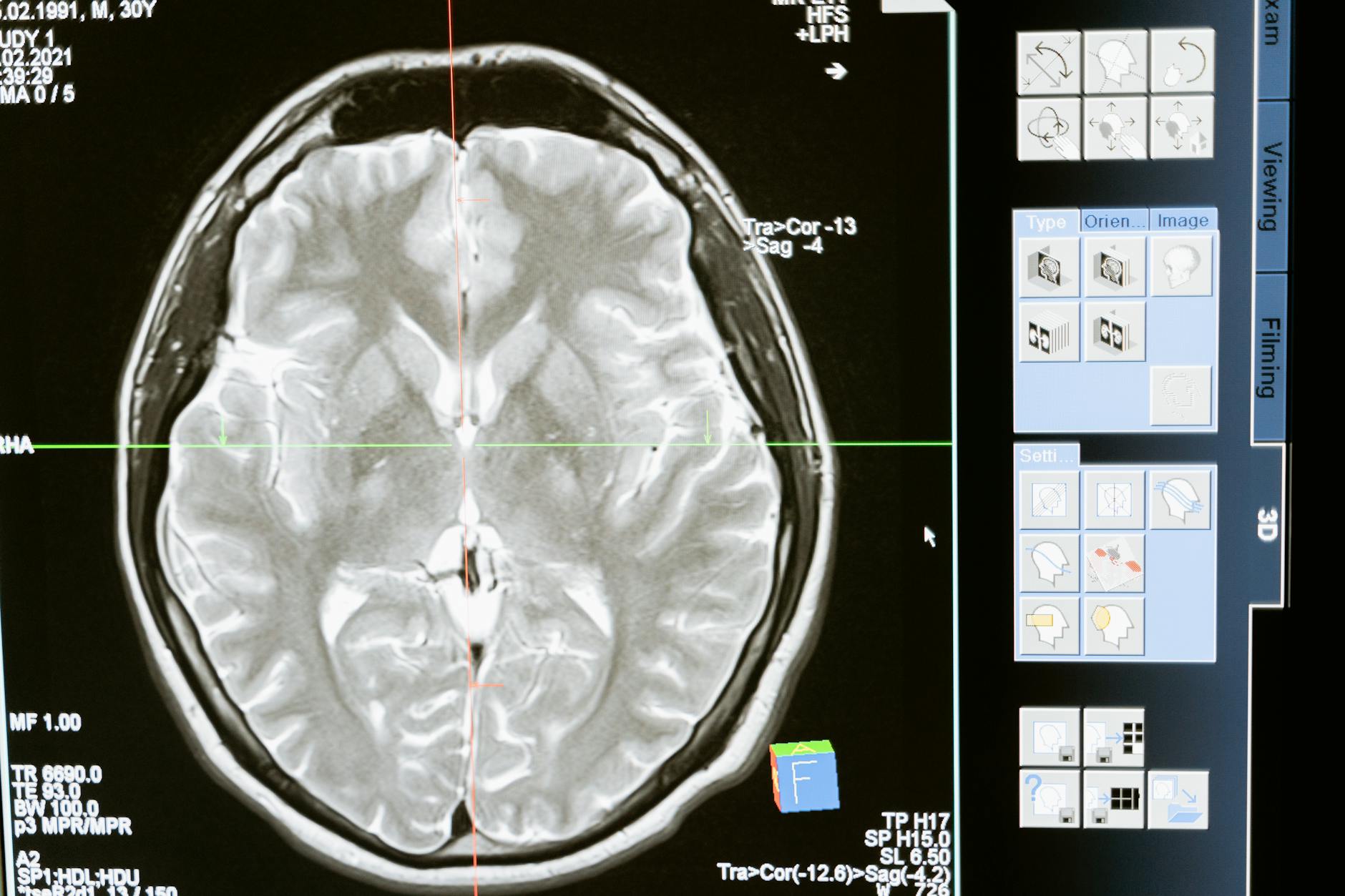
Hereditary transthyretin amyloidosis, sometimes called hATTR or familial amyloid polyneuropathy, is often discussed as a heart and nerve disease, but its effects on the brain and cognitive function deserve more attention than they typically receive. The transthyretin protein normally carries thyroid hormone and vitamin A through the bloodstream and the cerebrospinal fluid. When the mutated form misfolds and aggregates, it deposits in peripheral nerves first, causing numbness, pain, and weakness in the hands and feet. As the disease progresses, autonomic nerves that control blood pressure, digestion, and bladder function are affected. Cardiac involvement causes the heart walls to thicken and stiffen, leading to heart failure. The neurological component is what brings this condition into the dementia conversation.
Some TTR mutations, particularly the Val30Met variant common in Portuguese, Swedish, and Japanese populations, are strongly associated with leptomeningeal amyloidosis — deposits in the membranes surrounding the brain and spinal cord. This can cause seizures, stroke-like episodes, cognitive decline, and dementia. Even patients whose primary symptoms are peripheral may experience brain fog, difficulty concentrating, and depression that go underrecognized because clinicians focus on the more obvious nerve and heart damage. A 2019 case series from a Portuguese referral center documented cognitive impairment in a meaningful proportion of hATTR patients, though the exact prevalence remains debated and likely varies by mutation type. For caregivers already navigating the dementia landscape, the relevance is twofold. First, if a family member has been diagnosed with an unusual peripheral neuropathy alongside cognitive changes, hATTR should be on the differential diagnosis, because it is treatable. Second, the success of gene silencing in this rare disease is providing proof of concept for applying similar strategies to more common neurodegenerative conditions.
Comparing Gene Silencing to Other Emerging Approaches for Neurological Disease
Gene silencing is not the only technology trying to intervene at the genetic level in brain disease, and understanding the alternatives helps put its advantages and disadvantages in context. Gene therapy, as distinct from gene silencing, aims to permanently alter or replace the defective gene using viral vectors to deliver a corrected copy of the DNA into cells. This is a one-time treatment by design, but it carries the risk of permanent unintended changes, immune reactions to the viral vector, and the theoretical possibility of insertional mutagenesis — where the new DNA integrates into the genome at a harmful location. Gene silencing, by contrast, leaves the genome untouched and works at the RNA level, making it inherently more reversible but also inherently temporary. Antisense oligonucleotides represent a closely related approach. Like RNA interference drugs, they target messenger RNA, but they use a different molecular mechanism — binding directly to the RNA and marking it for destruction by a different enzyme system. Nusinersen, sold as Spinraza for spinal muscular atrophy, is the most well-known antisense drug and requires repeated intrathecal injections into the spinal fluid.
Tofersen, approved for a genetic form of ALS caused by SOD1 mutations, uses the same delivery route. The tradeoff compared to RNA interference is that antisense drugs can more easily reach the central nervous system with intrathecal delivery, while RNA interference drugs currently work best in the liver. For a patient with a liver-produced toxic protein like transthyretin, RNA interference is the better fit. For a patient with a toxic protein produced primarily in brain neurons, antisense oligonucleotides or gene therapy delivered directly to the brain may be more practical. The cost comparison is also significant. As of recent reports, gene silencing and antisense therapies for rare diseases have carried annual price tags in the hundreds of thousands of dollars. A single-dose formulation that lasts a year or longer could theoretically reduce total treatment costs, but pharmaceutical pricing does not always follow the logic of reduced manufacturing burden. Patients and advocates should watch this space carefully.
Safety Concerns and What Can Go Wrong With Gene Silencing
No medical intervention is without risk, and gene silencing therapies have a specific set of concerns that patients and caregivers should understand before viewing them as miracle cures. Infusion-related reactions were among the most common side effects reported in clinical trials of patisiran, requiring premedication with corticosteroids, antihistamines, and acetaminophen. Because the transthyretin protein normally transports vitamin A, silencing TTR production can lead to vitamin A deficiency, which if uncorrected can cause night blindness and other visual problems. Patients on these therapies typically require vitamin A supplementation. A more subtle concern is off-target gene silencing. The synthetic RNA strand is designed to match only the intended messenger RNA, but partial matches to other RNA sequences can occur, potentially silencing genes that should remain active.
Pharmaceutical companies invest heavily in designing sequences that minimize off-target effects, and clinical trials have not revealed catastrophic off-target problems to date, but long-term surveillance data covering decades of use does not yet exist. This is particularly relevant when considering single-dose formulations that would maintain gene silencing for extended periods — a longer duration means a longer window in which any unintended effects would persist before they could self-correct. For elderly patients with dementia or at risk for dementia, there is an additional practical concern. Clinical trials for these therapies typically enroll patients who can provide informed consent, attend regular follow-up visits, and reliably report symptoms. Patients with significant cognitive impairment may have difficulty participating in monitoring protocols, and the interaction between gene silencing therapies and the polypharmacy common in older adults with multiple chronic conditions has not been extensively studied. Caregivers considering these treatments for a loved one should have frank conversations with the prescribing specialist about monitoring requirements and what to watch for at home.

The Diagnostic Gap — Why Many Patients Are Identified Too Late
One of the most frustrating aspects of hereditary transthyretin amyloidosis is that the average time from symptom onset to correct diagnosis has historically been four to five years, and in some reports even longer. Patients often see multiple specialists — neurologists for their neuropathy, cardiologists for their heart symptoms, gastroenterologists for their digestive problems — before someone connects the dots. By the time gene silencing therapy is initiated, significant and sometimes irreversible organ damage may have already occurred.
The drug can stop new toxic protein from being produced, but it cannot reverse scarring in the heart or regrow destroyed nerve fibers. Genetic testing has become more accessible, and some cardiologists now routinely test for TTR mutations when they encounter unexplained cardiac thickening in patients over sixty, particularly since a non-hereditary form of transthyretin amyloidosis — wild-type ATTR — is increasingly recognized as an underdiagnosed cause of heart failure in the elderly. For families with a known history of the mutation, predictive genetic testing of at-risk relatives and early initiation of treatment before symptoms become debilitating represents the best-case scenario for gene silencing therapy. The lesson for the broader dementia community is one that keeps repeating: early detection dramatically changes outcomes, and advocating for genetic testing when the clinical picture is suggestive should not be seen as optional.
Where Gene Silencing Goes From Here in Brain Health
The trajectory of gene silencing research points toward increasingly ambitious applications in neurology. Alnylam and other companies have disclosed preclinical and early clinical programs targeting genes implicated in Alzheimer’s disease, including APP — the amyloid precursor protein gene — and complement pathway components involved in neuroinflammation. Academic centers are exploring RNA interference directed at tau protein production, which is relevant to Alzheimer’s, frontotemporal dementia, progressive supranuclear palsy, and chronic traumatic encephalopathy. The technical challenge of delivering these therapies across the blood-brain barrier remains the primary bottleneck, but progress in conjugate delivery systems and focused ultrasound to temporarily open the barrier is advancing steadily.
What makes the single-dose ambition so important is not just patient convenience but the potential to fundamentally change how we think about managing lifelong genetic conditions. If a newborn identified through genetic screening as carrying a disease-causing TTR mutation could receive a single treatment in infancy and remain protected for years, that child might never experience the disease at all. We are not there yet, and considerable scientific and regulatory work remains. But the distance between the idea and reality has narrowed considerably, and the families living with these conditions today have more reason for genuine hope than at any prior point.
Conclusion
Gene silencing represents one of the most significant shifts in how medicine approaches genetic disease — moving from managing symptoms downstream to intercepting disease at the molecular source. For hereditary transthyretin amyloidosis, this has already translated into approved therapies that meaningfully slow disease progression, and the pursuit of single-dose, long-acting formulations could further transform treatment from a chronic burden into a rare medical event. The relevance to dementia and brain health extends beyond this single rare disease, as the technology platforms being refined today are the same ones researchers hope to deploy against Alzheimer’s, frontotemporal dementia, and other neurodegenerative conditions driven by identifiable genetic culprits.
For caregivers and patients navigating brain health concerns, the practical takeaway is to stay informed about genetic testing options, particularly if there is a family history of unexplained neuropathy, early-onset dementia, or cardiac disease that does not fit typical patterns. Early identification of a treatable genetic condition can mean the difference between receiving a therapy that halts progression and arriving at a diagnosis after irreversible damage has occurred. Gene silencing is not yet a universal solution for dementia, but it is a powerful proof of concept that attacking disease at its genetic root is achievable, and the field is moving faster than many people realize.
Frequently Asked Questions
What is the difference between gene silencing and gene editing?
Gene silencing temporarily blocks a gene’s instructions at the RNA level without altering the DNA itself. Gene editing, such as CRISPR, permanently changes the DNA sequence. Gene silencing effects wear off over time, which provides a safety margin but means repeat treatments are currently necessary. Gene editing is potentially permanent but carries greater risk of irreversible unintended changes.
Can gene silencing drugs help with common Alzheimer’s disease?
Not yet in any approved form. Common Alzheimer’s involves many genetic and environmental factors, making it far more complex than single-gene conditions. However, researchers are investigating RNA interference therapies targeting specific proteins like amyloid precursor protein and tau. These remain in early research phases, and it may be years before any such therapy reaches clinical use for Alzheimer’s.
Is hereditary transthyretin amyloidosis related to dementia?
It can be. Certain TTR mutations cause amyloid deposits in the membranes surrounding the brain, leading to cognitive decline, seizures, and dementia-like symptoms. Even without direct brain involvement, the peripheral neuropathy and autonomic dysfunction caused by hATTR can significantly impair quality of life and cognitive function in older adults.
How much do gene silencing therapies cost?
Pricing for rare disease gene silencing therapies has historically been extremely high, with annual costs reported in the hundreds of thousands of dollars. A single-dose formulation could alter the cost equation, but pharmaceutical pricing depends on many factors beyond manufacturing costs. Insurance coverage, patient assistance programs, and country-specific pricing negotiations all play a role.
Are there gene silencing treatments available right now?
Yes. Patisiran and vutrisiran are approved RNA interference therapies for hereditary transthyretin amyloidosis in multiple countries. Givosiran is approved for acute hepatic porphyria, and inclisiran is approved for cholesterol management. However, a true single-dose formulation providing lifelong gene silencing for any condition has not yet reached the market as of the most recent available information.
Should I get genetic testing if a family member has unexplained neuropathy or heart problems?
It is worth discussing with a physician, particularly if symptoms include peripheral neuropathy of unknown cause, unexplained heart wall thickening, or autonomic dysfunction such as fainting or severe digestive issues. Genetic testing for TTR mutations is a simple blood test and can lead to treatments that are most effective when started early, before significant organ damage has occurred.