Semaglutide, the active ingredient in Wegovy, reduces the risk of a second heart attack, stroke, or cardiovascular death by 20 percent in adults with established heart disease and excess weight. That finding, published in the New England Journal of Medicine in November 2023, came from the SELECT trial — one of the largest cardiovascular outcome studies in recent years, enrolling 17,604 adults across 41 countries. For the millions of people living with both heart disease and obesity, it marked the first time a weight-loss medication earned FDA approval specifically for cardiovascular risk reduction.
But semaglutide is not the only drug reshaping secondary prevention after a heart attack. Colchicine, a centuries-old gout medication that costs pennies per day, has shown a 23 percent reduction in cardiovascular events among people with a recent heart attack, according to a 2025 Cochrane systematic review. And evolocumab (Repatha), a cholesterol-lowering injectable, demonstrated a 25 percent reduction in coronary events in high-risk patients in the VESALIUS-CV trial presented at the 2025 American Heart Association Scientific Sessions. This article examines what each of these drugs does, who they work best for, their limitations, and what they mean for people concerned about both heart health and long-term brain function — a connection that matters more than many patients realize.
Table of Contents
- How Does Semaglutide Cut the Risk of a Second Heart Attack by 20 Percent?
- What Role Does Inflammation Play in Repeat Heart Attacks?
- The Heart-Brain Connection — Why Cardiac Prevention Matters for Dementia Risk
- Comparing the Options — Semaglutide, Colchicine, and Repatha
- Who Should Not Take These Medications — Limitations and Warnings
- The Cost Equation — Access and Affordability in Secondary Prevention
- What Comes Next in Preventing Second Heart Attacks
- Conclusion
- Frequently Asked Questions
How Does Semaglutide Cut the Risk of a Second Heart Attack by 20 Percent?
The SELECT trial enrolled adults who had experienced a prior heart attack, stroke, or peripheral artery disease and who had a body mass index of 27 or higher, but critically, none of them had diabetes. Participants received either semaglutide 2.4 mg by weekly injection or a placebo. Over the study period, 6.5 percent of patients on semaglutide experienced a major adverse cardiovascular event — defined as cardiovascular death, nonfatal heart attack, or nonfatal stroke — compared to 8.0 percent on placebo. That translates to a hazard ratio of 0.80, with a p-value below 0.001, meaning the result was not a statistical fluke. What makes semaglutide particularly interesting is that weight loss alone does not explain the benefit. Patients in the semaglutide group lost an average of 9.4 percent of their body weight compared to 0.9 percent on placebo.
Researchers found that roughly one-third of the cardiovascular benefit was attributable to reductions in waist size, but two-thirds came from other mechanisms — likely reductions in inflammation, improvements in blood vessel function, and changes in how the body processes lipids. The drug also reduced the risk of cardiovascular death by 15 percent and all-cause death by 19 percent, suggesting its protective effects extend well beyond preventing a repeat cardiac event. For comparison, statins — the standard of care for secondary prevention — typically reduce major cardiovascular events by 25 to 35 percent. Semaglutide’s 20 percent reduction is additive, meaning it provides benefit on top of what statins already offer. In March 2024, the FDA approved Wegovy specifically for cardiovascular risk reduction in adults with established cardiovascular disease and overweight or obesity, making it the first GLP-1 receptor agonist to carry this indication in a non-diabetic population. An oral version of Wegovy has also received FDA approval, based on the OASIS 4 trial, which could make the medication more accessible to patients who are unwilling or unable to self-inject.

What Role Does Inflammation Play in Repeat Heart Attacks?
The traditional understanding of heart attacks focused almost exclusively on cholesterol: plaque builds up in an artery, narrows the vessel, and eventually blocks blood flow. But research over the past two decades has revealed that inflammation is often the trigger that causes a stable plaque to rupture, forming a clot that stops blood flow entirely. this is why some patients with relatively modest cholesterol levels still have heart attacks, and why targeting inflammation has become a serious area of cardiovascular research. Colchicine works on this principle. A Cochrane systematic review published in November 2025 evaluated 12 randomized controlled trials involving nearly 23,000 patients with a history of heart disease, heart attack, or stroke. Low-dose colchicine — just 0.5 mg daily, taken for six months or longer — reduced cardiovascular events by 31 percent in patients with chronic coronary disease and by 23 percent in those who had suffered a recent heart attack.
For every 1,000 individuals treated, nine heart attacks and eight strokes were prevented. The drug works by suppressing the IL-1β/IL-6/CRP inflammatory pathway, the same cascade that drives plaque instability and rupture. However, anti-inflammatory therapy is not without caveats. Colchicine can cause gastrointestinal side effects including diarrhea and nausea, and it has a narrow therapeutic window — meaning the difference between an effective dose and a toxic dose is smaller than with many other medications. Patients with significant kidney or liver impairment need careful dose adjustment or may not be candidates at all. And while the FDA approved colchicine in June 2023 for reducing the risk of heart attack, stroke, coronary revascularization, and cardiovascular death in adults with established atherosclerotic disease, adoption has been slow. Many cardiologists are still integrating it into their practice, and some patients are skeptical about taking a gout drug for their heart.
The Heart-Brain Connection — Why Cardiac Prevention Matters for Dementia Risk
For readers of a brain health website, the link between heart attacks and dementia deserves direct attention. Cardiovascular disease and dementia share overlapping risk factors — hypertension, diabetes, obesity, chronic inflammation, and physical inactivity. A heart attack itself can damage the brain: reduced cardiac output means less blood flow to cerebral tissue, and the inflammatory surge that accompanies a cardiac event can accelerate neurodegenerative processes. Studies have found that people who survive a heart attack have a measurably higher risk of developing vascular dementia and, to a lesser extent, Alzheimer’s disease in subsequent years. This is where medications like semaglutide become doubly relevant.
The 19 percent reduction in all-cause mortality observed in the SELECT trial reflects systemic benefits that extend beyond the heart. Semaglutide reduces inflammation, improves metabolic function, and promotes weight loss — all of which are independently associated with better cognitive outcomes in aging populations. Early-stage research is currently investigating whether GLP-1 receptor agonists might directly protect neurons, with several trials underway examining semaglutide’s effects on Alzheimer’s disease biomarkers. Similarly, colchicine’s anti-inflammatory mechanism targets a pathway — the IL-1β/IL-6/CRP cascade — that has been implicated in neuroinflammation and blood-brain barrier dysfunction. While no one should take colchicine specifically for dementia prevention based on current evidence, the fact that controlling systemic inflammation may simultaneously protect the heart and the brain underscores why aggressive secondary prevention after a heart attack matters for long-term cognitive health.

Comparing the Options — Semaglutide, Colchicine, and Repatha
Choosing among these medications is not a simple matter of picking the one with the biggest headline number. Each drug works through a different mechanism, targets a different patient population, and comes with distinct tradeoffs in cost, convenience, and side effects. Semaglutide (Wegovy) is a GLP-1 receptor agonist that requires a weekly injection — or now, a daily oral pill — and is approved specifically for patients with established cardiovascular disease and a BMI of 27 or higher. Its 20 percent reduction in major cardiovascular events is impressive, but the drug carries a list price exceeding $1,300 per month, and insurance coverage remains inconsistent. Side effects are predominantly gastrointestinal: nausea, vomiting, and diarrhea are common, particularly during the dose-escalation period. It is contraindicated in patients with a personal or family history of medullary thyroid carcinoma.
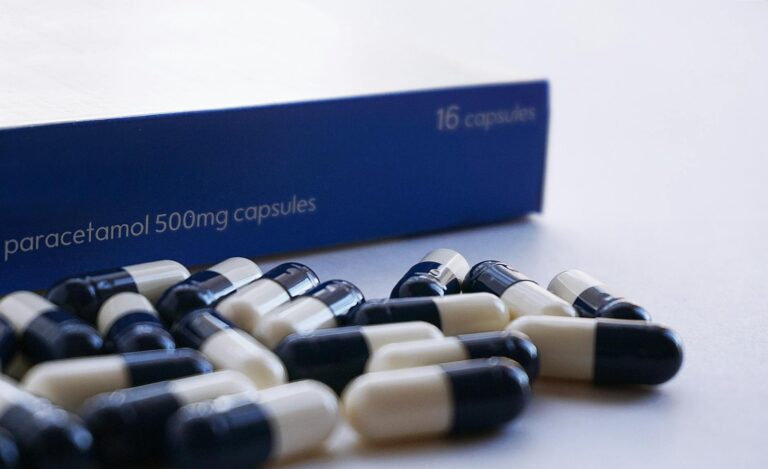
Colchicine, by contrast, costs pennies per day as a long-established generic medication. Its 23 percent reduction in cardiovascular events after a recent heart attack and 31 percent reduction in chronic coronary disease are compelling, especially given the price. But it works through a narrower mechanism — pure anti-inflammation — and does not offer the metabolic and weight-loss benefits of semaglutide. Repatha (evolocumab), a PCSK9 inhibitor administered by injection every two weeks, showed a 25 percent reduction in coronary events in the VESALIUS-CV trial among high-risk patients who had not yet had a heart attack or stroke. Its primary mechanism is aggressive LDL cholesterol lowering, making it most relevant for patients whose cholesterol is not adequately controlled by statins alone. At roughly $400 to $500 per month after manufacturer assistance programs, it falls between colchicine and semaglutide in cost.
Who Should Not Take These Medications — Limitations and Warnings
No medication is universally appropriate, and each of these drugs has populations for whom the risks may outweigh the benefits. Semaglutide should not be used by patients with a personal or family history of medullary thyroid carcinoma or multiple endocrine neoplasia syndrome type 2. It is also not approved for cardiovascular risk reduction in patients with a normal BMI — the SELECT trial specifically enrolled people with a BMI of 27 or above, and extrapolating its results to lean individuals is not supported by evidence. Patients with a history of pancreatitis should discuss the risks carefully with their physician, as GLP-1 receptor agonists have been associated with pancreatic inflammation in rare cases. Colchicine’s risks, while different, are no less important. The drug is cleared by the kidneys and liver, meaning patients with impaired function in either organ may accumulate toxic levels.
Colchicine toxicity can cause bone marrow suppression, muscle damage, and multi-organ failure — outcomes that are rare at the 0.5 mg daily dose used for cardiovascular prevention but that become relevant if a patient is also taking medications that inhibit the same metabolic enzymes, such as certain antibiotics or antifungals. Drug interactions are a genuine concern, and any patient starting colchicine needs a thorough medication review. Repatha is generally well tolerated, but injection-site reactions are common, and some patients develop antibodies to the drug over time that may reduce its effectiveness. Its high cost also remains a barrier, though Amgen has expanded patient assistance programs. For all three medications, the most important limitation is the same: none of them replaces the foundational therapies of statins, blood pressure control, smoking cessation, exercise, and dietary modification. They are additions to a comprehensive prevention strategy, not substitutes for one.

The Cost Equation — Access and Affordability in Secondary Prevention
The disparity in cost between these three drugs is worth examining because it directly affects who benefits. A patient prescribed colchicine at 0.5 mg daily might spend less than $15 per month — an amount manageable even without insurance. Semaglutide, even with insurance, can involve significant copays, and prior authorization battles are common.
A 2024 analysis found that many patients prescribed Wegovy for cardiovascular indications faced delays of weeks to months before their insurance approved the medication, during which time they remained at elevated risk. This matters especially for populations that overlap with dementia risk: older adults on fixed incomes, patients managing multiple chronic conditions, and those in healthcare systems where formulary restrictions limit access to newer drugs. Colchicine’s affordability makes it an attractive option for health systems looking to reduce cardiovascular events at a population level, while semaglutide and Repatha may be reserved for patients who can access them and who stand to benefit most from their specific mechanisms.
What Comes Next in Preventing Second Heart Attacks
The landscape of secondary cardiac prevention is evolving faster than at any point since statins became standard therapy in the 1990s. Trials are underway combining GLP-1 receptor agonists with anti-inflammatory agents to test whether targeting multiple pathways simultaneously produces additive benefits. Researchers are also investigating whether semaglutide’s cardiovascular protection extends to patients with a normal BMI, which would dramatically expand the eligible population.
For the brain health community, the most promising development may be the growing recognition that cardiovascular prevention and dementia prevention are not separate endeavors. Every heart attack prevented is also a potential case of vascular cognitive decline avoided. As medications like semaglutide, colchicine, and evolocumab prove their worth in cardiac care, the next wave of research will likely ask whether these same drugs can slow or prevent neurodegenerative disease — a question with enormous implications for an aging population.
Conclusion
Three medications — semaglutide, colchicine, and evolocumab — have each demonstrated significant reductions in the risk of cardiovascular events, with semaglutide’s 20 percent reduction in the SELECT trial earning it an FDA-approved cardiovascular indication. Colchicine’s anti-inflammatory approach and generic pricing make it an accessible complement, while Repatha’s 25 percent reduction in coronary events opens new ground in primary prevention for high-risk patients.
None of these drugs works in isolation; all are meant to be added to a foundation of statins, blood pressure management, and lifestyle modification. For anyone who has survived a heart attack or lives with cardiovascular disease, the practical step is a conversation with a cardiologist about whether one or more of these newer therapies makes sense given individual risk factors, other medications, insurance coverage, and overall health goals. The connection between heart health and brain health makes this conversation even more urgent — protecting the cardiovascular system is one of the most evidence-supported strategies available for preserving cognitive function over the long term.
Frequently Asked Questions
Is semaglutide (Wegovy) approved specifically to prevent heart attacks?
Yes. In March 2024, the FDA approved Wegovy for cardiovascular risk reduction in adults with established cardiovascular disease and overweight or obesity (BMI 27 or higher) who do not have diabetes. This was based on the SELECT trial, which showed a 20 percent reduction in major adverse cardiovascular events.
Can I take colchicine for heart protection if I have kidney disease?
Colchicine is cleared by the kidneys, and impaired kidney function increases the risk of drug accumulation and toxicity. Patients with significant renal impairment should discuss the risks carefully with their doctor, as dose adjustments or alternative therapies may be necessary.
Do these drugs replace statins after a heart attack?
No. Semaglutide, colchicine, and evolocumab are intended as additions to standard therapy, not replacements. Statins remain the foundation of secondary prevention. These newer medications target different pathways — weight and metabolism, inflammation, and LDL cholesterol, respectively — and provide additional risk reduction on top of what statins offer.
How much does colchicine cost compared to semaglutide?
Colchicine is available as a generic and typically costs less than $15 per month. Semaglutide (Wegovy) has a list price exceeding $1,300 per month, though insurance coverage and manufacturer assistance programs can reduce out-of-pocket costs. The cost difference is substantial and may influence treatment decisions.
Does preventing a second heart attack actually reduce dementia risk?
Evidence strongly suggests it does. Cardiovascular disease and dementia share overlapping risk factors including inflammation, hypertension, and reduced cerebral blood flow. A heart attack reduces cardiac output and triggers systemic inflammation, both of which can accelerate cognitive decline. Preventing repeat cardiac events helps maintain the blood flow and metabolic stability the brain depends on.
Is there an oral version of Wegovy available?
Yes. An oral formulation of semaglutide received FDA approval based on the OASIS 4 trial. This provides an alternative for patients who prefer not to self-inject, though the oral version requires specific dosing instructions, including taking it on an empty stomach with minimal water.