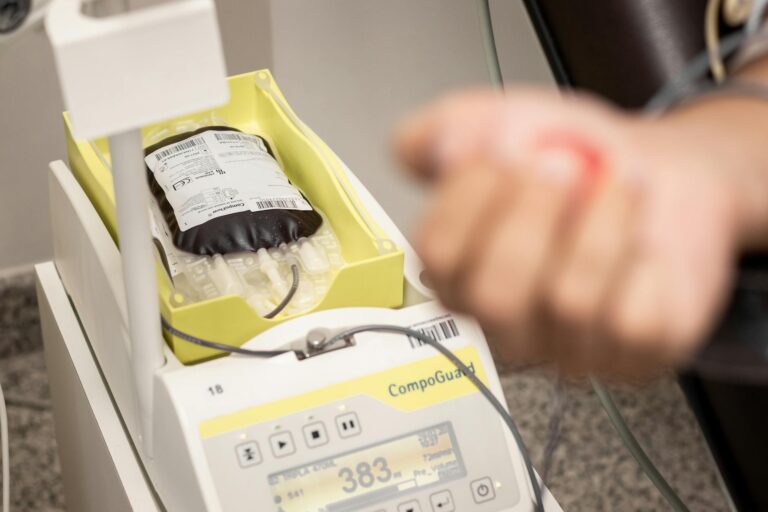
A class of injectable drugs now exists that can prevent migraines for an entire month with a single shot under the skin. These medications, known as CGRP monoclonal antibodies, were first approved by the FDA in 2018 and represent the first drug class ever designed specifically for migraine prevention. Three self-injectable options are currently available — Aimovig, Ajovy, and Emgality — and clinical trials show that 42 to 59 percent of patients achieve at least a 50 percent reduction in monthly migraine days, compared to roughly 16 percent on placebo. For the millions of people living with chronic or episodic migraines, including older adults managing multiple neurological conditions, this is a meaningful shift.
Traditional preventives like topiramate, beta-blockers, and antidepressants were borrowed from other fields and came with side effect profiles that many patients found intolerable. These newer injectables were built from the ground up to target migraine biology. The American Headache Society now recommends CGRP inhibitors as a first-line option for migraine prevention, not just a fallback when other treatments fail. This article covers how these monthly injectable drugs work, what the clinical evidence actually shows, who qualifies, what they cost, the recent expansion into pediatric use, and what people concerned about brain health should understand about long-term migraine management.
Table of Contents
- How Do Monthly Injectable Drugs Prevent Migraines?
- What Does the Clinical Evidence Show About Effectiveness?
- Which Monthly Injectable Is Right for Different Patients?
- What Do These Drugs Cost and How Can Patients Afford Them?
- What Are the Limitations and Risks to Understand?
- A New Chapter for Pediatric Migraine Prevention
- What the Future Holds for Monthly Migraine Prevention
- Conclusion
- Frequently Asked Questions
How Do Monthly Injectable Drugs Prevent Migraines?
All four FDA-approved CGRP monoclonal antibodies target calcitonin gene-related peptide, a molecule that drives pain signaling in the brain during migraine attacks. CGRP is released in large quantities during a migraine and contributes to the inflammation and blood vessel dilation that produce the characteristic throbbing pain, light sensitivity, and nausea. By blocking either the CGRP molecule itself or its receptor, these drugs interrupt the cascade before it starts. The mechanism differs slightly between the drugs. Aimovig (erenumab) blocks the CGRP receptor, essentially preventing the molecule from docking and triggering pain signals.
Ajovy (fremanezumab), Emgality (galcanezumab), and the IV-infused Vyepti (eptinezumab) take the opposite approach — they bind directly to the CGRP ligand, neutralizing it before it can reach the receptor. In practice, clinical outcomes across the group are broadly similar, though individual patients may respond better to one than another. What makes these drugs notable from a brain health perspective is their specificity. Older preventive medications affected broad neurotransmitter systems, which is why they caused cognitive fog, weight changes, and sedation — side effects particularly concerning for older adults or anyone already managing cognitive decline. CGRP antibodies operate through a much narrower mechanism, which generally translates to a cleaner side effect profile. The most common complaints are injection site reactions and constipation, not the neurological side effects that made prior preventives so difficult to tolerate.

What Does the Clinical Evidence Show About Effectiveness?
The trial data for CGRP monoclonal antibodies is solid but worth understanding in context. Across pivotal studies, 42 to 59 percent of patients achieved a 50 percent or greater reduction in monthly migraine days. That is a meaningful improvement, but it also means a substantial portion of patients do not reach that threshold. The average absolute reduction compared to placebo ranges from 1.27 to 2.36 fewer migraine days per month — a number that may sound modest until you consider what even two fewer days of debilitating pain means for daily functioning. Head-to-head comparisons are limited, but one notable trial found that 55.4 percent of patients on erenumab (Aimovig) achieved greater than 50 percent reduction in monthly migraine days, compared to 31.2 percent on topiramate, a widely used oral preventive.
That gap is significant, especially since topiramate carries well-documented cognitive side effects including word-finding difficulty and memory impairment — problems that are particularly alarming for anyone already worried about brain health or dementia risk. However, these drugs do not work equally well for everyone, and there is currently no reliable way to predict who will be a strong responder before starting treatment. Some patients are “super-responders” who experience a 75 percent or greater reduction in migraine days, while others see little benefit after several months. Most neurologists recommend a trial of at least three months before concluding that a specific CGRP inhibitor is not working. If one drug in the class fails, switching to another sometimes produces better results, since the receptor-blocking and ligand-blocking approaches are mechanistically distinct.
Which Monthly Injectable Is Right for Different Patients?
The three self-injectable CGRP drugs share a common mechanism but differ in dosing flexibility, manufacturer support, and cost — factors that matter when choosing between them. Aimovig, manufactured by Amgen and Novartis, was the first to market in May 2018. It is administered as a once-monthly subcutaneous injection at either 70 mg or 140 mg via a prefilled autoinjector pen. Retail pricing runs approximately $783 to $935 per month, though GoodRx coupons can bring costs down to around $299. Ajovy, made by Teva, offers a dosing choice that the others do not: patients can take 225 mg monthly or opt for a 675 mg dose every three months, reducing injections to just four per year.
For patients who dislike needles or have difficulty with monthly routines — a real consideration for older adults or those with cognitive challenges — quarterly dosing can improve adherence. Ajovy’s retail cost is approximately $749 per month, but Teva’s savings card can reduce the copay to as low as $15 per month for eligible patients. Emgality, from Eli Lilly, is dosed at 120 mg monthly via prefilled pen, with a loading dose of 240 mg at initiation. Its retail price is roughly $625 to $630 per month, making it the least expensive at list price, and Lilly’s savings program can bring commercially insured patients’ costs to as low as $35 per month, with a maximum annual savings benefit of $4,900. For patients weighing cost heavily, Emgality’s combination of lower list price and robust manufacturer assistance often makes it the most accessible option. A fourth drug, Vyepti, is administered intravenously every three months in a clinical setting rather than self-injected at home, which suits patients who prefer supervised administration but adds the inconvenience and cost of office visits.

What Do These Drugs Cost and How Can Patients Afford Them?
Cost remains the most significant barrier to CGRP inhibitor access. At retail prices ranging from roughly $625 to $935 per month, a year of treatment can exceed $10,000 without insurance or manufacturer assistance. Most commercial insurance plans now cover at least one CGRP drug, but many require step therapy — meaning patients must first try and fail cheaper oral preventives like topiramate or propranolol before the insurer will approve a CGRP injectable. Each manufacturer offers a savings program, and the differences matter. Ajovy’s program is the most aggressive, potentially reducing copays to $15 per month. Emgality’s card brings costs to $35 per month with up to $4,900 in annual savings.
Aimovig’s assistance varies but GoodRx coupons can lower out-of-pocket cost to around $299 per month, which is still substantial for many households. Medicare patients face a different landscape entirely — manufacturer copay cards generally cannot be used with government insurance, and Part D coverage varies widely by plan. Some patients on Medicare end up paying significantly more than commercially insured patients, a disparity worth discussing with a neurologist or patient advocate. The tradeoff calculation is personal. For someone experiencing 10 or more migraine days per month, the cost of lost productivity, emergency room visits, and reduced quality of life may well exceed the drug cost. For someone with four migraine days per month who achieves a modest reduction, the math is less clear. Neurologists increasingly recommend tracking migraine frequency carefully for three months before and after starting treatment to make an informed decision about whether to continue.
What Are the Limitations and Risks to Understand?
CGRP monoclonal antibodies are generally well tolerated, but they are not without concerns. The most common side effects are injection site reactions — redness, swelling, or pain at the injection site — and constipation, which can be significant enough to require treatment in some patients. Aimovig in particular has been associated with constipation severe enough to require medical attention in rare cases, leading to a warning in its prescribing information. A more nuanced concern for readers of a brain health site involves CGRP’s role beyond migraine. CGRP is not just a pain molecule — it is involved in cardiovascular regulation, wound healing, and potentially neuroprotection. Some researchers have raised theoretical concerns about long-term CGRP blockade, particularly in older adults or those with cardiovascular disease.
To date, long-term safety data extending several years has not revealed significant cardiovascular signals, but the drugs have only been on the market since 2018, and post-marketing surveillance is ongoing. Patients with a history of cardiovascular events should discuss this uncertainty with their physician. Another limitation is that these drugs prevent migraines but do not treat them once they start. Patients still need an acute treatment plan for breakthrough attacks. The recently FDA-approved Brekiya (dihydroergotamine mesylate), the first self-administered autoinjector for acute migraine and cluster headache treatment, represents a notable advance on the acute side but serves a completely different purpose than the monthly preventives. Combining a CGRP preventive with an appropriate acute therapy is the current standard of care.

A New Chapter for Pediatric Migraine Prevention
In August 2025, the FDA approved Ajovy for pediatric episodic migraine in children ages 6 to 17 weighing at least 45 kilograms, making it the first anti-CGRP preventive treatment approved for children. This decision was supported by the SPACE trial, whose results were published in the New England Journal of Medicine in 2026, demonstrating that fremanezumab significantly reduced monthly migraine and headache days in children and adolescents compared to placebo. This development matters for brain health across the lifespan.
Migraine in childhood is associated with school absenteeism, social isolation, and emerging evidence suggests that poorly controlled migraine early in life may influence long-term neurological outcomes. Until now, pediatric migraine prevention relied on medications with limited evidence in children and side effects that concerned parents and clinicians alike. Having a specifically approved, well-studied option changes the treatment conversation for families dealing with frequent pediatric migraines.
What the Future Holds for Monthly Migraine Prevention
The CGRP drug class has matured rapidly since 2018, and the trajectory suggests continued expansion. The American Headache Society’s decision to elevate CGRP inhibitors to first-line status, rather than reserving them as second- or third-line options, reflects growing confidence in their efficacy and safety profile. This shift means more patients will likely try these drugs earlier in their migraine journey, potentially avoiding years of trial and error with less targeted medications.
For those following brain health research more broadly, the CGRP story is also instructive. It demonstrates that when researchers identify a specific molecular target in a neurological condition, purpose-built therapies can outperform repurposed drugs with broad mechanisms. That principle is now driving research in Alzheimer’s disease, Parkinson’s disease, and other neurodegenerative conditions. Whether the next decade produces analogous breakthroughs for dementia remains uncertain, but the migraine field offers a template for what targeted neurological drug development can achieve.
Conclusion
Monthly injectable CGRP monoclonal antibodies have genuinely changed migraine prevention. With three self-injectable options — Aimovig, Ajovy, and Emgality — and a quarterly IV option in Vyepti, patients now have purpose-built treatments that reduce migraine frequency by 50 percent or more in roughly half of users, with a side effect profile far more manageable than older preventives. The 2025 pediatric approval of Ajovy extends these benefits to children for the first time.
Cost remains a real obstacle, but manufacturer programs and increasing insurance coverage are narrowing the gap. For anyone managing migraines alongside concerns about cognitive health and aging, these drugs deserve a serious conversation with a neurologist. Their targeted mechanism avoids the cognitive side effects that made older preventives particularly problematic for brain-health-conscious patients. Tracking migraine frequency before and after starting treatment, understanding insurance and savings options, and allowing a full three-month trial are practical steps toward determining whether a monthly injectable is the right fit.
Frequently Asked Questions
How quickly do monthly migraine injections start working?
Most patients notice some improvement within the first month, but clinical trials typically measure outcomes over 12 weeks. Neurologists generally recommend continuing treatment for at least three months before deciding whether the drug is effective, since response can build over time.
Can I use a monthly CGRP injectable alongside other migraine medications?
Yes. These preventive injections can be combined with acute migraine treatments like triptans, NSAIDs, or the newer gepant medications. They can also be used alongside other preventives, though your neurologist will evaluate whether combination therapy is warranted based on your specific situation.
Are these injections painful?
Most patients describe the injection as a brief pinch or sting lasting a few seconds. The autoinjector pens are designed for home use and do not require medical training. Injection site reactions like redness or mild swelling are common but typically resolve within a few days.
Do I need to keep taking the injections indefinitely?
This is an ongoing discussion in the field. Some neurologists recommend a trial discontinuation after 6 to 12 months of good control to see if improvements persist. Some patients maintain reduced migraine frequency after stopping, while others see migraines return and resume treatment.
Will Medicare cover monthly migraine injections?
Medicare Part D plans may cover CGRP injectables, but coverage varies significantly by plan and typically requires prior authorization and evidence of failure with other preventives. Manufacturer copay cards generally cannot be applied to government insurance, which can make out-of-pocket costs higher for Medicare patients compared to those with commercial insurance.
Is there a risk of medication overuse headache with these injections?
No. Medication overuse headache is associated with frequent use of acute migraine treatments like triptans and pain relievers, not with preventive therapies. CGRP monoclonal antibodies are preventive drugs taken on a fixed schedule regardless of headache occurrence, so overuse headache is not a concern with this class.