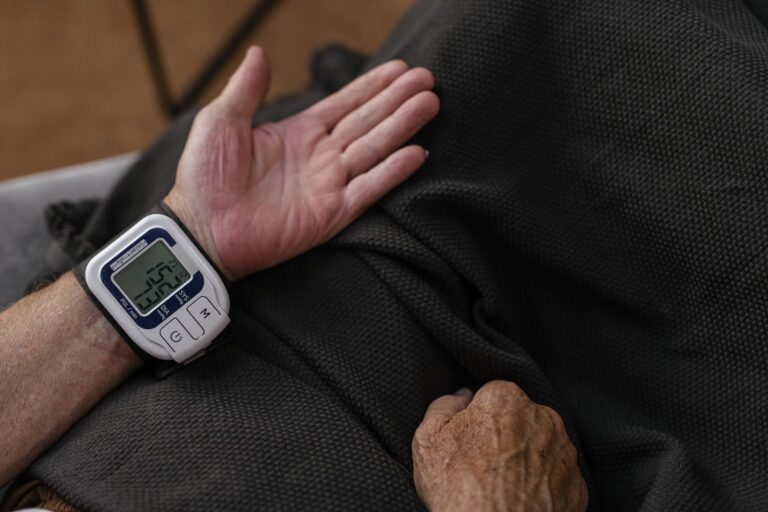
Propranolol, a beta-blocker prescribed for decades to manage high blood pressure, angina, and irregular heartbeat, is also one of the most effective migraine preventives available — and it has been FDA-approved for that purpose since the 1970s. Research shows it reduces migraine frequency by approximately 50%, cutting roughly 1.5 headache days per month compared to placebo. For the millions of people who live with both cardiovascular concerns and chronic migraines, this dual-purpose medication represents something uncommon in medicine: a single pill that meaningfully addresses two separate conditions.
But propranolol is not the only heart drug pulling double duty. Candesartan, an angiotensin II receptor blocker used for blood pressure and heart failure, has emerged as a serious contender in migraine prevention, with a landmark 2025 Norwegian trial showing a 49% responder rate. Verapamil, a calcium channel blocker for arrhythmias, and lisinopril, an ACE inhibitor, have also demonstrated prophylactic benefit. This article examines the evidence behind each of these repurposed cardiovascular medications, compares their efficacy and side-effect profiles, and explains why a 2026 study linking newer migraine-specific drugs to heart risk may make these older medications more relevant than ever — particularly for older adults and those managing dementia-related care.
Table of Contents
- Why Would a Heart Drug Work as a Migraine Preventive?
- Propranolol — What the Evidence Actually Shows and Where It Falls Short
- Candesartan — The Blood Pressure Drug Gaining Ground in Migraine Prevention
- Comparing Your Options — Which Repurposed Heart Drug Fits Which Patient?
- The 2026 CGRP Safety Signal and Why Older Heart Drugs May Matter More Now
- Practical Considerations for Caregivers and Older Adults
- What Comes Next for Repurposed Heart Drugs in Migraine and Brain Health
- Conclusion
- Frequently Asked Questions
Why Would a Heart Drug Work as a Migraine Preventive?
The connection between cardiovascular medications and migraine relief is not as strange as it sounds. Migraines involve changes in blood vessel tone, neurotransmitter activity, and nervous system excitability — all processes that overlap with the mechanisms heart drugs target. Beta-blockers like propranolol, for example, reduce the activity of the sympathetic nervous system, dampen adrenaline’s effects on blood vessels, and may stabilize the cortical excitability that triggers migraine aura. These actions address the cardiovascular system and the migraine cascade simultaneously. The discovery was largely accidental. Clinicians noticed in the 1960s and 1970s that patients taking propranolol for heart conditions reported fewer migraines.
Formal trials followed, and propranolol became one of the first medications FDA-approved specifically for migraine prophylaxis — along with timolol, another beta-blocker. A 2024 meta-analysis from the European Headache Federation reaffirmed propranolol’s place as a first-line agent for migraine prophylaxis, noting its “long-standing use, global availability, and low cost.” Few migraine preventives can claim that combination of proven efficacy and accessibility. It is worth noting that these drugs do not stop a migraine once it has started. They are preventive, meaning they reduce how often migraines occur when taken daily over weeks or months. this distinction matters for patients and caregivers who might otherwise expect immediate relief. Therapeutic benefits from propranolol, for instance, may take up to 12 weeks at an adequate dose to become apparent.

Propranolol — What the Evidence Actually Shows and Where It Falls Short
Propranolol remains the most studied heart drug for migraine prevention. The typical starting dose is 40 mg per day, and it can be titrated up to 320 mg per day depending on response and tolerability. Across clinical trials, it consistently achieves what researchers call a 50% or greater reduction in migraine days for a meaningful proportion of patients — a threshold that, while it may sound modest, represents a significant quality-of-life improvement for someone experiencing 8 or more migraine days per month. However, propranolol is not a good fit for everyone. Common side effects include fatigue, nausea, dizziness, decreased exercise tolerance, and depression.
That last one deserves particular attention in the context of brain health and dementia care. Older adults with cognitive decline may already experience mood disturbances, and adding a medication that can contribute to depressive symptoms requires careful clinical judgment. Propranolol can also lower heart rate and blood pressure to levels that increase fall risk in elderly patients — a serious concern for anyone caring for a loved one with dementia. People with asthma, severe bradycardia, or certain types of heart block should not take propranolol. And because it can mask the symptoms of low blood sugar, patients with diabetes need close monitoring. The drug works well for many people, but the decision to use it should involve an honest conversation about these tradeoffs, especially when the patient is older or managing multiple health conditions.
Candesartan — The Blood Pressure Drug Gaining Ground in Migraine Prevention
Candesartan, sold under the brand name Atacand, is an angiotensin II receptor blocker originally developed for hypertension and heart failure. Its use in migraine prevention is off-label — it is not FDA-approved for this purpose — but the clinical evidence supporting it has grown substantially. A 2025 Norwegian randomized controlled trial, the largest ever conducted for candesartan in migraine with 534 subjects, found that 16 mg of candesartan daily achieved a 49% responder rate, meaning nearly half of participants experienced at least a 50% reduction in migraine days. The placebo group, by comparison, had a 28% responder rate. What makes candesartan particularly interesting is how it stacks up against propranolol.
A head-to-head crossover trial found candesartan 16 mg comparable in efficacy to propranolol 160 mg, but with a somewhat different side-effect profile. Where propranolol tends to cause fatigue and exercise intolerance, the most common side effect of candesartan was dizziness, reported by 28 to 30% of participants in the Norwegian trial. Importantly, 78 to 84% of participants rated candesartan as “very well tolerated.” For a patient who cannot handle propranolol’s sedating effects — or for an older adult where fatigue could be confused with cognitive decline — candesartan may offer a meaningful alternative. Recent guidelines have given candesartan a weak recommendation in favor for episodic migraine prevention, which in clinical guideline language means the evidence supports its use but is not yet robust enough for a strong endorsement. For caregivers and patients navigating the world of off-label prescribing, this distinction matters: the drug works, but your doctor is making a judgment call rather than following an established protocol.

Comparing Your Options — Which Repurposed Heart Drug Fits Which Patient?
The choice between propranolol, candesartan, verapamil, and lisinopril is not simply about which one is “best.” Each drug has a different mechanism, a different side-effect profile, and a different evidence base, and the right choice depends heavily on the individual patient’s health picture. Propranolol is the default first choice for most clinicians because it has the deepest evidence base and FDA approval. Candesartan is the strongest alternative, particularly for patients who experience fatigue or mood changes on beta-blockers. Verapamil, a calcium channel blocker used for arrhythmias and hypertension, has limited but positive evidence at doses of 240 to 320 mg per day — two of three small trials versus placebo showed benefit, with a moderate effect size of 0.78.
However, the evidence is considered weak, and verapamil is typically reserved for patients who cannot use other preventives. Lisinopril, an ACE inhibitor, showed prophylactic effectiveness at 10 mg twice daily in a small double-blind, placebo-controlled crossover trial, but the data remain thin. For someone managing both hypertension and migraines, any of these drugs could address two problems at once — a genuine advantage when polypharmacy is already a concern. For an older adult with dementia who also suffers from migraines, the calculus shifts toward whichever option is least likely to worsen cognitive function, cause falls, or interact with existing medications. That conversation belongs with a physician who knows the full clinical picture, but having options beyond propranolol is valuable.
The 2026 CGRP Safety Signal and Why Older Heart Drugs May Matter More Now
In recent years, a new class of migraine-specific drugs — the CGRP inhibitors, including medications like erenumab, fremanezumab, and galcanezumab — transformed migraine treatment by targeting calcitonin gene-related peptide, a molecule directly involved in migraine pathophysiology. These drugs were celebrated for their precision and tolerability. But a 2026 study introduced a serious caveat: preventive CGRP inhibitors were associated with a modestly increased risk of cardiovascular events, including myocardial infarction and ischemic stroke. This finding does not mean CGRP inhibitors are dangerous for everyone, but it does change the risk-benefit conversation for patients who already have cardiovascular disease, elevated stroke risk, or vascular dementia. For these individuals — who may have been steered toward newer, migraine-specific therapies — the repurposed heart drugs suddenly look more attractive.
A medication like propranolol or candesartan does not just avoid adding cardiovascular risk; it actively lowers it, while simultaneously reducing migraine frequency. For the dementia care community, this matters. Vascular risk factors are among the most modifiable contributors to cognitive decline. A preventive strategy that controls blood pressure, reduces migraine burden, and avoids additional cardiovascular risk is not just convenient — it may be neuroprotective in a broader sense. Clinicians managing older patients with overlapping cardiovascular and neurological conditions should weigh this 2026 evidence when making prescribing decisions.

Practical Considerations for Caregivers and Older Adults
Starting any preventive medication in an older adult requires patience and close observation. With propranolol, the starting dose is typically 40 mg per day, and benefits may not appear for up to 12 weeks. During that time, caregivers should watch for signs of excessive fatigue, low blood pressure (especially upon standing), mood changes, and reduced physical activity.
For someone with dementia, these symptoms can be difficult to separate from disease progression, which makes careful documentation and regular follow-up with the prescribing physician essential. Candesartan, because dizziness is its most common side effect, also warrants fall-risk monitoring in elderly patients. Any new dizziness in a person with cognitive impairment should be reported promptly. The encouraging tolerability data from clinical trials should be weighed against the reality that trial populations tend to be younger and healthier than the typical dementia care patient.
What Comes Next for Repurposed Heart Drugs in Migraine and Brain Health
The landscape of migraine prevention is shifting. The 2024 European Headache Federation meta-analysis reaffirming propranolol, the 2025 landmark candesartan trial, and the 2026 CGRP cardiovascular safety signal are collectively pushing the field toward a more nuanced view of treatment selection — one that considers the whole patient rather than the migraine alone.
For researchers, the next step is larger trials of candesartan and lisinopril in older populations, including those with mild cognitive impairment, where both migraine burden and cardiovascular risk are elevated. For patients and caregivers today, the practical takeaway is straightforward: if migraines are a problem and heart health is also a concern, ask about propranolol or candesartan before assuming that the newest, most expensive migraine drug is the right answer. Sometimes the most effective treatment is the one that has been sitting in the medicine cabinet all along, doing two jobs at once.
Conclusion
Propranolol and candesartan stand out as the best-supported heart drugs for migraine prevention, with propranolol offering decades of FDA-approved evidence and candesartan delivering comparable efficacy with a potentially better tolerability profile. Verapamil and lisinopril remain secondary options for patients who cannot tolerate the first two. The 2026 finding that CGRP inhibitors carry a modest cardiovascular risk only strengthens the case for considering these repurposed medications, especially in patients who already face elevated heart and stroke risk.
For anyone involved in dementia care or brain health, the intersection of cardiovascular treatment and migraine prevention is not a footnote — it is central to holistic patient management. Blood pressure control, migraine reduction, and cardiovascular risk mitigation can sometimes be achieved with a single, well-chosen medication. Talk to a neurologist or primary care physician about whether one of these dual-purpose drugs is appropriate, and allow adequate time — at least 8 to 12 weeks — to judge whether the medication is working before making changes.
Frequently Asked Questions
Is propranolol safe for elderly patients with dementia?
Propranolol can be used in older adults, but it requires careful monitoring. Side effects like fatigue, low blood pressure, and depression can mimic or worsen dementia symptoms. The starting dose should be low, and any mood or cognitive changes should be reported to the prescribing physician immediately.
Can I take candesartan for migraines if I already take a blood pressure medication?
Possibly, but this requires coordination with your doctor. Adding candesartan to an existing blood pressure regimen could lower blood pressure excessively. Your physician may adjust or substitute your current medication rather than simply adding another.
How long does it take for propranolol to prevent migraines?
Therapeutic benefits may take up to 12 weeks at an adequate dose. Many patients notice improvement within 4 to 8 weeks, but giving up too early is a common reason for apparent treatment failure.
Are these heart drugs better than CGRP inhibitors for migraine prevention?
Not necessarily better in terms of migraine reduction alone, but a 2026 study found CGRP inhibitors associated with a modestly increased risk of cardiovascular events. For patients with existing heart disease or elevated vascular risk, repurposed heart drugs may be a safer overall choice because they reduce cardiovascular risk rather than adding to it.
Does propranolol help with migraine aura specifically?
Propranolol is approved for migraine prophylaxis generally and may reduce both migraine with and without aura. However, it is not specifically targeted to aura. Patients whose primary burden is aura rather than headache should discuss this distinction with their neurologist.
Can these medications be used alongside acute migraine treatments like triptans?
Generally yes, though there are important exceptions. Propranolol and some triptans can interact, and your physician should review the full medication list. The preventive heart drugs are taken daily to reduce migraine frequency, while acute treatments are used as needed when a migraine occurs.