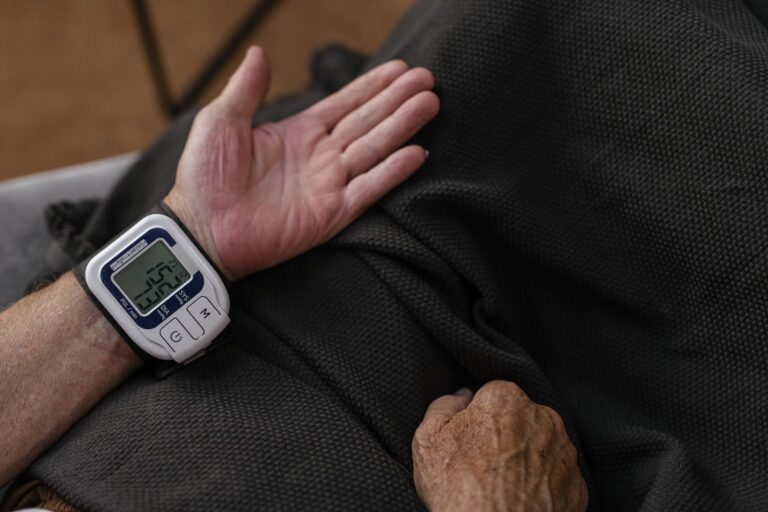
Millions prescribed sits at the center of this dementia and brain health question.
Millions of Americans are taking medications that mounting scientific evidence shows simply do not work — and in some cases, these drugs cause serious harm. The most striking recent example is oral phenylephrine, the active ingredient in popular cold medicines like Sudafed PE, NyQuil, and Mucinex Sinus-Max: in September 2023, an FDA advisory panel voted unanimously that it is ineffective as a nasal decongestant, a full 47 years after it was first approved. CVS and Walgreens alone sold 242 million bottles of phenylephrine-containing drugs in 2022, generating nearly $1.8 billion in revenue. Roughly half of all U.S. households had purchased one of these products in the prior year, paying for relief that the best available science says never came.
But phenylephrine is far from the only drug sitting on shelves or filling prescription bottles despite evidence of futility. A January 2026 study published in JAMA found that one in four older Americans with dementia are still prescribed brain-altering drugs linked to falls, confusion, and hospitalization — often without any documented clinical reason. Midodrine, a blood pressure medication prescribed to hundreds of thousands of patients, was found in a comprehensive Mayo Clinic review to provide no significant benefit. And the COVID-19 pandemic saw millions take hydroxychloroquine and ivermectin based on studies later retracted or debunked. This article examines how these failures happen, why the FDA is slow to act, and what patients — particularly those managing dementia and cognitive decline — need to know to protect themselves.
Table of Contents
- How Were Millions Prescribed Drugs That New Evidence Shows Are Ineffective?
- Why Are Dementia Patients Still Receiving Dangerous, Unproven Prescriptions?
- The Midodrine Problem — When a Drug Stays on the Market Despite Weak Evidence
- What Should Patients and Caregivers Do When They Suspect a Drug Is Ineffective?
- How the COVID-19 Pandemic Exposed the Danger of Prescribing Without Evidence
- The FDA’s Accelerated Approval Pathway and Its Consequences
- What Comes Next for Drug Accountability and Patient Safety?
- Conclusion
- Frequently Asked Questions
How Were Millions Prescribed Drugs That New Evidence Shows Are Ineffective?
The story of oral phenylephrine illustrates a systemic problem in American pharmaceutical regulation. When the FDA first approved phenylephrine as an over-the-counter decongestant in 1976, the evidentiary standards were different, and the approval relied on limited data. Over the decades, better-designed studies repeatedly showed that the drug is broken down so thoroughly in the gut and liver that almost none of it reaches the nasal blood vessels it is supposed to constrict. By the time the FDA advisory panel rendered its unanimous verdict in 2023, the scientific consensus was overwhelming. Yet the drug remained on store shelves for more than a year afterward. In November 2024, the FDA formally proposed removing oral phenylephrine from the OTC monograph. The public comment period closed on may 7, 2025, and if finalized, the removal order would take effect one year after publication — likely no sooner than the second half of 2026.
That means consumers will have spent roughly three years buying a product the government’s own experts declared useless. Notably, only oral forms are affected; phenylephrine nasal sprays, which deliver the drug directly to nasal tissue, remain considered effective. The gap between scientific consensus and regulatory action is not unique to cold medicine. A 2022 analysis by the HHS Office of Inspector General found that more than one-third of drugs approved through the FDA’s accelerated pathway have never had a confirmatory trial completed. The accelerated approval process was designed to get promising treatments to desperate patients faster, with the expectation that drugmakers would verify effectiveness through post-market studies. In practice, those studies are often delayed for years or never finished at all. The result is a pharmaceutical landscape where patients and doctors cannot always trust that an FDA-approved drug actually does what it claims to do.

Why Are Dementia Patients Still Receiving Dangerous, Unproven Prescriptions?
For families dealing with dementia and cognitive decline, the prescribing problem goes far beyond cold medicine. A UCLA, RAND, and University of Michigan study published in JAMA in January 2026 found that one in four older Americans with dementia are still prescribed CNS-active drugs — including anticholinergic antidepressants, antipsychotics, barbiturates, benzodiazepines, and non-benzodiazepine hypnotics — that are associated with falls, deepened confusion, and hospitalization. Over two-thirds of patients receiving these prescriptions lacked a documented clinical indication, meaning there was no clear medical reason recorded for why the drug was given in the first place. The study tracked prescribing patterns among Medicare beneficiaries from 2013 to 2021 and found some improvement: overall rates dropped from 20 percent to 16 percent over that period. However, patients with cognitive impairment continue to receive these medications at disproportionately higher rates than the general elderly population. The reasons are complex.
Dementia patients often exhibit behavioral symptoms — agitation, insomnia, anxiety — that are difficult for caregivers and clinicians to manage. Prescribing a sedative or antipsychotic can feel like the only available tool, even when clinical guidelines warn against it. But the consequences can be devastating. Benzodiazepines increase fall risk in elderly patients, and falls are a leading cause of death and disability in people over 65. Antipsychotics carry an FDA black box warning for increased mortality in elderly dementia patients. If your loved one with dementia is prescribed any of these drug classes, you should ask the prescribing physician to document the specific clinical indication and discuss non-pharmacological alternatives before filling the prescription.
The Midodrine Problem — When a Drug Stays on the Market Despite Weak Evidence
Midodrine, sold under the brand name ProAmatine, offers another case study in how a drug can persist in medical practice long after its evidence base crumbles. Prescribed to treat orthostatic hypotension — the dangerous drop in blood pressure that occurs when a person stands — midodrine was given accelerated FDA approval in 1996 on the condition that confirmatory trials would follow. Those trials were slow to materialize. A comprehensive review conducted by the Mayo Clinic eventually found that midodrine provided no significant benefit in blood pressure change on standing and concluded there was insufficient and low-quality evidence to support its use.
Despite this finding, the drug remained on the market without any caution issued to patients or doctors until 2017. By 2023, the midodrine market was estimated at $745 million. For elderly patients, particularly those with dementia who are already at elevated risk of falls and dizziness, being prescribed a blood pressure medication that does not demonstrably work is not a neutral event. Every unnecessary prescription carries the risk of side effects, drug interactions, and the cognitive burden of managing additional medications. Midodrine’s story is a reminder that “FDA-approved” does not always mean “FDA-proven to work,” and that patients and caregivers should not hesitate to ask their doctors about the strength of evidence behind any prescribed medication.

What Should Patients and Caregivers Do When They Suspect a Drug Is Ineffective?
The first step is to have a direct conversation with the prescribing physician. This can feel intimidating, but a simple question — “What is the evidence that this drug works for my condition?” — is reasonable and appropriate. If the doctor cannot point to high-quality clinical trial data, that is useful information. For dementia patients specifically, the JAMA study’s finding that over two-thirds of risky prescriptions lacked a documented clinical indication suggests that many of these drugs are prescribed out of habit, convenience, or desperation rather than evidence.
The tradeoff patients and caregivers face is real: discontinuing a medication that manages difficult behavioral symptoms may make daily caregiving harder in the short term, even if it reduces long-term risks like falls and hospitalization. Non-pharmacological approaches — structured routines, environmental modifications, music therapy, and caregiver training — can be effective for managing agitation and sleep disturbances in dementia patients, but they require time, consistency, and sometimes professional support that is not always accessible. The comparison is not between a perfect drug and a perfect alternative; it is between a drug with weak evidence and serious risks versus a set of non-drug strategies that are safer but demand more effort. Families should work with geriatricians or dementia care specialists, rather than general practitioners alone, to navigate these decisions.
How the COVID-19 Pandemic Exposed the Danger of Prescribing Without Evidence
The pandemic era offered the most dramatic modern example of what happens when drugs are prescribed on hope rather than evidence. Hydroxychloroquine and ivermectin were taken by millions of people worldwide based on preliminary studies and political enthusiasm. Meta-analyses later found no reliable evidence of benefit for either drug in reducing hospitalization, ventilation, or mortality from COVID-19. A retracted fraudulent study was the cornerstone of a scandal that led millions to take hydroxychloroquine unnecessarily, with reported side effects including heart attacks. A Harvard T.H.
Chan School of Public Health study found that political affiliation significantly influenced prescribing of these ineffective COVID treatments — a troubling finding suggesting that some doctors were influenced by partisan pressure rather than clinical evidence. The lesson for dementia caregivers is worth underscoring: desperation makes people vulnerable to unproven treatments. The emotional weight of watching a loved one decline cognitively creates fertile ground for miracle-cure claims, whether they come from social media, supplement companies, or even well-meaning physicians who have run out of established options. The same critical scrutiny that should have been applied to hydroxychloroquine needs to be applied to any treatment claiming to reverse or halt cognitive decline. If a therapy has not been validated in large, randomized, controlled trials published in peer-reviewed journals, treat it with skepticism regardless of how compelling the anecdotal testimonials sound.

The FDA’s Accelerated Approval Pathway and Its Consequences
The FDA’s accelerated approval program was created in 1992 to fast-track drugs for serious conditions where no adequate therapy existed, particularly during the AIDS crisis. The deal was straightforward: drugs could be approved based on surrogate endpoints — like tumor shrinkage or biomarker changes — rather than proof that patients actually lived longer or felt better, provided that manufacturers conducted follow-up confirmatory studies. But the HHS Office of Inspector General’s 2022 analysis revealed a troubling reality: more than one-third of drugs approved through this pathway have never had a confirmatory trial completed. Manufacturers face little consequence for failing to follow through, and the FDA has historically been reluctant to withdraw approvals.
For dementia treatment specifically, this pattern has played out with high-profile controversy. Drugs approved based on their ability to clear amyloid plaques from the brain — a surrogate endpoint — have faced intense scrutiny over whether plaque clearance actually translates to meaningful cognitive improvement for patients. The broader point is that regulatory approval should be a starting point for trust, not an endpoint. Patients, caregivers, and physicians all benefit from understanding the difference between a drug approved on preliminary evidence and one backed by robust, confirmed clinical outcomes.
What Comes Next for Drug Accountability and Patient Safety?
The phenylephrine saga may prove to be a turning point. The sheer scale of the failure — a $1.8 billion market built on a drug that does not work — has generated sustained public attention and congressional scrutiny that could accelerate reforms to how the FDA reviews legacy drug approvals. Meanwhile, the JAMA study on dementia prescribing has renewed calls for mandatory deprescribing reviews for elderly patients with cognitive impairment, requiring physicians to periodically justify each medication rather than allowing prescriptions to continue indefinitely on autopilot.
For those caring for someone with dementia, the most important takeaway is that vigilance about medications is not optional — it is a core part of good care. Every drug in the medicine cabinet should have a clear, documented reason for being there, and that reason should be backed by current evidence, not decades-old assumptions. The medical system’s track record of allowing ineffective and harmful drugs to persist demands that patients and their advocates become active participants in treatment decisions, not passive recipients of whatever is prescribed.
Conclusion
The evidence is now clear that millions of Americans have been taking drugs that do not work, and in many cases, these medications cause measurable harm. From the $1.8 billion oral phenylephrine market to the one in four dementia patients prescribed risky CNS-active drugs without documented justification, the pattern is consistent: the gap between what science knows and what medical practice does is wide and slow to close. The FDA’s own processes — particularly the accelerated approval pathway where more than a third of drugs never receive confirmatory trials — contribute to a system where ineffective treatments persist for years or decades. For dementia patients and their caregivers, the stakes are especially high.
Every unnecessary medication increases the risk of falls, confusion, hospitalization, and drug interactions in a population that is already medically fragile. The practical response is clear: ask prescribers to justify each medication with current evidence, request documented clinical indications for every prescription, seek out geriatric or dementia care specialists for medication reviews, and remain skeptical of any treatment — whether a billion-dollar cold medicine or an experimental therapy — that cannot point to rigorous, peer-reviewed evidence of benefit. The system will not protect you automatically. You have to ask the hard questions yourself.
Frequently Asked Questions
Is oral phenylephrine being pulled from store shelves immediately?
No. The FDA proposed removing oral phenylephrine from the OTC monograph in November 2024, and if finalized, the removal order would take effect one year after publication — likely no sooner than the second half of 2026. Products containing oral phenylephrine remain on shelves in the meantime. Phenylephrine nasal sprays are not affected and are still considered effective.
What should I do if my family member with dementia is prescribed an antipsychotic or benzodiazepine?
Ask the prescribing physician to document the specific clinical indication for the prescription. The January 2026 JAMA study found that over two-thirds of such prescriptions in dementia patients lacked documented justification. Request a discussion of non-pharmacological alternatives and consider consulting a geriatrician or dementia care specialist for a comprehensive medication review.
How can I tell if a drug was approved through the FDA’s accelerated pathway?
The FDA maintains a public list of drugs approved under accelerated approval on its website. The drug’s prescribing information will also note if it was approved based on a surrogate endpoint. You can ask your pharmacist or physician directly whether the drug has completed confirmatory trials demonstrating actual clinical benefit.
Are there effective alternatives to oral phenylephrine for nasal congestion?
Pseudoephedrine, the original formulation of Sudafed, remains effective and is available behind the pharmacy counter without a prescription in most states. Phenylephrine nasal sprays also remain effective. Saline nasal irrigation and intranasal corticosteroid sprays are additional options supported by evidence.
Did political affiliation really affect what COVID-19 drugs doctors prescribed?
Yes. A Harvard T.H. Chan School of Public Health study found that political affiliation significantly influenced prescribing patterns for hydroxychloroquine and ivermectin during the pandemic, despite meta-analyses showing no reliable evidence of benefit for either drug against COVID-19.
You Might Also Like
- The Drug Prescribed to Athletes That Led to Record-Breaking Performances
- The Prescription Drug That Makes You Dangerously Sensitive to the Sun
- The Drug in Phase 3 Trials That Doctors Are Already Excited About
For more, see NIH MedlinePlus — cognitive testing.