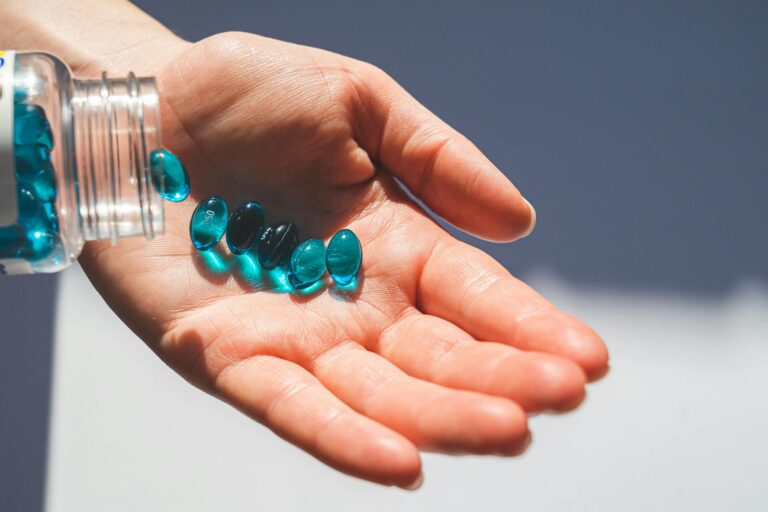
The medications athletes cannot take at the Olympics span an enormous range — from obvious performance enhancers like anabolic steroids and EPO to everyday drugs you might find in any medicine cabinet, including Sudafed, Adderall, prednisone, and even common water pills prescribed for blood pressure. The 2026 WADA Prohibited List, which took effect January 1, 2026, and will govern the Milano Cortina 2026 Winter Olympic Games, identifies hundreds of banned substances organized across nine substance categories (S0 through S9), three prohibited methods (M1 through M3), and sport-specific restrictions on beta-blockers. Athletes operate under strict liability — meaning the mere presence of a prohibited substance in their body constitutes a violation, regardless of whether they intended to cheat or simply took the wrong cold medicine.
What makes this list particularly relevant to anyone interested in brain health and cognitive function is how many neurological and psychiatric medications land squarely on it. Stimulants used to treat ADHD, narcotics prescribed for chronic pain, cannabinoids used for neurological conditions, and even glucocorticoids that reduce brain inflammation are all restricted to varying degrees. For the estimated 6,000-plus athletes competing at the Winter Olympics, a single pill taken without checking the list can end a career. This article breaks down every category on the 2026 WADA Prohibited List, highlights which common medications trip up athletes most often, explains the Therapeutic Use Exemption process for those with legitimate medical needs, and examines what the newest additions to the list tell us about where anti-doping science is headed.
Table of Contents
- What Medications Are Banned at the Olympics Under the Full WADA List?
- Which Stimulants, Narcotics, and Brain-Active Drugs Are Banned During Competition?
- Prohibited Methods — Blood Doping, Gene Editing, and the New Carbon Monoxide Rule
- How Athletes With ADHD, Diabetes, or Asthma Can Still Compete — The TUE Process
- Common Medications That Catch Athletes Off Guard
- What the 2026 Updates Reveal About Emerging Doping Threats
- The Brain Health Connection — Why This List Matters Beyond Sport
- Conclusion
- Frequently Asked Questions
What Medications Are Banned at the Olympics Under the Full WADA List?
The WADA Prohibited List is updated annually and functions as a mandatory International Standard under the World Anti-Doping Code. The 2026 edition was approved by WADA’s Executive Committee in September 2025 and divides banned substances into three broad tiers: those prohibited at all times (both in and out of competition), those prohibited only during competition, and prohibited methods that involve manipulating the body rather than ingesting a substance. Within these tiers, the categories run from S0 (non-approved substances) through S9 (glucocorticoids), plus methods M1 through M3 and sport-specific rules under P1. The “prohibited at all times” tier is the most expansive. S0 covers any pharmacological substance not approved by any government health authority for human therapeutic use — this catches experimental drugs, discontinued compounds, designer drugs, and even veterinary medications. Examples include BPC-157, a peptide popular in wellness circles, and 2,4-dinitrophenol (DNP), a dangerous industrial chemical sometimes misused for weight loss.
S1 covers anabolic agents, including classic steroids like testosterone, nandrolone, and stanozolol, as well as newer Selective Androgen Receptor Modulators (SARMs) such as ostarine, ligandrol, RAD140, andarine, S-23, and YK-11. S2 bans peptide hormones and growth factors, including EPO (erythropoietin), human growth hormone, CERA, luteinising hormone, and even xenon gas, which can stimulate EPO production naturally. The remaining “at all times” categories are where everyday medications start appearing. S3 bans most beta-2 agonists — the bronchodilators used in asthma inhalers — with narrow exceptions for inhaled salbutamol (capped at 1,600 mcg per 24 hours), inhaled formoterol (capped at 54 mcg per 24 hours), and inhaled salmeterol (capped at 200 mcg per 24 hours, with a new 2026 restriction limiting it to no more than 100 mcg per 8-hour period). Fenoterol, reproterol, and terbutaline remain fully banned. S4 covers hormone and metabolic modulators, including insulins, aromatase inhibitors, and SERMs, with two new additions for 2026: 2-phenylbenzo[h]chromen-4-one (also known as alpha-naphthoflavone) and the metabolic modulator BAM15. S5 bans diuretics and masking agents — furosemide, hydrochlorothiazide, spironolactone, bumetanide, acetazolamide, indapamide, probenecid, desmopressin, and vaptans like conivaptan and tolvaptan — not necessarily because they enhance performance directly, but because they can dilute urine samples and mask the presence of other prohibited drugs.
Which Stimulants, Narcotics, and Brain-Active Drugs Are Banned During Competition?
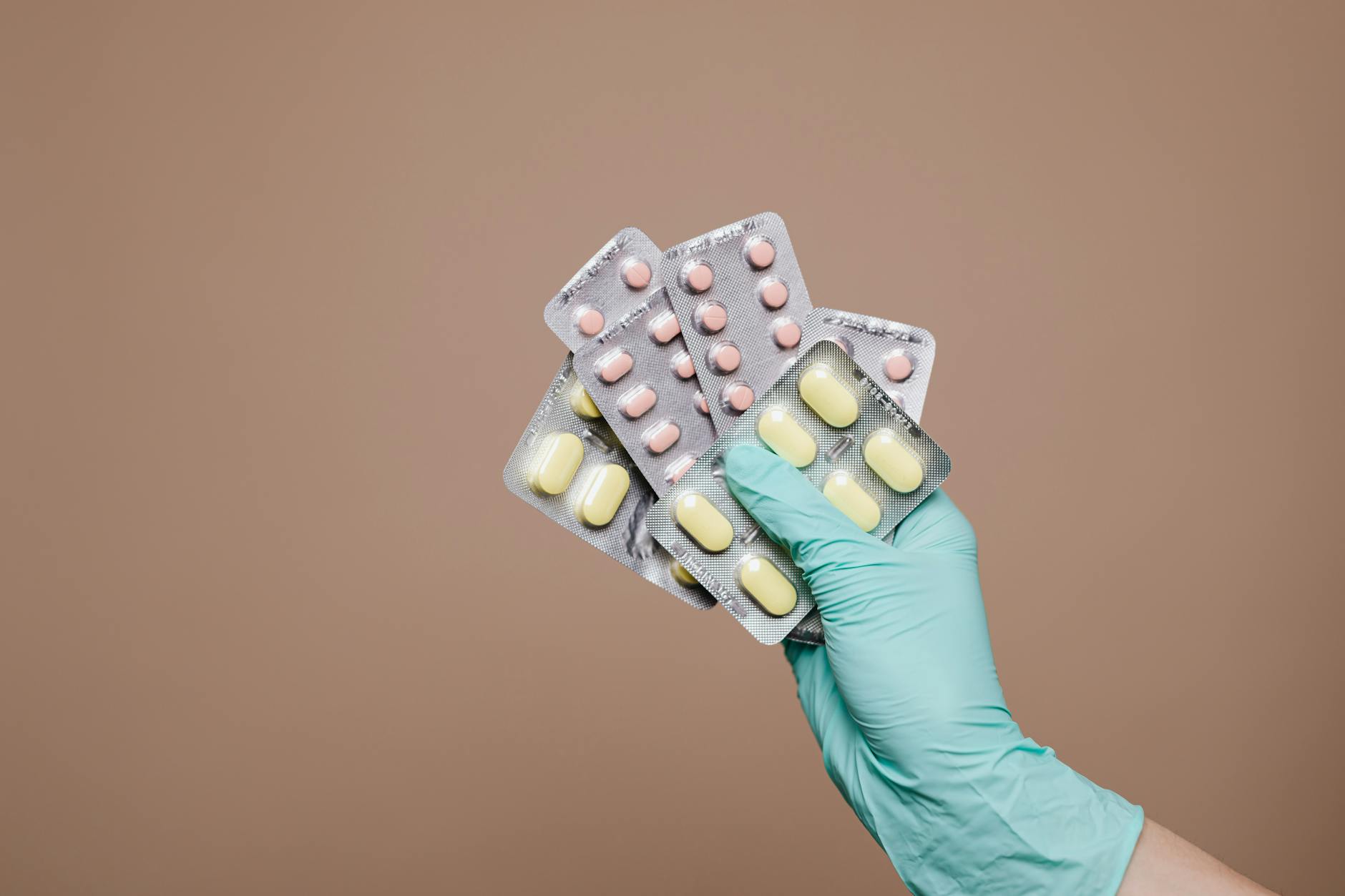
The in-competition prohibitions are where the overlap with brain health becomes most striking. Category S6 lists 62 stimulants, including cocaine, MDMA, amphetamines, and methylphenidate (Ritalin). For athletes managing ADHD — a condition increasingly recognized in elite sport — this creates a genuine dilemma. Adderall and Ritalin are first-line treatments for attention deficit disorders, yet both are classified as banned stimulants during competition. Pseudoephedrine, the active ingredient in Sudafed, occupies a gray zone: it is technically permitted but triggers a violation if urinary concentration exceeds 150 micrograms per milliliter. Ephedrine faces an even lower threshold at 10 mcg/mL. new for 2026, flmodafinil and fladrafinil — both wakefulness-promoting agents related to modafinil — were added as non-specified stimulants, reflecting growing concern about cognitive enhancers in sport. Category S7 bans narcotics including morphine, fentanyl, oxycodone, hydromorphone, and methadone.
These are medications commonly prescribed after surgery or for severe pain management, and athletes recovering from injuries must be extremely careful about timing their use relative to competition. However, it is worth noting that codeine and tramadol are not currently on the prohibited list, though tramadol has been monitored by WADA for years and athletes should not assume it will remain unrestricted indefinitely. S8 covers cannabinoids, and here the distinction matters enormously. Delta-9 THC and all synthetic cannabinoids are banned in competition, with a urinary threshold of 150 ng/mL for THC. However, CBD (cannabidiol) is explicitly not prohibited. This is significant for brain health discussions because CBD has been studied for its potential neuroprotective and anti-inflammatory properties, and athletes can legally use it. The catch is that many CBD products on the market contain trace amounts of THC or other cannabinoids that are banned, so an athlete using a poorly tested CBD oil could still trigger a positive test. S9 rounds out the in-competition list with glucocorticoids — prednisone, cortisone, dexamethasone, and others are prohibited when administered by injection, orally, or rectally during competition. Inhaled, topical, dermal, intranasal, and ophthalmological routes are permitted within manufacturer-recommended doses, a distinction that matters for athletes managing conditions like allergic rhinitis or dermatitis.
Prohibited Methods — Blood Doping, Gene Editing, and the New Carbon Monoxide Rule
Beyond substances, WADA bans three categories of methods that manipulate the body’s physiology. M1 covers manipulation of blood and blood components, including traditional blood doping, transfusions of any quantity, and even the withdrawal of blood except for legitimate medical testing or accredited blood donations. The most notable change for 2026 is the addition of section M1.4, which prohibits the non-diagnostic use of carbon monoxide (CO). This might sound unusual, but research has shown that controlled carbon monoxide exposure can stimulate erythropoiesis — the production of red blood cells — mimicking the effect of EPO or altitude training. WADA added it because some athletes and coaches had begun experimenting with CO inhalation protocols, a practice that carries potentially fatal consequences at higher doses. M2 addresses chemical and physical manipulation, which includes tampering with urine samples and, notably, intravenous infusions exceeding 100 milliliters per 12-hour period.
This rule has practical implications for athletes who receive IV hydration after grueling events — even a standard saline drip can violate anti-doping rules if it exceeds the volume threshold without prior medical authorization. Hospital-administered IVs during genuine medical emergencies are exempt, but the athlete must be prepared to document the treatment thoroughly. M3, the prohibition on gene and cell doping, reflects where anti-doping science sees the frontier of cheating moving. This category bans the use of gene editing technologies like CRISPR, gene transfer agents, and modified cells intended to enhance performance. For 2026, WADA explicitly expanded M3 to include cell components — nuclei, mitochondria, and ribosomes — acknowledging that advances in synthetic biology could allow athletes to introduce enhanced cellular machinery without transferring entire genes. While gene doping remains largely theoretical at the elite level, WADA’s proactive stance signals that the technology is no longer science fiction.

How Athletes With ADHD, Diabetes, or Asthma Can Still Compete — The TUE Process
Athletes with legitimate medical conditions are not simply told they cannot compete. The Therapeutic Use Exemption (TUE) process allows athletes diagnosed with conditions like ADHD, Type 1 diabetes, asthma, or hypogonadism to use otherwise-banned medications under strict oversight. A TUE is granted only when the treatment will not provide a competitive advantage beyond restoring normal health, and the athlete cannot compete without it. The application requires documentation from a treating physician and review by an independent medical panel. The tradeoff is significant. An athlete with ADHD seeking a TUE for methylphenidate must demonstrate a confirmed diagnosis, typically with neuropsychological testing, and show that alternative non-banned treatments have been tried or are insufficient.
The process can take weeks, the approval is not guaranteed, and it must be renewed periodically. For diabetic athletes who need insulin — a substance banned at all times under S4 because of its anabolic and metabolic effects — a TUE is essential and generally straightforward to obtain, since insulin is a medical necessity and the dosing for diabetes management does not confer a performance advantage. Retroactive TUEs can be granted in rare or emergency circumstances, but only with WADA’s prior approval, and athletes who rely on after-the-fact justification are taking an enormous risk with their careers. The practical reality is that the TUE system, while necessary, creates an uneven playing field of paperwork and access. Athletes from well-funded national programs with sophisticated medical support staff navigate TUE applications routinely. Athletes from under-resourced countries or smaller sports may not even know the process exists until they test positive for a medication they were legitimately prescribed. This disparity is one of the quieter criticisms of the current anti-doping framework.
Common Medications That Catch Athletes Off Guard
The substances that most frequently surprise athletes are not exotic performance enhancers — they are the medications sitting in bathroom cabinets around the world. Hydrochlorothiazide, one of the most commonly prescribed blood pressure medications globally, is banned at all times as a masking agent under S5. An athlete with hypertension who fills a routine prescription without checking the prohibited list has just committed a doping violation. Furosemide, prescribed for heart failure and edema, falls into the same trap. Prednisone prescribed for a back injury, a cortisone injection for a sore knee, or an oral dexamethasone course for severe allergies — all banned during competition unless administered through a permitted route. Propranolol and other beta-blockers present a different kind of risk.
Under P1, beta-blockers are banned only in specific precision sports: archery, shooting, billiards, darts, golf, and certain skiing events. These drugs reduce heart rate and hand tremor, which confers a clear advantage when steadiness determines the outcome. An archer taking propranolol for performance anxiety or migraine prevention — both common off-label uses — would face a doping violation. However, the same drug taken by a swimmer or wrestler would not violate anti-doping rules, illustrating how sport-specific the prohibited list can be. The warning for anyone managing a neurological or cognitive condition is straightforward: no medication should be assumed safe without verification. Athletes can check any medication’s status at GlobalDRO.com, a free tool that cross-references substances against the current Prohibited List by brand name or active ingredient. Coaches, family members, and physicians should also familiarize themselves with this resource, because a well-meaning doctor unfamiliar with anti-doping rules can inadvertently prescribe a career-ending medication.

What the 2026 Updates Reveal About Emerging Doping Threats
The specific additions to the 2026 WADA Prohibited List provide a window into what anti-doping authorities see as the next wave of doping threats. The inclusion of carbon monoxide inhalation under M1.4 suggests that athletes and coaches are exploring increasingly unconventional methods to boost red blood cell production without detectable drugs. The addition of flmodafinil and fladrafinil — cognitive-enhancing stimulants — under S6 reflects a growing awareness that doping is not limited to physical performance.
Cognitive sharpness, reaction time, and decision-making under fatigue are competitive advantages, and the line between a study drug and a performance enhancer is thinner than most people realize. The expansion of the gene and cell doping prohibition to explicitly include cell components like mitochondria and ribosomes is perhaps the most forward-looking change. Mitochondrial transfer technology, originally developed for treating inherited mitochondrial diseases, could theoretically be repurposed to enhance an athlete’s cellular energy production. By banning these components now, before any confirmed cases of cell-component doping have surfaced in sport, WADA is attempting to stay ahead of the science rather than reacting to it after the fact.
The Brain Health Connection — Why This List Matters Beyond Sport
For those of us focused on brain health, cognitive function, and dementia care, the WADA Prohibited List is a reminder of how many medications that affect the brain are also performance-relevant. Stimulants that sharpen focus, narcotics that manage pain pathways, cannabinoids that modulate neuroinflammation, glucocorticoids that reduce brain swelling, and beta-blockers that calm the sympathetic nervous system — these are tools in the neurological toolkit that also happen to alter athletic performance. As research into cognitive enhancement accelerates, particularly in the context of preventing or managing cognitive decline, the overlap between therapeutic brain medications and banned sports substances will only grow.
The broader takeaway is about vigilance and informed decision-making. Whether you are an Olympic athlete, a weekend competitor in a masters-level sport subject to anti-doping testing, or a caregiver helping someone manage multiple medications for cognitive health, understanding what is in the drugs you take — and what regulatory frameworks govern them — is not optional. The WADA list is the most comprehensive publicly available catalog of substances known to alter human performance, and it is updated every year to reflect the latest science. Staying current with it is not just an athlete’s responsibility; it is a useful exercise for anyone who wants to understand the pharmacology of human function.
Conclusion
The 2026 WADA Prohibited List encompasses hundreds of substances across categories S0 through S9, three prohibited methods, and sport-specific beta-blocker restrictions. From anabolic steroids and EPO to everyday medications like pseudoephedrine, methylphenidate, insulin, diuretics, and prednisone, the list reaches far beyond what most people picture when they think of doping. Athletes operate under strict liability, meaning intent does not matter — only what is found in their system.
New additions for 2026, including carbon monoxide inhalation, flmodafinil and fladrafinil, BAM15, alpha-naphthoflavone, the tightened salmeterol dosing rules, and the expanded cell-component doping ban, reflect an anti-doping framework that is actively evolving to match emerging science. For athletes, the path forward is clear: check every medication at GlobalDRO.com before taking it, apply for a Therapeutic Use Exemption if you have a legitimate medical need for a banned substance, and never assume that an over-the-counter drug is safe simply because it does not require a prescription. For those of us in the brain health community, the prohibited list serves as a fascinating and practical reference for understanding which substances meaningfully alter human cognition, pain processing, and physiological performance — and why the line between medicine and enhancement is rarely as simple as we might like it to be.
Frequently Asked Questions
Can Olympic athletes take CBD oil?
Yes. CBD (cannabidiol) is explicitly not prohibited by WADA. However, athletes must exercise caution because many commercial CBD products contain trace amounts of THC or other banned cannabinoids. A positive test for delta-9 THC above 150 ng/mL in urine during competition would constitute a violation regardless of the source.
What happens if an athlete takes Adderall for diagnosed ADHD?
Methylphenidate and amphetamines are banned stimulants under category S6 during competition. Athletes with a confirmed ADHD diagnosis can apply for a Therapeutic Use Exemption (TUE), which requires medical documentation and review by an independent panel. The TUE is granted only if the treatment does not confer a net competitive advantage and the athlete cannot compete without it.
Is pseudoephedrine (Sudafed) banned at the Olympics?
Not outright. Pseudoephedrine is permitted below a urinary threshold of 150 micrograms per milliliter. However, taking multiple doses of cold medicine containing pseudoephedrine close to competition could push an athlete over that threshold, resulting in a positive test. Many athletes choose to avoid it entirely rather than risk a violation.
Can a diabetic athlete use insulin at the Olympics?
Yes, with an approved Therapeutic Use Exemption. Insulin is banned at all times under category S4 because of its anabolic and metabolic effects, but diabetic athletes who require it for medical management are routinely granted TUEs. The key requirement is that the insulin use must be for treating diabetes, not for performance enhancement.
Are all asthma inhalers banned?
No. Inhaled salbutamol (up to 1,600 mcg per 24 hours), inhaled formoterol (up to 54 mcg per 24 hours), and inhaled salmeterol (up to 200 mcg per 24 hours, with no more than 100 mcg per 8-hour period as of 2026) are permitted without a TUE. Other beta-2 agonists like fenoterol, reproterol, and terbutaline remain fully banned, and exceeding the permitted dosage thresholds for allowed inhalers would also trigger a violation.
What is the newest addition to the 2026 WADA Prohibited List?
Several substances and methods were added for 2026. The most unusual is the prohibition on non-diagnostic carbon monoxide inhalation under M1.4, added because CO exposure can stimulate red blood cell production. Other additions include stimulants flmodafinil and fladrafinil, metabolic modulator BAM15, alpha-naphthoflavone, and expanded language banning cell components like mitochondria and ribosomes under the gene doping category.