The single most dangerous liver drug interaction sending people to the hospital is acetaminophen combined with alcohol — and it is not even close. Acetaminophen toxicity is the leading cause of acute liver failure in the United States, accounting for nearly 50% of all acute liver failure cases in North America. Each year, acetaminophen poisoning causes an estimated 56,000 emergency department visits, 2,600 hospitalizations, and roughly 500 deaths in the U.S. alone. What makes this especially alarming for families managing dementia care is that older adults often take multiple medications containing acetaminophen without realizing it — roughly 50% of acetaminophen poisonings are unintentional, caused by patients unknowingly doubling up on products or misinterpreting dosing instructions.
For caregivers, this is not an abstract pharmacology lesson. Picture an older parent with mild cognitive decline who takes Tylenol for arthritis pain in the morning, then a cold remedy containing acetaminophen at night, and has a glass of wine with dinner. That combination, repeated over several days, can quietly overwhelm the liver. About 1,600 U.S. cases of acute liver failure per year are attributed to acetaminophen overuse, making it the second most common reason for liver transplantation worldwide. This article covers why this interaction is so dangerous, how other common medications like statins and blood thinners add to liver stress, what drug-induced liver injury actually looks like, and what caregivers can do to prevent a trip to the emergency room.
Table of Contents
- Why Does Acetaminophen Cause the Most Liver-Related Hospital Visits?
- How Alcohol Turns a Safe Dose of Tylenol Into a Medical Emergency
- Statins, Acetaminophen, and the Double Burden on the Liver
- What Caregivers Should Know About Drug-Induced Liver Injury
- Warfarin, Antibiotics, and the Interaction That Blindsides Families
- COVID-19 Medications and the Compounding Liver Risk
- Protecting the Aging Liver in Dementia Care
- Conclusion
- Frequently Asked Questions
Why Does Acetaminophen Cause the Most Liver-Related Hospital Visits?
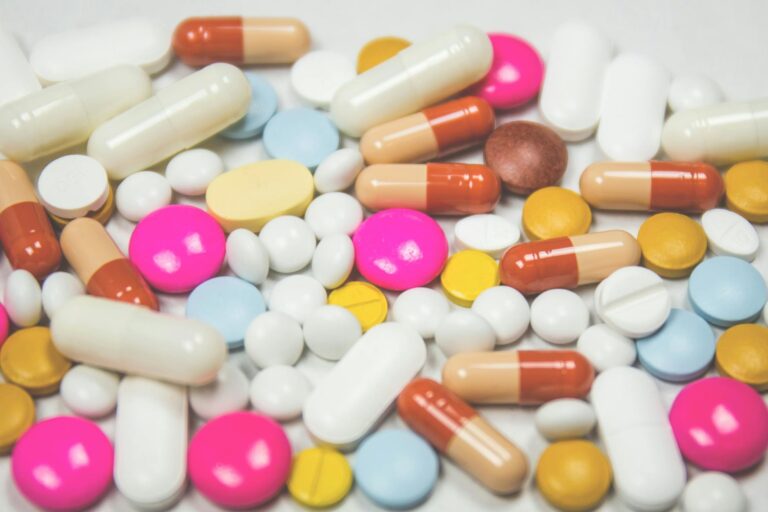
Acetaminophen is in everything. It is the active ingredient in Tylenol, but it also hides inside NyQuil, Excedrin, Percocet, Vicodin, and dozens of over-the-counter cold and flu remedies. Most people do not read labels carefully, and when someone is managing pain, sleep trouble, and a head cold simultaneously, they can easily exceed safe limits without swallowing a single extra Tylenol tablet. The FDA caps the daily maximum at 4,000 milligrams, but many hepatologists argue that threshold is too generous, particularly for anyone who drinks alcohol or takes other liver-metabolized drugs. The biochemistry matters here, even in simplified form. Your liver processes acetaminophen through several pathways. One of those pathways, managed by an enzyme called CYP2E1, converts a small portion of the drug into a toxic byproduct called NAPQI. Under normal circumstances, your liver neutralizes NAPQI with a molecule called glutathione.
But when you take too much acetaminophen — or when alcohol has already depleted your glutathione stores and revved up CYP2E1 production — the toxic NAPQI accumulates faster than the liver can clear it. The result is direct damage to liver cells. This is not an allergic reaction or an idiosyncratic response. It is a dose-dependent poisoning, which means it can happen to anyone. Compare this to ibuprofen, which carries its own risks — stomach bleeding, kidney stress — but does not cause the same pattern of acute liver destruction. For caregivers weighing pain management options for someone with cognitive decline, understanding this distinction is critical. Acetaminophen is often recommended as “safer” for older adults because it is easier on the stomach and kidneys, but that safety profile assumes careful dosing and a healthy liver. When those assumptions do not hold, acetaminophen becomes the more dangerous choice.

How Alcohol Turns a Safe Dose of Tylenol Into a Medical Emergency
Chronic alcohol use fundamentally changes the liver’s chemistry. Regular drinking induces the CYP2E1 enzyme, which is the same enzyme responsible for converting acetaminophen into the toxic metabolite NAPQI. At the same time, alcohol depletes the liver’s glutathione reserves — the very molecule that neutralizes NAPQI. This creates a two-pronged problem: the liver produces more of the poison while simultaneously losing its ability to clean it up. The result is that even therapeutic doses of acetaminophen — the amount printed on the bottle — can cause severe liver damage in heavy drinkers. The numbers confirm how common this combination is. In a 10-year study of 1,543 hospitalized acetaminophen overdose patients, 34% were alcohol abusers. These were not people taking handfuls of pills in a single sitting.
Many of them were taking recommended or slightly elevated doses of acetaminophen while drinking regularly. Once acetaminophen-induced liver failure develops, the prognosis is grim: mortality sits at roughly 28%, with one-third of patients requiring a liver transplant. Early treatment with N-acetylcysteine, or NAC, gives patients about a 66% chance of recovery, but “early” means within hours of the onset — a window that shrinks fast. However, this does not mean that a single glass of wine with a Tylenol tablet will land you in the ICU. The danger escalates with chronic, heavy alcohol use — generally defined as three or more drinks per day over an extended period. For caregivers managing a loved one with dementia, the concern is subtler: some older adults have longstanding drinking habits that they minimize or that cognitive decline makes them forget to mention to their doctor. If a physician prescribes acetaminophen without knowing about the drinking, the interaction goes unmonitored. The safest approach is full disclosure of alcohol habits to every prescriber, even when the question feels uncomfortable.
Statins, Acetaminophen, and the Double Burden on the Liver
Millions of older adults take statins for cholesterol management. Drugs like atorvastatin, simvastatin, and lovastatin are metabolized through the CYP3A4 enzyme pathway, while acetaminophen’s toxic route runs through CYP2E1. Because these are different metabolic pathways, the direct interaction risk at therapeutic doses is considered low. But “low direct interaction” does not mean “no risk.” Both drug classes independently stress the liver, and when that organ is already working hard to process one medication, adding another creates cumulative strain that can push a vulnerable liver past its tipping point. There is clinical evidence to back up this concern. A documented case reported a patient on simvastatin who took paracetamol — the European name for acetaminophen — and developed severe jaundice with bilirubin levels three times the normal range and significantly elevated liver enzymes.
Was this a common reaction? No. But it illustrates what can happen when two liver-taxing drugs overlap in a patient whose hepatic function is already compromised. The FDA’s guidance is clear: do not exceed 4,000 milligrams per day of acetaminophen, and that ceiling should be lower for people on statins or who drink alcohol. For dementia caregivers, this matters because statin use is extraordinarily common in the elderly population, and acetaminophen is the go-to pain reliever recommended for older adults. A person with Alzheimer’s disease may not be able to articulate new symptoms like fatigue, nausea, or abdominal discomfort — early warning signs of liver stress. By the time jaundice becomes visible, the damage may already be serious. Regular liver function blood tests become essential for anyone on both medications long-term, and caregivers should discuss appropriate acetaminophen dose limits — often 2,000 milligrams or less per day — with the prescribing physician.

What Caregivers Should Know About Drug-Induced Liver Injury
Drug-induced liver injury, or DILI, extends well beyond acetaminophen. The annual incidence of idiosyncratic DILI in the United States is estimated at 14 to 19 cases per 100,000 people, which translates to roughly 60,000 cases per year. DILI carries a mortality rate ranging from 10% to 50% depending on severity, and 32.4% of cases are classified as severe, with 68% presenting with jaundice that requires hospitalization. Overall, 55.9% of reported DILI cases have serious outcomes, and 30.8% require hospitalization. The most common culprits beyond acetaminophen include amoxicillin-clavulanate — the widely prescribed antibiotic sold as Augmentin — isoniazid, a tuberculosis drug, and various NSAIDs like ibuprofen and naproxen. The tradeoff for caregivers is real: avoiding acetaminophen to protect the liver may mean turning to NSAIDs, which carry their own liver risks along with gastrointestinal bleeding and kidney damage.
There is no perfectly safe over-the-counter pain reliever for a frail, multi-medicated elderly person. The comparison comes down to which risks are most manageable given the individual’s health profile, and that calculation requires a pharmacist or physician who knows the full medication list. One practical step that makes a measurable difference is a comprehensive medication review. Many hospital systems and pharmacies offer these for free. A pharmacist examines every prescription, over-the-counter product, and supplement a patient takes and flags potential interactions. For someone with dementia, this review should happen at least twice a year, or any time a new medication is added. A single $0 medication review could prevent a $100,000 hospitalization.
Warfarin, Antibiotics, and the Interaction That Blindsides Families
Warfarin is another medication that keeps hepatologists awake at night. This blood thinner is metabolized through the CYP2C9 enzyme in the liver, and a startling number of commonly prescribed drugs interfere with that pathway. Azole antifungals like fluconazole and ketoconazole, combined with warfarin, show an adjusted odds ratio of 4.57 for bleeding events requiring hospitalization. That means a patient on both medications is more than four times as likely to have a dangerous bleed compared to a patient on warfarin alone. Antibiotics compound the problem through a second mechanism beyond enzyme inhibition: they disrupt the gut bacteria that produce vitamin K, which is the very nutrient warfarin works by suppressing. Kill the gut flora with a course of antibiotics, and the effective anticoagulation from warfarin intensifies unpredictably.
The result can be internal bleeding — gastrointestinal hemorrhage, intracranial bleeding — that escalates to an emergency before anyone notices. For a person with dementia who cannot reliably report symptoms like dark stools, unusual bruising, or dizziness, this interaction is particularly treacherous. The warning here is specific: if your loved one takes warfarin and is prescribed any antibiotic or antifungal, their INR — the blood test measuring clotting time — must be rechecked within a few days of starting the new medication. Do not wait for the next scheduled blood draw. Do not assume the prescribing doctor checked for interactions. Many prescribers in urgent care or emergency settings are focused on the acute infection and may not have the patient’s full medication history. This is a place where a caregiver’s vigilance saves lives.

COVID-19 Medications and the Compounding Liver Risk
The pandemic revealed another dimension of this problem. Hospitalized COVID-19 patients on multiple medications had a six-fold increased risk of drug-induced liver injury from drug-drug interactions, according to research published in Frontiers in Pharmacology. The combination of antivirals, anti-inflammatories, antibiotics, and acetaminophen for fever management created a perfect storm for liver toxicity — particularly in older patients whose hepatic function was already diminished.
This finding has lasting relevance beyond COVID-19 itself. Any acute illness that results in hospitalization and the rapid addition of multiple new medications poses similar risks. For caregivers of people with dementia, any hospital admission should prompt a conversation with the treatment team about liver monitoring and about minimizing the total number of hepatically metabolized drugs prescribed simultaneously.
Protecting the Aging Liver in Dementia Care
The liver loses metabolic capacity with age. An 80-year-old’s liver processes drugs more slowly than a 50-year-old’s, meaning standard adult doses can effectively become overdoses in elderly patients. Add cognitive decline to that equation, and you have a person who may accidentally double-dose, cannot reliably report symptoms of liver distress, and may be taking more medications than at any prior point in their life.
This convergence of factors is why drug-induced liver injury disproportionately affects the elderly. Going forward, caregivers should advocate for regular liver function testing, maintain a single updated medication list that travels with the patient to every appointment and emergency visit, and question any new prescription with one simple ask: does this interact with anything already on the list? Pharmacogenomic testing — genetic tests that reveal how an individual metabolizes specific drugs — is becoming more accessible and can identify patients who are unusually susceptible to liver toxicity. For high-risk patients on complex medication regimens, this testing may eventually become standard practice rather than a specialized request.
Conclusion
The most common drug interaction sending people to the hospital is not exotic or surprising — it is acetaminophen, often combined with alcohol or unknowingly taken from multiple sources. It accounts for nearly half of all acute liver failure in North America, drives 56,000 emergency visits per year, and is made more dangerous by other liver-metabolized medications like statins, warfarin, and antibiotics. For families managing dementia, the risks are amplified by cognitive impairment that makes self-monitoring unreliable and symptom reporting inconsistent.
Prevention comes down to unglamorous, repeatable habits: reading every label, keeping a single medication list updated, requesting regular liver function tests, flagging alcohol use honestly to every prescriber, and questioning every new medication’s hepatic impact. None of these steps require a medical degree. All of them require attention. In dementia care, that attention falls on the caregiver — and understanding these interactions is one of the most consequential things a caregiver can learn.
Frequently Asked Questions
How much acetaminophen is safe per day?
The FDA sets the maximum at 4,000 milligrams per day for healthy adults, but most hepatologists recommend staying below 2,000 milligrams per day for older adults, anyone who drinks alcohol regularly, or anyone taking other liver-metabolized medications like statins.
Can a single dose of acetaminophen with one drink cause liver failure?
In a healthy person, one therapeutic dose of acetaminophen with one alcoholic drink is unlikely to cause liver failure. The serious risk arises with chronic heavy drinking combined with repeated acetaminophen use over days, or with a large single overdose. However, individual vulnerability varies, and older adults with diminished liver function have less margin for error.
What are the early warning signs of drug-induced liver injury?
Early symptoms include unusual fatigue, nausea, loss of appetite, and discomfort in the upper right abdomen. As liver injury progresses, yellowing of the skin or eyes (jaundice), dark urine, and pale stools may appear. In people with dementia, caregivers should watch for unexplained behavioral changes, increased confusion, or refusal to eat, which may be the only observable signs.
Is ibuprofen safer than acetaminophen for someone with liver concerns?
Not necessarily. While ibuprofen is metabolized differently and does not cause the same pattern of acute liver toxicity, it carries risks of gastrointestinal bleeding, kidney damage, and cardiovascular events. For patients on blood thinners like warfarin, ibuprofen can be especially dangerous. The choice between pain relievers should be individualized with a physician who knows the full medication list.
Should people on statins avoid acetaminophen entirely?
No. At appropriate doses, acetaminophen can be used safely with statins for most people. The risk increases when doses are high, when alcohol is also involved, or when the patient already has compromised liver function. The key is keeping acetaminophen doses conservative and monitoring liver enzymes through routine blood work.
What should I tell the ER if my loved one may have taken too much acetaminophen?
Provide the exact products taken, estimated amounts, and timing. Mention all other medications, supplements, and alcohol use. Ask specifically about N-acetylcysteine (NAC) treatment, which gives a 66% chance of recovery when administered early. Bring the medication bottles if possible — time matters, and having the information ready speeds treatment.