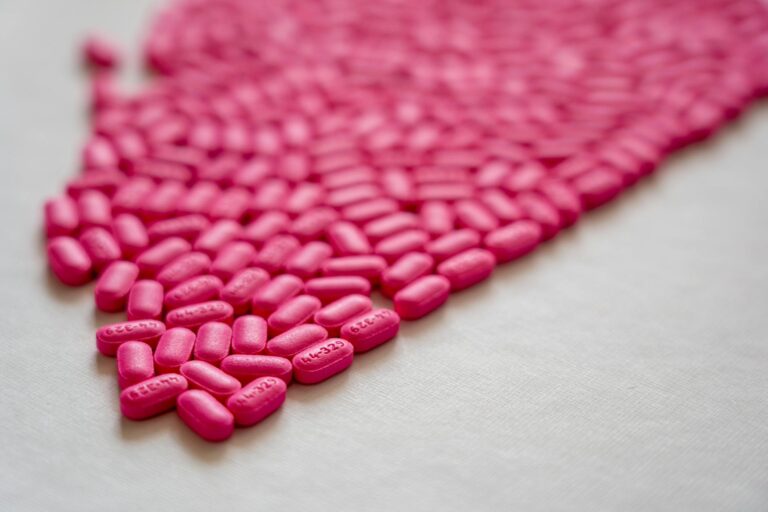
The skin prick test — the most common allergy test performed in clinics across the country — produces unreliable results if you have antihistamines in your system. That means if you took a Zyrtec yesterday, or even a Benadryl two days ago, your allergist may tell you everything looks fine when it absolutely is not. The test works by introducing tiny amounts of allergen extract into the skin and watching for a wheal-and-flare reaction within 15 to 20 minutes. Antihistamines block the very histamine response that creates that visible reaction, leading to false negatives. You walk out thinking you are not allergic to dust mites or ragweed, and meanwhile your immune system is still waging war every time you breathe. This matters more than most people realize, especially for older adults managing multiple medications.
Many common drugs — not just the obvious allergy pills — carry antihistamine properties that can quietly sabotage test results. Tricyclic antidepressants, certain sleep aids, and even some heartburn medications fall into this category. A person taking amitriptyline for neuropathic pain, for instance, might have no idea that the drug is also suppressing their skin’s ability to react during allergy testing. This article breaks down exactly which medications interfere, how long you need to stop them before testing, what the research actually shows about recovery timelines, and when a blood test is the smarter option. For anyone navigating brain health concerns alongside allergies — and that overlap is more common than you might think, given that chronic sinus inflammation, poor sleep from congestion, and medication side effects all affect cognitive function — getting accurate allergy testing right is not a trivial matter. Misdiagnosed or undiagnosed allergies can keep people on unnecessary medications, disrupt sleep quality, and contribute to the kind of chronic inflammation that researchers increasingly link to cognitive decline.
Table of Contents
- Why Is the Skin Prick Test Useless If You Are Still Taking Antihistamines?
- How Long You Actually Need to Stop Each Medication Before Testing
- The Medications You Did Not Realize Were Antihistamines
- When a Blood Test Is the Better Choice
- Why This Matters for Brain Health and Cognitive Function
- What Happens When Skin Testing Goes Wrong
- The Case for Getting Tested Properly the First Time
- Conclusion
- Frequently Asked Questions
Why Is the Skin Prick Test Useless If You Are Still Taking Antihistamines?
The skin prick test has a pooled sensitivity of approximately 88.4% and specificity of about 77.1% for conditions like allergic rhinitis, with individual studies ranging from 68 to 100% sensitivity and 70 to 91% specificity. Those numbers, while solid, assume your body can actually mount a histamine response at the test site. When antihistamines are still circulating in your bloodstream, they block the H1 receptors on your skin cells, preventing the wheal — that telltale mosquito-bite-like bump — from forming. No wheal, no positive result, regardless of whether your immune system genuinely reacts to that allergen. Under normal conditions, the false-negative rate for skin prick testing sits around 10%. That is already one in ten people walking away with a missed diagnosis. Introduce antihistamine interference and the number climbs substantially. A study published in the Journal of Allergy and Clinical Immunology found that cetirizine begins suppressing wheal-and-flare responses within just one hour of the first dose, with maximum suppression reached by day five of use.
Even after stopping the medication, responses did not return to more than 90% of baseline until four full days had passed. So the person who skips their Zyrtec the morning of the appointment is not even close to being in the clear. Consider a practical scenario. A 68-year-old woman has been taking cetirizine daily for years to manage seasonal symptoms. Her doctor orders allergy testing to determine whether immunotherapy might help reduce her medication burden. She stops the cetirizine the night before the appointment. The test comes back with minimal reactions. Her allergist concludes her allergies are mild and that immunotherapy is not warranted. In reality, the drug was still suppressing her skin’s response, and she may have had significant sensitivities that went completely undetected.
How Long You Actually Need to Stop Each Medication Before Testing
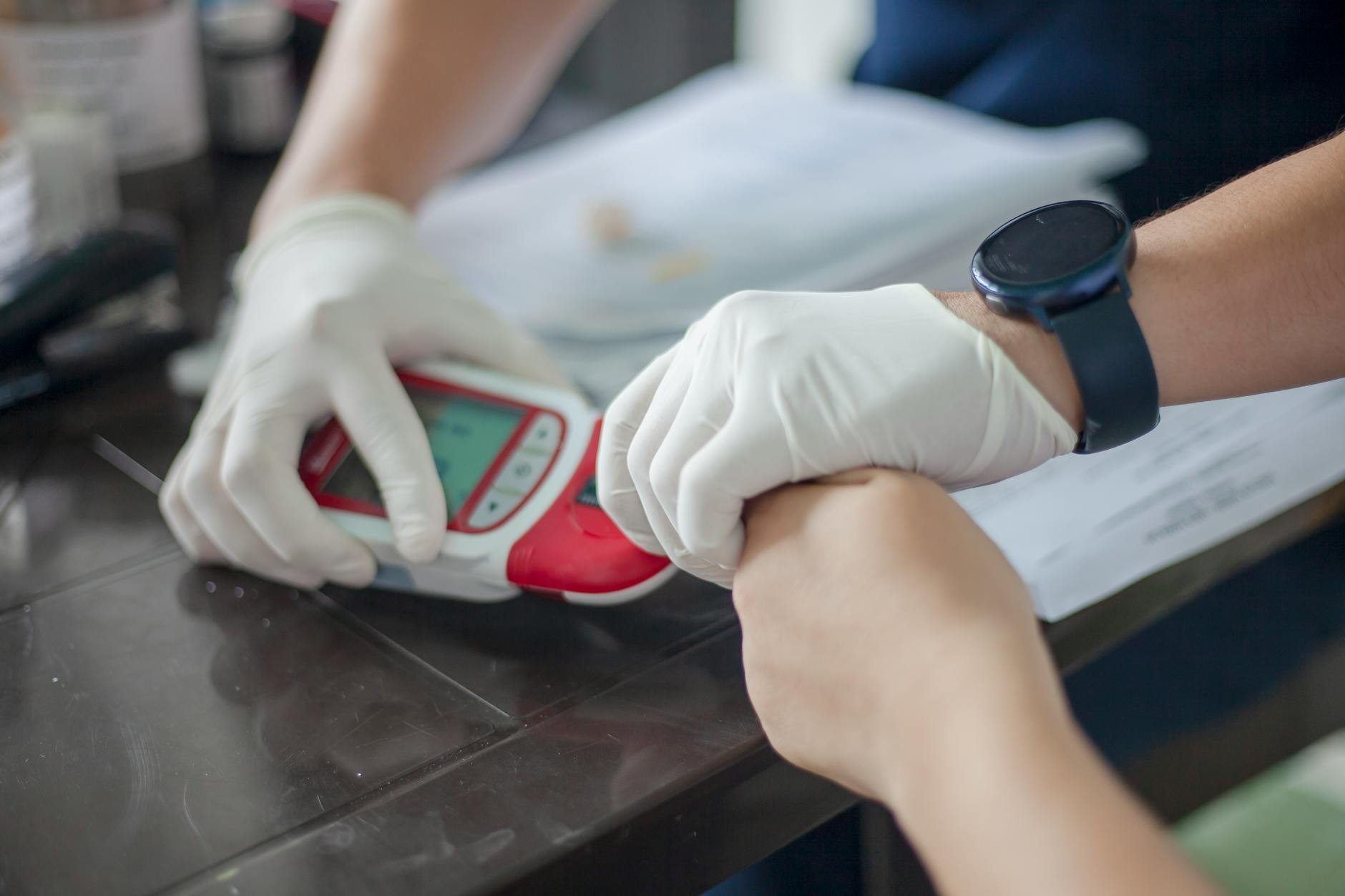
The standard guidance from allergy organizations is straightforward but varies by drug class, and the consequences of cutting corners are real. Second-generation antihistamines — cetirizine (Zyrtec), loratadine (Claritin), and fexofenadine (Allegra) — should be discontinued five to seven days before skin testing. First-generation antihistamines like diphenhydramine (Benadryl) and chlorpheniramine require a shorter window of three to five days. However, hydroxyzine, sold under the brand names Atarax and Vistaril, demands the longest washout period: at least ten days, and sometimes more. Its antihistamine effects linger in the body far longer than most patients or even some prescribers expect. The clinical data backs up why these timelines are not optional.
When researchers tested patients who had stopped antihistamines only one to two days before skin testing, histamine controls — the baseline positive control that should always produce a wheal — came back positive in just 63% of cetirizine users, 79% of loratadine users, and 88% of fexofenadine users. That means 37% of people on cetirizine still had suppressed results after a two-day washout. By day three, all patients in the study had positive histamine controls, but that still falls short of the five-to-seven-day recommendation that accounts for individual variation and allergen-specific responses beyond the histamine control. Here is the critical warning: if your doctor’s office simply tells you to “stop your allergy meds a few days before,” ask for the specific timeline based on the exact medications you take. “A few days” is not precise enough when the difference between three days and seven days determines whether your cetirizine has actually cleared. And if you are taking hydroxyzine — which is frequently prescribed for anxiety in older adults, not just for allergies — ten days is the minimum. Stopping it for a week and assuming you are fine will likely produce inaccurate results.
The Medications You Did Not Realize Were Antihistamines
this is where things get complicated, especially for older adults on multiple prescriptions. Tricyclic antidepressants — amitriptyline, doxepin, nortriptyline — have potent antihistamine properties baked into their pharmacology. Doxepin in particular is such a strong H1 blocker that it was originally used as an antihistamine before finding its niche as an antidepressant and sleep aid. If you are taking any tricyclic antidepressant, the recommendation is to stop seven to fourteen days before skin testing. For someone relying on amitriptyline for chronic pain management or doxepin for insomnia, that is a meaningful disruption that requires coordination with the prescribing physician. H2 blockers, the class of heartburn medications that includes famotidine (Pepcid) and the now-withdrawn ranitidine (Zantac), also interfere with skin testing, though to a lesser degree.
These should be stopped at least 48 hours before the appointment. Many people take famotidine daily without thinking of it as anything related to allergies, but H2 receptors are present in the skin and contribute to the full wheal-and-flare response. On the other hand, several medications that patients often worry about are actually fine to continue. Nasal corticosteroid sprays like Flonase, inhaled steroids for asthma, and leukotriene modifiers like montelukast (Singulair) do not need to be stopped before skin testing. They work through entirely different mechanisms that do not suppress the histamine-mediated skin reaction. A specific example worth noting: a 72-year-old man taking low-dose amitriptyline for diabetic neuropathy, famotidine for reflux, and cetirizine for nasal congestion would need to stop all three medications before accurate skin testing — the amitriptyline for at least seven days, the cetirizine for five to seven days, and the famotidine for 48 hours. That is a complicated medication adjustment that absolutely requires medical supervision, not something to attempt on your own.

When a Blood Test Is the Better Choice
Blood allergy tests — specifically serum IgE testing, often performed using the ImmunoCAP system — are not affected by antihistamines at all. They measure IgE antibodies circulating in the blood, completely bypassing the skin’s histamine response. For patients who cannot safely discontinue their antihistamines, blood testing is the recommended alternative. This is particularly relevant for people with severe chronic urticaria, where stopping antihistamines could trigger debilitating hives, or for those on psychiatric medications with antihistamine properties that cannot be safely interrupted. The tradeoff is real, though. Skin prick tests are more sensitive than blood tests and deliver results in 15 to 20 minutes during a single office visit.
Blood tests require a draw, lab processing, and typically several days before results come back. For straightforward cases where a patient can safely stop their medications for the required washout period, skin testing remains the superior option. But for the older adult on a tricyclic antidepressant who cannot risk a two-week medication gap, or the person with chronic hives who would be miserable and potentially unsafe without daily antihistamines, blood testing provides an accurate alternative without the disruption. There is a practical middle ground that some allergists use. If the histamine positive control during skin testing produces a normal wheal — meaning the patient’s skin can still react to histamine — then the rest of the skin test results are generally considered reliable, even if the medication washout was shorter than ideal. However, if the histamine control is flat or suppressed, the entire panel of skin test results should be considered unreliable, and the patient should either return after a longer washout or proceed with blood testing instead.
Why This Matters for Brain Health and Cognitive Function
The connection between allergy management and cognitive health is more direct than it appears on the surface. First-generation antihistamines like diphenhydramine cross the blood-brain barrier readily and have well-documented anticholinergic effects. Long-term use of anticholinergic medications has been associated in multiple studies with increased risk of cognitive decline and dementia. A person taking daily Benadryl for years because their allergies were never properly diagnosed — partly because their skin test was falsely negative while they were on the very medication masking the results — may be unknowingly compounding their cognitive risk. Getting an accurate allergy diagnosis can break this cycle.
Proper identification of specific allergens opens the door to targeted interventions: environmental modifications, immunotherapy, or switching to medications with less cognitive impact. But that accurate diagnosis depends entirely on testing that has not been compromised by medication interference. The irony is hard to miss — the pills people take to manage allergy symptoms are the same pills that prevent doctors from identifying what those allergies actually are, and some of those pills carry their own risks to the brain. For caregivers managing a loved one’s health, this is worth flagging with the care team. If allergy testing has been suggested or if chronic allergy symptoms persist despite treatment, ask specifically whether current medications might be interfering with diagnostic accuracy. Do not assume the allergist has a complete picture of every medication the patient is taking, especially if care is spread across multiple providers.

What Happens When Skin Testing Goes Wrong
False-negative results from antihistamine interference do not just mean a missed diagnosis — they can redirect treatment in harmful directions. Consider someone tested while still on cetirizine whose results come back showing no significant allergies. Their physician might then pursue other explanations for their chronic congestion, postnasal drip, or recurrent sinus infections, potentially ordering unnecessary imaging, prescribing antibiotics for presumed bacterial infections, or referring to an ENT for surgical evaluation.
All of this could be avoided if the original allergy test had been accurate. On the flip side, there is no risk of false positives from antihistamines. The interference only works in one direction — suppressing reactions, never creating them. So if a test does come back positive while someone still has trace antihistamine in their system, that result is almost certainly real and possibly even understated in severity.
The Case for Getting Tested Properly the First Time
Allergy testing is not something most people repeat frequently. It is typically done once, and the results guide years of treatment decisions. That makes getting it right the first time disproportionately important. Rushing into a skin prick test without adequate medication washout is not just a minor inconvenience that produces slightly fuzzy results — it can produce definitively wrong results that close the door on treatments like immunotherapy that might have made a real difference.
The field is also evolving. Component-resolved diagnostics, which test for antibodies against specific proteins within an allergen rather than the whole extract, are becoming more widely available through blood testing. These offer greater precision in identifying exactly which molecular components trigger a reaction, and they are completely unaffected by antihistamine use. For patients who face significant barriers to stopping their medications, these newer blood-based approaches may eventually reduce the need for skin testing altogether. Until then, the practical advice remains simple: if you are getting a skin prick test, follow the washout timelines precisely, communicate every medication you are taking to your allergist, and if stopping medications is not feasible, ask about blood testing instead.
Conclusion
The skin prick test is a valuable diagnostic tool with strong sensitivity and specificity — when it is performed correctly. That means no antihistamines in your system for at least three to seven days depending on the specific drug, no tricyclic antidepressants for one to two weeks, and no H2 blockers for at least 48 hours. Hydroxyzine users need the longest washout at ten or more days. Skipping these timelines does not slightly reduce accuracy — research shows that up to 37% of cetirizine users still had suppressed histamine responses after only one to two days off the medication.
That is not a margin of error; that is a coin flip with your diagnosis. For anyone who cannot safely stop their medications, blood-based IgE testing offers a reliable alternative that antihistamines do not affect. It is slower and slightly less sensitive, but it produces results you can trust. Talk to your allergist about which approach makes sense for your specific medication profile, and do not settle for testing that may have been compromised before it even started. Accurate allergy diagnosis is especially important for older adults, where the downstream effects of unmanaged allergies — disrupted sleep, chronic inflammation, reliance on anticholinergic medications — intersect directly with cognitive health.
Frequently Asked Questions
Can I take my antihistamine the night before an allergy skin test?
No. Research shows that cetirizine begins suppressing skin responses within one hour, and even stopping one to two days before testing leaves 37% of cetirizine users with suppressed results. Follow the full five-to-seven-day washout for second-generation antihistamines.
Do nasal sprays like Flonase need to be stopped before skin testing?
No. Nasal corticosteroid sprays, inhaled steroids, and leukotriene modifiers like Singulair do not interfere with skin prick testing and can be continued as normal.
Is a blood allergy test as accurate as a skin prick test?
Blood tests (serum IgE) are slightly less sensitive than skin prick tests and take several days for results instead of 15 to 20 minutes. However, they are completely unaffected by antihistamines, making them the better choice for patients who cannot safely stop their medications.
Does Benadryl affect allergy testing even though it wears off quickly?
Yes. Despite its short duration of symptom relief, diphenhydramine (Benadryl) should be stopped three to five days before skin testing to ensure it is fully cleared from the system.
My doctor prescribed hydroxyzine for anxiety. How long before allergy testing should I stop it?
Hydroxyzine has the longest suppressive effect of common antihistamines and should be stopped at least ten days before skin prick testing. Do not stop it without consulting your prescribing physician, as abrupt discontinuation of a regularly used anxiety medication requires medical guidance.
If the allergist does a histamine control during my test and it comes up positive, does that mean my results are reliable?
A positive histamine control is a good sign that your skin can respond normally, which increases confidence in the rest of the test results. However, a negative or suppressed histamine control means the entire panel should be considered unreliable.