As of early 2026, there is no COVID-19 vaccine authorized for healthy children under five in the United States. That single fact represents a dramatic shift from just a few years ago, when both Pfizer and Moderna offered pediatric doses for this age group. Today, only Moderna’s Spikevax retains full FDA approval for children as young as six months, and even that approval is now restricted to children with at least one serious underlying health condition, such as asthma, obesity, or an immunocompromising disorder. For parents of young children — and particularly for families where a grandparent or older relative has dementia or another condition that makes them vulnerable to respiratory illness — understanding these changes is not optional. The reason this matters for brain health families is straightforward.
Households with older adults who have cognitive decline often include young children, and COVID-19 transmission within multigenerational homes remains a real concern. A toddler who picks up the virus at daycare can easily pass it to a grandparent whose immune system is already compromised by age or dementia-related decline. Yet the federal government and the nation’s leading pediatric medical organization now disagree on whether young children should be routinely vaccinated at all. This article breaks down exactly what has changed, what the current recommendations say, who is still eligible, and how parents in brain health households can make informed decisions. This piece also covers hospitalization data for young children, the dosing schedule for those who do qualify, why vaccination rates in this age group have remained stubbornly low, and what the split between HHS and the American Academy of Pediatrics means in practical terms for your family.
Table of Contents
- What COVID Vaccines Are Currently Available for Kids Under 5?
- Why Do the Government and Pediatricians Disagree on Vaccinating Young Children?
- What Does the Hospitalization Data Actually Show for Young Children?
- What Is the Dosing Schedule If Your Child Qualifies?
- Why Are Vaccination Rates So Low Among Young Children?
- How COVID-19 Intersects with Dementia Care at Home
- What Comes Next for Pediatric COVID Vaccines?
- Conclusion
- Frequently Asked Questions
What COVID Vaccines Are Currently Available for Kids Under 5?
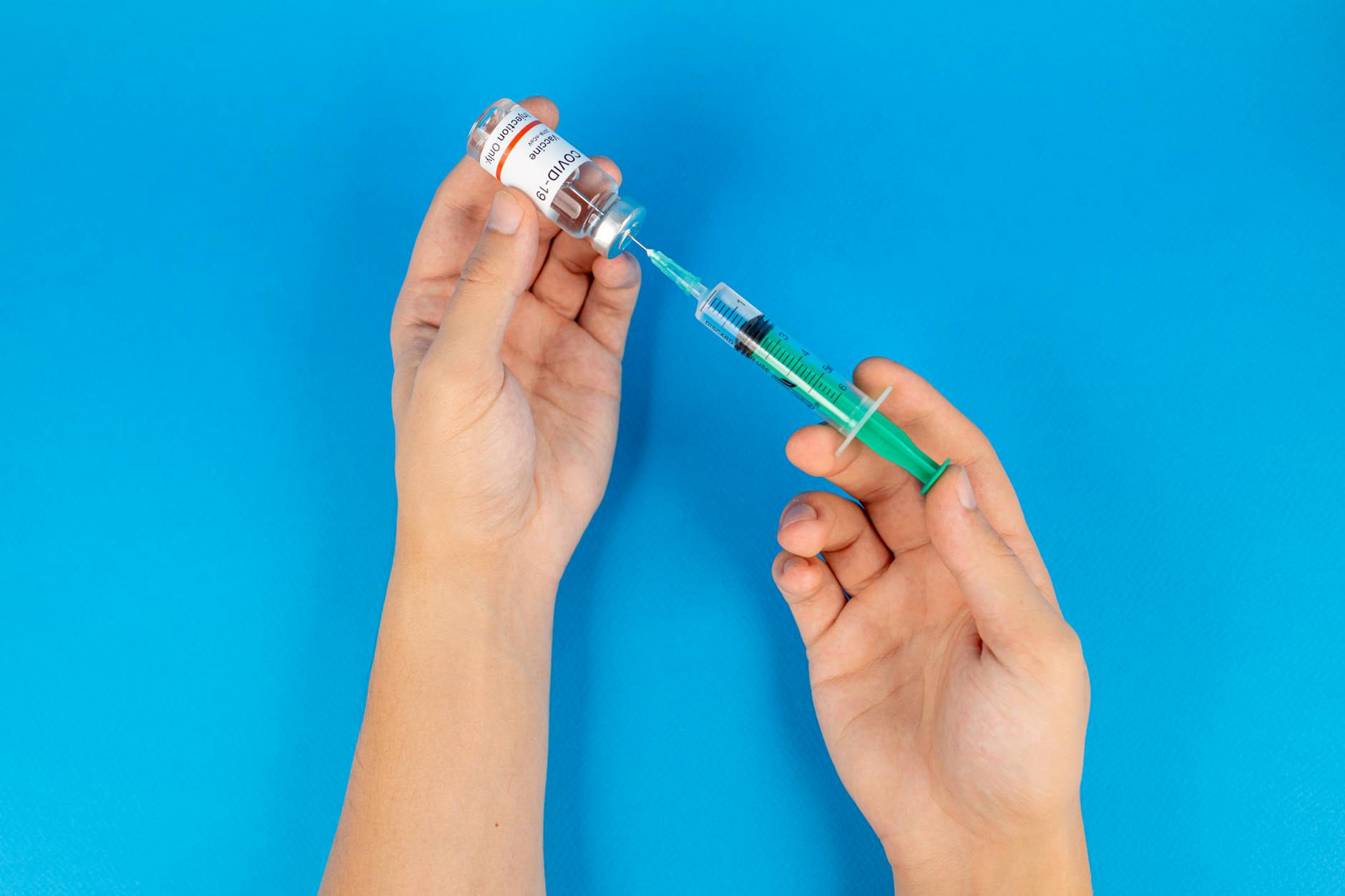
The FDA revoked Pfizer-BioNTech’s emergency use authorization for children under five because Pfizer never pursued full approval for its pediatric doses in this age group. That means the three-dose Pfizer series that some toddlers received in 2022 and 2023 is no longer an option. Parents who started but did not complete that series cannot finish it with Pfizer doses. Moderna’s Spikevax is the only remaining COVID-19 vaccine with full FDA approval for children as young as six months. However, the approval now carries a significant restriction: it is limited to children who have at least one serious health condition.
The list includes asthma, obesity, immunocompromising conditions, and other chronic illnesses that raise the risk of severe COVID-19 outcomes. A healthy two-year-old with no underlying conditions does not currently qualify for a COVID-19 vaccine under federal guidelines. This is a notable departure from 2022 and 2023, when any child six months and older could receive the vaccine regardless of health status. For families comparing options, there is really only one path forward if a child meets the eligibility criteria: Moderna Spikevax. There is no choosing between brands, no weighing mRNA versus protein-based alternatives for this age group. Novavax, the protein-based vaccine available to older children and adults, has not been authorized for children under five.
Why Do the Government and Pediatricians Disagree on Vaccinating Young Children?
In January 2026, the Department of Health and Human Services, under Secretary Kennedy, revised the childhood immunization schedule. The update reduced the number of recommended vaccines from seventeen to eleven and reclassified COVID-19 vaccination from “Routine (recommended)” to “Shared clinical decision-making.” In practical terms, this means the federal government no longer universally recommends COVID-19 vaccines for children. Instead, parents and doctors are expected to discuss whether vaccination makes sense based on individual risk. The American Academy of Pediatrics took the opposite position. The AAP strongly recommends the 2025–2026 COVID-19 vaccine for all infants and children aged six through twenty-three months without contraindications, citing the high risk of severe COVID-19 in this specific age group.
The AAP has publicly objected to the HHS restrictions, arguing that limiting vaccine access to high-risk children could prevent families who want to protect their kids from being able to do so. This is not a minor professional disagreement — it represents a fundamental split on how the country approaches pediatric infectious disease prevention. However, if your child is over two years old and healthy, neither the federal guidelines nor the AAP’s strongest recommendations may apply in the same way. The AAP’s emphatic recommendation targets the six-to-twenty-three-month window specifically, because hospitalization data shows that infants and very young toddlers face the greatest risk. Parents of three- and four-year-olds are in a grayer zone, where the “shared clinical decision-making” framework is more likely to apply regardless of which authority they follow.
What Does the Hospitalization Data Actually Show for Young Children?
The numbers paint a clear picture of uneven risk. During September 2023 through August 2024, approximately 38,000 COVID-19-associated hospitalizations occurred among children under eighteen in the United States. But the risk was not distributed equally across ages. Infants under six months were hospitalized at a rate of 600 per 100,000 — a strikingly high figure that reflects both the vulnerability of very young immune systems and the fact that babies under six months are too young even for the Moderna vaccine. Children aged five through seventeen, by contrast, were hospitalized at a rate of just 21 per 100,000. This data is particularly relevant for dementia care households.
Consider a family where a sixty-eight-year-old grandmother with early-stage Alzheimer’s lives with her daughter and an eight-month-old grandchild. Both the infant and the grandmother occupy high-risk categories — the baby because of age, the grandmother because of cognitive decline and the immune changes that often accompany it. A COVID-19 infection that circulates through that household puts two generations at elevated risk simultaneously. The 2024–2025 vaccine showed 76 percent effectiveness against COVID-19-associated emergency department or urgent care visits among immunocompetent children aged nine months through four years. That is a meaningful level of protection, though it is not absolute, and it was measured specifically against ED and urgent care visits rather than all symptomatic infections. Parents should understand that vaccination reduces the likelihood of the most serious outcomes but does not eliminate the possibility of infection entirely.

What Is the Dosing Schedule If Your Child Qualifies?
For children aged six through twenty-three months who are receiving their first COVID-19 vaccination, the current schedule calls for two doses of Moderna Spikevax spaced at least four weeks apart. This is a simpler regimen than the original three-dose Pfizer series that was available previously, which required doses spread over several months. Completing the two-dose Moderna series takes a minimum of about five weeks from start to finish. For children aged two through four years, most are considered up to date after a single dose of the 2025–2026 COVID-19 vaccine. The difference in dosing reflects the fact that older toddlers and preschoolers tend to mount a more robust immune response with fewer doses. However, children in this age group must still meet the underlying health condition requirement to be eligible at all.
A parent whose three-year-old has moderate persistent asthma, for instance, would likely qualify and would need only one dose. A healthy three-year-old would not currently qualify under FDA-approved guidelines. The tradeoff parents face is straightforward but not easy. For eligible children, the vaccine offers substantial protection against the worst outcomes — a 76 percent reduction in emergency visits is significant. But the restricted eligibility means many families who want the vaccine for their young children simply cannot access it through standard channels. Some pediatricians have expressed concern that the eligibility restrictions may lead to inconsistent application, where the definition of “serious health condition” varies from one practice to another.
Why Are Vaccination Rates So Low Among Young Children?
COVID-19 vaccination rates among young children have remained very low throughout the pandemic era, and the 2025–2026 season is no exception. Specific uptake percentages for the current season have not been prominently reported in available data, but the trend has been consistent: this age group has had the lowest vaccination rates of any eligible population since pediatric doses first became available. Several factors contribute to this. Vaccine hesitancy among parents of young children has been documented since well before COVID-19, and the rapid development timeline of mRNA vaccines amplified existing concerns for many families. The shifting eligibility rules have added confusion — parents who were told in 2022 that all children over six months should be vaccinated are now told that only high-risk children qualify.
That inconsistency erodes trust, even among parents who are generally supportive of childhood immunization. The reclassification to “shared clinical decision-making” by HHS may further reduce uptake, because it shifts the burden of the decision onto individual families and doctors rather than presenting vaccination as a standard of care. For families caring for someone with dementia, the low vaccination rates among young children represent an additional layer of risk. If most toddlers in a daycare or playgroup are unvaccinated, the likelihood of COVID-19 circulating in that environment remains high. Parents in multigenerational households should factor community-level vaccination rates into their thinking, not just their own child’s individual risk profile.
How COVID-19 Intersects with Dementia Care at Home
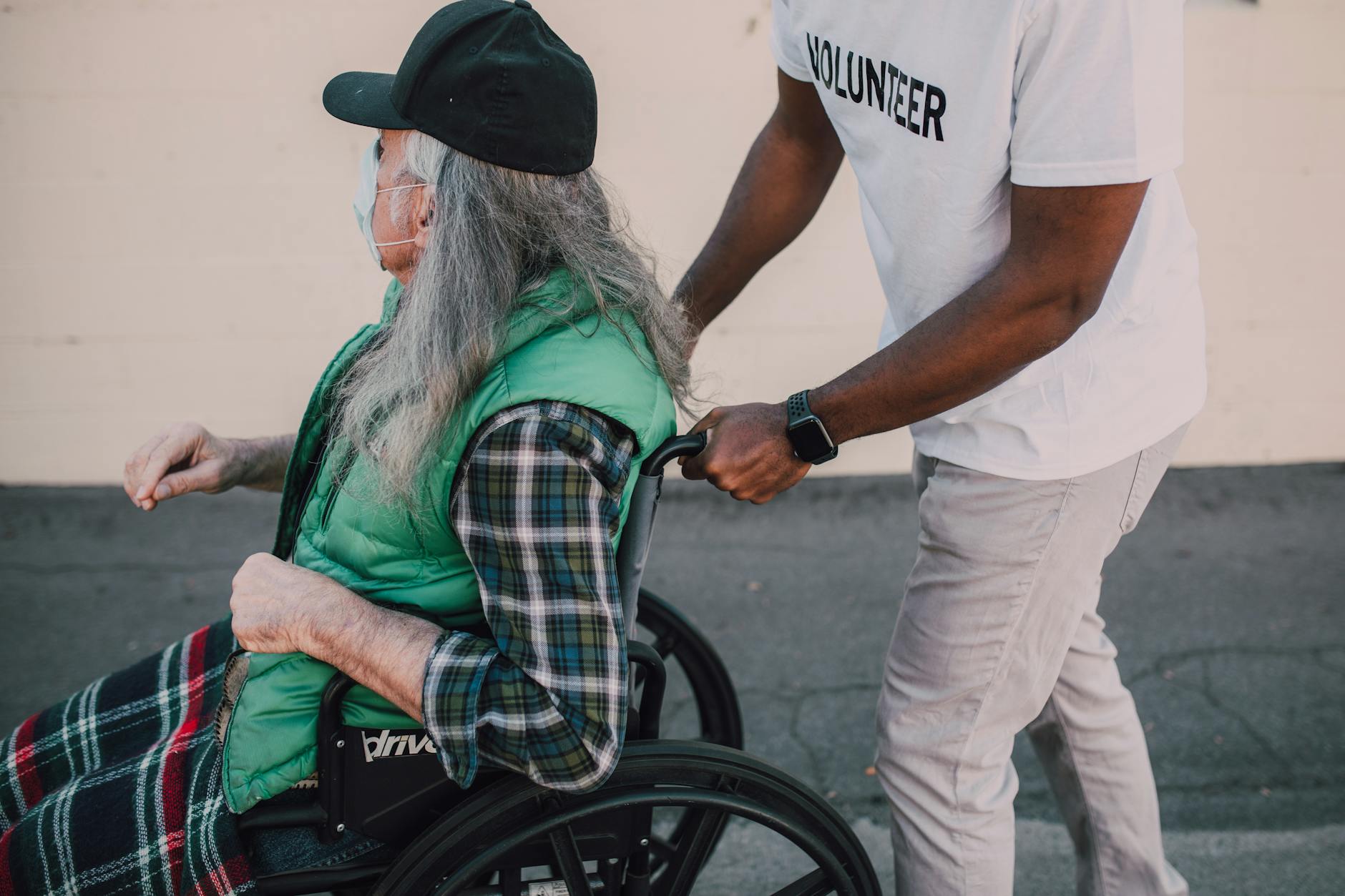
The connection between pediatric COVID-19 vaccination and dementia care is not abstract. Research has increasingly pointed to respiratory infections as triggers for accelerated cognitive decline in people with Alzheimer’s and related dementias. A hospitalization for COVID-19 — or even a moderate infection managed at home — can cause delirium, worsened confusion, and functional setbacks in older adults with dementia that persist long after the virus clears.
A practical example: a family in which a toddler brings COVID-19 home from daycare, and the child’s grandfather, who has moderate vascular dementia, contracts it within the household. The grandfather may not be able to articulate his symptoms clearly, leading to delayed treatment. Even if he recovers from the acute infection, the cognitive disruption may push him from a stage where he could live semi-independently to one where he requires full-time supervision. For families already navigating the demands of dementia caregiving, preventing that scenario is worth serious consideration — and pediatric vaccination, where eligible, is one of the few tools available to reduce household transmission.
What Comes Next for Pediatric COVID Vaccines?
The regulatory landscape for pediatric COVID-19 vaccines is likely to continue shifting. The split between HHS and the AAP reflects deeper tensions in American public health policy that show no signs of resolution in the near term. Future FDA decisions could further narrow or expand eligibility for young children depending on new safety and efficacy data, political priorities, and the trajectory of the virus itself.
Parents should not assume that today’s rules will hold indefinitely. The most useful thing a family can do right now is establish a relationship with a pediatrician who stays current on vaccine guidance and can help navigate eligibility questions as they arise. For multigenerational households where brain health is already a concern, keeping all eligible family members — adults included — up to date on their own COVID-19 vaccinations remains one of the most effective ways to protect vulnerable older relatives, even when the youngest members of the family may not currently qualify.
Conclusion
The COVID-19 vaccine landscape for children under five has narrowed considerably. Pfizer is no longer available for this age group. Moderna’s Spikevax is the only option, and it is restricted to children with serious underlying health conditions. Federal guidelines have shifted from routine recommendation to shared clinical decision-making, while the AAP continues to strongly recommend vaccination for all infants and children six through twenty-three months old.
The 76 percent effectiveness against emergency visits is meaningful, and hospitalization rates remain highest for the youngest infants — precisely the group most likely to share a home with older, cognitively vulnerable relatives. For families managing dementia care alongside the demands of raising young children, the stakes of these decisions extend beyond the child alone. Every respiratory infection that enters a multigenerational household is a potential threat to a vulnerable older adult’s cognitive stability. Parents should talk with their pediatrician about whether their child qualifies for vaccination, stay informed as eligibility criteria continue to evolve, and maintain other protective measures — hand hygiene, ventilation, adult vaccination — that reduce the risk of bringing COVID-19 home to someone who cannot afford the setback.
Frequently Asked Questions
Can a healthy child under 5 get a COVID-19 vaccine right now?
No. As of early 2026, COVID-19 vaccination for children under five is limited to those with at least one serious health condition, such as asthma, obesity, or immunocompromising disorders. There is currently no COVID-19 vaccine authorized for healthy children in this age group.
Why was Pfizer’s vaccine pulled for young children?
The FDA revoked Pfizer-BioNTech’s emergency use authorization for children under five because Pfizer never sought full approval for its pediatric doses in this age group. Once the EUA pathway closed, there was no legal basis to continue offering it.
Does the AAP disagree with the government’s recommendation?
Yes. The AAP strongly recommends the 2025–2026 COVID-19 vaccine for all infants and children aged six through twenty-three months without contraindications, while HHS has moved COVID-19 vaccination to a “shared clinical decision-making” category rather than a routine recommendation.
How effective is the current vaccine for young children?
The 2024–2025 COVID-19 vaccine showed 76 percent effectiveness against emergency department or urgent care visits among immunocompetent children aged nine months through four years, based on CDC data collected from August 2024 through September 2025.
How many doses does a young child need?
Children aged six through twenty-three months receiving their first COVID-19 vaccination need two doses of Moderna Spikevax spaced at least four weeks apart. Children aged two through four years generally need one dose of the 2025–2026 vaccine.
Should I vaccinate my toddler if we live with someone who has dementia?
This is a conversation to have with your pediatrician. Living with a cognitively vulnerable older adult does increase the household risk from COVID-19 transmission. If your child has a qualifying health condition, vaccination could reduce the chance of bringing the virus home. If your child does not qualify, maintaining other preventive measures — adult vaccination, good ventilation, hand hygiene — becomes even more important.