Hpv vaccine sits at the center of this dementia and brain health question.
The age limit for the HPV vaccine changed significantly back in 2018, when the FDA expanded Gardasil 9 approval from ages 9–26 to ages 9–45. But the bigger recent shake-up happened on January 6, 2026, when the CDC officially moved to a one-dose recommendation for adolescents — a shift that carries real implications for adults who are still weighing whether to get vaccinated. If you are between 27 and 45 and have been putting off the shot, the window is still open, though the decision now involves a conversation with your doctor rather than a blanket recommendation. For anyone over 26, the CDC does not universally recommend HPV vaccination. Instead, it falls under what is called “shared clinical decision-making,” meaning you and your physician weigh your individual risk factors — sexual history, number of partners, whether you have a new partner — against the likelihood that vaccination will still offer meaningful protection.
The vaccine is not FDA-licensed for anyone over 45, and insurers generally will not cover it past that age. This article breaks down the current age guidelines, the landmark single-dose finding, what adults actually pay out of pocket, and who stands to benefit most from getting vaccinated later in life. The connection between HPV and cancer is no longer speculative. Across multiple countries, HPV vaccination has driven a 40% reduction in cervical precancers and an 86–88% reduction in cervical cancer. Those numbers are staggering — and they explain why 159 countries have now introduced HPV vaccines. But the protection matters most when the vaccine is given before exposure, which is why age and timing remain at the center of every policy debate.
Table of Contents
- What Actually Changed About the HPV Vaccine Age Limit for Adults?
- The One-Dose Shift — Why It Matters and Where It Falls Short
- Who Benefits Most from HPV Vaccination After Age 26?
- What Does the HPV Vaccine Cost for Adults Without Insurance?
- Why the Vaccine Is Not Recommended After Age 45 — And What That Actually Means
- HPV Vaccination and Brain Health — What the Research Suggests
- What Comes Next for HPV Vaccination Policy
- Conclusion
- Frequently Asked Questions
What Actually Changed About the HPV Vaccine Age Limit for Adults?
The original Gardasil 9 approval covered individuals ages 9 through 26. In October 2018, the FDA extended that ceiling to 45, which was a meaningful expansion for the millions of adults in their 30s and early 40s who had either missed the vaccine during adolescence or aged out before it became widely promoted. The CDC, however, did not follow with a universal recommendation for everyone up to 45. Instead, it drew a line: routine vaccination through age 26, and shared clinical decision-making for those 27 to 45. That distinction matters more than it might seem. A routine recommendation means insurers must cover the vaccine as preventive care with no out-of-pocket cost.
Shared clinical decision-making means coverage is still generally available through age 45, but the expectation is that not every adult in that range will benefit equally. The core reasoning is straightforward — most sexually active adults have already been exposed to one or more HPV strains by their late 20s, so the vaccine’s ability to prevent new infections diminishes with age. That said, even a previously exposed adult may not have encountered all nine strains covered by Gardasil 9, which is why individual risk assessment is part of the equation. Compare this with how countries like Australia handled expansion. Australia was among the first to achieve near-elimination-level reductions in cervical cancer through aggressive school-based vaccination programs, and their focus has remained on adolescents rather than broad adult catch-up campaigns. The U.S. approach is more permissive for adults but less directive, which can leave people confused about whether they should bother.

The One-Dose Shift — Why It Matters and Where It Falls Short
The January 2026 CDC recommendation to move from a multi-dose regimen to a single dose for adolescents was grounded in a landmark study published in December 2025. That research found a single HPV shot provided approximately 97% protection against persistent HPV 16/18 infections — essentially matching the efficacy of two doses. The United States joined more than 80 countries, including the United Kingdom, Canada, and Australia, in adopting a single-dose regimen. However, there are important caveats that adults should understand. No HPV vaccine is currently FDA-licensed specifically for a one-dose schedule.
The evidence supporting the single-dose approach does not yet include outcomes beyond 12 years from vaccination, so long-term durability remains an open question. For adults who are starting the series later in life, the traditional multi-dose schedule — two doses if initiated before age 15, three doses if started at 15 or older — is still what most clinicians will recommend, particularly since the one-dose data was generated primarily in younger cohorts. There is also an insurance wrinkle. Since the CDC now recommends one dose for the indicated adolescent age group, payers are no longer required to cover additional doses for that group. For adults in the 27-to-45 range pursuing vaccination under shared clinical decision-making, the dosing schedule and coverage landscape may look different depending on the insurer. If you are an adult considering the vaccine, confirm with your insurance provider how many doses they will cover before you begin.
Who Benefits Most from HPV Vaccination After Age 26?
The broad population-level data is clear: vaccinating adolescents before sexual debut yields the greatest public health return. But individual adults can still derive real benefit, particularly those who have had few sexual partners, those entering a new sexual relationship, or those whose partners have a known HPV-related diagnosis. A 35-year-old in a long-term monogamous relationship who was never vaccinated occupies a different risk category than a 35-year-old with multiple recent partners, and that is precisely why the CDC opted for individualized decision-making rather than a blanket recommendation. The cancer prevention numbers reinforce why the conversation is worth having. The rate of precancerous vulvar and vaginal lesions is 37% lower in women who received at least one dose of the HPV vaccine, and 57% lower for those vaccinated before age 17.
For men, the vaccine protects against HPV-related anal, penile, and oropharyngeal cancers — the last of which has been rising sharply in recent decades. A man diagnosed with HPV-positive throat cancer at 50 might well wish he had been vaccinated at 35, even if the odds of benefit were lower than they would have been at 15. Disparities in adult vaccine uptake remain a significant concern. Vaccination rates are lower among Black and Hispanic individuals, those with less than a high school education, and the uninsured. These gaps track closely with the populations most affected by HPV-related cancers, creating a cycle that public health campaigns have struggled to break.
What Does the HPV Vaccine Cost for Adults Without Insurance?
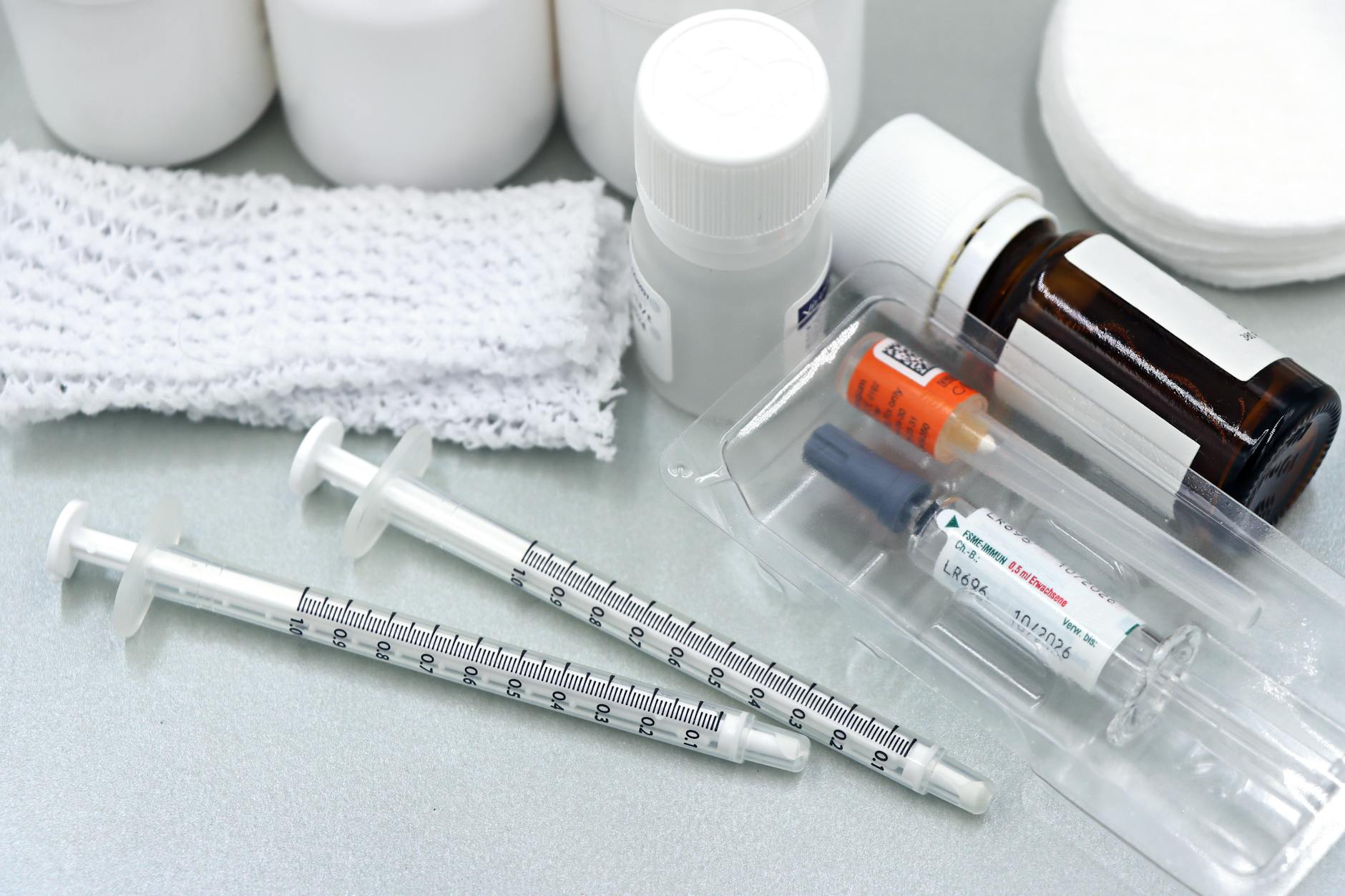
Cost is one of the most practical barriers for adults weighing the HPV vaccine. The list price for Gardasil 9 is approximately $328.34 per dose, set by Merck. Without insurance, adults can expect to pay between $240 and $398 per dose, which means a full three-dose series could run $480 to $1,050 depending on where you receive it. That is not trivial, especially for uninsured adults who may also face an office visit charge on top of the vaccine cost. With insurance, the picture is considerably better. HPV vaccination is classified as preventive care, and for adults through age 45, most insurers cover it with no out-of-pocket cost.
The Affordable Care Act requires that ACIP-recommended vaccines be covered without cost-sharing, though the shared clinical decision-making designation for adults 27–45 introduces some ambiguity. Some insurers have interpreted the recommendation narrowly and declined coverage for adults over 26, while others cover through 45 without issue. Calling your insurer before scheduling is the single most useful step you can take. For uninsured adults, Merck operates a patient assistance program that provides the vaccine at no cost to eligible adults ages 19–45 who meet income requirements. This program is not widely publicized, and many physicians’ offices do not mention it proactively. If cost is the reason you have not been vaccinated, it is worth asking your doctor’s office about the Merck assistance program or contacting Merck directly.
Why the Vaccine Is Not Recommended After Age 45 — And What That Actually Means
Adults over 45 sometimes ask whether they can still get vaccinated, particularly after a new HPV-related cancer diagnosis in someone they know. The answer is nuanced. The vaccine is not FDA-licensed for adults over 45, and no insurer is required to cover it past that age. But the reason is not safety — there is no identified safety concern with administering the vaccine to older adults. The issue is uncertain effectiveness. By 45, the overwhelming majority of sexually active adults have already acquired at least one HPV infection, and the vaccine cannot treat or clear existing infections.
It can only prevent new ones. That said, “uncertain effectiveness” is not the same as “no effectiveness.” An adult over 45 who has had very few sexual partners might have been exposed to only one or two HPV strains, leaving them potentially vulnerable to others covered by Gardasil 9. The problem is that no large-scale trial has demonstrated meaningful clinical benefit in this age group, so physicians cannot recommend it with confidence, and the FDA has not extended licensing. If you are over 45 and want the vaccine, you would likely need to pay entirely out of pocket and find a clinician willing to administer it off-label — a scenario that is uncommon but not impossible. The more productive focus for adults over 45 is screening. Regular cervical cancer screening for women, awareness of HPV-related symptoms in both sexes, and prompt evaluation of persistent oral, anal, or genital lesions remain the front line of cancer prevention for this age group.
HPV Vaccination and Brain Health — What the Research Suggests
For readers of a brain health and dementia care site, the HPV vaccine might seem like an unexpected topic. But emerging research has begun to explore connections between chronic viral infections and neurodegenerative disease, and HPV is part of that broader conversation. While no study has established a direct causal link between HPV and dementia, the principle that reducing lifetime inflammatory and infectious burden may support long-term brain health is gaining traction in the neuroscience community.
Chronic infections can drive systemic inflammation, which is increasingly recognized as a contributor to cognitive decline. The more immediate relevance is practical. Adults managing cognitive decline in a family member are often also managing their own preventive health — or neglecting it. Getting vaccinated against HPV, staying current on other immunizations, and maintaining cancer screening schedules are all part of a broader strategy to reduce the total health burden that can complicate caregiving and accelerate a caregiver’s own health decline.
What Comes Next for HPV Vaccination Policy
The shift to a one-dose recommendation is likely just the beginning of further policy evolution. Researchers are actively studying whether a single dose provides durable protection beyond the current 12-year evidence window, and those results — expected within the next several years — could reshape recommendations for adults as well. If one dose proves sufficient across age groups, the cost and access barriers that currently discourage adult vaccination would drop substantially.
There is also growing pressure to address the disparities in adult vaccine uptake. With 159 countries now offering HPV vaccines and global cervical cancer elimination targets on the horizon, the United States faces scrutiny over gaps in coverage among underserved populations. Whether through expanded assistance programs, pharmacy-based vaccination campaigns, or policy changes that clarify insurance obligations for adults 27–45, the direction of travel is toward broader access — not less.
Conclusion
The HPV vaccine age limit expanded to 45 in 2018, and the 2026 move to a single-dose recommendation for adolescents has renewed attention on who should get vaccinated and when. For adults through age 26, the path is straightforward — routine vaccination is recommended and covered. For those 27 to 45, the decision requires a conversation with a doctor, but insurance typically covers the cost, and Merck’s assistance program can fill the gap for uninsured adults. After 45, the vaccine is not licensed and coverage is unavailable, though there are no safety concerns.
If you are an adult who missed the HPV vaccine earlier in life, the most important step is to have an honest conversation with your physician about your individual risk profile. Do not assume you are too old, but do not assume the vaccine will be as effective as it would have been at 12. The data on cancer prevention is overwhelming — a 40% reduction in cervical precancers and up to 88% reduction in cervical cancer across vaccinated populations — and the question for any individual adult is simply whether enough of that benefit remains available to them. For many, the answer is yes.
Frequently Asked Questions
Can I get the HPV vaccine if I am over 45?
The vaccine is not FDA-licensed for adults over 45, and insurers do not cover it past that age. There is no safety concern, but the effectiveness is uncertain because most people have already been exposed to HPV by then. You would need to find a willing clinician and pay out of pocket.
How many doses do adults need?
Adults starting the HPV vaccine series at age 15 or older typically need three doses. The new one-dose recommendation applies to adolescents, and the evidence supporting it was generated in younger populations. Your doctor may still recommend the full series.
Is the HPV vaccine free with insurance?
For most insured adults through age 45, the vaccine is covered as preventive care with no out-of-pocket cost. However, coverage for adults 27–45 can vary by insurer due to the shared clinical decision-making designation. Always verify with your insurance provider before scheduling.
What if I cannot afford the vaccine and do not have insurance?
Merck offers a patient assistance program that provides Gardasil 9 at no cost to eligible uninsured adults ages 19–45 who meet income requirements. Ask your doctor’s office or contact Merck directly for enrollment details.
Does the HPV vaccine treat existing HPV infections?
No. The vaccine prevents new HPV infections but cannot treat or clear strains you have already acquired. This is why vaccination provides the greatest benefit before sexual debut, when the likelihood of prior exposure is lowest.
Is one dose of the HPV vaccine really enough?
A December 2025 study found that a single dose provided approximately 97% protection against persistent HPV 16/18 infections. However, no HPV vaccine is currently FDA-licensed for a one-dose regimen, and long-term data beyond 12 years is not yet available.
You Might Also Like
- Why Some Human Drugs Work in Pets — But Others Are Deadly
- Why Ozempic Is Replacing Bariatric Surgery for Some Patients
- Tylenol and Your Liver: How Much Is Too Much?
For more, see National Institute on Aging.