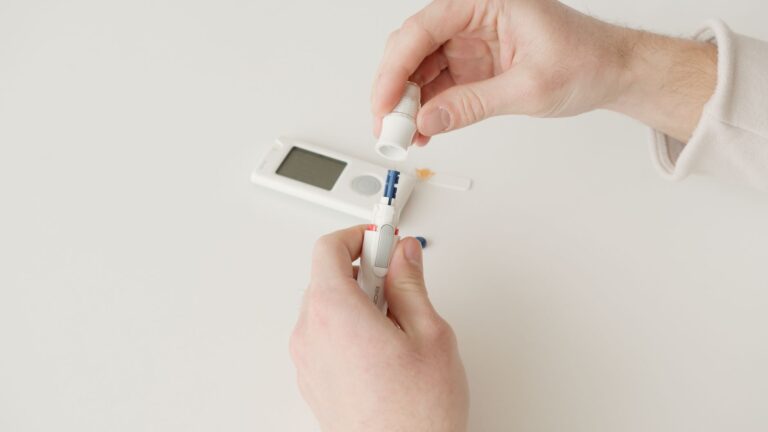
Anti-nausea drug sits at the center of this dementia and brain health question.
Tradipitant, an anti-nausea drug that earned FDA approval in late December 2025 as the first new prescription motion sickness treatment in over four decades, is now being positioned for a use nobody initially anticipated: keeping patients on their GLP-1 weight-loss medications. Sold under the brand name NEREUS by Vanda Pharmaceuticals, this oral neurokinin-1 receptor antagonist was developed to prevent vomiting caused by motion. But clinical data released in November 2025 showed it could roughly cut in half the nausea and vomiting that drive so many people to abandon drugs like Ozempic and Wegovy — a finding that could reshape how millions of patients manage their weight-loss treatment.
This matters enormously for the dementia and brain health community. GLP-1 drugs are increasingly studied for neuroprotective effects, with several trials exploring whether they might slow cognitive decline in Alzheimer’s disease. If nausea is the reason patients quit these medications before any brain-health benefits can take hold, then a drug that solves that problem deserves serious attention. In this article, we will look at what tradipitant actually is, how it performed in clinical trials against GLP-1 side effects, what the dropout problem really looks like, and what this all means for patients interested in the emerging cognitive benefits of GLP-1 medications.
Table of Contents
- What Is This Anti-Nausea Drug Being Used for Beyond Motion Sickness?
- How Bad Is the GLP-1 Dropout Problem, and Can Tradipitant Fix It?
- Why the Brain Health Community Should Pay Attention
- How Tradipitant Compares to Other Anti-Nausea Options
- Regulatory Hurdles and the Road to Phase III
- Gastroparesis and the Broader Potential
- What This Means Going Forward
- Conclusion
- Frequently Asked Questions
What Is This Anti-Nausea Drug Being Used for Beyond Motion Sickness?
Tradipitant works by blocking the neurokinin-1 receptor, a protein involved in the brain’s nausea and vomiting pathways. This mechanism is well established in oncology, where NK-1 antagonists like aprepitant have been used for years to control chemotherapy-induced nausea. But tradipitant’s approval on December 30, 2025 was specifically for motion sickness — making NEREUS the first new prescription option in that space since scopolamine patches arrived in the early 1980s. In Phase III trials conducted aboard actual boats (studies named Motion Syros and Motion Serifos), vomiting rates dropped to 10.4–19.5% with NEREUS compared to 37.7–44.3% with placebo.
The unexpected pivot came when Vanda Pharmaceuticals recognized that the same nausea pathways triggered by motion also fire when patients take GLP-1 receptor agonists. Drugs like semaglutide (Ozempic, Wegovy) slow gastric emptying and act on brainstem circuits that overlap with motion sickness pathways. By blocking the NK-1 receptor, tradipitant could intercept the signal before patients reach for the phone to tell their doctor they want to quit. Analysts estimate the motion sickness market at roughly $100 million per year, but the GLP-1 adjunct market — where tens of millions of patients worldwide struggle with gastrointestinal side effects — is potentially far larger.

How Bad Is the GLP-1 Dropout Problem, and Can Tradipitant Fix It?
The scale of GLP-1 treatment abandonment is staggering. Real-world dropout rates sit between 30 and 50 percent, with nausea and vomiting cited among the most common reasons patients stop taking these drugs. That means for every two people who start Wegovy or Ozempic, roughly one will quit before achieving the full metabolic or potential neuroprotective benefits. For a class of medication that costs patients hundreds of dollars per month out of pocket, and for a healthcare system investing billions in these therapies, that attrition rate represents an enormous waste.
Tradipitant’s clinical results against GLP-1-induced nausea are genuinely striking. In a randomized controlled study pairing tradipitant with a 1 mg Wegovy injection, the vomiting rate was 29.3% with tradipitant compared to 58.6% with placebo — roughly cut in half. When researchers looked at the combined endpoint of vomiting plus the worst nausea (rated 3 or higher on a 0-to-5 scale), the numbers were 22.4% with tradipitant versus 48.3% with placebo. However, it is important to note that these results came from a single study using a specific Wegovy dose. How tradipitant performs across different GLP-1 drugs, at varying doses, and over longer treatment periods remains to be established in the Phase III program Vanda plans to launch in the first half of 2026.
Why the Brain Health Community Should Pay Attention
The connection between GLP-1 drugs and dementia research has grown impossible to ignore. Multiple clinical trials are currently investigating whether semaglutide and similar drugs can slow the progression of Alzheimer’s disease, with early data suggesting these medications may reduce neuroinflammation and improve cerebral blood flow. But none of those potential cognitive benefits matter if patients cannot tolerate the drugs long enough to find out. Consider a 68-year-old patient enrolled in a GLP-1 trial for early-stage cognitive decline.
She starts her weekly injection, and within days the nausea becomes debilitating. She skips doses, then stops entirely. this is not a hypothetical — it is the lived experience of a substantial percentage of GLP-1 users. If tradipitant can keep patients on their GLP-1 medications through the initial weeks when side effects are worst, it could indirectly become one of the more meaningful tools in the dementia research pipeline, not by acting on the brain itself, but by ensuring patients stay on drugs that might.

How Tradipitant Compares to Other Anti-Nausea Options
Patients dealing with GLP-1-induced nausea currently rely on a patchwork of remedies, most of which were designed for other conditions. Ondansetron (Zofran), originally developed for chemotherapy-related nausea, is commonly prescribed off-label. Ginger supplements, dietary modifications, and slower dose titration are also standard advice. Each has limitations: ondansetron can cause constipation, which GLP-1 drugs already worsen; ginger’s efficacy is modest at best; and slower titration delays the therapeutic benefits patients are seeking. Tradipitant’s advantage is mechanistic specificity.
Rather than broadly dampening the serotonin-mediated nausea pathway the way ondansetron does, it targets the NK-1 receptor system — the same pathway that GLP-1 drugs appear to activate. The tradeoff, for now, is uncertainty. NEREUS is FDA-approved only for motion sickness, meaning any use for GLP-1 side effects would be off-label until the Phase III data comes in. Insurance coverage for off-label use is notoriously unpredictable, and the out-of-pocket cost for a branded drug with no generic equivalent could be prohibitive for many patients. Doctors prescribing it for this purpose would be doing so based on a single controlled study, which is promising but not yet definitive.
Regulatory Hurdles and the Road to Phase III
The path to a formal GLP-1-related indication is not without obstacles. The FDA placed a partial clinical hold on tradipitant before its motion sickness approval, a hold that was lifted in December 2025 following a dispute resolution process. The details of that hold have not been fully disclosed publicly, but any regulatory friction introduces uncertainty into the development timeline.
Vanda Pharmaceuticals has stated it plans to initiate a Phase III program for the GLP-1 indication in the first half of 2026. Phase III trials typically require hundreds to thousands of patients and take one to three years to complete, followed by FDA review. Patients hoping to use tradipitant specifically for GLP-1 nausea should understand that a formal approval for this indication likely remains years away. In the meantime, physicians may choose to prescribe NEREUS off-label, but patients should have frank conversations with their doctors about the evidence base, the cost, and the fact that long-term safety data in combination with GLP-1 drugs is still limited.

Gastroparesis and the Broader Potential
Tradipitant is also being developed for gastroparesis, a chronic condition in which the stomach empties abnormally slowly. This is relevant because GLP-1 drugs intentionally slow gastric emptying as part of their mechanism of action — meaning patients with pre-existing gastroparesis, or those who develop gastroparesis-like symptoms on GLP-1 therapy, represent a particularly vulnerable population. If tradipitant proves effective for gastroparesis as well, it could address multiple gastrointestinal complaints from a single medication, simplifying treatment regimens for patients already managing complex pill schedules alongside their weekly injections.
What This Means Going Forward
The broader story here is about how a drug approved for one of medicine’s oldest complaints — motion sickness — may find its most important role in supporting one of medicine’s newest and fastest-growing drug classes. If the Phase III trials confirm what the earlier data suggests, tradipitant could become a standard companion therapy for GLP-1 medications, prescribed almost reflexively the way proton pump inhibitors are paired with certain anti-inflammatory drugs. For patients in the dementia and brain health space, the implications are particularly significant: anything that keeps people on potentially neuroprotective GLP-1 therapies longer is worth watching closely.
The first half of 2026 will be a critical period. As Vanda launches its Phase III program and physicians gain more clinical experience prescribing NEREUS, the picture will sharpen. For now, tradipitant represents something increasingly rare in pharmaceutical development — a drug whose most consequential use may be one that was never part of the original plan.
Conclusion
Tradipitant, marketed as NEREUS, arrived with FDA approval as a motion sickness drug in late 2025, but its potential to cut GLP-1-induced nausea and vomiting roughly in half has rapidly shifted attention toward a much larger clinical opportunity. With real-world GLP-1 dropout rates between 30 and 50 percent, and with GLP-1 drugs increasingly studied for neuroprotective effects in Alzheimer’s disease, a medication that keeps patients on these therapies could have ripple effects well beyond weight management.
Patients and caregivers in the dementia community should discuss GLP-1 therapies and their side-effect profiles with their physicians, particularly as new research on cognitive benefits continues to emerge. While tradipitant’s GLP-1 indication is not yet formally approved, the clinical data is encouraging enough that it warrants attention. Keep an eye on the Phase III trial results expected over the coming years — they may determine whether this repurposed anti-nausea drug becomes a quiet but essential part of brain health treatment strategies.
Frequently Asked Questions
Is tradipitant (NEREUS) currently approved for treating GLP-1 drug side effects?
No. As of early 2026, NEREUS is FDA-approved only for the prevention of vomiting caused by motion. Its use for GLP-1-induced nausea would be considered off-label. Vanda Pharmaceuticals plans to begin Phase III trials for this indication in the first half of 2026.
How effective was tradipitant at reducing nausea from Wegovy in clinical studies?
In a randomized controlled study using a 1 mg Wegovy injection, the vomiting rate dropped to 29.3% with tradipitant compared to 58.6% with placebo. The combined vomiting-plus-severe-nausea rate was 22.4% versus 48.3%.
Why do so many people stop taking GLP-1 weight-loss drugs?
Gastrointestinal side effects — particularly nausea and vomiting — are among the most common reasons. Real-world data suggests that 30 to 50 percent of patients discontinue GLP-1 medications, often before achieving the full therapeutic benefit.
Could tradipitant help dementia patients specifically?
Not directly. Tradipitant targets nausea pathways, not cognitive decline. However, if GLP-1 drugs prove to have neuroprotective benefits in ongoing Alzheimer’s trials, then a medication that helps patients stay on those drugs longer could indirectly support brain health outcomes.
What other conditions is tradipitant being studied for?
Beyond motion sickness and GLP-1-induced nausea, tradipitant is also in development for gastroparesis, a chronic condition involving delayed stomach emptying.
You Might Also Like
- Why Some Diabetics Are Being Switched From Metformin to Something Stronger
- This OTC Sleep Aid Is Being Linked to Cognitive Decline in New Research
- This Supplement Blocks Thyroid Medication Absorption Every Time
For more, see Alzheimer’s Association.