Drink grapefruit sits at the center of this dementia and brain health question.
In most cases, no — you should not drink grapefruit juice if you take heart medication, at least not without first talking to your doctor or pharmacist. The interaction between grapefruit and certain cardiovascular drugs is well-documented and potentially dangerous. Grapefruit juice blocks a key enzyme in your gut that normally helps break down medications before they enter your bloodstream. When that enzyme is disabled, drug levels can spike to toxic concentrations. For example, drinking just one glass of grapefruit juice daily for three days can triple the blood levels of simvastatin, a widely prescribed cholesterol-lowering statin.
That kind of increase raises the risk of serious muscle breakdown, liver damage, and kidney failure. This is not a theoretical concern. Researchers have identified over 85 drugs that interact adversely with grapefruit, and 43 of those interactions can cause life-threatening effects, according to a study published in the Canadian Medical Association Journal. Heart medications — statins, blood pressure drugs, antiarrhythmics — are among the most commonly affected. The rest of this article explains exactly how the interaction works, which specific medications are involved, who faces the greatest risk, and what practical steps you or a loved one can take to stay safe.
Table of Contents
- Why Can’t You Drink Grapefruit Juice With Heart Medication?
- Which Heart Medications Are Most Dangerous With Grapefruit?
- Why Older Adults and Dementia Patients Face Greater Risk
- What to Do If You or a Loved One Currently Drinks Grapefruit Juice
- Other Citrus Fruits That Cause the Same Problem
- How to Communicate This Risk in a Care Setting
- Looking Ahead — Will This Problem Get Better?
- Conclusion
- Frequently Asked Questions
Why Can’t You Drink Grapefruit Juice With Heart Medication?
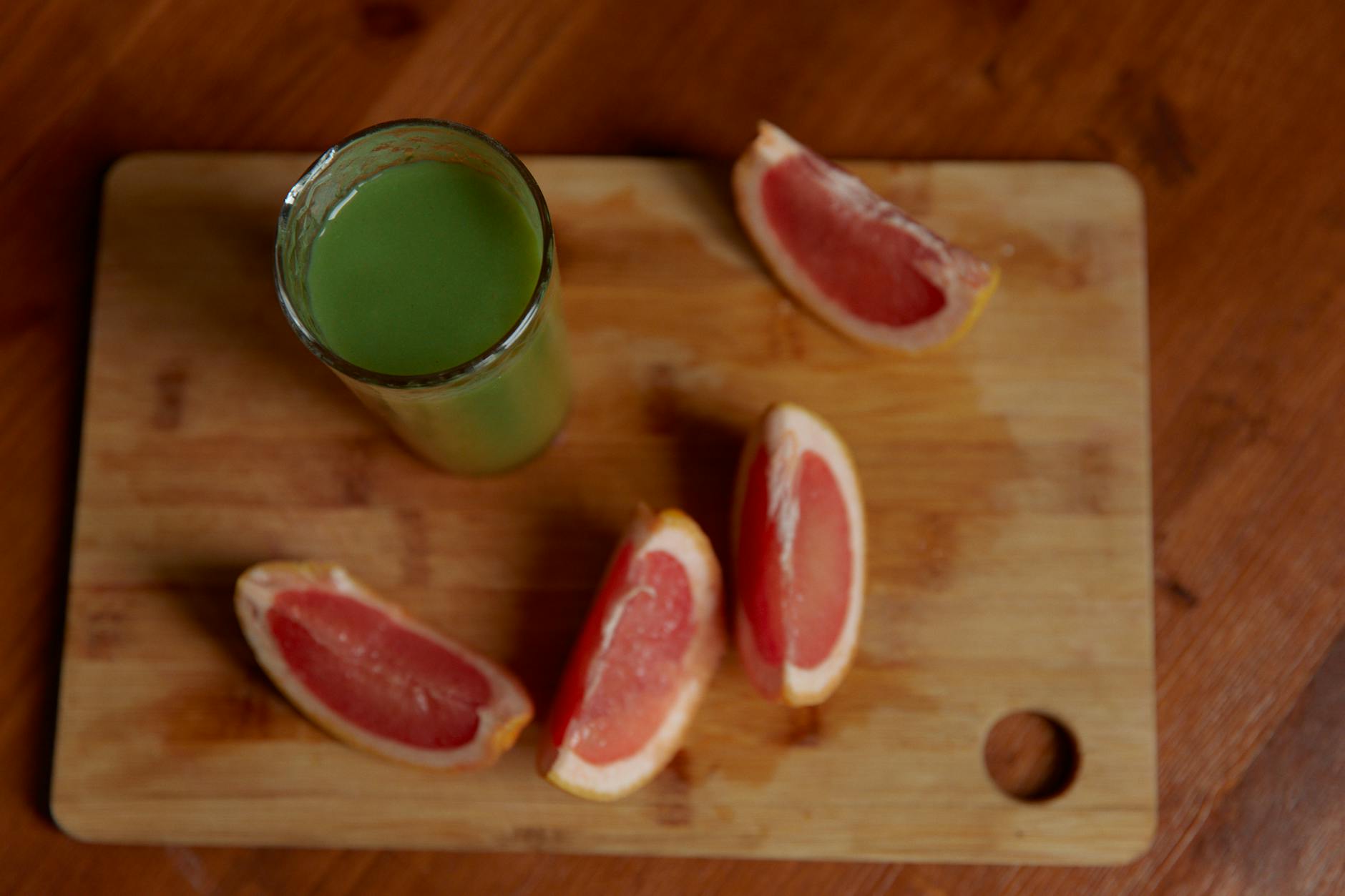
The answer comes down to an enzyme called CYP3A4, which lives in the lining of your small intestine. Under normal circumstances, CYP3A4 breaks down a portion of many oral medications before they ever reach your bloodstream — a process called first-pass metabolism. Grapefruit juice contains compounds called furanocoumarins that irreversibly block CYP3A4. Once the enzyme is knocked out, your body absorbs far more of the drug than it was designed to handle. According to the FDA, more of the drug enters the blood and stays longer, leading to dangerously high levels. What makes this interaction especially tricky is that it is not something you can manage by timing your grapefruit juice a few hours before or after your pill.
One glass of grapefruit juice is enough to trigger the interaction, and the effect lasts one to three days — it takes up to 72 hours for your body to produce enough new CYP3A4 enzyme to restore normal drug metabolism. So spacing out grapefruit and medication does not avoid the problem. Compare this to, say, a calcium interaction where taking a supplement a couple hours apart from a medication often solves things. Grapefruit does not work that way. Between 2008 and 2012, the number of grapefruit-interacting drugs known to cause serious adverse effects grew from 17 to 43, an average increase of about six new drugs per year. That number has likely continued to climb as new medications enter the market. The scope of this problem is broad enough that the FDA now requires warning labels on some prescription and over-the-counter drugs taken by mouth to alert patients about grapefruit juice.
Which Heart Medications Are Most Dangerous With Grapefruit?
Several major categories of cardiovascular drugs interact with grapefruit, and the severity ranges from mildly elevated drug levels to life-threatening toxicity. The most well-known interaction involves statins, specifically simvastatin (sold as Zocor) and atorvastatin (Lipitor). Research has shown that grapefruit juice can increase simvastatin and lovastatin blood levels by 260 percent. At those concentrations, patients face a serious risk of rhabdomyolysis — a condition where muscle tissue breaks down rapidly and floods the kidneys with proteins that can cause kidney failure. However, not all statins are equally affected. Pravastatin and rosuvastatin are metabolized differently and are generally considered safer options for people who want to keep grapefruit in their diet. If you are on a statin and grapefruit matters to you, this is a conversation worth having with your prescriber.
Calcium channel blockers, used to treat high blood pressure, are another high-risk category. Nifedipine (Procardia, Adalat CC) and felodipine are both affected. Grapefruit can cause excessive blood pressure drops or dangerously slow heart rate with these drugs — the kind of reaction that could lead to dizziness, fainting, or a fall, which is especially dangerous for older adults or anyone with dementia who may already have balance difficulties. Antiarrhythmic drugs used to control heart rhythm present perhaps the most alarming interaction. Amiodarone (sold as Pacerone or Cordarone), quinidine, disopyramide, and propafenone all interact with grapefruit. In a study of 11 men taking amiodarone, 300 milliliters of grapefruit juice (about 10 ounces) increased drug levels by up to 84 percent. Amiodarone already has a narrow margin of safety, and elevated levels risk triggering torsade de pointes, a dangerous heart rhythm disturbance that can be fatal.
Why Older Adults and Dementia Patients Face Greater Risk
Adults over 70 are the most vulnerable population when it comes to grapefruit-drug interactions, for several compounding reasons. They tend to take more medications — polypharmacy is common in this age group — which increases the odds that at least one of their drugs interacts with grapefruit. Their bodies also have a decreased ability to compensate for excessive drug concentrations, meaning a drug spike that a younger person might tolerate could push an older adult into toxicity. For families caring for someone with dementia, this issue takes on added complexity. A person with cognitive decline may not remember warnings about grapefruit, may not be able to communicate new symptoms like muscle pain or dizziness, and may not connect those symptoms to something they ate. If a caregiver routinely serves grapefruit juice at breakfast — thinking it is a healthy choice, which in isolation it is — and the person is also taking simvastatin or nifedipine, the result could be a silent and dangerous drug accumulation.
Caregivers should review all food-drug interactions with a pharmacist, not just grapefruit, and make sure everyone involved in meal preparation is aware of any restrictions. There is also the blood pressure drug eplerenone, sometimes used in heart failure management. Grapefruit increases eplerenone levels, which can lead to excess potassium in the blood — a condition called hyperkalemia. Hyperkalemia interferes with heart rhythm and, in severe cases, can cause cardiac arrest. Older adults with kidney function that is already declining are at heightened risk for this particular complication. Carvedilol, a beta-blocker used for heart failure, can also have enhanced toxicity with grapefruit, adding yet another medication to the watch list.
What to Do If You or a Loved One Currently Drinks Grapefruit Juice
The first and most important step is to bring a complete medication list — including over-the-counter drugs and supplements — to your next pharmacist visit and ask specifically about grapefruit interactions. Pharmacists are often better positioned than physicians to catch food-drug interactions because reviewing medication profiles is central to their training. Do not assume that because your doctor did not mention grapefruit, it is safe. Many prescribers do not think to ask about dietary habits. If you find out that a medication does interact with grapefruit, you have a few options. One is to simply eliminate grapefruit and related citrus from the diet entirely. This is the safest and simplest approach, and for most people it is not a significant sacrifice.
A second option is to ask your doctor whether an alternative medication exists that does not interact with grapefruit. For statins, for example, pravastatin and rosuvastatin are generally unaffected. For calcium channel blockers, amlodipine (Norvasc) appears to have a much weaker interaction than nifedipine or felodipine. Switching medications is not always possible — amiodarone, for instance, is sometimes the only viable antiarrhythmic — but it is worth exploring. What you should not do is try to manage the interaction on your own by drinking smaller amounts or timing your juice differently. The interaction is not dose-dependent in a simple way. Even small amounts can be dangerous with certain drugs, according to both the FDA and the Mayo Clinic. And because the enzyme suppression lasts up to 72 hours, there is no safe window for occasional consumption if you take the medication daily.
Other Citrus Fruits That Cause the Same Problem
Grapefruit gets all the attention, but it is not the only citrus fruit that contains furanocoumarins — the compounds responsible for blocking CYP3A4. Seville oranges, also called bitter oranges, contain the same problematic compounds. Seville oranges are not typically eaten as fresh fruit, but they are a key ingredient in traditional orange marmalade. If your loved one enjoys marmalade on toast each morning and also takes a statin or calcium channel blocker, that is a combination worth flagging.
Pomelos and tangelos also trigger the same interaction. Pomelos are the large, thick-skinned citrus fruit popular in many Asian cuisines, and tangelos are a grapefruit-tangerine hybrid. Regular sweet oranges and their juice are generally considered safe, as are lemons, limes, and tangerines. But “generally safe” is not the same as “guaranteed safe,” and if you have any doubt, ask a pharmacist. The distinction matters because caregivers or facility staff preparing meals may not realize that a pomelo salad or a tangelo from a fruit basket carries the same risk as a glass of grapefruit juice.

How to Communicate This Risk in a Care Setting
If you are managing medications for someone in a memory care facility, assisted living, or even at home with rotating caregivers, it is essential to document grapefruit restrictions the same way you would document a drug allergy. Write it on the medication list. Post a note in the kitchen. Inform dietary staff if the person is in a facility.
A 2013 study noted that the number of dangerous grapefruit interactions had more than doubled in just four years, yet awareness among both patients and healthcare providers remained inconsistent. Do not assume that everyone involved in your loved one’s care already knows about this interaction. One practical approach is to add “No grapefruit, pomelo, Seville orange, or tangelo” to any dietary restriction sheet, right alongside allergies and other food sensitivities. This simple step can prevent a well-meaning aide from pouring a glass of grapefruit juice with morning medications.
Looking Ahead — Will This Problem Get Better?
Pharmaceutical companies are increasingly designing drugs that are metabolized by pathways other than CYP3A4, partly because the grapefruit interaction is so well known and so problematic. Newer statins like rosuvastatin were developed with this consideration in mind. As older medications are gradually replaced by newer alternatives, the list of grapefruit-sensitive drugs may eventually shrink for some categories.
But for now, many of the most commonly prescribed heart medications — particularly generic versions of simvastatin, nifedipine, and amiodarone — remain staples of cardiovascular care, especially among older adults. Until those prescribing patterns shift, grapefruit interactions will remain a real and present danger. The best protection is awareness, clear communication with your healthcare team, and a willingness to make what is ultimately a small dietary change for a significant safety benefit.
Conclusion
Grapefruit juice and many heart medications are a genuinely dangerous combination. The interaction is not subtle or theoretical — a single glass of grapefruit juice can triple the blood levels of certain statins, boost amiodarone concentrations by up to 84 percent, and cause excessive blood pressure drops with calcium channel blockers. The enzyme suppression lasts up to 72 hours, so there is no way to time your way around it.
Over 43 grapefruit-drug interactions have been classified as potentially life-threatening, and older adults taking multiple medications are the most vulnerable. If you are a caregiver for someone with dementia or another condition requiring heart medication, take this interaction seriously. Review every medication with a pharmacist, eliminate grapefruit and its close relatives from the diet if necessary, and make sure everyone involved in your loved one’s care is aware of the restriction. This is one of those rare situations in healthcare where the fix is straightforward — but only if people know about the risk in the first place.
Frequently Asked Questions
Can I drink just a small amount of grapefruit juice with my heart medication?
No. The interaction is not dose-dependent in a simple way. According to the FDA, even one glass of grapefruit juice is enough to trigger the interaction, and the enzyme-blocking effect lasts one to three days. Small amounts are not reliably safe with affected medications.
If I take my medication at night and drink grapefruit juice in the morning, is that safe?
No. Grapefruit juice irreversibly blocks the CYP3A4 enzyme in your intestine, and it takes up to 72 hours for your body to produce enough new enzyme to restore normal function. Spacing out grapefruit and medication throughout the day does not avoid the interaction.
Are all statins affected by grapefruit juice?
No. Simvastatin and atorvastatin are the most significantly affected. Pravastatin and rosuvastatin are metabolized by different pathways and are generally considered safe to take with grapefruit. If grapefruit is important to your diet, ask your doctor whether switching statins is an option.
Is regular orange juice safe to drink with heart medication?
Regular sweet orange juice is generally considered safe, as it does not contain significant amounts of the furanocoumarins that block CYP3A4. However, Seville oranges (bitter oranges), pomelos, and tangelos do contain these compounds and should be avoided just like grapefruit.
How do I know if my specific medication interacts with grapefruit?
Check the medication label or patient information sheet — the FDA requires grapefruit warnings on many affected drugs. Your best resource is your pharmacist, who can review your entire medication list for grapefruit interactions. You can also check the FDA’s consumer update on grapefruit and drug interactions.
My parent has dementia and lives in assisted living. How do I make sure they avoid grapefruit?
Add grapefruit, pomelo, Seville orange, and tangelo to their dietary restriction sheet alongside any allergies. Inform the dietary staff and caregiving team in writing. Treat it with the same seriousness as a food allergy, because the consequences of the interaction can be just as severe.
You Might Also Like
- Can cold water swimming improve brain function as you age
- Your Doctor May Not Be Telling You Everything About This Eczema Drug
- Why Dermatologists Say You Should Never Use This Cream on Your Face
For more, see Alzheimer’s Association — caregiving.