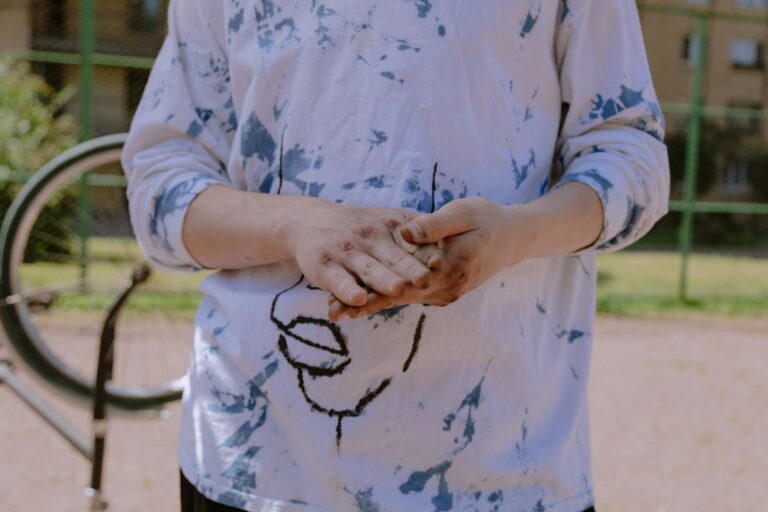
Managing gout in elderly patients requires a fundamentally different approach than in younger adults. The standard first-line treatments — NSAIDs and colchicine — are generally unsuitable for older patients due to kidney impairment, cardiovascular risk, and polypharmacy complications.
Instead, the primary tools for acute flares are corticosteroid injections for accessible joints and oral prednisolone for systemic treatment, while long-term control centers on low-dose allopurinol titrated carefully against kidney function. An 84-year-old patient with stage 3 chronic kidney disease and a swollen knee, for example, should receive an intra-articular steroid injection rather than a course of ibuprofen or colchicine — both of which carry real risks of serious harm at that age. This article covers how gout presents differently in older adults, why standard treatment algorithms often don’t apply, how to approach urate-lowering therapy safely over the long term, and what emerging evidence from 2025 says about improving outcomes in this population.
Table of Contents
- Why Does Gout in Elderly Patients Look Different From Classic Presentations?
- What Medications Are Safe for Treating Acute Gout Flares in Older Adults?
- How Should Urate-Lowering Therapy Be Started in Elderly Patients?
- How Do Comorbidities and Polypharmacy Complicate Gout Treatment in the Elderly?
- What Are the Risks of Under-Treatment and Delayed Diagnosis in Older Adults?
- What Role Does Diet and Lifestyle Play in Managing Gout in Older Adults?
- What Does the Future Hold for Gout Management in an Aging Population?
- Conclusion
- Frequently Asked Questions
Why Does Gout in Elderly Patients Look Different From Classic Presentations?
Gout is not a rare condition in older adults. Approximately 4.7 million Americans over the age of 60 have gout, and in adults over 80, prevalence reaches 11 to 13 percent. These are not incidental findings — gout in this group is a significant source of pain, hospitalization, and functional decline. Yet it is frequently mismanaged because clinicians apply treatment frameworks developed primarily for middle-aged men. The clinical picture in elderly patients differs in important ways.
While the classic presentation of gout is intense pain in the first metatarsophalangeal joint — the big toe — older patients more commonly develop flares at the knees, ankles, and wrists. They are also more likely to present with tophi, the chalky crystal deposits that form under the skin after years of uncontrolled hyperuricemia. Systemic upset during flares — fever, fatigue, confusion — tends to be more pronounced in older adults, which can lead to a gout flare being misidentified as infection or another acute illness. Women become increasingly vulnerable to gout after menopause. Estrogen normally promotes renal urate excretion, and when estrogen levels drop, uric acid accumulates more readily. This narrows the male-to-female ratio that characterizes gout in younger populations, and it means post-menopausal women on diuretics — a combination that is extremely common in older adults — carry a particularly elevated risk.

What Medications Are Safe for Treating Acute Gout Flares in Older Adults?
The 2020 ACR guidelines list NSAIDs, colchicine, and glucocorticoids as co-equal first-line options for acute gout flares. In practice, for elderly patients, this hierarchy collapses quickly. NSAIDs carry substantial gastrointestinal, renal, and cardiovascular risk in older adults, particularly those already on anticoagulants or antihypertensives. A single course of indomethacin in a patient with stage 2 CKD can precipitate acute kidney injury. Colchicine is similarly problematic. It is renally cleared, and in patients with impaired kidney function — which describes a large proportion of elderly gout patients — drug accumulation leads to gastrointestinal toxicity, neuromuscular toxicity, and potentially life-threatening interactions with statins and clarithromycin, both of which are commonly prescribed in this age group.
In practice, colchicine should generally be avoided in elderly patients or used only under very careful monitoring. That leaves glucocorticoids as the cornerstone of acute flare treatment in older adults. For a single accessible joint such as the knee or ankle, intra-articular corticosteroid injection is the treatment of choice — it delivers anti-inflammatory medication directly to the affected site, minimizes systemic exposure, and provides rapid relief. When the flare is polyarticular or the joint is not accessible, oral prednisolone is preferred. The tradeoff is real: even short courses of systemic steroids can worsen glycemic control in diabetic patients, which again describes a significant portion of the elderly gout population. That risk must be weighed against the alternatives, but for most patients, a brief course of prednisolone remains the safer option.
How Should Urate-Lowering Therapy Be Started in Elderly Patients?
Urate-lowering therapy (ULT) is the foundation of long-term gout management, but it is chronically underused in elderly patients. Many clinicians hesitate to start it in older adults due to concerns about polypharmacy, drug interactions, or the perception that gout is simply an expected part of aging. This hesitation has consequences — uncontrolled hyperuricemia leads to progressive tophus deposition, joint destruction, and recurrent flares. Allopurinol remains the agent of choice for most patients, including elderly ones. However, older adults face a higher risk of allopurinol hypersensitivity syndrome — a rare but potentially fatal reaction involving severe skin toxicity — so the “start-low, go-slow” strategy is not optional, it is obligatory.
Current recommendations call for starting at 50 to 100 mg on alternate days and titrating slowly based on creatinine clearance, with a maximum of 100 to 300 mg per day in patients with kidney impairment. This is a much lower starting dose than is used in younger adults. The treat-to-target approach applies to elderly patients just as it does to younger ones: the goal is a serum urate level at or below 5 to 6 mg/dL. Reaching that target safely in an elderly patient with CKD may take months of gradual dose adjustment. Critically, ULT initiation should be accompanied by three to six months of prophylactic anti-inflammatory therapy to prevent the mobilization flares that commonly occur as urate crystals begin to dissolve. In older adults, low-dose prednisolone is generally the safer prophylactic choice given the concerns about colchicine already discussed.

How Do Comorbidities and Polypharmacy Complicate Gout Treatment in the Elderly?
No aspect of gout management in elderly patients can be separated from their other conditions. CKD, cardiovascular disease, hypertension, type 2 diabetes, and heart failure are not rare exceptions — they are the norm. A 2025 review in Therapeutic Advances in Musculoskeletal Disease specifically highlighted polypharmacy challenges in older adults as a central obstacle to optimal gout management. Diuretics are among the most common culprits in elderly hyperuricemia. Thiazides and loop diuretics reduce renal urate excretion, and many elderly patients are on these agents indefinitely for blood pressure or heart failure.
When possible, switching from a thiazide to an alternative antihypertensive — losartan, for instance, which has mild uricosuric properties — can modestly reduce uric acid levels without adding another medication. However, this substitution is not always feasible given individual cardiovascular profiles. Drug interactions also constrain the ULT options available. Febuxostat, an alternative xanthine oxidase inhibitor, carries a black box warning for cardiovascular events and is generally avoided in patients with established cardiovascular disease — again, a population that substantially overlaps with elderly gout patients. That warning effectively limits febuxostat’s role in older adults and reinforces allopurinol’s position as the default agent. The comparison is clear: allopurinol has a better established safety record for elderly patients with cardiovascular disease, despite its own set of concerns around hypersensitivity and dose adjustment in CKD.
What Are the Risks of Under-Treatment and Delayed Diagnosis in Older Adults?
Gout is not just painful — when left uncontrolled, it is destructive. Tophi can erode bone and cartilage, leading to permanent joint deformity. In elderly patients, who may already have osteoarthritis or reduced physical reserve, this damage accumulates faster and has a more immediate impact on function. A patient who loses mobility due to tophaceous gout may face a cascade of consequences: falls, deconditioning, loss of independence, and increased dementia risk — all of which are concerns central to geriatric and brain health care. Delayed diagnosis is a genuine problem. The non-classic joint involvement in older adults, the blunted inflammatory response that sometimes accompanies advanced age, and the tendency to attribute joint pain to osteoarthritis all contribute to gout being missed or untreated for years.
By the time tophi are visible, substantial crystal burden has already accumulated. A warning worth emphasizing: the relative absence of dramatic redness or warmth in an elderly patient’s swollen joint does not rule out gout — in this population, the inflammatory response can be subdued even during a genuine flare. Under-treatment also reflects a broader therapeutic nihilism that sometimes affects care of elderly patients — a sense that aggressive management is not worth the risks. The data do not support this view. A 2025 pharmacist-led gout management model reported by Ingenta Connect showed meaningful improvements in ULT adherence and medication optimization when elderly patients received structured, ongoing support rather than intermittent acute-care management. This points to a systemic gap: gout in older adults tends to be managed reactively, at the time of flare, rather than proactively with long-term urate control as the stated goal.

What Role Does Diet and Lifestyle Play in Managing Gout in Older Adults?
Diet and lifestyle modification are secondary to pharmacological management in elderly gout patients, but they are not irrelevant. High-purine foods — organ meats, shellfish, red meat — contribute to uric acid load, and alcohol, particularly beer, both elevates uric acid production and reduces its renal clearance. For elderly patients who are able and willing to modify these habits, doing so can reduce flare frequency and support the effectiveness of ULT. However, overly restrictive dietary recommendations in older adults carry their own risks.
Protein is essential for muscle preservation and wound healing, and many elderly patients are already at risk of malnutrition or sarcopenia. A diet that eliminates red meat and most seafood in a frail 80-year-old may do more harm than good. The practical approach is targeted: reduce alcohol and the highest-purine foods, ensure adequate hydration to support urate excretion, and address metabolic contributors like obesity or hypertension as part of a broader care plan. Dietary counseling in this context should be realistic and individualized, not formulaic.
What Does the Future Hold for Gout Management in an Aging Population?
The scale of the coming challenge is significant. A 2025 analysis published in Frontiers in Public Health, drawing on Global Burden of Disease 2021 data, projects that the number of older adults with gout globally will increase by 8.5 million by 2050, driven largely by population aging. This is not a disease that is going away or being managed into obsolescence — it is becoming more prevalent as the proportion of the population over 65 grows.
The direction of recent research is encouraging. Pharmacist-led and multidisciplinary management models are gaining evidence support as a way to improve long-term outcomes in older patients who are difficult to manage within brief primary care encounters. Personalized approaches that account for renal function, cardiovascular risk, and polypharmacy at the time of each treatment decision — rather than applying a standardized protocol — represent the direction that 2025 evidence consistently points toward. For a condition this common in older adults, the stakes of getting the management right are high.
Conclusion
Gout in elderly patients is common, clinically distinct from its presentation in younger adults, and frequently undertreated. The cornerstones of management are intra-articular or systemic corticosteroids for acute flares — not NSAIDs or colchicine, which carry unacceptable risks in this population — and carefully titrated allopurinol for long-term urate reduction, using a start-low, go-slow approach calibrated to kidney function. The treat-to-target goal of serum urate at or below 5 to 6 mg/dL applies to older patients just as it does to younger ones, though reaching it requires more patience and more frequent monitoring.
Managing gout well in an elderly patient means accounting for their full medical picture: the diuretics contributing to hyperuricemia, the CKD limiting dosing options, the diabetes that makes prolonged steroid use risky, and the cognitive or functional status that affects adherence. It also means recognizing that failing to treat gout is not a safe default — it leads to joint destruction, loss of mobility, and compounding health consequences. With the global burden of gout in older adults projected to grow substantially by 2050, the clinical and systems-level investment in better managing this condition is both warranted and overdue.
Frequently Asked Questions
Are NSAIDs ever appropriate for gout flares in elderly patients?
Generally, no. NSAIDs carry significant gastrointestinal, renal, and cardiovascular risks in older adults, particularly those with existing kidney disease, heart failure, or who are taking anticoagulants. Corticosteroids — either intra-articular or oral prednisolone — are preferred in this age group.
Can colchicine be used at all in elderly gout patients?
Colchicine is generally avoided or used only with extreme caution. Because it is renally cleared, it accumulates in patients with kidney impairment and can cause serious toxicity, including neuromuscular and gastrointestinal complications. It also interacts with statins and certain antibiotics that many elderly patients are already taking.
When should urate-lowering therapy be started in an older patient?
ULT is typically recommended after a second confirmed flare, or sooner if tophi are present or there is significant joint damage. There is no age above which ULT becomes inappropriate — the risks of not treating progressive hyperuricemia are real and well-documented.
How low should the allopurinol starting dose be in an elderly patient with kidney disease?
Current guidance recommends starting at 50 to 100 mg on alternate days and titrating slowly based on creatinine clearance, with a ceiling of 100 to 300 mg per day in patients with CKD. This is considerably more conservative than dosing in patients with normal kidney function.
Does gout affect women in old age as much as men?
Yes. The male-to-female ratio narrows considerably in older adults. Post-menopausal women lose the uricosuric effect of estrogen, and many are also on diuretics for hypertension or heart failure — a combination that significantly raises gout risk. Gout in older women is often overlooked because it is still perceived as a predominantly male disease.
Can gout contribute to cognitive decline or dementia risk?
Directly, the evidence is not yet definitive. However, uncontrolled gout leads to mobility loss and reduced physical activity, both of which are established risk factors for cognitive decline. In the context of a brain health framework, controlling gout is part of a broader effort to maintain physical function, reduce systemic inflammation, and support healthy aging.