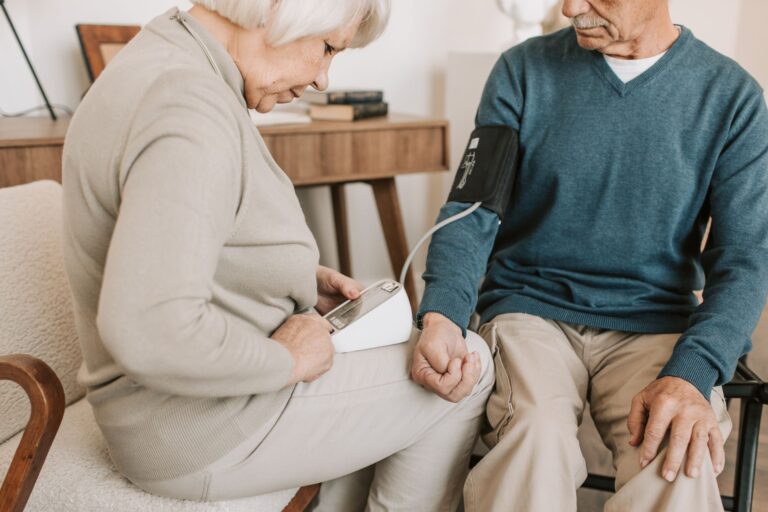
Older adults feel cold all the time because aging fundamentally alters the body’s ability to generate, detect, and retain heat. The changes are not imaginary or a matter of preference — they are rooted in measurable physiological decline. Metabolic rate slows, muscle mass decreases, the insulating layer of subcutaneous fat thins out, and the nerve fibers responsible for sensing temperature lose both density and conduction speed. The result is that a room that feels perfectly comfortable to a 35-year-old can feel genuinely chilly to a 75-year-old in the same house, wearing the same sweater.
A large study of 18,630 individuals confirmed a statistically significant association between increasing age and lower body temperature, lending hard numbers to what caregivers and family members observe every day. Beyond the baseline physiology, several medical conditions common in older adults — hypothyroidism, anemia, diabetes, peripheral artery disease, and chronic kidney disease — can dramatically worsen cold sensitivity. Certain medications, including beta blockers and sedatives, also contribute. This article covers the core biology of why aging bodies lose heat more easily, which medical conditions to watch for, when persistent coldness signals something that warrants a doctor’s visit, and what practical steps caregivers and older adults can take to stay safe. Hypothermia is a real and disproportionate threat for this age group, and understanding why older adults feel cold is the first step toward managing it intelligently.
Table of Contents
- How Does the Aging Body Lose Its Ability to Regulate Temperature?
- What Role Do Body Composition Changes Play in Feeling Cold?
- Which Medical Conditions Make Older Adults Feel Even Colder?
- Do Medications Contribute to Cold Sensitivity in Older Adults?
- When Is Feeling Cold a Sign of Something Dangerous?
- What Can Caregivers and Older Adults Do to Stay Warm Safely?
- The Connection Between Cold Sensitivity, Brain Health, and Aging
- Conclusion
- Frequently Asked Questions
How Does the Aging Body Lose Its Ability to Regulate Temperature?
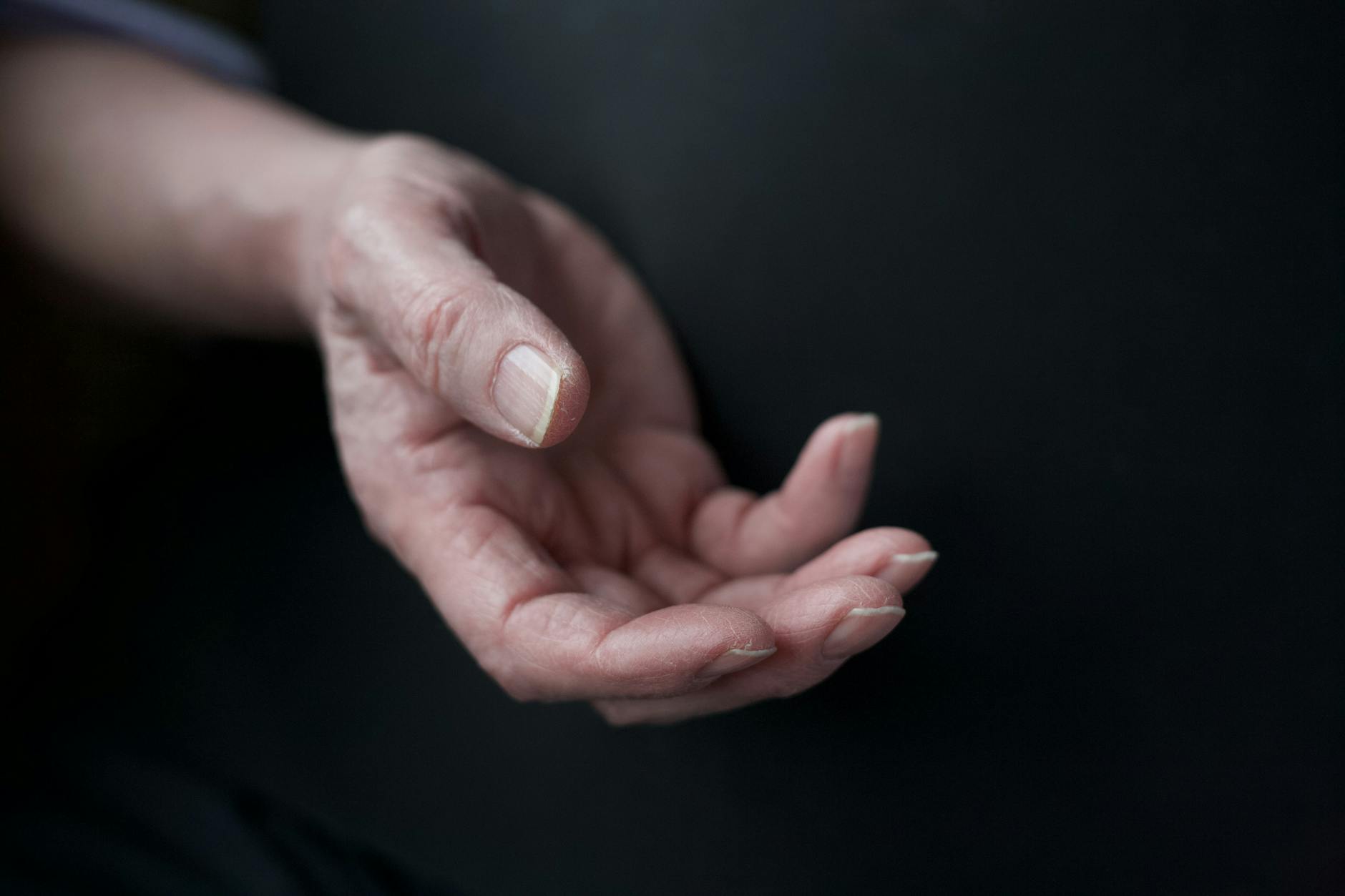
The body’s thermoregulatory system depends on a chain of components working in concert: thermoreceptors in the skin detect temperature changes, nerve fibers relay that signal to the brain, and the brain coordinates responses like shivering, sweating, or adjusting blood flow to the skin. Each link in that chain degrades with age. Research published in peer-reviewed literature confirms that aging causes a progressive decrease in thermal perception, with increased thermal detection thresholds — meaning the threshold at which an older person actually notices cold is higher than in a younger person. The decline is more pronounced in the limbs than the torso, which helps explain why cold hands and feet are among the most common complaints in older adults even when their core temperature is relatively normal. Thermoreceptor density in the skin falls with age, and superficial skin blood flow decreases alongside it. Peripheral nerve fiber loss and reduced nerve conduction velocity further blunt the signal.
An important and somewhat counterintuitive finding from the research is that older adults are less sensitive to cold environments than to warm ones — the decrements in cold perception are actually greater than those for heat perception. This asymmetry matters clinically: an older adult may not register that a room is dangerously cold until the situation is already a problem, whereas they are somewhat more likely to notice and respond to heat. For caregivers setting thermostats or choosing clothing for older relatives, this asymmetry means erring on the warmer side is the safer default, not a matter of indulgence. Older males face a particular challenge. Research from the Journal of Applied Physiology found that aging men show impaired cold-defense mechanisms specifically — a smaller rise in metabolic heat production during cold exposure and a less responsive cutaneous vasoconstrictor response. In practical terms, their bodies are slower to redirect blood away from the skin surface and slower to ramp up internal heat generation when temperatures drop. This does not mean older women are unaffected — they are not — but the data suggests men’s cold-defense physiology may be especially compromised.
What Role Do Body Composition Changes Play in Feeling Cold?
Two age-related changes in body composition directly reduce the body’s capacity to stay warm: loss of subcutaneous fat and loss of muscle mass. Subcutaneous fat — the layer of fat directly beneath the skin — acts as insulation. As people age, this layer thins, and the body’s ability to trap and retain heat diminishes. This is not about being underweight in a clinical sense; even older adults at a healthy body weight experience this shift in fat distribution and density. The insulating function simply becomes less efficient over time. Muscle mass declines with age in a process called sarcopenia, and this matters for thermoregulation because muscle is metabolically active — it generates heat.
Resting muscle produces heat as a byproduct of normal cellular activity, and active muscle generates substantially more. An 80-year-old who has lost significant muscle mass over decades will generate meaningfully less internal heat than they did at 50, even sitting still. This is compounded by the slower overall metabolic rate that comes with aging: older adults generate less internal body heat at rest than younger adults do. Taken together, less insulation and a cooler-running engine create a body that is genuinely less capable of self-warming. However, if an older adult reports a sudden or marked increase in cold sensitivity — particularly accompanied by unexplained weight gain, fatigue, constipation, or hair thinning — this goes beyond the gradual changes of normal aging and may indicate hypothyroidism, an underactive thyroid that further impairs the body’s ability to generate and distribute warmth. Hypothyroidism is common in older adults and is frequently underdiagnosed because its symptoms overlap with what many assume are simply signs of getting older. In that situation, body composition changes alone do not account for what the person is experiencing, and a thyroid panel is warranted.
Which Medical Conditions Make Older Adults Feel Even Colder?
Several conditions that become more prevalent with age directly worsen cold sensitivity, and distinguishing them from the baseline physiology of aging matters because most are treatable. Hypothyroidism tops the list: thyroid hormone regulates metabolic rate, and when thyroid function is low, the body runs colder and slower across the board. Anemia is another significant contributor — when red blood cell counts are low, oxygen delivery to tissues is impaired, and with it, the heat those tissues would otherwise generate. An older adult with iron-deficiency or B12-deficiency anemia will often report persistent coldness, particularly in the hands and feet, that responds well to treatment of the underlying deficiency. Diabetes creates a double burden. It causes poor circulation and, over time, peripheral neuropathy — damage to the temperature-sensing nerves in the hands and feet. A person with long-standing diabetic neuropathy may not only feel cold in the extremities but may be unable to accurately sense temperature at all, creating a safety risk for burns or frostbite.
Peripheral artery disease (PAD) and cardiovascular disease impair blood flow to the extremities directly: when circulation to the limbs is reduced, the body prioritizes blood flow to protect the heart and brain, leaving the hands and feet chronically cold. PAD-related coldness in one leg or foot — especially if accompanied by pain during walking or a wound that won’t heal — is a specific warning sign that should prompt immediate medical evaluation. Chronic kidney disease adds another mechanism. When kidney function is impaired, metabolic waste products accumulate in the bloodstream, and this buildup can lower core body temperature. Older adults with kidney disease often report feeling cold as one of several systemic symptoms. The key takeaway for caregivers is that while some degree of cold sensitivity is a normal part of aging, coldness that is severe, sudden, or localized to one limb is a red flag. Any cold sensitivity accompanied by fatigue, unexpected weight changes, hair loss, or slow wound healing warrants a medical workup rather than just an extra blanket.

Do Medications Contribute to Cold Sensitivity in Older Adults?
Polypharmacy — the use of multiple prescription medications simultaneously — is common in older adults, and several drug classes list increased cold sensitivity as a side effect. Beta blockers, widely prescribed for heart conditions and high blood pressure, reduce heart rate and can decrease circulation to the extremities, making the hands and feet feel colder. Blood thinners affect how blood moves through small vessels near the skin. Sedatives slow overall metabolic activity, reducing internal heat generation. Strong opioid pain medications share a similar effect on metabolic rate and circulation. The tradeoff here is not simple.
These medications are often essential — a person managing heart failure with beta blockers cannot simply stop taking them because they feel cold. The practical approach is to flag persistent cold sensitivity to the prescribing physician, who may be able to adjust the dose, switch to an alternative with fewer thermoregulatory effects, or at minimum confirm that the coldness is medication-related and not a sign of a new underlying condition. Caregivers should include a complete medication list when discussing cold sensitivity with a doctor, because the interaction between multiple drugs can amplify the effect beyond what any single medication would cause alone. Comparing drug classes is useful for context. Beta blockers tend to produce more pronounced peripheral cold effects than most blood pressure medications in other categories. Sedatives are particularly relevant in dementia care settings where sleep aids or anti-anxiety medications are commonly used — caregivers in those environments should be especially alert to increased cold complaints after medication changes. Monitoring body temperature and room temperature becomes more important, not less, when a new medication that affects circulation or metabolism is introduced.
When Is Feeling Cold a Sign of Something Dangerous?
The most serious consequence of impaired thermoregulation in older adults is hypothermia — a drop in core body temperature below 95°F (35°C). Research on cold exposure in older humans confirms that hypothermia is a significantly greater threat for older adults than younger people, precisely because of the impaired thermoregulatory mechanisms described above. Epidemiological data shows excess winter mortality is disproportionately concentrated in older age groups. The danger is not limited to outdoor exposure in extreme cold; older adults can develop hypothermia indoors at temperatures that younger adults would find merely uncomfortable. The warning signs of hypothermia are not always obvious and can be mistaken for other conditions. Shivering may be absent in older adults even as core temperature drops — this is itself a sign of impaired cold defense, not a sign that the person is warm enough.
Confusion, slurred speech, difficulty moving, and extreme fatigue can all signal hypothermia in an older adult, and in the context of dementia, these symptoms may be especially hard to distinguish from the baseline cognitive state. A thermometer check — rectal or ear temperature is more reliable than oral in suspected hypothermia — is the only way to confirm. Caregivers should never assume an older adult with dementia is simply having a “bad day” without ruling out environmental causes including cold. A critical limitation applies here: not every complaint of coldness requires an emergency response. The baseline physiology of aging means that mild, chronic cold sensitivity in an older adult without other symptoms is often simply part of growing older. The red flags that elevate the concern are coldness that is new, worsening, or localized; coldness accompanied by systemic symptoms like fatigue, weight change, or cognitive changes; or coldness combined with skin changes like mottling, pallor, or wounds that do not heal. In those cases, evaluation for hypothyroidism, anemia, PAD, diabetes complications, or kidney disease is appropriate and important.
What Can Caregivers and Older Adults Do to Stay Warm Safely?
Practical strategies for managing cold sensitivity in older adults center on layering, environment control, and nutrition. Layering thin, insulating garments is more effective than a single heavy item because trapped air between layers provides better insulation than bulk alone. Wool and fleece retain warmth even when damp, unlike cotton. For older adults with circulation problems or neuropathy, electric blankets and heating pads carry a burn risk — sensation may be impaired enough that dangerous temperatures go unnoticed.
Warm drinks, regular meals, and physical activity that preserves muscle mass all contribute to internal heat generation and are safer alternatives for maintaining warmth throughout the day. Room temperature matters more than many families realize. The National Institute on Aging recommends that older adults keep their homes heated to at least 68°F (20°C), but for those with significant thermoregulatory impairment, 70°F or higher may be more appropriate. Caregivers managing dementia households should check room temperatures directly rather than relying on the older adult’s self-report, precisely because impaired thermal perception means their comfort level is not a reliable guide to whether the environment is actually safe.
The Connection Between Cold Sensitivity, Brain Health, and Aging
The relationship between thermoregulation and brain health runs in both directions. Dementia and other neurodegenerative conditions can impair the brain’s hypothalamic thermostat, making temperature regulation even less reliable as cognitive decline progresses. At the same time, research suggests that maintaining adequate warmth supports cognitive function — cold stress activates physiological responses that divert resources away from normal brain activity.
For dementia caregivers specifically, monitoring environmental temperature and clothing is not just a comfort issue but a component of overall care quality. Looking forward, the growing understanding of how aging affects thermoregulation is likely to influence clinical guidelines, building standards for elder care facilities, and the design of clothing and wearable technology for older adults. Body temperature monitoring is increasingly being explored as a passive, non-invasive health indicator — devices that track skin temperature trends could eventually alert caregivers to early changes in health status before symptoms become acute. The physiology of staying warm in old age is not a minor quality-of-life footnote; it is a window into how the aging body manages energy, circulation, and neurological function across every system.
Conclusion
Older adults feel cold all the time because aging systematically dismantles the body’s heat-generating and heat-retaining mechanisms. Metabolic rate slows, muscle and fat insulation diminish, thermoreceptors become less sensitive, and nerve conduction slows — all before factoring in the medical conditions and medications that can compound the problem significantly. The research is clear that this is a genuine physiological reality, not a preference or a complaint to be dismissed, and that it carries real safety implications, particularly for hypothermia risk in winter months.
For caregivers, the practical priorities are maintaining warm environments, watching for red flag symptoms that suggest an underlying medical cause, reviewing medications with prescribing physicians, and never using an older adult’s self-reported comfort as the sole guide to whether they are warm enough. For older adults themselves, understanding that cold sensitivity is a normal part of aging — while knowing when it signals something more — is genuinely useful health literacy. Persistent, severe, sudden, or localized coldness always warrants a medical conversation. The rest calls for layers, warm drinks, and a thermostat set a few degrees higher than you think you need.
Frequently Asked Questions
Is it normal for older adults to always feel cold?
Yes, to a degree. Physiological changes including slower metabolism, reduced muscle mass, less subcutaneous fat, and declining thermoreceptor sensitivity all make older adults feel colder than younger people in the same environment. A large study of 18,630 individuals confirmed that body temperature tends to decrease with age. That said, coldness that is severe, sudden, or accompanies other symptoms like fatigue or weight change should be evaluated medically.
What medical conditions cause older adults to feel cold?
Hypothyroidism, anemia, diabetes (through both poor circulation and nerve damage), peripheral artery disease, and chronic kidney disease are the most common medical causes of worsened cold sensitivity in older adults. These conditions are all treatable, and addressing them often improves cold tolerance significantly.
Can medications make older adults feel cold?
Yes. Beta blockers, blood thinners, sedatives, and strong opioid pain medications all list increased cold sensitivity as a side effect. Caregivers should bring a complete medication list to any medical appointment where cold sensitivity is being discussed.
How cold is too cold for an older adult’s home?
The National Institute on Aging recommends a minimum of 68°F (20°C), but for older adults with significant thermoregulatory impairment, 70°F or above is often safer. Room temperature should be monitored directly, since impaired thermal perception means an older adult may not reliably report feeling cold even in a dangerously cool environment.
What are the warning signs of hypothermia in older adults?
Unlike younger people, older adults may not shiver even as their core temperature drops. Warning signs include confusion, slurred speech, unusual fatigue, difficulty moving, and cold or mottled skin. Suspected hypothermia should be confirmed with a thermometer — ear or rectal readings are more reliable than oral in this situation.
Does feeling cold have anything to do with dementia?
Yes. Dementia and other neurodegenerative conditions can impair the brain’s hypothalamic thermostat, making temperature regulation even less reliable as cognitive decline progresses. For dementia caregivers, room temperature and appropriate clothing are important components of daily care, not just comfort considerations.
You Might Also Like
- Can reducing screen time improve brain health in older adults
- Why do older adults bruise more easily and when to worry
- What are the signs of dehydration in older adults
For more, see Alzheimer’s Association — medical tests.