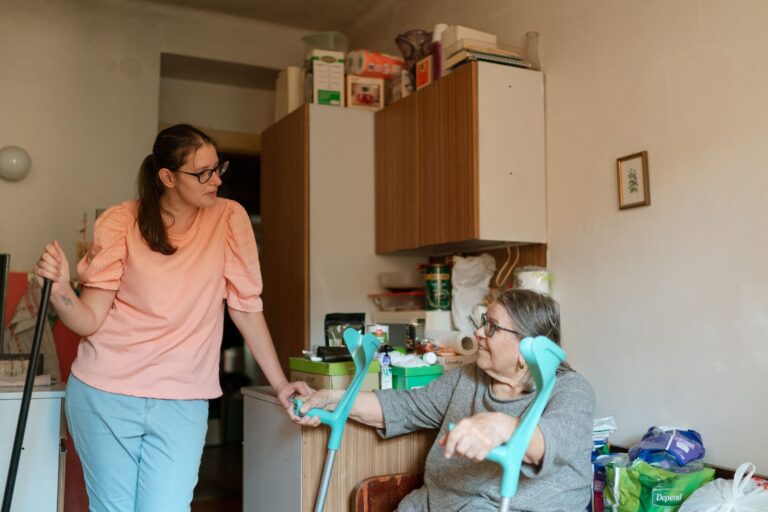
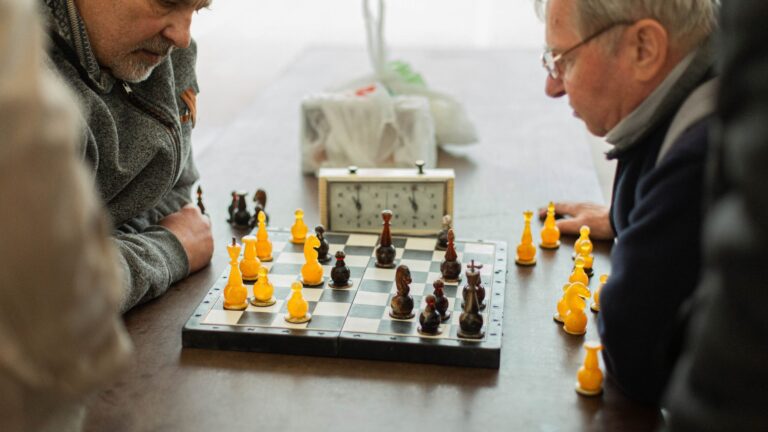
Best reminiscence sits at the center of this dementia and brain health question.
The best reminiscence therapy techniques for dementia include photo and memory box prompts, music from a person’s formative years, structured life review conversations, multisensory stimulation, and increasingly, digital and virtual reality tools. Each approach works by activating long-term autobiographical memory, which tends to be more resilient to dementia-related damage than short-term recall. For example, an 82-year-old woman who can no longer remember what she ate for breakfast may still light up and speak at length when shown a photograph of her wedding day or when she hears a song she danced to in her twenties.
The right technique depends on the individual’s history, preferences, and the severity of their cognitive decline. This article covers all seven major evidence-based techniques, what the research actually shows about their effectiveness, how to choose between group and individual formats, and where emerging technology is taking the field. It draws on a 2025 network meta-analysis of 53 randomized controlled trials, Cochrane reviews, and clinical guidance from the British Psychological Society and NICE.
Table of Contents
- What Is Reminiscence Therapy and Why Does It Work for Dementia?
- Photo and Memory Box Prompts — The Most Widely Used Technique
- Music Therapy and the Reminiscence Bump
- Life Review and Structured Oral History — When a Deeper Approach Is Needed
- Multisensory Stimulation — Engaging More Than Memory
- Group vs. Individual Format — What the Evidence Says About Delivery
- Digital and VR Reminiscence Therapy — Where the Field Is Heading
- Conclusion
- Frequently Asked Questions
What Is Reminiscence Therapy and Why Does It Work for Dementia?
Reminiscence therapy is a non-pharmacological, psychosocial intervention that uses sensory cues and structured prompts to help people with dementia recall and reflect on past experiences. Unlike quizzing someone on recent events — an exercise they are likely to fail — reminiscence therapy draws on the brain’s long-term autobiographical memory, which tends to survive longer into the dementia process. The British Psychological Society, NICE, and the Royal College of Psychiatrists all recommend it as part of dementia care. The theoretical foundation is straightforward: dementia does not erase all memory equally. Episodic memories from a person’s past, particularly emotionally significant ones, are encoded in brain regions that may be less affected in the early and middle stages of the disease.
Engaging those memories through triggers — a photograph, a familiar smell, a song — can reconnect a person with their sense of self and produce measurable emotional and cognitive benefits. The evidence base has grown substantially. A Cochrane review examined 22 studies involving 1,972 participants and found that 16 of those studies showed statistically significant improvements in communication, interaction, and mood following reminiscence therapy. A separate 2022 meta-analysis of 29 studies and 3,102 participants found that the therapy increased cognitive function and quality of life while decreasing depression and neuropsychiatric symptoms. These are not trivial effects in a condition where pharmacological options remain limited.

Photo and Memory Box Prompts — The Most Widely Used Technique
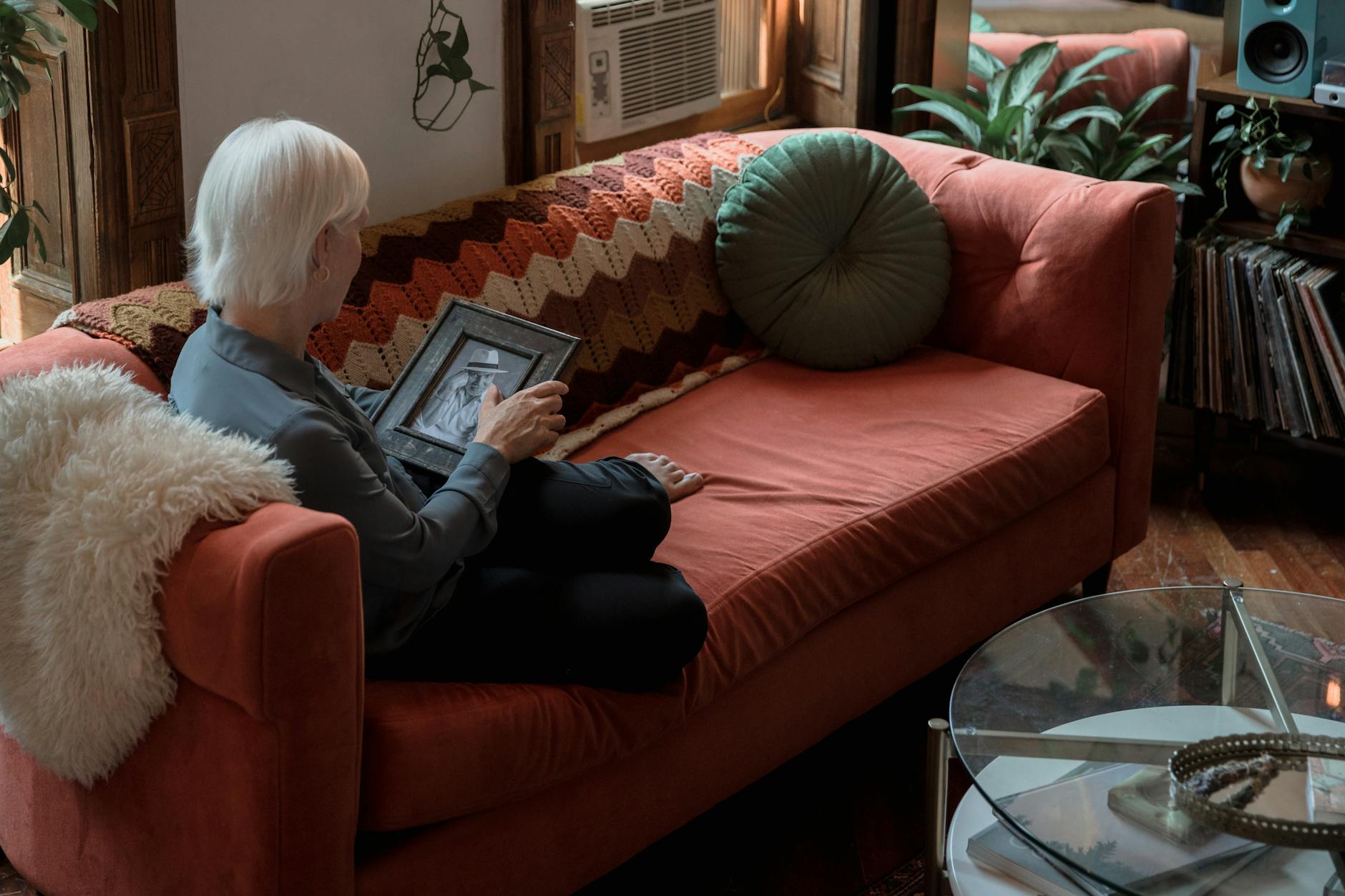
The most foundational and widely practiced reminiscence therapy technique involves using photographs, personal objects, and keepsakes to open conversations about a person’s past. A memory box might contain a worn recipe card, a postcard from a childhood holiday, a military service medal, or a small toy that belonged to the person’s children. Each item becomes a doorway to a story, and the act of storytelling itself carries therapeutic value — it reinforces identity and produces moments of genuine connection between the person with dementia and their caregiver or therapist. The Alzheimer’s Association recommends this approach for both professional settings and home caregiving, and it is one of the few techniques that requires no specialized equipment and can be adapted for any cultural or personal background.
A family member sitting with a loved one and a shoebox of old photographs is, in essence, doing reminiscence therapy. The structure need not be clinical to be effective. However, this technique carries one important limitation: it assumes access to a reasonably intact personal archive, and it requires someone — a family member, a caregiver, or the person themselves before cognitive decline progressed — to have gathered and organized those materials. For individuals who are socially isolated, estranged from family, or who lack surviving photographs or mementos, building a memory box from scratch can be difficult. In institutional settings, staff may also lack the biographical knowledge needed to use prompts effectively, which is one reason structured life review assessments are increasingly used to document key memories early in a person’s care.
Music Therapy and the Reminiscence Bump
Music occupies a unique position in reminiscence therapy because it reaches brain regions that dementia often spares until relatively late in the disease process. Songs from a person’s adolescence and early adulthood — roughly ages 15 to 25 — tend to produce the strongest memory responses. This phenomenon is known as the “reminiscence bump,” and it reflects the way emotionally charged, identity-forming experiences during those years are encoded more deeply than memories formed at other life stages. In practice, this means that a playlist built around a person’s teens and twenties is likely to be more effective than one drawn from their middle age or later years. A man who grew up in the 1950s may respond strongly to early rock and roll or big band jazz. A woman who came of age in the late 1960s may reconnect with folk or Motown.
The specificity matters. Generic background music is far less likely to produce the engaged, autobiographical response that makes music therapy therapeutically meaningful. Music therapy in dementia care is not simply about playing records. Skilled practitioners use music as a prompt for conversation, movement, and emotional expression. Singing along, which can persist in people who have lost most of their spoken language, appears to engage neural pathways separately from verbal communication. The combination of music with other sensory prompts — images, familiar scents — can amplify the effect.
Life Review and Structured Oral History — When a Deeper Approach Is Needed
Life review is a more structured form of reminiscence therapy that involves a chronological exploration of a person’s life, including both positive experiences and difficult ones. Unlike general reminiscence, which tends to focus on pleasant memories and immediate emotional comfort, life review is designed to help a person achieve a sense of coherence and meaning across their life as a whole. It is most often conducted one-on-one by a trained therapist rather than in a group setting. The tradeoff is meaningful. Life review can produce deeper psychological benefit, particularly for people who are struggling with unresolved grief, regret, or identity disruption as a result of their diagnosis.
But it also requires more clinical skill to navigate safely. Exploring difficult memories — a lost child, a painful divorce, wartime trauma — can surface distress that needs to be managed carefully. For this reason, life review is generally more appropriate for individuals in the earlier stages of dementia who retain sufficient cognitive capacity to engage reflectively, and it should ideally be conducted by someone with training in both dementia care and psychological support. For family caregivers, a lighter version of this approach can still be valuable. Simply asking a person with dementia to walk through their life decade by decade — where they grew up, what school was like, how they met their partner, what jobs they held — creates an oral history that serves both therapeutic and practical purposes. Recording these conversations preserves biographical information that can later be used to inform care, personalize interventions, and help staff understand the person behind the diagnosis.
Multisensory Stimulation — Engaging More Than Memory
Multisensory reminiscence therapy expands beyond photographs and conversation to engage all five senses simultaneously. This might involve the scent of a familiar food or perfume, the taste of a family recipe, the texture of fabric from a particular era, and visual prompts combined within a single session. The rationale is that sensory memory is robust in dementia, and layering sensory inputs increases the likelihood of triggering an autobiographical response. A practical example: a session built around a person’s wartime childhood might include the smell of bread baking, a photograph of a family kitchen, the texture of a wool blanket, and a recording of a wartime radio broadcast. Each element reinforces the others, and the combined effect is often more powerful than any single prompt alone.
This approach is used in dementia care settings under names like Snoezelen or multisensory environments, though the evidence base for controlled sensory environments is more mixed than for structured reminiscence. One important warning: multisensory approaches can occasionally surface traumatic memories unexpectedly. Scent in particular is strongly linked to emotional memory and can trigger intense, involuntary recall — which may be distressing if the associated memories are negative. Caregivers and therapists using this technique should be attentive to signs of agitation or distress and be prepared to redirect. This is less likely to be a problem in general reminiscence sessions focused on positive biographical content, but it is worth noting for anyone working with individuals who have histories of trauma or loss.

Group vs. Individual Format — What the Evidence Says About Delivery
The question of whether reminiscence therapy should be delivered in a group or individual format is not merely a logistical one — the evidence suggests that format genuinely affects outcomes. A 2025 network meta-analysis of 53 randomized controlled trials involving 4,582 participants found that different formats produced different kinds of benefit. Group sessions were associated with higher adherence and social engagement, which matters for people with dementia who are at risk of isolation. Individual sessions produced the strongest improvements in quality of life. Digital delivery formats ranked highest for cognitive outcomes and reduction of depressive symptoms.
These findings suggest that the best approach depends on what outcome matters most for a particular person at a particular time. For someone who is socially withdrawn and showing early signs of depression, a group session may provide the social connection they need. For someone whose primary concern is maintaining cognitive function and mood stability, digital reminiscence tools may be the most effective option. For someone in moderate to late-stage dementia for whom quality of life and comfort are the primary goals, structured individual sessions may offer the most benefit. Choosing a format without considering these differences means leaving potential therapeutic value on the table.
Digital and VR Reminiscence Therapy — Where the Field Is Heading
Digital reminiscence therapy uses tablets, mobile apps, voice assistants, and multimedia content — combining photographs, audio, and video — to deliver structured sessions. The 2025 network meta-analysis that identified digital formats as most effective for cognitive outcomes reflects a growing body of evidence that technology-mediated reminiscence can be both feasible and clinically meaningful in dementia care. Tools like these can also be standardized and scaled in ways that traditional face-to-face therapy cannot, which matters in care settings where trained staff time is limited. Virtual reality is at the frontier.
Immersive VR systems allow people with dementia to “visit” environments from their past — a childhood neighborhood, a former workplace, a seaside town. A 2025 scoping review published in JMIR XR and Spatial Computing confirmed that VR reminiscence is feasible and well-accepted in dementia care, with demonstrated improvements in mood, reminiscence, and social interaction. Looking further ahead, researchers are now developing AI-assisted tools designed to support therapists in real time. A 2026 preprint describing a system called “Rememo” outlines an AI-in-the-loop tool for dementia reminiscence sessions, reflecting a trajectory in which technology will increasingly augment — rather than replace — human-led care.
Conclusion
The best reminiscence therapy techniques for dementia are not one-size-fits-all. Photo and memory box prompts, music tied to the reminiscence bump, structured life review, multisensory stimulation, and digital or VR-based delivery each have distinct strengths, and the evidence increasingly points to matching format and technique to individual needs and goals. A Cochrane review of nearly 2,000 participants and a 2022 meta-analysis of over 3,000 participants both confirm statistically significant benefits across communication, mood, cognition, and quality of life — making reminiscence therapy one of the most evidence-supported non-pharmacological interventions available in dementia care today.
For families and caregivers, the practical starting point is simple: gather photographs, ask questions, and listen. No specialized equipment is required to begin. As needs become more complex or care moves into professional settings, structured life review, group sessions, and digital tools become increasingly relevant options. The field is moving quickly, and within the next several years, AI-assisted platforms and immersive VR environments are likely to become routine components of dementia care — but the core of the therapy will remain what it has always been: giving a person with dementia the opportunity to tell their story and be heard.
Frequently Asked Questions
At what stage of dementia is reminiscence therapy most effective?
Reminiscence therapy is used across all stages of dementia, but the format should be adjusted to match cognitive capacity. Structured life review and digital tools tend to be most appropriate in early to middle stages. In later stages, simpler sensory prompts — music, familiar scents, tactile objects — are often more effective than conversation-based approaches.
Can family members carry out reminiscence therapy at home, or does it require a professional?
Family members can and do practice informal reminiscence therapy at home using photographs, music, and familiar objects. Professional therapists are most valuable for structured life review, when a person has a history of trauma that could surface during sessions, or when clinical outcomes are being measured. For day-to-day engagement and emotional connection, family-led reminiscence is appropriate and beneficial.
How is reminiscence therapy different from simply talking about the past?
Reminiscence therapy is distinguished by the use of deliberate sensory prompts, a structured approach to drawing out autobiographical memory, and an explicit therapeutic intention. Casual conversation about the past can be beneficial, but clinical reminiscence therapy involves planned sessions, chosen materials, and often a trained facilitator who knows how to guide the conversation and respond to emotional reactions.
Does reminiscence therapy slow the progression of dementia?
Current evidence does not support the claim that reminiscence therapy slows the neurological progression of dementia. What the evidence does show — across multiple meta-analyses — is that it can improve cognitive function scores, reduce depression and neuropsychiatric symptoms, and increase quality of life within the existing disease trajectory. These are meaningful benefits even without a disease-modifying effect.
What music should I use for reminiscence therapy?
The most effective music for reminiscence therapy is drawn from the person’s teens and early twenties — the period covered by the “reminiscence bump.” Ask family members about the music that was important to the person during that period, or explore what was popular during those years in the person’s culture. Personally meaningful music consistently outperforms generic or era-appropriate music chosen without individual input.
Are there any risks or downsides to reminiscence therapy?
Reminiscence therapy is generally considered safe, but it carries a small risk of surfacing painful or traumatic memories, particularly in life review formats or when multisensory prompts are used. Caregivers and therapists should be prepared to redirect if distress emerges. Group formats also require sensitivity to the fact that different participants may have very different emotional responses to the same prompts.
You Might Also Like
- What are the best communication techniques for late stage dementia
- What are the legal documents every dementia family needs
- What are the financial planning steps after a dementia diagnosis
For more, see National Institute on Aging.