The best smoothie recipes for brain health combine blueberries, leafy greens like spinach or kale, omega-3-rich seeds or walnuts, and a protein source such as Greek yogurt or protein powder. These ingredients work together to address the core mechanisms behind cognitive decline: oxidative stress, inflammation, poor neurotransmitter function, and reduced blood flow to the brain. A well-constructed smoothie can deliver a meaningful concentration of these nutrients in a single glass, making it a practical daily habit for anyone focused on long-term brain health.
A simple example is the Green Brain Smoothie — blueberries, walnuts, spinach, nut milk, a drizzle of olive oil, and protein powder. Each ingredient earns its place: blueberries provide antioxidants that counteract oxidative stress linked to cognitive decline, walnuts supply DHA to support neuron communication, spinach contributes vitamin K and folate, and protein powder supports neurotransmitter production. This article covers the science behind these ingredients, three complete recipes you can make today, and important considerations about who benefits most and where the limitations lie.
Table of Contents
- What Ingredients Are Most Supported by Research for Brain-Healthy Smoothies?
- How Do Smoothies Support Brain Function Differently Than Other Foods?
- The Three Best Brain Health Smoothie Recipes
- How to Build Your Own Brain-Healthy Smoothie Formula
- Limitations and Realistic Expectations
- Adapting Smoothies for Older Adults and Those With Dementia
- The Broader Dietary Pattern Behind Brain Health
- Conclusion
- Frequently Asked Questions
What Ingredients Are Most Supported by Research for Brain-Healthy Smoothies?
The brain is largely composed of fat, and the quality of that fat matters. DHA and EPA — the omega-3 fatty acids found in fatty fish, but also in plant sources like walnuts, chia seeds, flaxseeds, and hemp hearts — are integral to membrane fluidity and neuron communication. When the brain’s cell membranes lack adequate DHA, signaling between neurons becomes less efficient. Walnuts in particular are one of the richest plant-based sources of DHA, and studies suggest regular consumption may improve cognitive performance and delay the onset of cognitive decline. Berries, especially blueberries, are among the most studied foods for brain health. They contain numerous phytochemicals with neuroprotective effects on neurodegenerative diseases, acting largely through their antioxidant capacity.
Oxidative stress — the accumulation of reactive molecules that damage cells — is a well-established contributor to cognitive aging, and the antioxidants in blueberries help neutralize that damage. Leafy greens like spinach and kale add vitamin K, folate, and beta carotene, all of which are linked to slowing cognitive decline, and they blend into smoothies without dominating the flavor profile. Cocoa powder rounds out the list as one of the richest sources of antioxidants available, with research showing it can increase blood flow to the brain. Magnesium, found in spinach, chia seeds, and avocado, regulates neurotransmitter release and supports learning and brain plasticity. These ingredients are not speculative additions. Each has a documented mechanism connecting it to brain function, which is what distinguishes them from general “superfoods” that lack rigorous study.
How Do Smoothies Support Brain Function Differently Than Other Foods?
Smoothies offer a delivery advantage over whole foods in certain contexts. Blending breaks down cell walls in leafy greens, which can make nutrients like folate and beta carotene more bioavailable. For older adults who may have reduced appetite or chewing difficulties — a real concern in dementia care settings — a smoothie can deliver a substantial nutritional payload without requiring a large meal. The combination effect also matters: consuming omega-3s alongside fat-soluble nutrients like beta carotene (found in spinach) in the same drink enhances absorption of the fat-soluble components. However, smoothies are not a substitute for a varied diet.
The research supporting these ingredients comes primarily from dietary pattern studies and individual nutrient studies, not from smoothie-specific clinical trials. The benefit comes from consistent, long-term intake as part of a broader dietary pattern rich in antioxidants, omega-3 fatty acids, and B vitamins — not from any single drink. If someone is otherwise eating a diet high in processed foods, ultra-refined carbohydrates, and added sugars, a daily smoothie is unlikely to meaningfully offset that pattern. There is also a caution worth raising around added sugars. Many commercial smoothies — and home recipes built around fruit juice, flavored yogurt, or sweetened protein powders — can carry significant sugar loads that may counteract some of the cognitive benefits. Keeping the liquid base as unsweetened almond milk, oat milk, or plain water, and relying on whole fruit (not juice) for sweetness, keeps the nutritional profile aligned with what the research actually supports.
The Three Best Brain Health Smoothie Recipes
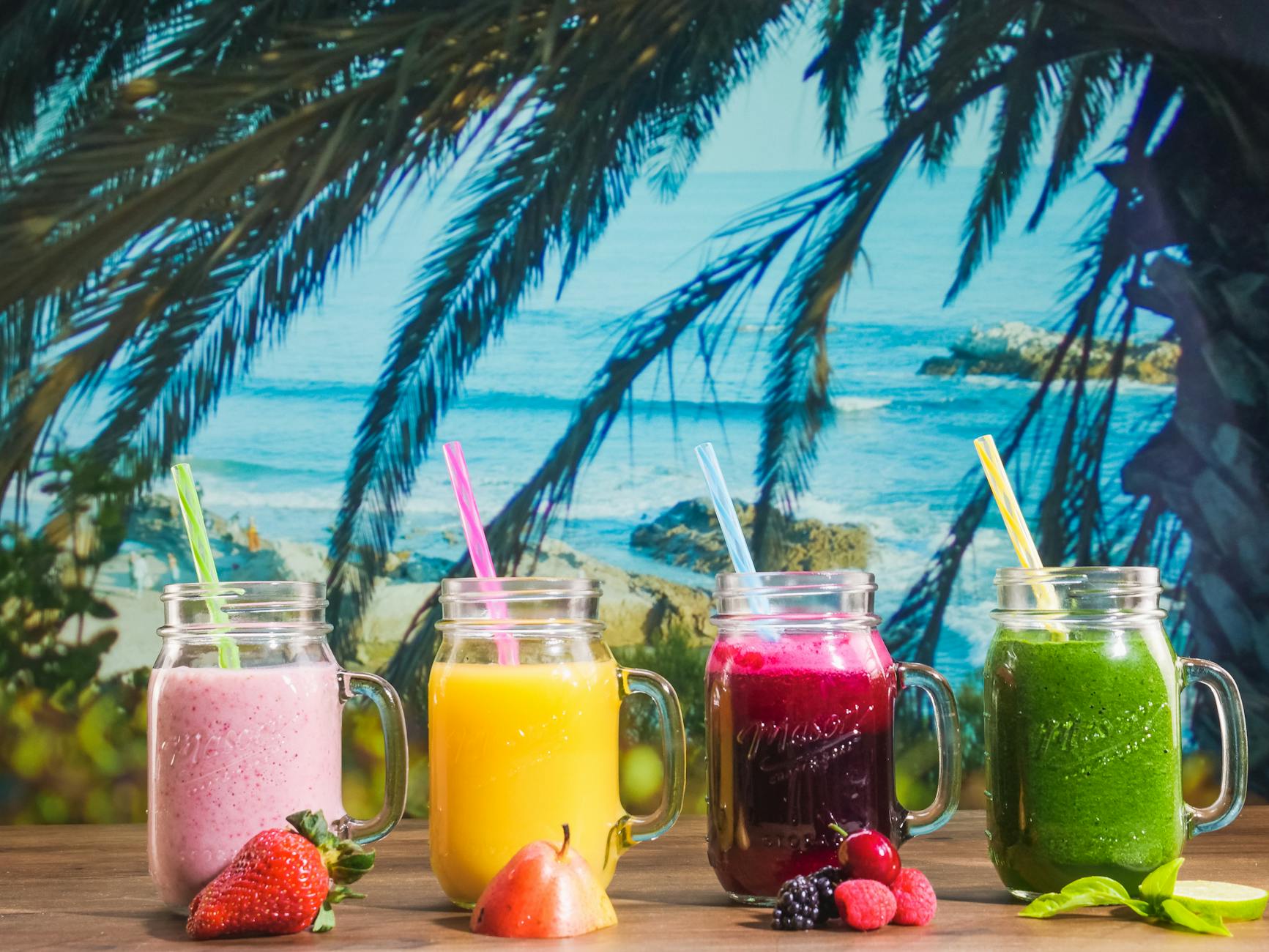
The Green Brain Smoothie is the most comprehensive formula for hitting multiple nutrient targets at once. Combine a large handful of spinach, a half cup of frozen blueberries, a quarter cup of walnuts, one cup of unsweetened almond or oat milk, a teaspoon of olive oil, and one scoop of a plain or lightly flavored protein powder. The olive oil may seem like an unusual addition, but it contributes healthy monounsaturated fats and improves absorption of fat-soluble nutrients. The protein powder ensures the drink supports neurotransmitter synthesis — dopamine and serotonin both require adequate dietary protein as precursor material. The Berry Kale Smoothie is a good alternative for those who find walnuts overpowering in a drink. Blend nonfat Greek yogurt with a cup of kale, a half cup of mixed berries, and a small handful of pecans.
Greek yogurt serves double duty here: it provides protein and also contributes probiotics, which emerging research links to the gut-brain axis. The kale delivers a different micronutrient mix than spinach — notably higher in vitamin K — while the mixed berries diversify the antioxidant profile beyond blueberries alone. The Avocado Brain Smoothie is the richest in texture and the highest in healthy fats. Blend half an avocado with a small banana, one tablespoon of chia seeds, a handful of spinach, and one cup of unsweetened almond milk. Avocado contributes magnesium and monounsaturated fat; chia seeds add omega-3s and a slow-digesting fiber that helps maintain stable blood sugar, which is relevant to brain function since the brain runs primarily on glucose. This version is particularly well suited for people who need more caloric density — caregivers supporting older adults with appetite challenges often find this formula easier to get accepted.
How to Build Your Own Brain-Healthy Smoothie Formula
Understanding the underlying logic makes it easier to adapt recipes to personal taste without sacrificing the nutritional value. Think in terms of functional categories: a fat source for omega-3s and membrane support (chia seeds, flaxseeds, walnuts, hemp hearts, or avocado), an antioxidant-rich fruit (blueberries are the strongest option, but mixed berries work well), a leafy green (spinach blends more neutrally than kale; kale offers higher vitamin K), a protein source (Greek yogurt is whole-food and well-studied; protein powder is more convenient), and a liquid base (unsweetened plant milks keep sugar down). The tradeoff between convenience and nutrient quality is worth considering. Pre-packaged smoothie kits or frozen blends can be useful for consistency, but many contain sweetened fruit purées or added flavoring that dilutes the functional benefits. Fresh or plain frozen ingredients with no added sugar give more control.
Grinding flaxseeds before adding them to a smoothie significantly improves omega-3 bioavailability compared to whole seeds, which often pass through the digestive system largely intact — a small detail that meaningfully changes the nutritional outcome. For those managing multiple health conditions alongside cognitive concerns, it is worth noting that some of these ingredients interact with medications. Leafy greens high in vitamin K can affect warfarin dosing. Large amounts of grapefruit in some smoothie recipes can interfere with certain statins and other medications. These are not reasons to avoid brain-healthy smoothies, but they are reasons to discuss dietary changes with a physician if someone is on a complex medication regimen.
Limitations and Realistic Expectations
The research supporting brain-healthy smoothie ingredients is genuine, but it comes with important caveats. Most studies on individual nutrients — blueberries, omega-3s, leafy greens — show associations with reduced cognitive decline or modest improvements in cognitive performance. Few are large randomized controlled trials, and the effect sizes are generally modest rather than dramatic. A person hoping a daily smoothie will reverse existing cognitive impairment or halt diagnosed Alzheimer’s progression will likely be disappointed. The evidence is stronger for prevention and for slowing decline in healthy aging than for treatment. Timing also matters more than is often acknowledged.
The dietary patterns linked to cognitive health in the strongest research — the Mediterranean diet, the MIND diet — reflect decades of eating, not months. Starting brain-healthy dietary habits in midlife appears to offer more protection than beginning in late old age, though even late-life dietary improvements show some benefit. For caregivers introducing smoothies to a person already experiencing cognitive decline, the honest framing is nutritional support and general health maintenance, not cure. Finally, nutrient bioavailability varies significantly between individuals based on gut microbiome composition, genetic variants in nutrient metabolism, and overall digestive health. Two people drinking the identical smoothie every day may have meaningfully different biological outcomes. This is not an argument against the approach — it is an argument for treating brain-healthy smoothies as one component of a broader strategy that includes physical activity, sleep, cognitive engagement, and social connection.
Adapting Smoothies for Older Adults and Those With Dementia
For older adults with dementia or swallowing difficulties, smoothie texture and temperature become practical considerations alongside nutrition. A thinner consistency may pose aspiration risk for those with dysphagia; thickening agents or a naturally thick base like avocado or Greek yogurt can create a safer texture without adding unhealthy ingredients. Serving a smoothie at room temperature rather than ice-cold is often better tolerated by older adults who are sensitive to cold foods.
Familiarity can also drive acceptance. An older adult who has always enjoyed berry flavors is more likely to accept a blueberry-spinach smoothie than one that tastes unfamiliar. Starting with a base flavor the person already likes — even adding a small amount of vanilla extract or cinnamon to the avocado version — and building from there is a more practical approach in a caregiving context than introducing the most nutritionally optimized recipe at once.
The Broader Dietary Pattern Behind Brain Health
Smoothies are most useful when understood as part of a dietary pattern rather than a standalone intervention. The eating frameworks most consistently linked to cognitive health — notably the MIND diet, which combines elements of the Mediterranean and DASH diets — emphasize regular intake of berries, leafy greens, fish, nuts, olive oil, and whole grains while limiting red meat, butter, cheese, and fried foods. A daily brain-healthy smoothie naturally reinforces several of these priorities at once.
As research into the gut-brain axis continues to develop, the role of fermented foods and dietary fiber in cognitive health is likely to become better defined. Greek yogurt, already a strong protein source in these recipes, also contributes to gut microbiome diversity. Building smoothies around ingredients that serve multiple functions — protein and probiotics, omega-3s and fiber, antioxidants and magnesium — reflects both the current evidence and the direction the field is moving.
Conclusion
The best smoothie recipes for brain health are built on a short list of well-studied ingredients: blueberries for antioxidant protection, walnuts or chia seeds for omega-3 fatty acids, leafy greens for vitamin K and folate, protein from Greek yogurt or powder for neurotransmitter support, and magnesium-rich additions like avocado or spinach to support brain plasticity. The three recipes outlined here — the Green Brain Smoothie, the Berry Kale Smoothie, and the Avocado Brain Smoothie — each hit these targets from a slightly different angle, giving enough variety to build a sustainable habit.
The realistic expectation is long-term support, not short-term transformation. These smoothies work best as a daily habit embedded in a broader dietary pattern and lifestyle that prioritizes sleep, physical activity, and cognitive engagement. For anyone managing dementia care for a family member or working to protect their own cognitive health as they age, a well-constructed smoothie is a practical, evidence-grounded addition to the routine — not a cure, but a consistently useful tool.
Frequently Asked Questions
How often should I drink a brain-healthy smoothie?
Daily consumption is supported by the research, which generally reflects long-term dietary patterns rather than occasional intake. Consistency over months and years is what drives the associated benefits, not any single serving.
Can I use frozen blueberries instead of fresh?
Yes. Frozen blueberries retain their antioxidant content well and are often more practical and affordable than fresh. Some studies have actually used frozen blueberries in their research protocols.
Is cocoa powder a practical smoothie ingredient for brain health?
It can be. Unsweetened cocoa powder blends well into smoothies with banana or avocado as a base, adds one of the richest concentrations of antioxidants of any food, and has been shown to increase blood flow to the brain. Use unsweetened cocoa, not hot chocolate mix.
Are these smoothies appropriate for someone already diagnosed with dementia?
They are appropriate as nutritional support, with modifications for texture and temperature if swallowing difficulties are a concern. They are not a treatment for dementia and should not be positioned as one. Discuss significant dietary changes with the person’s medical team.
Do I need a high-powered blender to make these recipes?
A high-powered blender helps with leafy greens and whole nuts. Standard blenders can work, but pre-soaking walnuts for 20 to 30 minutes softens them enough for most machines, and using nut butter instead of whole walnuts is a practical alternative.
Should I add supplements like fish oil or vitamin D to the smoothie?
Supplements are a separate conversation from whole-food smoothies and should be discussed with a physician. The ingredient-based omega-3 sources in these recipes — chia seeds, flaxseeds, walnuts — provide plant-based ALA, which the body partially converts to DHA and EPA, though less efficiently than direct marine sources.