Yes, there are multiple vaccines and vaccine-like therapies currently being developed for Alzheimer’s disease, though none have yet received regulatory approval. The field has advanced significantly in recent years, with candidates in active clinical trials targeting the two hallmark proteins associated with the disease: amyloid-beta plaques and tau tangles. For example, a Phase 1 trial for a tau-targeting vaccine developed at the University of New Mexico is set to begin enrolling participants in early 2026, marking a meaningful step forward from laboratory research into human testing. This article covers what those candidates are, how far along they are in development, and what the surprising early evidence around existing vaccines — particularly the shingles vaccine — means for people concerned about dementia risk today.
The short answer for families navigating Alzheimer’s now is this: no preventive or therapeutic vaccine is available at your doctor’s office yet. However, the pipeline is more active than at any point in the disease’s research history. As of 2025, 138 drugs are being assessed across 182 clinical trials in the Alzheimer’s pipeline, according to data published in Alzheimer’s & Dementia: Translational Research. Biological disease-targeted therapies account for 30% of that pipeline, and small molecule therapies account for 43%. The momentum is real, even if approved vaccines remain years away.
Table of Contents
- What Alzheimer’s Vaccines Are Currently Being Developed and in Clinical Trials?
- How Do These Vaccine Candidates Work — and Where Do They Face Challenges?
- The Shingles Vaccine Connection — What Does the New Research Show?
- How Do Alzheimer’s Vaccine Approaches Compare to Existing Approved Therapies?
- What Are the Biggest Obstacles to an Approved Alzheimer’s Vaccine?
- What Role Does Funding and Industry Investment Play in This Research?
- Where Is Alzheimer’s Vaccine Research Headed in the Next Decade?
- Conclusion
- Frequently Asked Questions
What Alzheimer’s Vaccines Are Currently Being Developed and in Clinical Trials?
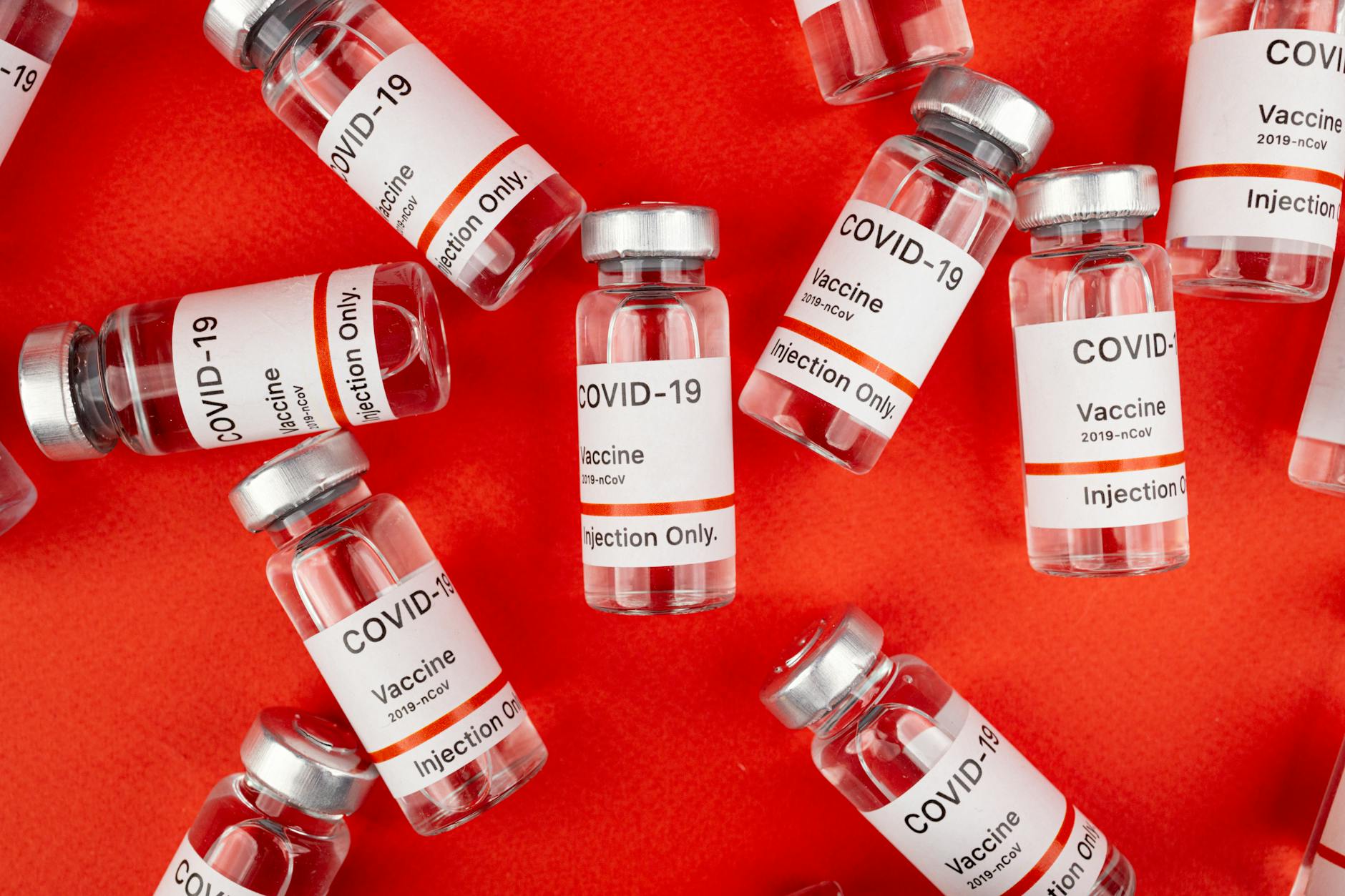
The most closely watched vaccine candidate in early 2026 is a tau protein vaccine being developed by researchers at the University of New Mexico. The vaccine targets pT181, a pathological form of tau that accumulates in the brains of people with Alzheimer’s and can be detected as a biomarker in blood tests. In preclinical testing, the vaccine produced strong immune responses in macaque primates, which is a meaningful threshold for advancing to human trials. Funding from the Alzheimer’s Association’s “Part the Cloud” initiative enabled the team to launch a Phase 1 clinical trial, with enrollment expected to begin in early 2026 and run for approximately 12 months. Phase 1 trials primarily assess safety and tolerability, so results will not tell us whether the vaccine slows cognitive decline — but they will establish whether it is safe enough to study further. On the amyloid-beta side, the ABvac40 vaccine has produced more mature data.
After 24 months of treatment in a Phase 2 study, patients on ABvac40 showed a reduced risk of cognitive decline compared to placebo, met the study’s primary endpoints, and reported no significant safety concerns. That combination — efficacy signal plus a clean safety profile — is exactly what researchers need to justify advancing to larger Phase 3 trials. Amyloid-targeting approaches have had a troubled history, with several high-profile failures in the 2010s, so ABvac40’s Phase 2 results are genuinely encouraging rather than routine. Pharmaceutical giant Merck has also entered the space with two candidates, MK-2214 and MK-1167, presenting data on both at the Clinical Trials on Alzheimer’s Disease (CTAD) conference in 2025. The specifics of those results have not yet been fully published, but their appearance at CTAD signals that Merck considers them far enough along to present to the scientific community. Meanwhile, a startup called Korsana launched in early 2026 with $150 million in funding to develop a next-generation amyloid-targeting antibody, indicating that investor confidence in this therapeutic category remains high despite the field’s historical setbacks.
- —
How Do These Vaccine Candidates Work — and Where Do They Face Challenges?
The two primary targets for Alzheimer’s vaccines — amyloid-beta and tau — reflect the two most established pathological features of the disease. Amyloid-beta is a protein fragment that clumps into plaques outside neurons, while tau forms tangles inside them. Both are thought to disrupt neuronal function, though scientists continue to debate which comes first and which causes more damage. Vaccines designed to target amyloid-beta aim to train the immune system to recognize and clear these plaques before they accumulate; tau-targeting vaccines do the same for tau tangles. The UNM trial specifically targets pT181, a phosphorylated form of tau that appears early in the disease process, which could make it useful as a preventive intervention rather than only a treatment for people already showing symptoms.
However, the history of amyloid-targeting therapies provides an important caution here. The first active immunization approach — a vaccine called AN1792, tested in the early 2000s — was halted after roughly 6% of participants developed a serious inflammatory brain condition called meningoencephalitis. Researchers have since developed “passive immunization” approaches, using monoclonal antibodies rather than live vaccines, which offer more control over the immune response. The recently approved drugs lecanemab and donanemab follow this passive approach. Active vaccination — training the body’s own immune system to mount a response — is more complex and carries different risk profiles, which is part of why the UNM Phase 1 trial will focus so heavily on safety data. A strong immune response in primates does not guarantee a safe response in humans, particularly in an older population with existing neurological vulnerabilities.
- —
The Shingles Vaccine Connection — What Does the New Research Show?
Perhaps the most surprising and immediately actionable finding in early 2026 comes not from a purpose-built Alzheimer’s vaccine but from research into an already-approved vaccine for a different condition entirely. A study published in Nature Communications found that two doses of the recombinant zoster vaccine — sold under the brand name Shingrix — are associated with a 51% reduction in dementia risk in adults aged 65 and older. That is a striking figure, and it comes from data on a vaccine that is already widely recommended for adults in that age group for the prevention of shingles. Separately, a review funded by the Alzheimer’s Society and led by researchers at the University of Exeter, published around February 17, 2026, examined 80 existing drugs for their potential to be repurposed as Alzheimer’s treatments. Among the top three candidates they identified were the older shingles vaccine Zostavax, sildenafil (commonly known as Viagra), and riluzole, a drug used to treat ALS. The shingles vaccine was ranked the front-runner.
The proposed mechanism is that shingles — caused by the varicella-zoster virus, which can reactivate in older adults — may trigger or accelerate neuroinflammation that contributes to Alzheimer’s pathology. By preventing shingles reactivation, the vaccine may also prevent that inflammatory cascade. It is worth being specific about what this means in practice. Shingrix is a two-dose series recommended by the CDC for adults 50 and older, regardless of whether they have had shingles before. The Nature Communications study focused on adults 65 and older, and the 51% risk reduction figure applies to that group. This does not mean Shingrix is an Alzheimer’s vaccine — it means that among the tools currently available to older adults, getting vaccinated against shingles now appears to carry a meaningful secondary benefit for brain health. That distinction matters, because it gives families and caregivers something concrete to discuss with a physician today rather than waiting for purpose-built Alzheimer’s vaccines to complete trials.
- —
How Do Alzheimer’s Vaccine Approaches Compare to Existing Approved Therapies?
It helps to understand where vaccines fit within the broader landscape of Alzheimer’s treatments. The two most recently approved drugs for Alzheimer’s — lecanemab (Leqembi) and donanemab (Kisunla) — are monoclonal antibodies, meaning they are manufactured proteins that target amyloid-beta plaques directly. They are not vaccines in the traditional sense; they do not train the immune system to produce its own response. Instead, they work more like a passive infusion, requiring repeated intravenous administration, often every two to four weeks, and they carry a risk of a side effect called amyloid-related imaging abnormalities (ARIA), which can include brain swelling or microbleeds. An active vaccine, if proven safe and effective, would offer a fundamentally different tradeoff. A vaccine would ideally require only a few doses — potentially a primary series plus boosters — and would rely on the body’s own immune system to generate and sustain an antibody response.
This could be more practical, more affordable, and more scalable than ongoing infusion therapy. The UNM tau vaccine, for example, is designed as a durable immunization rather than a maintenance treatment. However, the comparison also cuts the other way: monoclonal antibody therapies like lecanemab are already approved and available to patients with early-stage disease, while vaccines remain in early clinical trials. For someone diagnosed today, the approved infusion therapies represent real, if modest, options; Alzheimer’s vaccines represent a future possibility. The shingles vaccine occupies a third category entirely — an existing, widely available intervention with newly recognized secondary evidence of benefit. Its cost, accessibility, and established safety profile make it a different kind of consideration than experimental candidates still navigating Phase 1 and 2 trials.
- —
What Are the Biggest Obstacles to an Approved Alzheimer’s Vaccine?
The path from a promising Phase 1 trial to an approved vaccine is long, expensive, and frequently interrupted by failure. One of the central challenges in Alzheimer’s vaccine development is the disease’s timeline. Alzheimer’s pathology develops over decades before symptoms appear, which means that by the time someone is diagnosed with mild cognitive impairment, plaques and tangles may already be extensive. Vaccines targeting those proteins may be most effective as preventive interventions given to cognitively healthy people in their 40s or 50s — but that requires recruiting very large trial populations and following them for many years before you can measure whether the vaccine actually prevented dementia. That kind of long-horizon trial is enormously costly and logistically challenging. There is also the question of which protein to target, and when.
The emerging view among Alzheimer’s researchers is that the disease involves not just amyloid and tau but also neuroinflammation, synaptic dysfunction, and metabolic factors. A vaccine that clears amyloid plaques efficiently may not slow cognitive decline if tau tangles or other processes have already taken hold — which is what some of the earlier amyloid antibody trial failures suggested. The ABvac40 results are encouraging precisely because they showed cognitive benefit, not just amyloid clearance, but that Phase 2 data needs to replicate in larger, longer trials before drawing firm conclusions. A warning worth stating plainly: media coverage of Alzheimer’s vaccine research has a long history of generating premature optimism. Results that are statistically significant in a Phase 2 trial with a few hundred participants have repeatedly failed to hold up in Phase 3 trials with thousands. The UNM tau vaccine is in Phase 1, ABvac40 is completing Phase 2, and neither has yet demonstrated in large human populations that it prevents or meaningfully delays Alzheimer’s dementia. That does not mean the research is not promising — it means the appropriate level of confidence is cautious optimism, not expectation of imminent breakthrough.
- —

What Role Does Funding and Industry Investment Play in This Research?
The pace of Alzheimer’s vaccine development is directly tied to funding, both public and private. The UNM tau vaccine trial was made possible through the Alzheimer’s Association’s “Part the Cloud” initiative, which funds high-risk, early-stage research that larger institutional funders might pass on. The Alzheimer’s Society in the UK similarly funded the University of Exeter drug repurposing study that identified the shingles vaccine as a front-runner candidate. Without these disease-specific funding bodies, many of the most innovative early-stage trials would not advance past the laboratory.
On the private side, Korsana’s $150 million launch in early 2026 signals continued venture capital interest in next-generation amyloid-targeting antibodies, even after several high-profile failures in the 2010s. Merck’s continued development of MK-2214 and MK-1167 reflects the same dynamic among major pharmaceutical companies. Industry investment is essential for moving therapies through the expensive late-stage trials required for regulatory approval, but it also introduces commercial pressures that can complicate trial design and data transparency. The field benefits from both public funding for early-stage science and private capital for late-stage development — though the two do not always move in the same direction.
- —
Where Is Alzheimer’s Vaccine Research Headed in the Next Decade?
The realistic horizon for an approved Alzheimer’s-specific vaccine is probably the early-to-mid 2030s at the earliest, assuming current trials proceed without major setbacks. The UNM tau vaccine trial, which begins enrolling in early 2026, will produce its first human safety data sometime in 2027. If that data is clean, a Phase 2 efficacy trial could begin shortly after, adding several more years. ABvac40 would need a successful Phase 3 trial before any regulatory submission.
These timelines are not pessimistic — they reflect how drug development actually works. What is genuinely new in 2026 is the convergence of several approaches at once: tau-targeting vaccines, amyloid antibodies, drug repurposing candidates, and strong epidemiological evidence pointing to the shingles vaccine as a near-term tool for reducing risk. That convergence suggests the field has moved past the period of serial failures into something more productive. Whether any single candidate will cross the finish line first remains unknown, but for families managing Alzheimer’s risk today, the trajectory of the research is more encouraging than it has been at any previous point.
- —
Conclusion
Alzheimer’s vaccine development is real, active, and at multiple stages of clinical testing simultaneously — but no approved vaccine for Alzheimer’s disease exists yet. The UNM tau vaccine is entering Phase 1 in 2026, ABvac40 has produced encouraging Phase 2 results, and companies like Merck and Korsana are advancing their own amyloid-targeting candidates. The broader pipeline includes 138 drug candidates across 182 clinical trials as of 2025, making this one of the most active periods in the history of Alzheimer’s research.
The immediate practical finding — that Shingrix, the recombinant shingles vaccine, is associated with a 51% reduction in dementia risk in adults 65 and older — is something families and physicians can act on right now. For anyone with a family history of Alzheimer’s or concerns about brain health, the most useful conversation to have with a doctor today is not about experimental vaccines but about established risk reduction: whether the shingles vaccine series is up to date, what cardiovascular risk factors are being managed, and whether there is eligibility for any of the currently approved therapies for early-stage disease. The purpose-built Alzheimer’s vaccines will require years more research before they are available. What the 2026 data makes increasingly clear is that the question is no longer whether a vaccine approach for Alzheimer’s is possible — it is which approach will get there first.
Frequently Asked Questions
Is there an Alzheimer’s vaccine available right now?
No. There is no approved vaccine specifically for Alzheimer’s disease. Multiple candidates are in clinical trials, but none have completed the testing required for regulatory approval.
What is the UNM tau vaccine and when will results be available?
Researchers at the University of New Mexico are testing a vaccine targeting pT181, a pathological form of tau protein linked to Alzheimer’s. Phase 1 enrollment is expected to begin in early 2026 and run for 12 months. That trial will primarily assess safety, with efficacy data coming from later-stage trials if the safety results are acceptable.
Can the shingles vaccine (Shingrix) help prevent Alzheimer’s?
Emerging evidence suggests it may. A study published in Nature Communications found that two doses of Shingrix were associated with a 51% reduction in dementia risk in adults 65 and older. A separate UK-funded review ranked the shingles vaccine as the top candidate among existing drugs for repurposing as an Alzheimer’s intervention. Shingrix is already recommended for adults 50 and older and is widely available.
Why has it taken so long to develop an Alzheimer’s vaccine?
Several reasons. Alzheimer’s pathology develops over decades before symptoms appear, making it difficult to design trials that can measure prevention. An early vaccine candidate (AN1792) was halted in the 2000s after serious side effects. And the disease itself is complex, involving multiple biological processes beyond just amyloid plaques and tau tangles. The field has learned from those failures and is now taking more targeted, carefully monitored approaches.
How is an Alzheimer’s vaccine different from the antibody drugs like lecanemab that are already approved?
Approved drugs like lecanemab are monoclonal antibodies — manufactured proteins given by intravenous infusion every few weeks. An active vaccine would train the immune system to generate its own response, potentially requiring only a few doses total. Vaccines could be more practical and affordable if proven effective, but they are still in early trial stages while antibody therapies are already available to eligible patients.
Should people at risk for Alzheimer’s enroll in vaccine trials?
That depends on individual health circumstances and eligibility criteria. ClinicalTrials.gov lists active Alzheimer’s trials and their enrollment requirements. People with a strong family history or known genetic risk factors (such as carrying two copies of the APOE4 gene) may be particularly eligible for prevention-focused trials. Speaking with a neurologist or memory care specialist is the right starting point. —