Doctors decide when to start dementia medication based on two main factors: where a patient falls on a standardized cognitive scale, and which type of medication is being considered. For the most widely prescribed drugs — cholinesterase inhibitors like donepezil — the threshold is typically a Mini-Mental State Examination (MMSE) score between 10 and 25, which corresponds to mild-to-moderate Alzheimer’s disease. For newer anti-amyloid therapies like lecanemab (Leqembi) or donanemab (Kisunla), the window is even narrower: the patient must still be in early-stage disease, and the diagnosis must be confirmed through biomarker testing before a prescription is written.
Consider a 74-year-old recently diagnosed with mild Alzheimer’s and a MMSE score of 19. Her neurologist would likely initiate a cholinesterase inhibitor, discuss realistic expectations around modest symptom stabilization, and — if she’s a candidate for anti-amyloid therapy — order an amyloid PET scan or blood-based biomarker test before pursuing that route. This article covers how each class of dementia drug has its own eligibility criteria, what cognitive staging actually means in practice, how 2025 guideline updates changed the diagnostic landscape, and what goes into the personalized risk-benefit conversation between doctor and patient.
Table of Contents
- What Cognitive Score Triggers a Dementia Medication Decision?
- How Do Cholinesterase Inhibitors Work and What Can Patients Realistically Expect?
- When Are Biomarker Tests Required Before Prescribing?
- How Did 2025 Diagnostic Guidelines Change the Prescription Process?
- What About Medications for Behavioral and Psychological Symptoms?
- What Practical Factors Influence the Final Prescribing Decision?
- Where Is Dementia Pharmacology Headed?
- Conclusion
- Frequently Asked Questions
What Cognitive Score Triggers a Dementia Medication Decision?
The Mini-Mental State Examination is a 30-point test that assesses orientation, memory, attention, language, and visuospatial ability. It takes about ten minutes to administer and remains one of the most commonly used tools in clinical dementia staging. Scores of 21 to 25 indicate mild dementia, 11 to 20 indicate moderate dementia, and 0 to 10 indicate severe dementia. These thresholds directly determine which medications are appropriate to prescribe. Cholinesterase inhibitors — donepezil, rivastigmine, and galantamine — are indicated for mild-to-moderate Alzheimer’s, generally defined as a MMSE score at or above 10 to 12. Most clinical guidelines do not recommend initiating these drugs once a patient falls below a score of 12, because the evidence for benefit at that point becomes thinner and the disease is likely too advanced for the drugs’ mechanism to offer meaningful help.
Memantine (brand name Namenda), which works differently by regulating glutamate activity, is FDA-approved for moderate-to-severe Alzheimer’s, corresponding to MMSE scores below 15. In practice, a physician seeing a patient with a score of 13 faces a genuine decision point: this person may qualify for memantine but is at the lower edge of cholinesterase inhibitor candidacy. It is worth noting that MMSE scores are not the only input. Functional decline, caregiver observations, and neuroimaging findings all factor into staging. A score can also fluctuate based on the patient’s anxiety level, education, or whether they slept well the night before. Physicians typically use the MMSE alongside clinical judgment rather than as a hard cutoff.

How Do Cholinesterase Inhibitors Work and What Can Patients Realistically Expect?
Cholinesterase inhibitors work by preventing the breakdown of acetylcholine, a neurotransmitter that plays a role in memory and cognition. In Alzheimer’s disease, acetylcholine-producing neurons are among the earliest casualties, so preserving whatever signaling capacity remains is the therapeutic rationale. The drugs do not stop or reverse the underlying disease process — they slow the rate of certain functional losses while the disease continues to progress. The measurable benefit is modest. A long-term analysis published in Neurology found that cholinesterase inhibitor use was associated with 0.13 higher MMSE points per year compared to non-users. That is a small number, and it matters how you interpret it.
In clinical terms, that modest difference may translate to a patient retaining the ability to recognize family members, follow simple instructions, or manage basic daily routines for longer than they otherwise would. For families providing care, those months can be meaningful. For the physician prescribing the drug, the conversation involves being honest about the ceiling of expected benefit while weighing side effects — most commonly nausea, diarrhea, and appetite loss — against the patient’s individual goals and tolerance. However, if a patient develops significant cardiac conduction problems or has a history of peptic ulcer disease, the risk-benefit calculation shifts. Cholinesterase inhibitors increase vagal tone, which can slow heart rate and cause bradycardia in susceptible individuals. These are not theoretical concerns, and they illustrate why prescribing decisions cannot be reduced to a single test score.
When Are Biomarker Tests Required Before Prescribing?
The arrival of anti-amyloid therapies has introduced a category of dementia medication that requires confirmatory biomarker testing before a prescription can be written. Lecanemab (Leqembi) and donanemab (Kisunla) are monoclonal antibodies that target and remove amyloid plaques from the brain. Because their mechanism depends on amyloid being present, doctors must confirm its presence through either an amyloid PET scan or cerebrospinal fluid (CSF) biomarkers before initiating treatment. These drugs are only approved for early-stage Alzheimer’s — specifically mild cognitive impairment (MCI) or mild Alzheimer’s dementia. A patient with a moderate or severe presentation is not eligible, which means timing matters enormously.
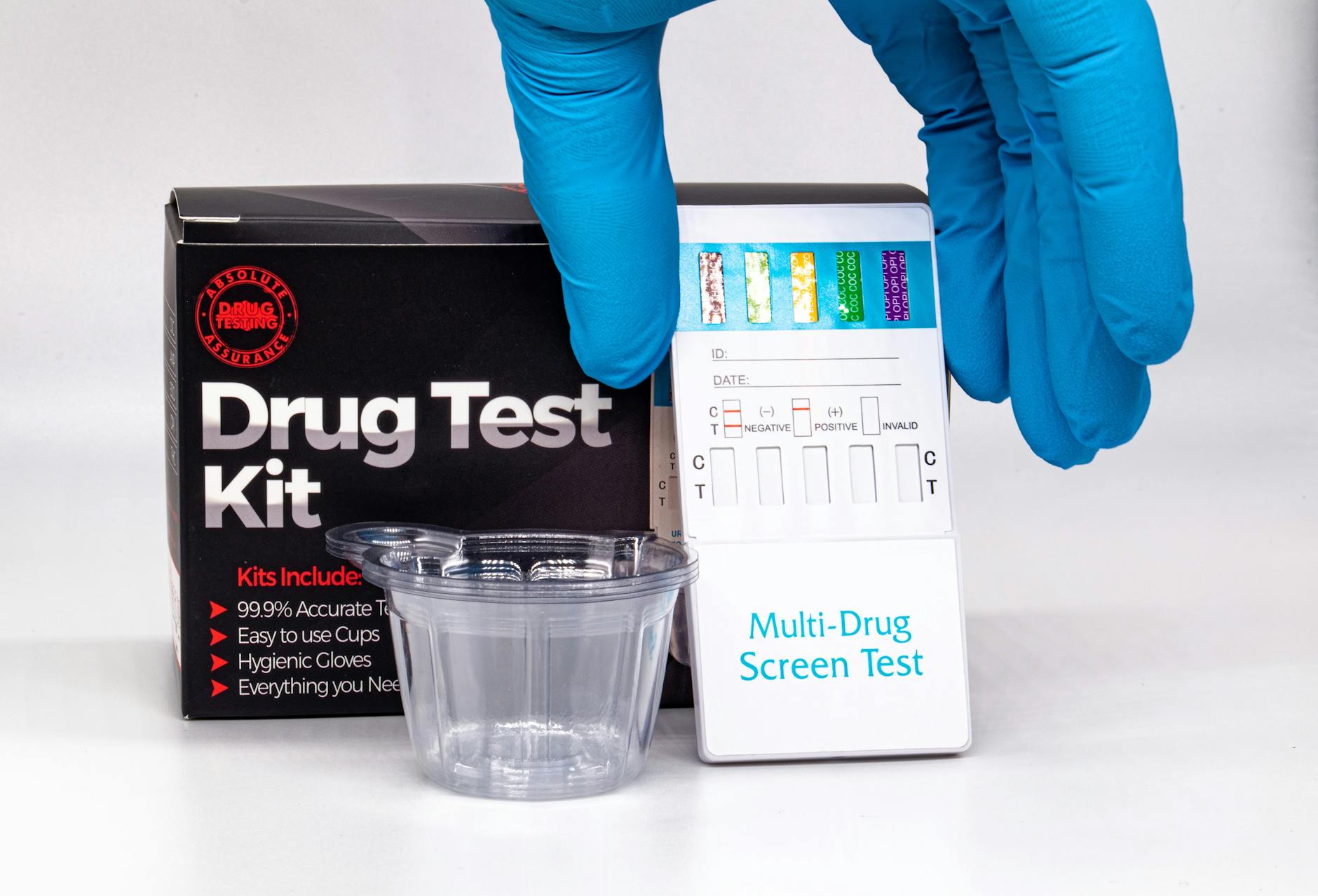
A family that waits too long before seeking evaluation, or a primary care physician who attributes early memory lapses to normal aging, may delay diagnosis past the treatment window. Genetic testing for APOE ε4 status is also strongly recommended before starting these therapies. APOE ε4 carriers have a significantly elevated risk of amyloid-related imaging abnormalities (ARIA) — brain swelling or microbleeds that can occur as the drug removes plaques. Two copies of the ε4 variant (homozygous carriers) face a particularly high ARIA risk, and some clinicians consider homozygous status a relative contraindication. In July 2025, the Alzheimer’s Association published its first evidence-based clinical practice guideline specifically on incorporating blood-based biomarker testing into Alzheimer’s diagnosis and treatment management. This represented a significant shift away from relying solely on expensive PET scans or invasive lumbar punctures, opening the door to broader and earlier access to biomarker confirmation in clinical settings.
How Did 2025 Diagnostic Guidelines Change the Prescription Process?
In 2025, the Alzheimer’s Association released updated diagnostic guidelines that constitute the first major overhaul of the field in roughly two decades. The DETeCD-ADRD guideline was developed through a systematic review of 7,374 publications, with 133 meeting inclusion criteria, and it provides clinicians with a structured framework for evaluating suspected Alzheimer’s and related dementias across both specialty and primary care settings. The practical implication for medication timing is that more clinicians now have clearer, evidence-based decision trees to follow. Previously, a primary care physician unsure whether a patient’s memory complaints represented early Alzheimer’s or normal aging might delay referral or watchful waiting for months. The updated guidelines offer structured criteria for when to pursue further workup, what biomarker tests to order, and when to refer to a specialist.
This standardization matters because the window for anti-amyloid therapy is narrow — patients must be caught early enough to benefit, which requires a system that identifies and evaluates them efficiently. The tradeoff worth naming is that guidelines create infrastructure for better decisions but do not eliminate the variability of individual cases. A 68-year-old with MCI, a positive amyloid PET, no APOE ε4 variant, good insurance, and no significant comorbidities looks like an excellent candidate for lecanemab on paper. A 79-year-old with the same biomarker profile but atrial fibrillation requiring anticoagulation, moderate kidney disease, and geographic distance from an infusion center presents a very different risk-benefit picture. Guidelines inform the decision; they do not make it.
What About Medications for Behavioral and Psychological Symptoms?
Behavioral and psychological symptoms of dementia (BPSD) — including agitation, aggression, hallucinations, and sleep disturbances — affect the majority of people with dementia at some point in the course of the illness. These symptoms often cause significant caregiver burden and frequently prompt families to seek medication interventions even when the cognitive symptoms are being managed. The prescribing logic here differs from the cognitive medications above. For aggression and psychosis, antipsychotic medications such as risperidone are conditionally recommended in clinical practice guidelines for BPSD management. The word “conditionally” carries weight.
Antipsychotics in older adults with dementia carry an FDA black box warning regarding increased risk of death, primarily from cardiac and infectious causes. They are not first-line treatments and should only be used after nonpharmacological approaches have been tried or when symptoms are severe and pose a risk to the patient or caregivers. For agitation specifically in Alzheimer’s disease, the antidepressant citalopram is specifically advised in guidelines as an alternative — it carries fewer risks than antipsychotics but has its own cautions, including QT interval prolongation at higher doses. Importantly, behavioral symptoms in dementia are sometimes caused or worsened by undertreated pain, urinary tract infections, medication side effects, or environmental factors. Prescribing an antipsychotic without first ruling out a treatable underlying cause is a common clinical error. Many specialists now advocate for a structured assessment of precipitating factors before reaching for pharmacological management.

What Practical Factors Influence the Final Prescribing Decision?
Even when a patient clearly meets diagnostic and staging criteria for a given medication, the decision of which drug to start — and whether to start it at all — involves a layered set of practical considerations. Drug availability, cost, and insurance coverage play real roles. Memantine and the older cholinesterase inhibitors are generic and relatively affordable. Anti-amyloid therapies, by contrast, carry high list prices and require ongoing IV infusions at specialized centers, which creates access barriers for patients in rural areas or without comprehensive insurance coverage.
Patient compliance and caregiver capacity are also factored in. A patient living alone with no regular caregiver support is a different clinical scenario than one with a dedicated family member managing medications and attending appointments. Comorbidities — diabetes, kidney disease, cardiovascular conditions — can limit which drugs are safe or change dosing requirements. The 2025 treatment update from PMC explicitly identifies drug availability, patient compliance, cost, comorbidities, and individual risk-benefit ratio as the key variables in this personalized decision-making process. A neurologist’s job, in this sense, is to synthesize all of these inputs into a recommendation that is medically sound and realistically achievable for a particular person.
Where Is Dementia Pharmacology Headed?
The approval of lecanemab and donanemab marked a genuine turning point in Alzheimer’s treatment — the first drugs to demonstrate disease modification rather than symptom management in clinical trials. While the magnitude of benefit remains the subject of active debate (and both trials showed that treatment slowed progression rather than stopped it), they establish proof of concept that amyloid targeting can change disease trajectory if started early enough.
The shift toward blood-based biomarker testing, reflected in the July 2025 Alzheimer’s Association guidelines, has the potential to democratize access to early diagnosis and make the screening process less burdensome and expensive. Researchers are actively investigating tau-targeting therapies, synaptic protective agents, and combination approaches that may address multiple disease pathways simultaneously. For patients being evaluated today, the most actionable insight is that earlier evaluation gives more options — both for existing drugs and for clinical trials of emerging therapies.
Conclusion
Doctors start dementia medication based on a combination of cognitive staging, biomarker confirmation, and individualized clinical judgment. Cholinesterase inhibitors are generally initiated when MMSE scores indicate mild-to-moderate disease, with most guidelines setting 10 to 12 as a lower threshold. Memantine is reserved for moderate-to-severe disease. Newer anti-amyloid therapies require confirmed amyloid pathology and an early-stage diagnosis to be appropriate at all.
Behavioral symptoms follow a separate prescribing logic governed by symptom severity, safety considerations, and the failure of nonpharmacological interventions. The most important practical takeaway for families navigating this process is that timing is not neutral. For the older drug classes, earlier diagnosis means longer potential benefit from symptom stabilization. For the newer disease-modifying therapies, early diagnosis is the difference between eligibility and ineligibility. The 2025 guideline updates from the Alzheimer’s Association, combined with the emergence of blood-based biomarker testing, have created a more navigable path to timely diagnosis — but patients and families still need to advocate for thorough evaluation rather than assuming that mild memory changes are simply part of aging.
Frequently Asked Questions
Can a doctor prescribe both a cholinesterase inhibitor and memantine at the same time?
Yes. Combination therapy with a cholinesterase inhibitor and memantine is common in moderate-to-severe Alzheimer’s, as the two drugs work through different mechanisms. Some research supports a modest additive benefit, though evidence varies.
What happens if someone starts a cholinesterase inhibitor and later progresses to severe dementia?
Most guidelines do not recommend initiating cholinesterase inhibitors once MMSE drops below 12, but the question of whether to continue them in a patient who has progressed is separate. Some clinicians continue them if the patient is tolerating them well; others discontinue at a certain threshold. There is no universal consensus.
Are anti-amyloid drugs like lecanemab right for everyone with early Alzheimer’s?
No. Candidates must have confirmed amyloid pathology, early-stage disease, and no high-risk features that make ARIA dangerous. APOE ε4 carriers, especially those with two copies, face elevated risk and require careful risk counseling before starting these drugs.
How long does it take to know if a dementia medication is working?
Cholinesterase inhibitors typically take several months before any stabilization in function becomes apparent, and the benefit is modest enough that it can be difficult to detect without standardized follow-up assessments. Anti-amyloid therapy trials measured benefit over 18 months.
Can these medications be started in a primary care setting or does it require a specialist?
Cholinesterase inhibitors and memantine are frequently initiated by primary care physicians. Anti-amyloid therapies, given the need for biomarker testing, genetic risk assessment, and infusion monitoring, typically require a neurology or memory clinic setting.