Antipsychotic medications can be used in dementia patients, but they cannot be considered “safe” in any straightforward sense of the word. The honest answer is that these drugs carry serious, well-documented risks — including increased mortality — and are only appropriate in a narrow set of circumstances where severe behavioral symptoms pose an immediate danger and non-drug approaches have already failed. For most dementia patients, the risks outweigh the benefits, and that is the official position of the FDA, which has placed its most serious warning label on every antipsychotic medication on the market. To understand the stakes, consider a typical scenario: an 80-year-old with Alzheimer’s living in a memory care facility begins having episodes of agitation and verbal aggression.
Staff are overwhelmed, and a physician prescribes quetiapine (Seroquel) to calm the behavior. This is one of the most common situations in which antipsychotics get prescribed to dementia patients — and it is also one of the most controversial. The drug may reduce the agitation. It may also substantially raise the patient’s risk of stroke, pneumonia, heart failure, blood clots, bone fractures, and death. This article examines what the evidence actually shows, what the FDA’s warnings mean in practice, what newer research has revealed about the range of harms, and what alternatives exist for families and clinicians navigating these difficult decisions.
Table of Contents
- What Does the FDA’s Black-Box Warning on Antipsychotics in Dementia Patients Actually Mean?
- The 2024 BMJ Study — A Wider Picture of Harm Than Previously Known
- Why Are Prescriptions Still Rising Despite These Warnings?
- When Are Antipsychotics Considered an Option — and What Are the Alternatives?
- Specific Medications and Their Risk Profiles
- What Families and Caregivers Should Know Before Consenting
- The Regulatory Outlook and Where Research Is Headed
- Conclusion
- Frequently Asked Questions
What Does the FDA’s Black-Box Warning on Antipsychotics in Dementia Patients Actually Mean?
A black-box warning is the FDA’s most serious alert — a signal that a drug carries significant risk of serious or life-threatening adverse effects. Every antipsychotic medication currently on the market carries a black-box warning specifically addressing their use in elderly dementia patients. That includes both second-generation (atypical) antipsychotics like aripiprazole (Abilify), olanzapine (Zyprexa), quetiapine (Seroquel), risperidone (Risperdal), clozapine (Clozaril), and ziprasidone (Geodon), as well as older first-generation drugs like haloperidol and perphenazine. The FDA issued the warning for atypical antipsychotics first, then extended it to cover the entire drug class after evidence showed comparable risks across generations of these medications. The data behind the warning is striking. An FDA review of placebo-controlled clinical trials found approximately a 1.6 to 1.7-fold increase in mortality among elderly dementia patients taking antipsychotics compared to those taking a placebo. In other words, patients taking these drugs died at roughly 65 to 70 percent higher rates than those who did not. The deaths were predominantly caused by cardiovascular events — heart failure and sudden cardiac death — and by respiratory infections, primarily pneumonia.
These are not rare, theoretical harms. They are the statistical signal that prompted regulators to act. It is worth being precise about what the warning does and does not mean. It does not prohibit physicians from prescribing antipsychotics to dementia patients. Doctors retain clinical discretion, and these drugs remain in use. What the warning does is require that prescribers, patients, and families be informed of the elevated mortality risk before a decision is made. In practice, that informed consent process is sometimes perfunctory, particularly in institutional care settings where the pressure to manage behavioral symptoms is intense. Notably, Congress directed the FDA through FY2024 appropriations to hold a public workshop and re-evaluate the black-box warning data — a signal that the regulatory picture continues to evolve, though the underlying evidence of harm has not disappeared.

The 2024 BMJ Study — A Wider Picture of Harm Than Previously Known
For years, the primary documented risks of antipsychotics in dementia patients centered on mortality and stroke. A major 2024 study published in The BMJ substantially expanded that picture. Researchers analyzed records from 173,910 dementia patients in England between 1998 and 2018, matching 35,339 antipsychotic users with non-users. The scale of the study and its population-based design make it one of the most comprehensive examinations of this issue to date. The results identified a considerably wider range of serious harms than regulatory alerts had previously emphasized. Beyond the known risks of stroke and death, antipsychotic use in dementia patients was significantly associated with venous thromboembolism (blood clots in veins), heart attack, heart failure, bone fractures, pneumonia, and acute kidney injury. Pneumonia risk was particularly striking in the early months of treatment: in the first three months, pneumonia occurred in 4.48 percent of antipsychotic users compared to 1.49 percent of non-users. By the one-year mark, those figures were 10.41 percent versus 5.63 percent — roughly double the rate of pneumonia among users.
Acute kidney injury risk was elevated 1.7-fold, and both stroke and blood clot risk came in at approximately 1.6 times that of non-users. An important finding from this research concerns timing. Risks were found to be highest soon after starting the medications, meaning the period of initiation itself is particularly dangerous. This is a critical clinical point. It means that even a short-term prescription — perhaps written with the intention of managing a temporary crisis — carries substantial immediate risk. It is not a situation where patients can be eased slowly onto the drug while monitoring for problems. The harm window begins almost immediately. However, risks do not disappear over time either; the one-year pneumonia data makes clear that ongoing use carries ongoing elevated risk. Families and clinicians should understand that neither short-term nor long-term use of these medications is without serious consequence.
Why Are Prescriptions Still Rising Despite These Warnings?
Given the documented risks and the FDA’s explicit warnings, it might seem reasonable to expect antipsychotic prescribing to dementia patients to be declining. Instead, the trend has moved in the opposite direction. Annual antipsychotic use among adults 65 and older increased nearly 52 percent between 2015 and 2024, according to data reported by AARP. A January 2026 report flagged that life-threatening sedatives — a category that includes antipsychotics — are being prescribed more frequently to seniors, not less. Several forces drive this trend. Behavioral and psychological symptoms of dementia (BPSD) — which include agitation, aggression, paranoia, hallucinations, and wandering — affect the majority of dementia patients at some point in their illness.
These symptoms are distressing for patients and exhausting for caregivers. In residential care facilities, staff shortages and high patient-to-caregiver ratios create intense pressure to manage behavior quickly, and antipsychotics are perceived as a fast, practical solution. Non-pharmacological approaches — structured activity, environmental modifications, improved caregiver communication — are effective but require time, training, and staffing that many facilities lack. There is also a systemic problem with how these drugs are sometimes used. Regulators and clinicians have consistently stated that the primary concern is not the exceptional case where a patient is a danger to themselves or others and every alternative has been tried — it is the far more common case where antipsychotics are used to suppress behaviors that are distressing to staff or inconvenient to facility operations, rather than genuinely threatening to the patient. This use of sedating medications to make vulnerable people easier to manage is sometimes referred to informally as chemical restraint, and it represents an ethical problem that the prescribing data suggests remains unresolved.

When Are Antipsychotics Considered an Option — and What Are the Alternatives?
Clinical guidance from major health organizations positions antipsychotics as a last resort for severe BPSD, and only for short-term use with regular review of whether the treatment should continue. The circumstances that might justify their use include severe psychosis with hallucinations or delusions causing significant distress, aggression that poses genuine risk of physical harm to the patient or others, or extreme agitation that has not responded to any non-pharmacological approach and is compromising the patient’s safety or care. Even in these cases, the expectation is that the lowest effective dose is used for the shortest possible time, with a clear plan for reassessment and tapering. The alternatives to antipsychotics are meaningful and should be attempted first in virtually all cases. Non-pharmacological approaches with evidence behind them include structured sensory stimulation (music therapy, tactile activities), consistent daily routines that reduce confusion and anxiety, improved caregiver communication techniques that reduce confrontation, environmental modifications to reduce overstimulation or disorientation, and increased physical activity. For certain specific symptoms, other medication classes may carry a better risk profile than antipsychotics — for example, some antidepressants have been used for agitation with fewer documented harms, though the evidence base varies.
The tradeoff families face is a genuine one. Untreated severe psychosis or aggression in a dementia patient is not a benign situation. It causes suffering for the patient, places caregivers at risk, and can make it impossible to provide adequate care in any setting. The question is not whether the symptoms matter — they clearly do — but whether the risk profile of antipsychotics is justified given available alternatives. In most cases, clinical guidance says those alternatives have not been adequately tried before a prescription is written. When they have been, and when the symptoms are severe enough, a time-limited antipsychotic trial may be the least-bad option available, provided the family understands the risks.
Specific Medications and Their Risk Profiles
Not all antipsychotics carry identical risk profiles, and some prescribers attempt to select drugs they believe are better tolerated in older adults. Quetiapine (Seroquel), for example, is prescribed with particular frequency in dementia patients partly because of a perception that it is better tolerated than alternatives, and partly because of its sedating properties that are seen as useful for nighttime agitation. Risperidone (Risperdal) has perhaps the strongest evidence base among atypical antipsychotics for reducing specific BPSD symptoms, and in some countries it holds a limited regulatory indication for this use in dementia — though it also carries a higher stroke risk than some alternatives. Haloperidol, a first-generation antipsychotic, is still used in some acute settings for severe agitation. It carries the same black-box warning as the newer drugs and is generally associated with higher rates of extrapyramidal side effects — movement disorders including tremors, rigidity, and the abnormal involuntary movements of tardive dyskinesia — which are a particular concern in elderly patients who are already vulnerable to falls.
Olanzapine carries a comparatively higher risk of metabolic effects including weight gain and blood sugar changes. Clozapine requires intensive blood monitoring due to the risk of agranulocytosis (dangerous white blood cell depletion) and is rarely practical in an outpatient dementia care setting. The important warning here is that no antipsychotic can be characterized as safe for dementia patients. Relative differences in risk profiles exist and can inform clinical decision-making at the margins, but they do not change the fundamental picture: every drug in this class carries the black-box warning, and the 2024 BMJ study found elevated risks across outcomes that applied broadly to antipsychotic use rather than to specific drugs. Patients with Lewy body dementia represent a particularly high-risk group, as they can have severe and sometimes fatal reactions to antipsychotics — a warning that is sometimes missed because Lewy body dementia may initially be misdiagnosed as Alzheimer’s.
What Families and Caregivers Should Know Before Consenting
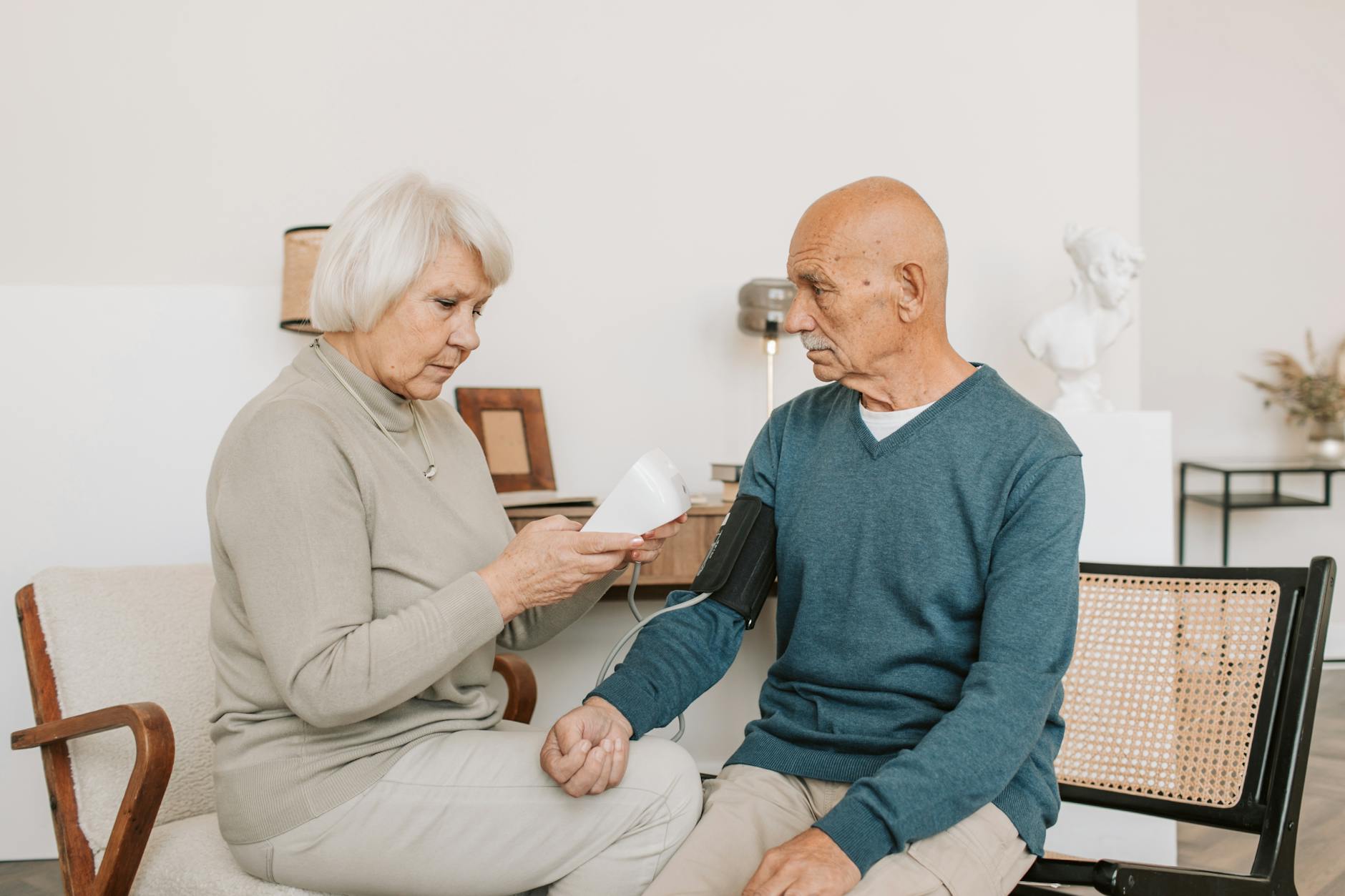
When a physician recommends an antipsychotic for a dementia patient, families should feel empowered to ask specific questions before agreeing. What specific symptoms is this medication intended to treat? Have non-drug approaches been tried, and if so, what were the results? What is the expected dose and duration? How and when will the medication be reassessed? What symptoms or changes should prompt an immediate call to the physician? These are not adversarial questions — they are the questions that good clinical practice requires be answered regardless. Families should also understand the informed consent requirement in practice.
The black-box warning exists in part to ensure that the mortality risk is communicated to patients and families before a prescription is filled. If a physician or facility prescribes an antipsychotic without discussing the FDA warning and the documented risks, that omission is worth addressing directly. Advocacy for a loved one in a care setting sometimes requires persistence.
The Regulatory Outlook and Where Research Is Headed
The regulatory status of antipsychotics in dementia is not static. Congress’s direction to the FDA to re-evaluate the black-box warning data — through the FY2024 appropriations process — signals ongoing institutional attention to this question. Advocacy groups representing older adults and caregivers have been pushing for updated guidance that reflects the most current evidence, including the broader harm profile documented in the 2024 BMJ study. Whether any regulatory revision would relax the warning or sharpen it remains to be seen, but the underlying clinical reality is unlikely to change: these are powerful drugs with serious risks in a vulnerable population.
Research into better treatments for BPSD continues. Pimavanserin, a drug approved for Parkinson’s disease psychosis, has been studied for dementia-related psychosis with mixed results. Non-pharmacological intervention research is expanding, with growing attention to individualized behavioral approaches and caregiver training programs that have shown measurable results. The goal — reducing suffering for patients with dementia while minimizing iatrogenic harm — remains urgent, and for now the answer requires accepting that antipsychotics occupy a narrow, high-risk niche in the treatment landscape rather than a routine place in dementia care.
Conclusion
Antipsychotic medications are not safely used in dementia patients in the sense that safe usually implies. They carry an FDA black-box warning reflecting a 1.6 to 1.7-fold increase in mortality, and a major 2024 study of nearly 174,000 patients documented elevated risks across a broader range of serious outcomes than previously recognized — including pneumonia, stroke, blood clots, heart failure, bone fractures, and acute kidney injury. Prescribing rates among older adults have nonetheless increased nearly 52 percent over the past decade, reflecting the genuine difficulty of managing severe behavioral symptoms in dementia, the pressures of institutional care, and the absence of equally fast pharmacological alternatives.
The practical guidance for families and clinicians is clear: non-pharmacological approaches should be the first and persistent response to behavioral symptoms of dementia. If antipsychotics are being considered, the conversation should include a frank discussion of the FDA warning, the specific risks documented in recent research, the intended duration and plan for reassessment, and what alternatives have already been tried. These drugs have a role — narrow, last-resort, short-term, and closely monitored — but that role is frequently exceeded in practice. Knowing where the line is drawn, and insisting that it be respected, is one of the most important things an informed caregiver can do.
Frequently Asked Questions
Are antipsychotics ever legally prescribed for dementia patients if the FDA issued a warning?
Yes. The FDA black-box warning requires disclosure of risks but does not prohibit prescribing. Physicians can still prescribe these medications off-label for dementia-related behavioral symptoms if they judge the clinical benefit to outweigh the documented risks and the patient or family provides informed consent.
Which antipsychotics are covered by the FDA’s black-box warning for dementia?
All of them. The warning covers both second-generation (atypical) antipsychotics — aripiprazole, olanzapine, quetiapine, risperidone, clozapine, ziprasidone — and first-generation drugs like haloperidol and perphenazine.
How quickly do the risks appear after starting an antipsychotic?
Research indicates that risks are highest soon after initiating treatment. The elevated pneumonia rate in the first three months — 4.48 percent in antipsychotic users versus 1.49 percent in non-users — illustrates how quickly harm can materialize. This is not a drug class where a trial period can be considered low-risk.
Is there a dementia type where antipsychotics are especially dangerous?
Yes. Patients with Lewy body dementia can have severe and potentially fatal reactions to antipsychotics, including extreme rigidity and rapid functional decline. Because Lewy body dementia is sometimes initially misdiagnosed as Alzheimer’s, this risk can be overlooked. Any dementia diagnosis should be as specific as possible before antipsychotics are considered.
What non-drug approaches are recommended for behavioral symptoms in dementia?
Evidence-supported approaches include structured music or sensory therapy, consistent daily routines, caregiver communication training, environmental modifications to reduce confusion and overstimulation, and increased supervised physical activity. These require more time and resources than a prescription, but carry none of the serious risks associated with antipsychotics.
Should families ask the doctor to stop an antipsychotic if their loved one is already taking one?
This is a conversation worth having with the prescribing physician, particularly if the medication was started some time ago and has not been formally reviewed. Clinical guidance calls for regular reassessment and discontinuation when possible. Abrupt stopping is not always appropriate, but a structured taper under medical supervision is often achievable and recommended.