Fermented foods appear to benefit brain health primarily by reshaping the gut microbiome, reducing chronic inflammation, and strengthening communication pathways between the gut and brain. A landmark 2021 Stanford trial published in *Cell* found that healthy adults eating six servings of fermented foods per day for seventeen weeks steadily increased their gut microbiome diversity and decreased nineteen inflammatory markers, including interleukin-6, a cytokine closely linked to neurodegeneration and cognitive decline. More recent research from 2025, published in *Gut*, showed that women consuming probiotic yogurt daily for eight weeks developed stronger neural communication between the hippocampus and frontal brain regions — areas central to memory formation and mood regulation. For families navigating dementia care or trying to protect cognitive function as they age, these findings matter.
They suggest that something as accessible as a daily serving of yogurt, kefir, or kimchi could be one piece of a broader neuroprotective strategy. But the science is still young, and the effects documented so far are modest rather than dramatic. No regulatory body has approved health claims linking fermented foods to cognitive function, and researchers caution that a clear cause-and-effect relationship remains unproven. This article walks through what the gut-brain axis actually is, which fermented foods have the strongest research behind them, how the underlying mechanisms work, and where the real limitations lie. If you are a caregiver or someone concerned about brain health, the goal here is to give you an honest, evidence-based picture — not a sales pitch.
Table of Contents
- How Does the Gut-Brain Connection Actually Affect Brain Health?
- What the Stanford Fermented Foods Trial Actually Found — and What It Didn’t
- Specific Fermented Foods and Their Measured Effects on Cognition
- How to Realistically Add Fermented Foods to a Brain-Healthy Diet
- The Honest Limits of What Fermented Foods Can Do for the Brain
- The Science Behind Psychobiotics and Why Strain Selection Matters
- Where Fermented Foods and Brain Health Research Is Heading
- Conclusion
- Frequently Asked Questions
How Does the Gut-Brain Connection Actually Affect Brain Health?
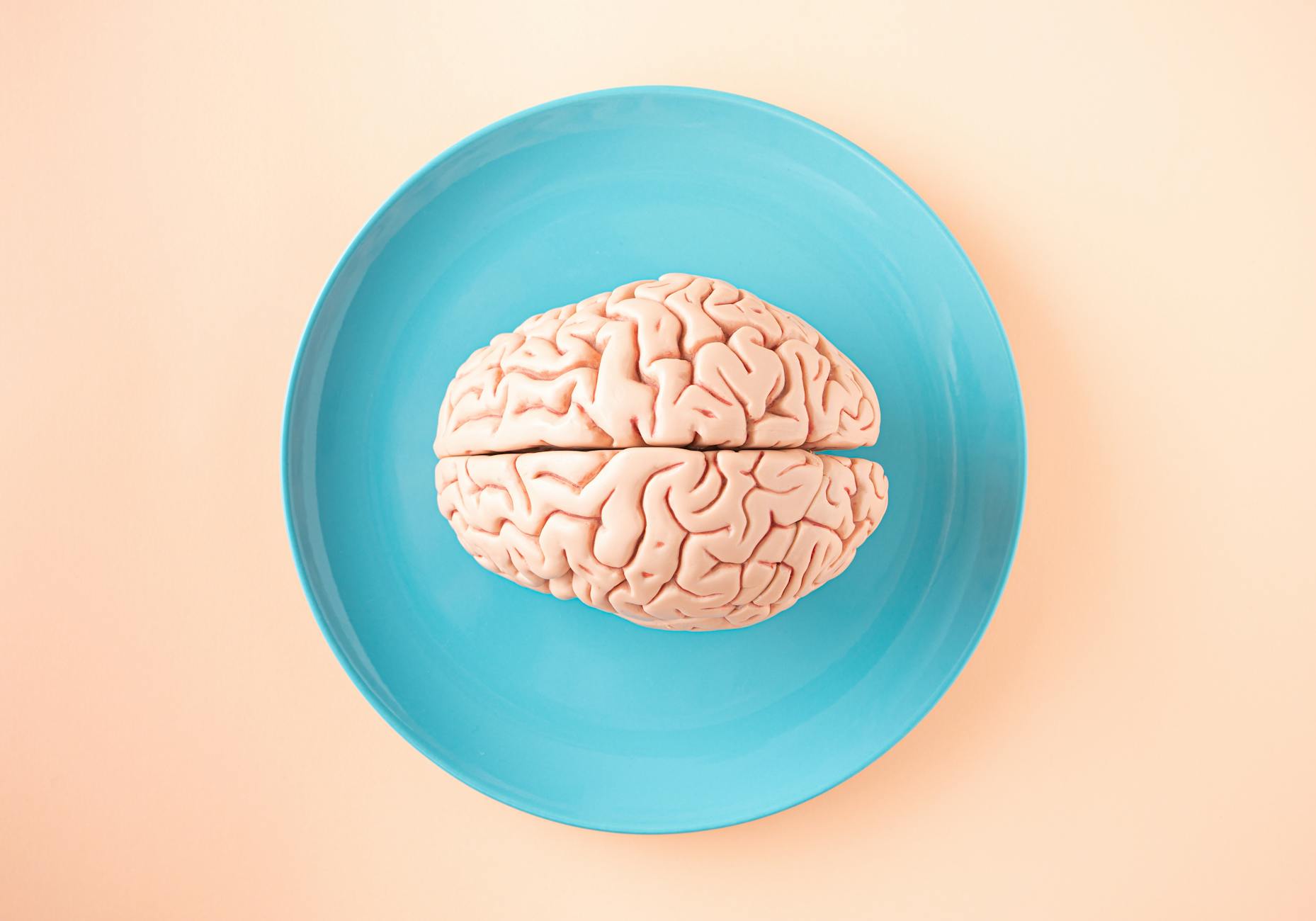
The gut-brain axis is a bidirectional communication network linking the enteric nervous system — sometimes called the “second brain” lining your digestive tract — to the central nervous system. This connection runs through anatomical, endocrine, metabolic, humoral, and immune pathways, with the vagus nerve serving as its primary physical highway. When your gut microbiome shifts, signals travel up this axis and influence neuroinflammation, neurotransmitter balance, and even stress hormone regulation. It is not a metaphor. It is measurable biology. One frequently cited statistic is that roughly 95 percent of the body’s serotonin is produced in the gut by enterochromaffin cells, while only one to two percent is made by neurons in the brain. That number sounds like it should make the gut the main driver of mood, but the reality is more nuanced.
Gut-produced serotonin cannot cross the blood-brain barrier directly. Instead, its influence on mood and cognition is indirect — it works through vagus nerve signaling and by modulating the concentrations of neurotransmitters that the brain produces on its own. This distinction matters because it means eating fermented foods will not simply flood your brain with serotonin. The mechanism is subtler and slower than that. What makes fermented foods relevant to this axis is their ability to introduce and support beneficial bacteria — particularly strains of *Lactobacillus* and *Bifidobacterium* — that modulate neuroinflammation, support gut barrier integrity, and influence neurotransmitter production at the gut level. Compared to taking a single-strain probiotic capsule, consuming whole fermented foods delivers a more complex microbial ecosystem along with bioactive compounds produced during fermentation. A single-bacteria supplement cannot capture the full complexity of what a serving of traditionally fermented kimchi or kefir provides.
What the Stanford Fermented Foods Trial Actually Found — and What It Didn’t
The 2021 Stanford study is the most frequently referenced piece of evidence in this space, and it deserves a careful look. Researchers recruited 36 healthy adults and randomly assigned them to either a high-fermented-food diet or a high-fiber diet for seventeen weeks. The fermented food group ate six servings per day drawn from yogurt, kefir, kimchi, kombucha, fermented cottage cheese, and fermented vegetables. By the end of the trial, that group showed a steady increase in gut microbiome diversity and a significant decrease in nineteen inflammatory markers, including IL-6. What often gets lost in popular summaries is the comparison group. Participants on the high-fiber diet did not see the same increase in microbial diversity, though they did develop enhanced capacity for glycan-degrading enzymes — meaning their existing gut bacteria became better at breaking down complex plant fibers. This is an important finding because it challenges the common assumption that eating more fiber automatically diversifies your microbiome.
It may strengthen the bacteria you already have rather than introducing new species. However, the trial had meaningful limitations. Thirty-six participants is a small sample. All were healthy adults, not people with existing cognitive impairment or dementia. The study measured inflammatory markers and microbiome composition, not cognitive outcomes directly. Reduced IL-6 is promising for brain health because chronic neuroinflammation is a recognized driver of Alzheimer’s disease and other dementias, but inflammation reduction is not the same as demonstrated cognitive improvement. If someone in your family has been diagnosed with mild cognitive impairment, this study alone does not tell you that fermented foods will slow their decline. It tells you the biological plausibility is strong enough to justify further research — and further research is happening.
Specific Fermented Foods and Their Measured Effects on Cognition
Not all fermented foods have been studied equally, and the ones that have been tested show different cognitive and psychological effects. A 2025 review published in *Frontiers in Nutrition* examined several fermented products individually and found notable distinctions. Dairy kefir improved decision-making, sustained attention, and working memory in clinical trials, while also reducing symptoms of depression, anxiety, and stress. Coconut kefir, by contrast, showed different strengths: it reduced waiting impulsivity, enhanced short-term memory, improved total mood scores, and increased populations of butyrate-producing *Faecalibacterium* bacteria in the gut. Butyrate is a short-chain fatty acid that strengthens the gut lining and has anti-inflammatory effects that reach the brain. Tempeh, the fermented soybean product common in Indonesian cuisine, also demonstrated improvements in global cognitive function, with one tempeh variant showing additional benefits in the language domain specifically.
This matters for dementia caregivers because language difficulties — word-finding problems, trailing off mid-sentence — are often among the earliest and most distressing symptoms of cognitive decline. The 2025 study published in *Gut* looked specifically at probiotic yogurt and brain imaging. Forty healthy women consumed probiotic yogurt daily for eight weeks. Compared to controls who ate non-fermented dairy, the yogurt group showed stronger communication between the hippocampus and frontal brain regions and increased brain antioxidant activity. These are not subjective self-reports; they are observable changes on functional brain scans. The hippocampus is the brain structure most affected in early Alzheimer’s disease, which makes this particular finding relevant to anyone concerned about dementia prevention.
How to Realistically Add Fermented Foods to a Brain-Healthy Diet
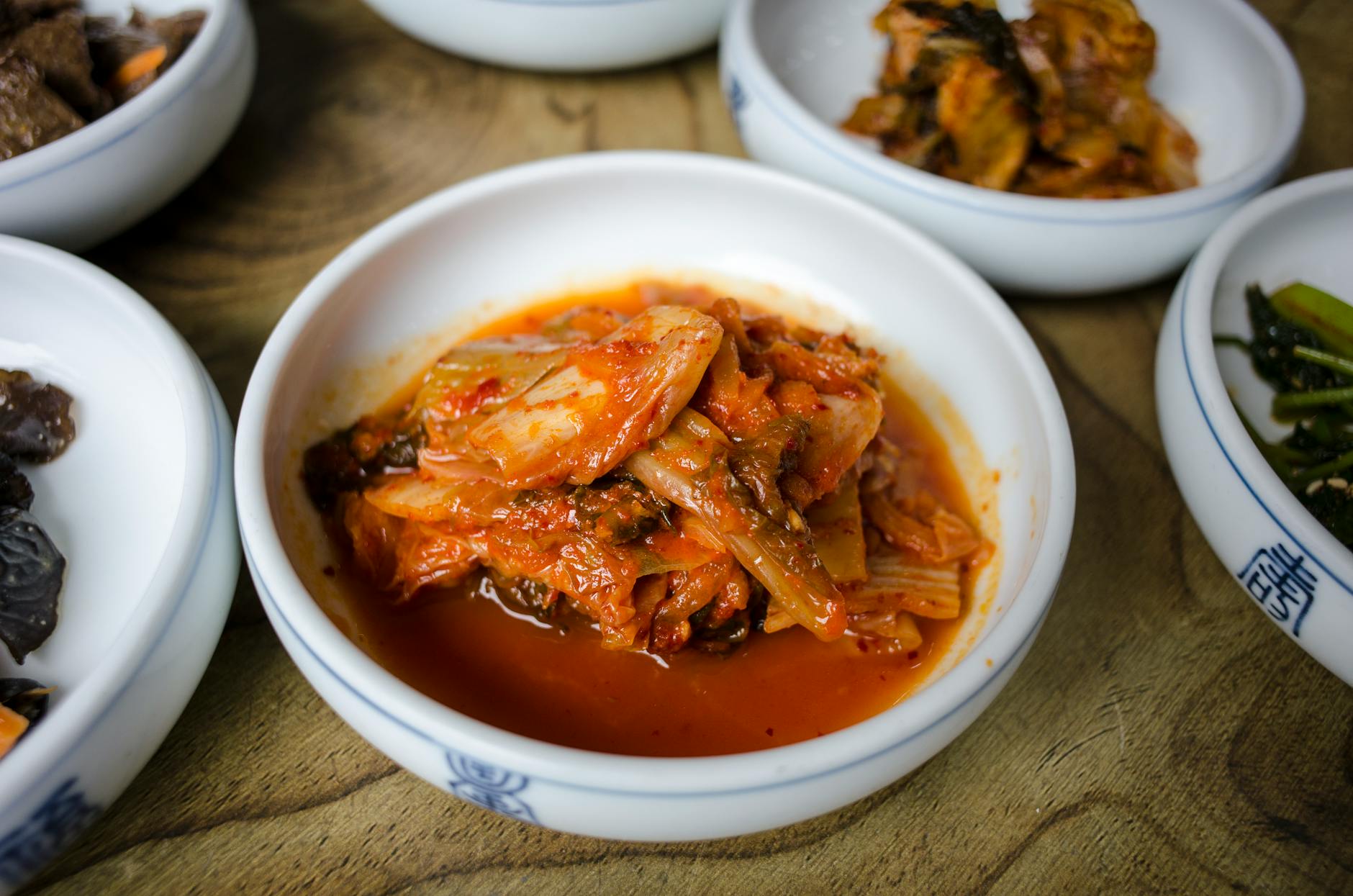
The Stanford study used six servings per day, which is a substantial commitment. For most people — and especially for older adults or dementia patients who may have limited appetites or swallowing difficulties — starting with one to two servings daily is more realistic. A serving of plain yogurt at breakfast and a small portion of sauerkraut or kimchi alongside lunch or dinner is manageable for most households without requiring a dramatic dietary overhaul. There is an important tradeoff between fermented dairy and fermented plant foods. Yogurt and kefir are the most studied and easiest to find in conventional grocery stores, and they contain well-characterized probiotic strains. But some people, particularly older adults, develop increased lactose sensitivity with age or have dietary restrictions that rule out dairy. Plant-based options like kimchi, sauerkraut, miso, tempeh, and kombucha provide fermentation benefits without dairy, though the specific bacterial strains differ. Kimchi and sauerkraut, when purchased refrigerated and unpasteurized, retain live cultures.
Shelf-stable versions have typically been heat-treated, which kills the beneficial bacteria. This is a common mistake: buying a jar of sauerkraut from the canned goods aisle and assuming it has the same probiotic content as the refrigerated version. It does not. For caregivers managing someone else’s diet, texture matters as much as nutrition. Kefir is drinkable and can be blended into smoothies. Miso dissolves into warm soup. These options are far easier for someone with chewing or swallowing difficulties than a crunchy serving of kimchi. Matching the fermented food to the person’s physical capabilities is as important as choosing the right product.
The Honest Limits of What Fermented Foods Can Do for the Brain
Enthusiasm for fermented foods in the brain health space has outpaced the evidence in some important ways. A systematic review with meta-analysis examining probiotics and fermented foods found their effect on global cognitive functioning to be, in the researchers’ own language, “negligible but marginally significant.” That is not a dismissal — marginal significance means the effect is real and detectable — but it is a long way from the claims you will find on wellness blogs suggesting that kombucha can prevent Alzheimer’s. The studies that exist are heterogeneous. They differ in the number of participants, the duration of the intervention, the specific fermented foods used, the cognitive tests administered, and the populations studied. This heterogeneity makes it difficult to aggregate conclusions with confidence.
A ten-week study on healthy university students eating kefir tells you something different than an eight-week study on middle-aged women eating probiotic yogurt, even if both show positive results. Researchers in a ten-week fermented food intervention did demonstrate reduced circulating cytokine levels (IL-6, IL-10, IL-12b) and decreased activation of four major immune cell types — CD4+ T cells, CD8+ T cells, and B cells — but these are immune markers, not cognitive endpoints. No approved health claims currently link fermented foods to cognitive function in any regulatory jurisdiction. This does not mean the foods are ineffective. It means the evidence has not yet met the high bar required for a formal health claim, which typically demands multiple large-scale, long-term randomized controlled trials with cognitive outcomes as primary endpoints. If a product label or advertisement tells you that a particular fermented food “supports brain health” or “may prevent cognitive decline,” that claim is not backed by regulatory review.

The Science Behind Psychobiotics and Why Strain Selection Matters
The term “psychobiotics” refers to probiotics and prebiotics that have demonstrated mental health benefits in research settings. These compounds influence mood and cognition through three primary pathways: modulation of neurotransmitters like serotonin and dopamine, reduction of systemic inflammation via suppression of pro-inflammatory cytokines, and regulation of the hypothalamic-pituitary-adrenal (HPA) axis, which governs the body’s stress response. The bacterial genera most consistently linked to these effects are *Lactobacillus* and *Bifidobacterium*, both widely present in fermented dairy and some fermented vegetables. This is where commercial probiotic supplements and whole fermented foods diverge in important ways.
A supplement might deliver a single well-characterized strain in a measured dose. A serving of traditionally fermented kimchi delivers dozens of bacterial species alongside organic acids, vitamins, and bioactive peptides produced during fermentation. Single-bacteria studies, while useful for isolating mechanisms, do not capture the full complexity of what happens when someone eats real fermented food. This gap between laboratory products and kitchen-table foods is one reason a new multi-arm intervention study, announced as a preprint in January 2026, is specifically examining the impact of real-world fermented foods — not lab-prepared products — on gut and brain health in healthy adults.
Where Fermented Foods and Brain Health Research Is Heading
The field is moving toward larger, longer, and more realistic studies. The January 2026 preprint addresses one of the biggest criticisms of existing research: that most trials use standardized laboratory preparations rather than the commercially available or homemade fermented foods people actually eat. Understanding whether store-bought kimchi or homemade kefir grains produce the same biological effects as carefully controlled research-grade products is essential before public health recommendations can be made responsibly. For families dealing with dementia today, the practical takeaway is measured optimism.
Fermented foods are generally safe, widely available, culturally familiar across many cuisines, and supported by a growing body of evidence showing anti-inflammatory and microbiome-diversifying effects that are biologically relevant to brain health. They are not a cure. They are not a proven preventive measure. But they are a low-risk dietary addition that aligns with the direction the science is moving, and for caregivers looking for something constructive to do in a situation that often feels helpless, adding a daily serving of yogurt or kefir to a loved one’s meal plan is a reasonable step.
Conclusion
The gut-brain axis is a real, measurable biological system, and fermented foods are one of the most practical ways to influence it favorably. Research from Stanford, Deakin University, and multiple 2025 clinical trials consistently shows that regular consumption of fermented foods increases microbiome diversity, reduces inflammatory markers tied to neurodegeneration, and in some cases measurably strengthens communication between brain regions involved in memory and mood. The effects are modest by clinical standards, but they are consistent across studies and biologically plausible. For caregivers and families concerned about brain health, the honest message is this: fermented foods are not a replacement for medical treatment, cognitive stimulation, physical exercise, or social engagement — all of which have stronger evidence bases for dementia prevention.
But they are a safe, affordable, and accessible addition to a brain-healthy lifestyle. Start with one or two servings of live-culture yogurt, kefir, or unpasteurized sauerkraut per day. Choose refrigerated products with live cultures rather than shelf-stable versions. And keep watching the research, because the next few years of clinical trials are likely to sharpen our understanding of exactly how much these ancient foods can do for the modern brain.
Frequently Asked Questions
How many servings of fermented foods per day are needed for brain health benefits?
The Stanford trial used six servings per day and found significant increases in microbiome diversity and decreases in inflammatory markers. However, that is a research protocol, not a practical daily recommendation. Most nutritional researchers suggest starting with one to two servings per day of live-culture fermented foods and building from there based on tolerance and preference.
Can fermented foods help someone who already has dementia?
There is currently no clinical evidence that fermented foods can reverse or halt dementia progression. The existing studies have been conducted primarily in healthy adults. The anti-inflammatory and microbiome effects are biologically relevant to brain health, but no approved health claims link fermented foods to cognitive function, and a clear cause-and-effect relationship remains unproven.
Is kombucha as effective as yogurt or kefir for brain health?
Kombucha was included in the Stanford fermented foods trial alongside yogurt, kefir, and kimchi, but it has not been studied individually for cognitive effects the way dairy kefir and probiotic yogurt have. Dairy kefir has the strongest individual evidence for improvements in decision-making, attention, and working memory. Kombucha may contribute to microbiome diversity as part of a varied fermented food diet, but its standalone brain health effects are not well characterized.
Do shelf-stable fermented foods like jarred sauerkraut still have probiotics?
Most shelf-stable fermented foods have been pasteurized, which kills the live bacteria responsible for probiotic effects. To get live cultures, look for products in the refrigerated section that are labeled “unpasteurized” or “contains live cultures.” This applies to sauerkraut, kimchi, pickles, and similar products.
Are probiotic supplements as good as eating fermented foods?
They serve different purposes. Probiotic supplements deliver specific, well-characterized strains in controlled doses, which is useful for targeted research. Whole fermented foods deliver a broader range of bacterial species along with bioactive compounds produced during fermentation. Single-bacteria studies do not capture the full complexity of fermented food effects, and the January 2026 multi-arm study is specifically designed to test real-world fermented foods rather than lab-prepared products.
Are there any risks to eating fermented foods for older adults?
For most people, fermented foods are safe. However, some fermented products are high in sodium (kimchi, sauerkraut, miso), which may be a concern for people managing hypertension. Dairy-based fermented foods can cause digestive discomfort in people with lactose intolerance, though fermentation reduces lactose content significantly. Anyone on immunosuppressive medication should consult their physician before significantly increasing their intake of live-culture foods.