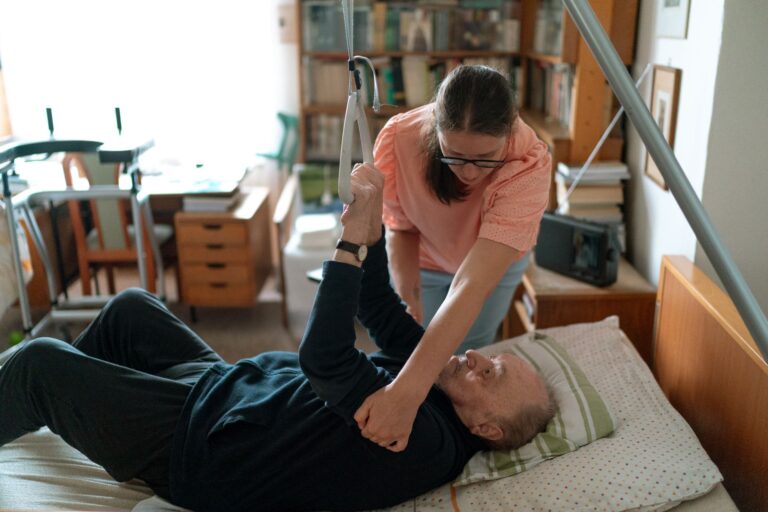
Older adults sits at the center of this dementia and brain health question.
Older adults often become more reactive to stress due to a combination of biological, psychological, and social changes that occur with aging. These factors interact in complex ways, making the stress response in older individuals different from that in younger people.
Biologically, aging affects the body’s hormonal systems involved in stress regulation. One key hormone is cortisol, which is released by the adrenal glands during stressful situations. In older adults, cortisol levels tend to be elevated or remain high for longer periods after a stressful event. This prolonged exposure can make them more sensitive or reactive to stress because their bodies take longer to return to baseline after being stressed. Additionally, neurological changes occur with age—brain regions responsible for managing emotions and controlling stress responses may not function as efficiently as before. This includes areas like the prefrontal cortex and hippocampus that regulate emotional control and memory; their reduced efficiency can impair an older person’s ability to manage or dampen emotional reactions effectively.
Psychologically, while many older adults develop better coping skills through life experience and tend to have greater emotional resilience overall, some also face increased vulnerability due to factors such as neuroticism—a personality trait characterized by heightened sensitivity to negative emotions—which may increase with age or cognitive decline. Increased neuroticism combined with ongoing life stresses can amplify reactivity because these individuals perceive threats more intensely and have difficulty regulating their responses over time.
Socially and situationally, older adults often encounter unique sources of stress such as declining health conditions, loss of loved ones through bereavement, concerns about financial security during retirement years, social isolation due to shrinking social networks or mobility issues—all these contribute additional layers of chronic stressors that accumulate over time. The presence of multiple simultaneous challenges can overwhelm coping mechanisms even if they are generally strong.
Repeated exposure to elevated cortisol spikes caused by frequent or chronic stress also leads over time to structural brain changes—such as shrinkage in areas important for flexible thinking and emotion regulation—and functional rewiring that favors heightened threat detection but reduces cognitive flexibility needed for adaptive coping strategies.
However, it is important not just how much stress occurs but how it is managed: individuals who engage in positive behaviors like mindfulness practices (e.g., meditation), cognitive-behavioral techniques (challenging catastrophic thoughts), physical activity (like walking), maintaining social connections regularly tend toward lower reactivity despite aging-related vulnerabilities because these activities help regulate brain circuits involved in emotion control.
In summary:
– **Hormonal shifts**: Elevated cortisol levels linger longer post-stress.
– **Neurological changes**: Reduced efficiency in brain regions controlling emotion.
– **Personality shifts**: Increased neuroticism heightens sensitivity.
– **Life circumstances**: Health decline, loss experiences increase chronic stresses.
– **Brain remodeling**: Chronic cortisol exposure alters neural pathways increasing threat focus.
– **Coping resources vary**: Some maintain resilience via learned strategies; others struggle when overwhelmed by cumulative challenges.
This interplay explains why many older adults show increased reactivity when facing stressful events compared with younger people—even though some simultaneously gain wisdom on managing emotions better overall—highlighting the nuanced nature of aging’s impact on human stress response systems.
For more, see Alzheimer’s Association — caregiving.