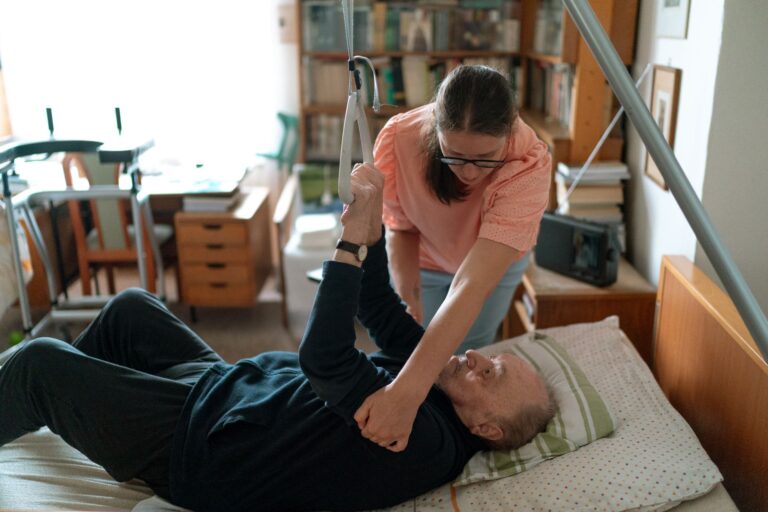
Recognize injury sits at the center of this dementia and brain health question.
Recognizing injury patterns in your own body can help you understand what might be wrong and when to seek medical attention. Injuries often follow certain recognizable signs depending on how they happen and which part of the body is affected.
**Look for Types of Injury**
– **Sharp injuries** come from something cutting or piercing the skin, like a knife or broken glass. These usually show as clean cuts (incised wounds), deep punctures (stab wounds), or heavy chopping marks that may even break bones. Sharp injuries tend to have clear edges and sometimes small hesitation cuts if there was a struggle.
– **Blunt force injuries** happen when something hits you without a sharp edge, such as a fall, punch, or bumping into an object. These cause bruises (discolored skin from blood leaking under it), tears in the skin called lacerations, or broken bones. The shape of bruises can sometimes match the object that caused them.
– **Thermal injuries** are burns caused by heat, cold, chemicals, or electricity and usually have distinct redness, blistering, or charring patterns.
**Notice How Pain and Swelling Develop**
Muscle strains occur when muscle fibers stretch too far or tear due to sudden movements. You might feel sharp pain during movement followed by soreness and swelling afterward. Strains vary from mild tightness to severe pain with weakness in the muscle.
Bone bruises inside joints like knees often happen after twisting motions or impacts during sports accidents or falls. The pattern of pain—such as where exactly on your knee it hurts—can hint at specific ligament damage nearby because these injuries often occur together.
For example:
– Pain on the outer side of a twisted knee could mean a patellar dislocation.
– Pain at the front after hitting your knee against something hard might suggest damage inside related ligaments.
These patterns help doctors figure out what’s injured but you can watch for similar clues yourself by noting where pain is worst and what movements hurt most.
**Watch for Movement Problems**
If you notice difficulty moving normally—like trouble bending your knee fully after an injury—it could mean more serious internal damage such as ligament tears combined with bone bruises.
Spinal cord injuries may cause numbness, weakness below an injury site along with neck/back pain after trauma like falls or car accidents; these require immediate medical care but early recognition helps prevent worsening problems.
**Pay Attention to How Injuries Happen**
Understanding how an injury happened gives clues about what kind it might be:
– A direct hit causes localized bruising.
– Twisting motions often lead to sprains/strains around joints.
– Falls onto flexed limbs may cause specific bone contusions visible later through imaging but felt initially as deep joint pain.
By combining what you feel (pain location/type), see (bruising/cuts/swelling), how well you move afterward, and remembering how it happened—you start recognizing common injury patterns in your own body better than before. This awareness helps decide if rest is enough at home or if professional evaluation is needed quickly before things get worse.
For more, see National Institute on Aging.