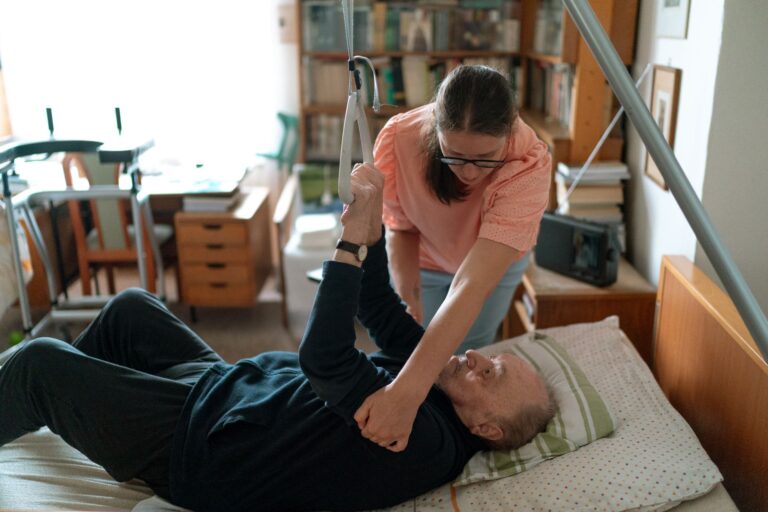
Rehabbed without sits at the center of this dementia and brain health question.
Rehabbing without losing muscle is a challenge many face after injury or surgery, but it’s definitely possible with the right approach. Here’s how I managed to keep my muscle mass intact during rehab, explained in simple terms.
When you’re injured or immobilized, your muscles naturally start to shrink because they aren’t being used like before. This process is called muscle atrophy. The key to preventing this isn’t just about moving a lot—it’s about activating your muscles in any way you can and supporting them nutritionally.
**Start Moving Early, Even If It’s Small**
One of the biggest lessons I learned was that early movement matters—even if it’s tiny contractions or just holding a position without actually moving (called isometric exercises). These small efforts send signals to your brain and muscles saying, “Hey, we still need these muscles.” This helps maintain strength and prevents rapid loss of muscle mass.
For example, after surgery or injury when full movement isn’t possible yet, focusing on activating the muscles gently can make a huge difference. Even standing up with support or shifting weight slightly can stimulate blood flow and nerve connections that keep the muscles healthy.
**Use Technology When Needed**
In some cases where voluntary movement is very limited—like certain spinal injuries—techniques such as neuromuscular electrical stimulation (NMES) come into play. NMES uses electrical impulses to cause your muscles to contract artificially. Combining this with good protein intake helps reduce muscle wasting when normal exercise isn’t an option.
**Nutrition Is Your Muscle’s Best Friend**
Keeping up with proper nutrition was another crucial part of my rehab journey. Protein intake especially plays a big role because it provides the building blocks for repairing and maintaining muscle tissue. Alongside protein, nutrients like vitamin D and creatine also support muscle health during recovery phases.
Eating well gives your body what it needs not only to stop losing muscle but also eventually rebuild strength as you progress through rehab.
**Early Use of Supportive Devices Helps Too**
If you’re recovering from something like an amputation or joint replacement requiring prosthetics or braces, getting fitted early can help prevent atrophy around those areas by encouraging use of nearby muscles sooner rather than later. Using these devices allows gentle weight-bearing activities which are powerful signals for preserving muscular function.
Even short periods of walking with assistance help retrain your body’s “muscle memory,” making future rehabilitation smoother since those foundational movements stay active instead of fading away completely.
—
By combining early activation—even if minimal—with targeted nutrition and sometimes technology-assisted stimulation or supportive devices, I was able to protect my muscles throughout rehab instead of watching them disappear day by day. It takes patience and consistency but keeping those small steps going makes all the difference in coming back stronger without losing what you had before injury struck.
For more, see NIH MedlinePlus — dementia.