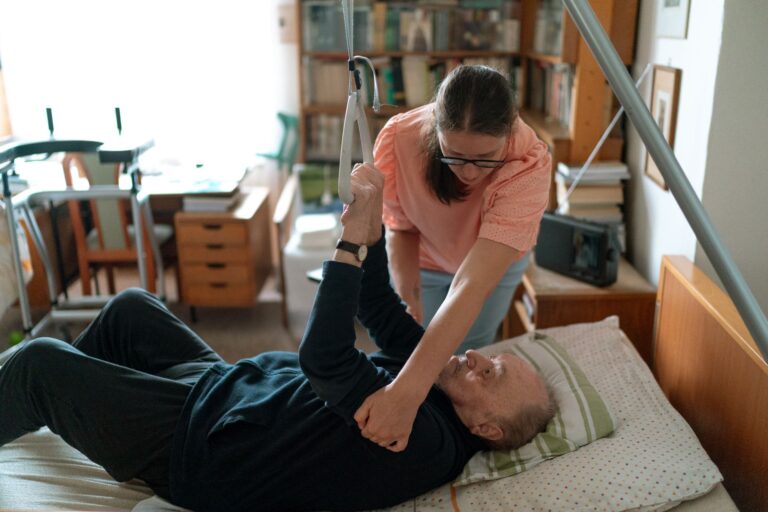
Presence sits at the center of this dementia and brain health question.
There is a curious and powerful idea that sometimes, the very presence of someone or something can make us feel absent. It sounds strange at first—how can being with someone make you feel like you’re not really there? But when we look deeper, this “presence that made us absent” reveals a lot about how we experience connection, attention, and even ourselves.
When someone is physically present but emotionally distant or distracted, their presence can create a sense of absence. You might be in the same room with them, yet feel unseen or unheard. This kind of presence doesn’t bring closeness; instead, it highlights what’s missing—the genuine engagement or understanding that makes us truly present to each other. In this way, their physical nearness paradoxically makes you feel far away inside.
On another level, sometimes our own presence becomes overshadowed by others’ expectations or demands. When we try to be what others want rather than who we are, our true self feels absent—even though our body is there. The pressure to perform roles or meet standards can pull us away from authentic living and leave us feeling invisible within ourselves.
Interestingly, absence itself often teaches us about the value of presence. When someone leaves—whether temporarily or permanently—we suddenly notice all the ways they filled space in our lives beyond just being physically there. Their absence sharpens our awareness of how important their real attention and care were to feeling connected and alive.
This interplay between presence and absence shows up in many areas: relationships where one partner feels neglected despite proximity; moments when silence speaks louder than words; spiritual experiences where God’s unseen but deeply felt presence fills emptiness; even in art and music where what’s left unsaid resonates as much as what’s expressed.
In essence, the “presence that made us absent” invites reflection on how true connection requires more than just showing up—it calls for being fully attentive and engaged with ourselves and others. Without this depth of presence, physical closeness may only underline emotional distance.
So next time you find yourself near yet feeling far away—or noticing how someone’s absence stings more than expected—remember these are signs pointing toward a deeper need: not just for company but for meaningful connection that truly includes heart and mind together in the moment.
For more, see Alzheimer’s Association.