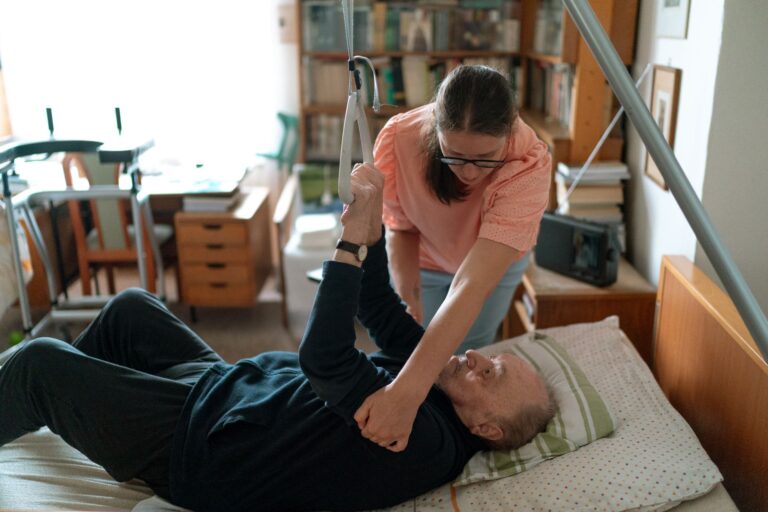
Mental health sits at the center of this dementia and brain health question.
The mental health revolution is a story of how society’s growing awareness and focus on mental well-being has brought both hope and unexpected challenges. Over the past few years, people have started talking openly about mental health like never before. This shift began with advocacy efforts and education programs that helped break down stigma, making it easier for individuals to seek help and for communities to recognize the importance of mental wellness.
Young people, especially Gen Z, have been at the forefront of this change. They are leading a movement rooted in honesty and vulnerability, pushing for collective healing rather than silence or shame around anxiety, depression, and other struggles. In places like California, teens have taken charge by conducting research on their own experiences with mental health issues. Their message is clear: we don’t lack awareness anymore; what we need is real action to address these problems in schools, families, and society at large.
However, this revolution has also revealed some unintended consequences. As more people come forward seeking support or treatment—whether counseling after traumatic events or ongoing therapy—the demand for mental health services has surged dramatically. For example, tragic incidents like the school shooting in Graz shook communities deeply but also highlighted gaps in existing support systems worldwide. Suddenly there was an urgent need not just for crisis response but also preventive care that builds resilience before problems escalate.
Governments and organizations are responding by investing heavily in training professionals who can provide timely help across different settings—from healthcare to education—and developing digital tools that empower individuals to manage mild symptoms themselves. Programs funded by initiatives such as the EU4Health aim not only to treat illness but embed mental wellness into everyday life through sports programs or workplace policies.
Yet despite all these efforts aimed at improving access and reducing stigma around mental illness,
the sheer scale of demand means many still struggle without adequate care
or face long waits due to limited resources.
In this way,
the very revolution meant to heal society’s wounds has exposed how fragile our systems remain
and how much work lies ahead—not just raising voices but building sustainable solutions that truly meet everyone’s needs.
The journey continues as communities balance hope with reality: embracing openness about mental health while confronting the complex challenges it brings along with it.
For more, see Alzheimer’s Association.