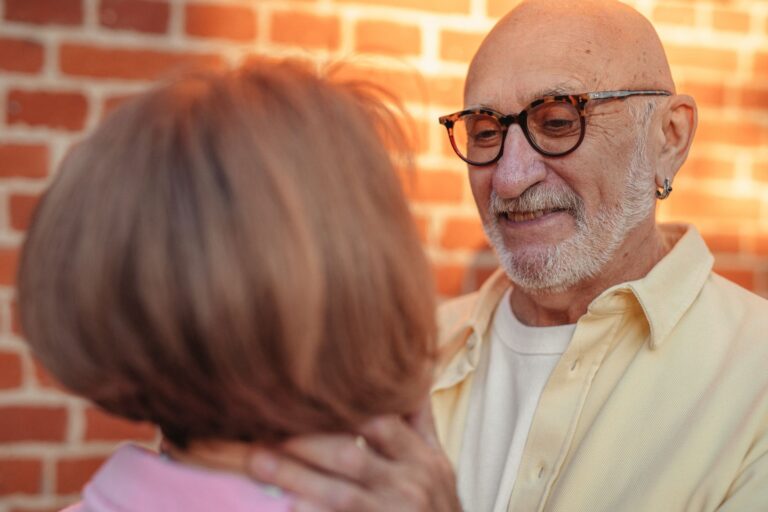
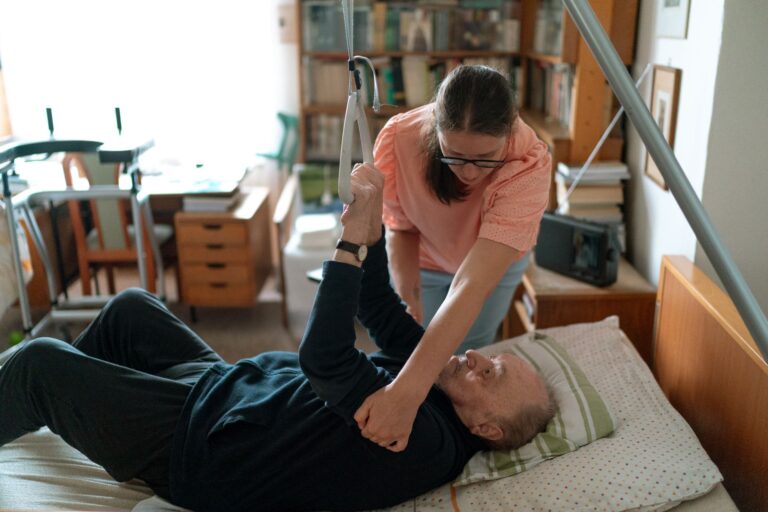
Running out sits at the center of this dementia and brain health question.
There’s a curious thing about love: it feels endless when we have it, but somehow, many of us live with the quiet fear that it might run out. This fear isn’t just about losing someone or being left alone; it’s deeper, almost like a scarcity mindset creeping into our hearts. When we worry that love is limited, we start hoarding it—clinging tightly to every bit of affection and attention as if stockpiling for a harsh winter.
This hoarding doesn’t mean collecting love in healthy ways like nurturing relationships or showing care. Instead, it often looks like anxiety over whether we’re loved enough or if others might take away what little love we have. It can make people overly possessive or desperate for reassurance because they feel there’s never quite enough to go around.
Why does this happen? Fear plays a big role here. When people live with constant fear—whether it’s fear of rejection, abandonment, or simply missing out—they tend to act from survival mode rather than trust and openness. This kind of fear isn’t just an occasional feeling; for some, it’s so persistent that it shapes how they relate to others emotionally.
Think about the way social media fuels this too: seeing everyone else’s seemingly perfect relationships can spark a “fear of missing out” on love itself. That pressure makes people clutch tighter to their own connections because they worry theirs aren’t enough compared to what others appear to have.
But hoarding love has its downsides—it can lead us into emotional burnout where giving and receiving become exhausting rather than joyful. Instead of feeling connected and secure, people may feel anxious and disconnected inside their own relationships because the underlying fear keeps them on edge.
The paradox is clear: by fearing loss so much that we try to hold onto love desperately, we risk pushing away the very connection we’re trying so hard not to lose. Love thrives best when there’s room for freedom and trust—not when it’s treated like something scarce that must be guarded fiercely.
In reality, love isn’t something finite you can run out of; it’s more like energy—you give some away but also receive more back in return through genuine connection and kindness. Letting go of the fear allows us not only to share love more freely but also experience its abundance without anxiety shadowing every moment.
So maybe instead of hoarding our feelings tightly in case they disappear someday, learning how to embrace vulnerability helps us open up space where real intimacy grows naturally—and where fears don’t dictate how much—or how little—we give or receive in return.
For more, see Alzheimer’s Association — caregiving.